
Cybersecurity for Retail Tech in 2026: Protecting Customer Data and Preventing 20% of Breaches
In an increasingly digital retail landscape, robust cybersecurity is paramount. This post delves into the future of retail cybersecurity in 2026, focusing on protecting customer data and aiming to prevent 20% of breaches through advanced strategies and technologies.

Augmented Reality Retail: 3-Month Implementation Plan for 25% CX Boost
This comprehensive guide outlines a 3-month Augmented Reality implementation plan for retailers aiming to enhance customer experience by 25%. Learn practical steps, best practices, and expected outcomes.

RPA in Retail Back-Office: Boost Efficiency, Cut Costs by 40%
Robotic Process Automation (RPA) is set to transform retail back-office functions, delivering significant cost reductions and efficiency gains. This article explores how RPA can help retailers save up to 40% in operational costs by 2026, streamline processes, and enhance overall business performance.

Headless Commerce Adoption: Boosting Page Load Speed by 40% for U.S. Retailers in 2026
U.S. retailers are poised to revolutionize their online presence through headless commerce adoption, targeting a 40% increase in page load speed by 2026. This comprehensive guide explores the benefits, challenges, and strategic implementation of headless architecture to drive superior customer experiences and heightened conversions.

Augmented Reality E-commerce: Boost Engagement 7% by 2026
Explore the transformative power of Augmented Reality in US e-commerce. This article delves into how AR is set to increase engagement by 7% by Q2 2026, offering businesses a competitive edge through immersive shopping experiences.

Edge Computing in Retail: Boosting Efficiency & Real-Time Insights
Edge Computing is revolutionizing the retail sector by bringing data processing closer to the source. This enables significantly faster data analysis, real-time decision-making, and unparalleled operational efficiency, directly impacting customer engagement and business intelligence.
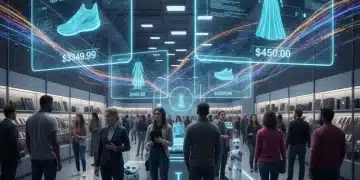
Personalized Pricing Strategies 2026: US Retailers Boost Revenue by 10% with Dynamic Offers
US retailers are poised for significant growth by embracing personalized pricing strategies. This article delves into how dynamic offers, powered by AI and data analytics, can drive a 10% revenue increase by 2026, outlining the technologies, benefits, and implementation roadmap for success.
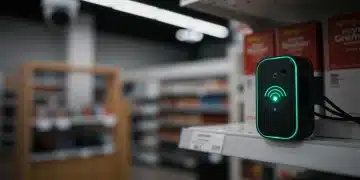
Leveraging IoT Sensors to Reduce Retail Shrinkage by 10% in 2025
IoT sensors are poised to revolutionize retail loss prevention, offering advanced capabilities to reduce shrinkage by 10% in 2025 through real-time inventory tracking, enhanced security, and predictive analytics, optimizing operational efficiency for businesses.

Navigating Data Privacy Regulations 2025: Retail Tech Solutions
Effectively navigating data privacy regulations such as CCPA in 2025 demands robust retail tech solutions that ensure compliance, protect consumer data, and build lasting customer trust in an evolving digital landscape.

Biometric Authentication in Retail: Securing Transactions & Reducing Fraud by 2025
By 2025, biometric authentication will be pivotal in retail, significantly enhancing transaction security and drastically reducing fraud, offering a seamless and secure customer experience across various touchpoints.