In the rapidly evolving landscape of retail and hospitality, staying ahead means embracing innovation. For businesses striving to optimize operations, enhance customer satisfaction, and drive profitability, the advent of next-gen POS systems represents a monumental leap forward. No longer just cash registers, these sophisticated platforms are becoming the central nervous system of modern businesses, integrating an array of functions that streamline processes, provide invaluable insights, and redefine the customer experience.
The traditional point-of-sale system, once a bulky, static device solely for transactions, has undergone a radical transformation. Today’s next-gen POS systems are agile, cloud-based, mobile-friendly, and packed with features that extend far beyond basic sales processing. They are designed to address the complexities of modern commerce, from managing inventory across multiple channels to personalizing customer interactions and providing real-time data analytics. This article delves into the multifaceted world of these advanced systems, exploring their core components, the myriad benefits they offer, and how they are shaping the future of retail and hospitality.
The Evolution of POS: From Cash Register to Command Center
To truly appreciate the power of next-gen POS systems, it’s essential to understand their journey. The earliest forms of POS were mechanical cash registers, designed simply to record sales and store cash. With the rise of personal computers, electronic POS systems emerged, offering basic inventory tracking and reporting. However, these systems were often proprietary, expensive, and lacked the flexibility needed for dynamic business environments.
The current generation of POS solutions, often referred to as ‘next-gen,’ is characterized by several key advancements:
- Cloud-Based Architecture: This is perhaps the most significant shift. Cloud POS systems store data on remote servers, accessible from anywhere with an internet connection. This eliminates the need for expensive on-site hardware, simplifies updates, and enhances data security and accessibility.
- Mobility: Handheld devices, tablets, and smartphones can now function as fully operational POS terminals, allowing businesses to process transactions on the go, whether it’s tableside ordering in a restaurant or pop-up shop sales.
- Integrated Ecosystems: Modern POS systems are no longer standalone. They seamlessly integrate with other critical business applications such as CRM (Customer Relationship Management), ERP (Enterprise Resource Planning), accounting software, e-commerce platforms, and marketing tools, creating a unified operational hub.
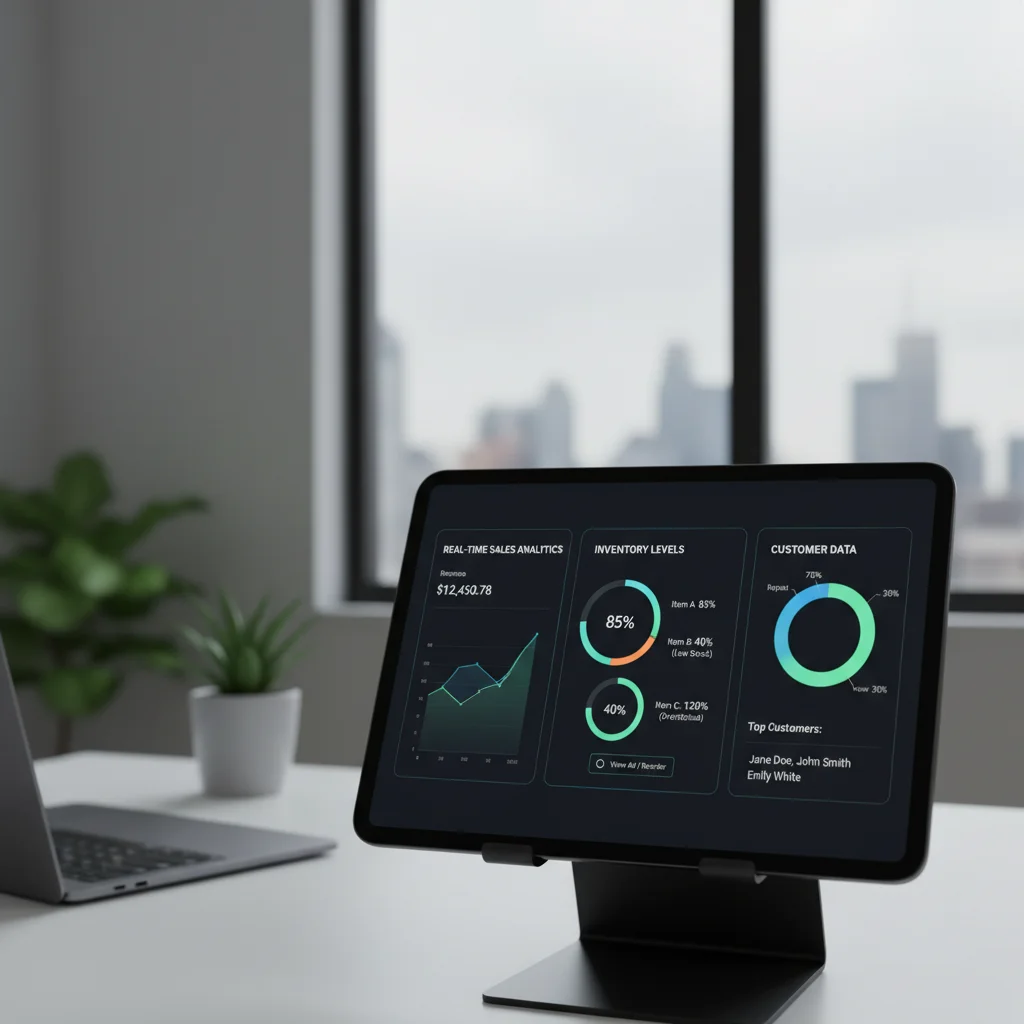
- Data Analytics and Reporting: Beyond just recording sales, next-gen POS systems offer powerful analytics capabilities, providing real-time insights into sales trends, customer behavior, inventory performance, and employee productivity.
- Enhanced Customer Experience: Features like loyalty programs, personalized promotions, self-checkout options, and diverse payment methods contribute to a smoother, more engaging customer journey.
This evolution has made POS systems indispensable tools for businesses looking to thrive in a competitive marketplace. They are no longer just a cost center but a strategic asset that drives efficiency, informed decision-making, and growth.
Key Features and Components of Next-Gen POS Systems
The functionality of next-gen POS systems is vast and varied, tailored to meet the specific needs of different industries. However, several core features are common across most advanced solutions:
1. Advanced Payment Processing
Beyond traditional cash and card payments, modern POS systems support a wide array of payment options, including:
- Contactless Payments: NFC (Near Field Communication) for tap-to-pay with cards, smartphones, and wearables.
- Mobile Wallets: Integration with Apple Pay, Google Pay, Samsung Pay, and other digital wallet services.
- EMV Chip Cards: Enhanced security for chip-and-PIN or chip-and-signature transactions.
- Cryptocurrency: Some pioneering systems are even beginning to accept digital currencies.
- Split Payments: Easy splitting of bills among multiple customers or payment methods.
This flexibility not only caters to diverse customer preferences but also significantly speeds up the checkout process, a critical factor in customer satisfaction.
2. Comprehensive Inventory Management
Effective inventory management is crucial for profitability. Next-gen POS systems offer sophisticated features such as:
- Real-time Tracking: Monitor stock levels across multiple locations in real-time.
- Automated Reordering: Set up triggers for automatic reorder when stock falls below a certain threshold.
- Variant Management: Easily track different sizes, colors, and styles of products.
- Supplier Management: Integrate with supplier databases for streamlined purchasing.
- Waste and Loss Tracking: Identify and mitigate sources of inventory loss.
By optimizing inventory, businesses can reduce carrying costs, prevent stockouts, and improve cash flow.
3. Customer Relationship Management (CRM) Integration
Understanding and engaging with customers is paramount. Modern POS systems often include or integrate with CRM functionalities:
- Customer Profiles: Store purchase history, preferences, contact information, and loyalty points.
- Personalized Marketing: Use data to create targeted promotions and offers.
- Loyalty Programs: Manage points, rewards, and gift cards seamlessly.
- Feedback Collection: Gather customer insights at the point of sale.
This allows businesses to build stronger customer relationships, fostering loyalty and repeat business.
4. Employee Management and Performance Tracking
Beyond sales, next-gen POS systems help manage staff:
- Time Clock Functionality: Track employee hours, breaks, and overtime.
- Permission Management: Assign different access levels to staff based on their roles.
- Sales Performance Tracking: Monitor individual employee sales, tips, and commissions.
- Scheduling Integration: Some systems offer basic scheduling tools or integrate with dedicated scheduling software.
These features improve operational efficiency and accountability.
5. Robust Reporting and Analytics
Data is power, and next-gen POS systems excel at providing actionable insights:
- Sales Reports: Detailed breakdowns by product, category, time of day, and employee.
- Inventory Reports: Insights into best-selling items, slow-moving stock, and inventory turnover.
- Customer Reports: Analysis of customer spending habits, demographics, and loyalty.
- Profit and Loss Statements: Generate financial reports to assess business health.
- Customizable Dashboards: Visualize key metrics at a glance.
This analytical capability empowers business owners to make data-driven decisions, optimize strategies, and identify growth opportunities.
Benefits of Implementing Next-Gen POS Systems
The advantages of adopting next-gen POS systems are extensive, impacting nearly every facet of a business:
1. Enhanced Efficiency and Speed
One of the most immediate benefits is the significant boost in operational efficiency. Faster transaction processing, streamlined inventory management, and automated reporting free up staff time, allowing them to focus on customer service rather than administrative tasks. For instance, in a busy restaurant, mobile POS devices enable servers to take orders and process payments tableside, drastically reducing wait times and improving table turnover.
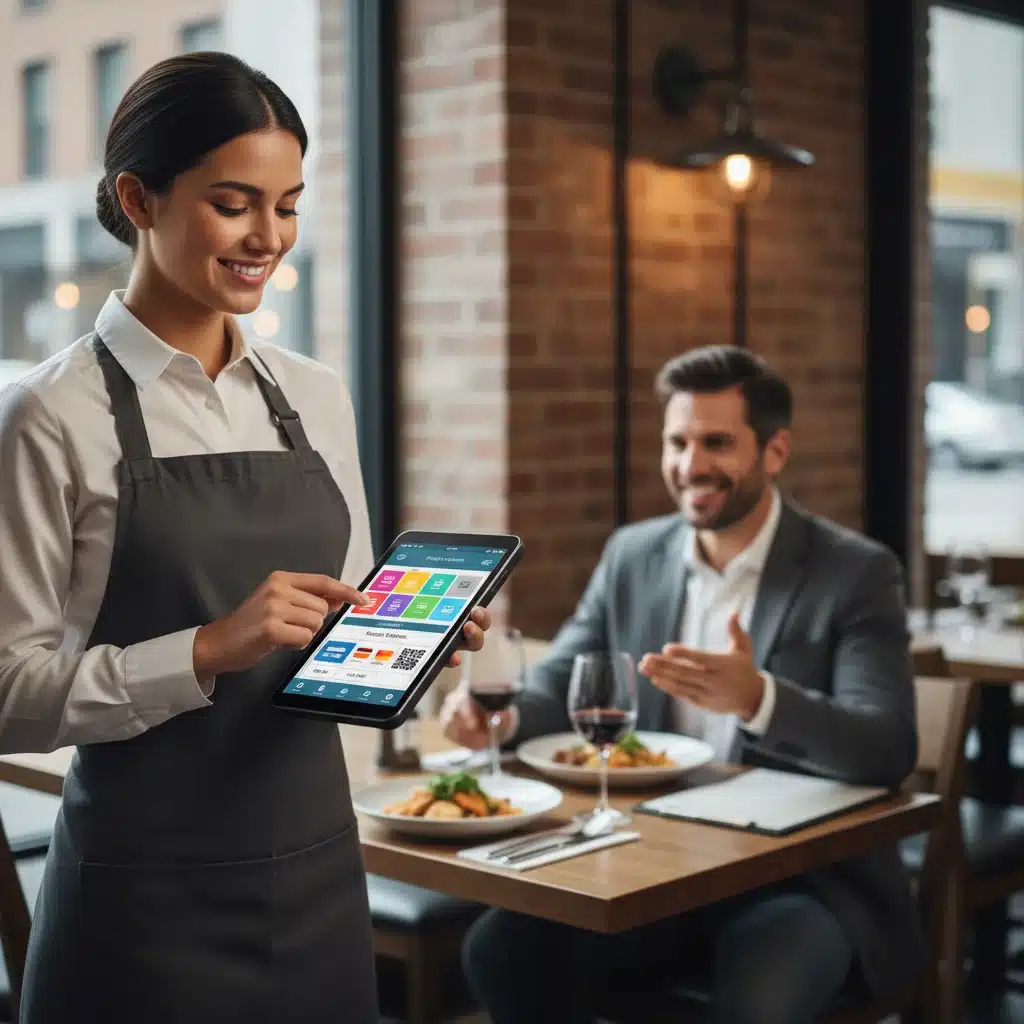
Similarly, in retail, quick checkout processes minimize queues, especially during peak hours, preventing customer frustration and lost sales. The integration of various functions into a single system eliminates manual data entry and reduces errors, further contributing to overall efficiency.
2. Improved Customer Experience
Modern consumers expect seamless, personalized experiences. Next-gen POS systems deliver on this expectation through:
- Faster Service: Quicker checkouts and order processing.
- Personalized Interactions: Access to customer purchase history and preferences allows staff to offer tailored recommendations and remember loyal customers.
- Flexible Payment Options: Catering to diverse payment preferences, including contactless and mobile payments.
- Loyalty Programs: Easy enrollment and redemption of rewards, encouraging repeat business.
- Self-Service Options: Kiosks for ordering or self-checkout empower customers and reduce staff workload.
A positive customer experience translates directly into higher satisfaction, greater loyalty, and positive word-of-mouth.
3. Superior Data Insights and Business Intelligence
The ability to collect, analyze, and act upon real-time data is a game-changer. Next-gen POS systems provide granular insights into sales performance, inventory levels, customer behavior, and employee productivity. This data allows businesses to:
- Identify Best-Selling Products: Optimize purchasing and marketing efforts.
- Pinpoint Slow-Moving Inventory: Implement strategies to clear stock and prevent losses.
- Understand Peak Hours: Optimize staffing schedules.
- Measure Marketing Campaign Effectiveness: Track the ROI of promotions.
- Forecast Future Trends: Make informed decisions about product offerings and operational adjustments.
This level of business intelligence is invaluable for strategic planning and competitive advantage.
4. Enhanced Security and Compliance
Handling sensitive customer data and financial transactions requires robust security. Next-gen POS systems are built with advanced security features, including:
- PCI DSS Compliance: Adherence to industry standards for protecting cardholder data.
- End-to-End Encryption: Securing transaction data from the point of swipe to authorization.
- Fraud Detection: Tools to identify and prevent suspicious transactions.
- Cloud Security: Leveraging the robust security infrastructure of cloud providers.
Furthermore, cloud-based systems offer automatic backups, ensuring data integrity and disaster recovery capabilities that on-premise systems often lack.
5. Scalability and Flexibility
As businesses grow, their POS needs evolve. Next-gen POS systems are inherently scalable, easily accommodating new locations, increased transaction volumes, and additional features. Their modular nature allows businesses to add or remove functionalities as required, ensuring the system remains relevant and cost-effective over time. This flexibility is particularly beneficial for businesses with seasonal fluctuations or those planning rapid expansion.
Next-Gen POS Systems in Action: Industry-Specific Applications
While the core benefits apply broadly, the specific implementation and advantages of next-gen POS systems can vary significantly between industries:
Retail
In retail, these systems are transforming the entire shopping journey. Beyond fast checkouts, they facilitate:
- Omnichannel Retailing: Seamless integration between online and in-store sales, allowing customers to buy online and pick up in-store (BOPIS) or return online purchases at a physical location.
- Clienteling: Sales associates can access customer profiles on mobile devices, providing personalized recommendations and a more engaging shopping experience.
- Pop-up Shops and Mobile Sales: The portability of mobile POS allows retailers to expand their reach beyond traditional storefronts.
- Real-time Inventory Sync: Prevents overselling online or stockouts in-store.
Hospitality (Restaurants, Cafes, Bars)
For restaurants and other food service establishments, next-gen POS systems are revolutionizing service delivery:
- Table Management: Optimize table turnover and seating arrangements.
- Kitchen Display Systems (KDS): Streamline communication between front-of-house and kitchen staff, reducing errors and speeding up order preparation.
- Online Ordering Integration: Seamlessly process orders from third-party delivery apps and the restaurant’s own website.
- Ingredient Tracking: Manage inventory of raw ingredients, reducing waste and optimizing recipes.
- Customer Loyalty Programs: Track diner preferences and offer targeted promotions.
Salons and Spas
Service-based businesses also benefit immensely:
- Appointment Scheduling: Integrated booking systems manage appointments and staff availability.
- Client History: Access client service history and product preferences for personalized recommendations.
- Resource Management: Track room and equipment availability.
- Membership Management: Handle recurring billing and membership benefits.
The Future of Next-Gen POS Systems: Trends to Watch
The evolution of POS is far from over. Several emerging trends promise to further enhance the capabilities of these systems:
1. AI and Machine Learning Integration
Artificial intelligence and machine learning will play an increasingly crucial role. AI could power predictive analytics, suggesting optimal pricing strategies, predicting customer demand, and identifying potential fraud patterns. Machine learning algorithms could personalize customer recommendations with even greater accuracy, enhancing the effectiveness of loyalty programs.
2. Voice Commerce and Conversational Interfaces
As voice assistants become more prevalent, POS systems may integrate voice commands for staff operations or even allow customers to complete purchases using voice. Conversational AI could also assist with customer service queries at self-checkout kiosks.
3. Biometric Authentication
For enhanced security and convenience, biometric authentication (fingerprint, facial recognition) could become standard for staff login and even customer payments, further streamlining transactions and reducing fraud risks.
4. Augmented Reality (AR) and Virtual Reality (VR)
While still in early stages, AR could be used in retail for virtual try-ons or interactive product displays linked to the POS. VR could offer immersive shopping experiences, with the POS system facilitating purchases within the virtual environment.
5. Hyper-Personalization
Leveraging vast amounts of data, future next-gen POS systems will enable even more precise hyper-personalization, offering promotions and product suggestions that are uniquely tailored to individual customer preferences, purchase history, and even real-time behavior.
These advancements underscore the continuous innovation within the POS industry, promising even greater efficiency, security, and customer engagement for businesses.
Choosing the Right Next-Gen POS System
Selecting the ideal next-gen POS system is a critical decision for any business. It requires careful consideration of several factors:
- Industry-Specific Needs: Does the system cater specifically to retail, hospitality, or service industries? Look for features that align with your unique operational requirements.
- Scalability: Can the system grow with your business? Ensure it can handle increased transaction volumes, additional locations, and new functionalities.
- Integration Capabilities: How well does it integrate with existing software (accounting, CRM, e-commerce)? A seamless ecosystem is vital.
- Ease of Use: An intuitive interface reduces training time and minimizes errors.
- Customer Support: Reliable 24/7 support is crucial for troubleshooting and minimizing downtime.
- Security Features: Ensure robust data encryption, PCI compliance, and fraud prevention tools.
- Cost: Consider not just the initial investment but also ongoing subscription fees, hardware costs, and potential upgrade expenses.
- Reporting and Analytics: Evaluate the depth and flexibility of reporting tools to ensure they provide the insights you need.
- Hardware Compatibility: Check if the system is compatible with your preferred hardware (tablets, barcode scanners, receipt printers).
Thorough research, demo requests, and reading customer reviews are essential steps in making an informed decision that will serve your business well into the future.
Conclusion
The journey from simple cash registers to sophisticated next-gen POS systems is a testament to the relentless pursuit of efficiency, customer satisfaction, and business intelligence. These advanced platforms are no longer just tools for processing payments; they are strategic assets that empower businesses to streamline operations, gain deep insights into their performance, and cultivate stronger relationships with their customers.
By embracing the power of cloud technology, mobile accessibility, and comprehensive integration, businesses in retail, hospitality, and beyond can unlock unprecedented levels of productivity and profitability. As technology continues to evolve, the future of POS promises even more innovative features, further solidifying its role as the indispensable command center for modern commerce. Investing in a robust next-gen POS system today is not just an upgrade; it’s a strategic move towards a more efficient, customer-centric, and successful future.