Unified Commerce Platforms: Boost CLV by 20% Integrating All Sales Channels by 2026
In the rapidly evolving landscape of retail and customer engagement, businesses are constantly seeking innovative strategies to not only attract but also retain customers for the long term. The concept of Customer Lifetime Value (CLV) has emerged as a critical metric, representing the total revenue a business can reasonably expect from a single customer account over their relationship with the company. Maximizing CLV is paramount for sustainable growth, and achieving this requires a holistic approach to customer interaction. This is where Unified Commerce Platforms step in as a game-changer.
We are on the cusp of a significant transformation, with projections indicating that by 2026, businesses leveraging Unified Commerce Platforms will see an impressive 20% increase in their Customer Lifetime Value by seamlessly integrating all sales channels. This isn’t merely an optimistic forecast; it’s a strategic imperative driven by evolving consumer expectations and technological advancements. The future of retail is not just omnichannel; it’s unified, intelligent, and deeply customer-centric.
This comprehensive guide will delve into the intricacies of Unified Commerce Platforms, exploring their core components, the undeniable benefits they offer, and a strategic roadmap for implementation. Our goal is to equip you with the knowledge and insights necessary to harness the power of unified commerce, thereby securing a competitive edge and significantly boosting your CLV.
Understanding Unified Commerce: Beyond Omnichannel
Before we dive into the specifics of how Unified Commerce Platforms drive CLV, it’s crucial to distinguish unified commerce from its often-confused predecessor: omnichannel. While both aim to provide a consistent customer experience across various touchpoints, their fundamental architectures and capabilities differ significantly.
The Evolution from Multichannel to Omnichannel to Unified Commerce
- Multichannel: This approach involves offering customers multiple ways to interact with a business (e.g., a physical store, an e-commerce website, a call center). However, these channels often operate in silos, with little to no data sharing or communication between them. A customer’s experience in one channel doesn’t influence or inform their experience in another.
- Omnichannel: An improvement over multichannel, omnichannel strategies focus on providing a consistent brand experience across all touchpoints. Data is shared between channels, allowing for a more cohesive customer journey. For example, a customer can start an order online and finish it in-store. However, even in omnichannel setups, the underlying systems for each channel might still be separate, requiring complex integrations and data synchronization efforts.
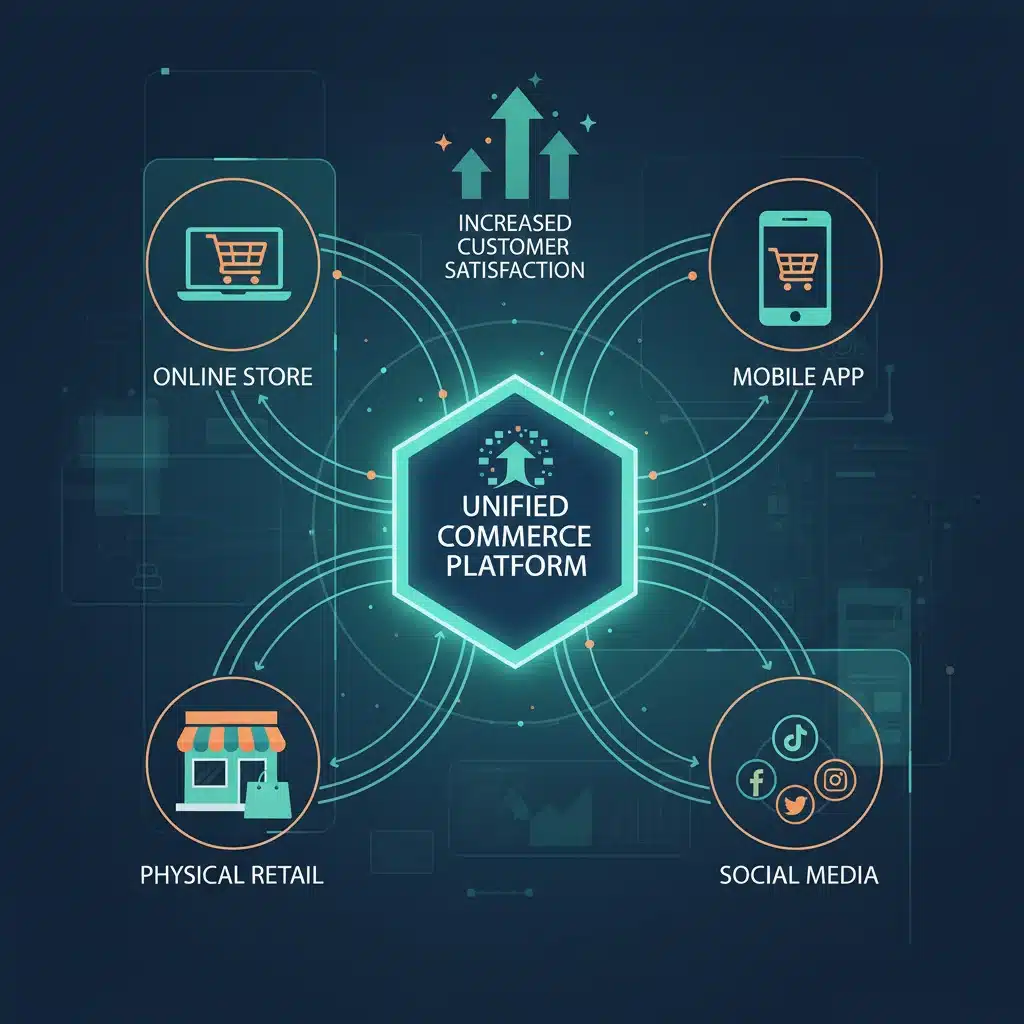
- Unified Commerce: This represents the pinnacle of channel integration. A Unified Commerce Platform consolidates all customer-facing and back-office operations into a single, centralized system. This means inventory, customer data, sales, marketing, order fulfillment, and service are all managed from one platform. The result is a truly seamless, real-time experience for both the customer and the business, eliminating data silos and operational inefficiencies.
The distinction is critical. Omnichannel focuses on the customer experience across channels, while unified commerce focuses on the underlying technology architecture that makes that seamless experience genuinely possible and sustainable. It’s about a single source of truth for all customer and operational data, enabling unparalleled agility and insight.
The Core Components of a Robust Unified Commerce Platform
A truly effective Unified Commerce Platform isn’t just a collection of features; it’s an integrated ecosystem designed to operate as a cohesive unit. Key components typically include:
- Centralized Customer Data Management (CRM): A single, comprehensive view of every customer, consolidating purchase history, preferences, interactions across all channels, and demographic information. This enables highly personalized marketing, service, and product recommendations.
- Integrated Inventory Management: Real-time visibility into inventory levels across all locations (warehouses, physical stores, distribution centers). This prevents overselling, enables efficient order fulfillment options like ‘buy online, pick up in store’ (BOPIS), and optimizes stock allocation.
- Seamless Order Management System (OMS): A unified system for processing, fulfilling, and tracking orders originating from any channel. It handles complex scenarios like split shipments, returns from different channels, and dynamic routing.
- Unified Point of Sale (POS): A modern POS system that is fully integrated with the e-commerce platform, CRM, and inventory. This allows store associates to access customer profiles, view online wishlists, and process returns or exchanges seamlessly, regardless of the original purchase channel.
- Personalization Engine: Leveraging the centralized customer data to deliver tailored product recommendations, promotions, and content across all touchpoints, enhancing relevance and engagement.
- Marketing Automation: Integrated tools for managing email campaigns, loyalty programs, SMS marketing, and social media interactions, all informed by a single customer view.
- Business Intelligence & Analytics: Robust reporting and analytics capabilities that provide real-time insights into sales performance, customer behavior, inventory turnover, and channel effectiveness, enabling data-driven decision-making.
These components, working in concert, create an environment where every interaction with a customer, regardless of the channel, is informed, consistent, and optimized for their needs and preferences.
How Unified Commerce Platforms Drive CLV by 20% by 2026
The promise of a 20% increase in CLV by 2026 is not an arbitrary number; it’s a direct outcome of the strategic advantages offered by Unified Commerce Platforms. Let’s break down the mechanisms through which this significant boost is achieved:
1. Enhanced Customer Experience and Loyalty
The most direct impact of unified commerce is on the customer experience. When channels are seamlessly integrated, customers enjoy:
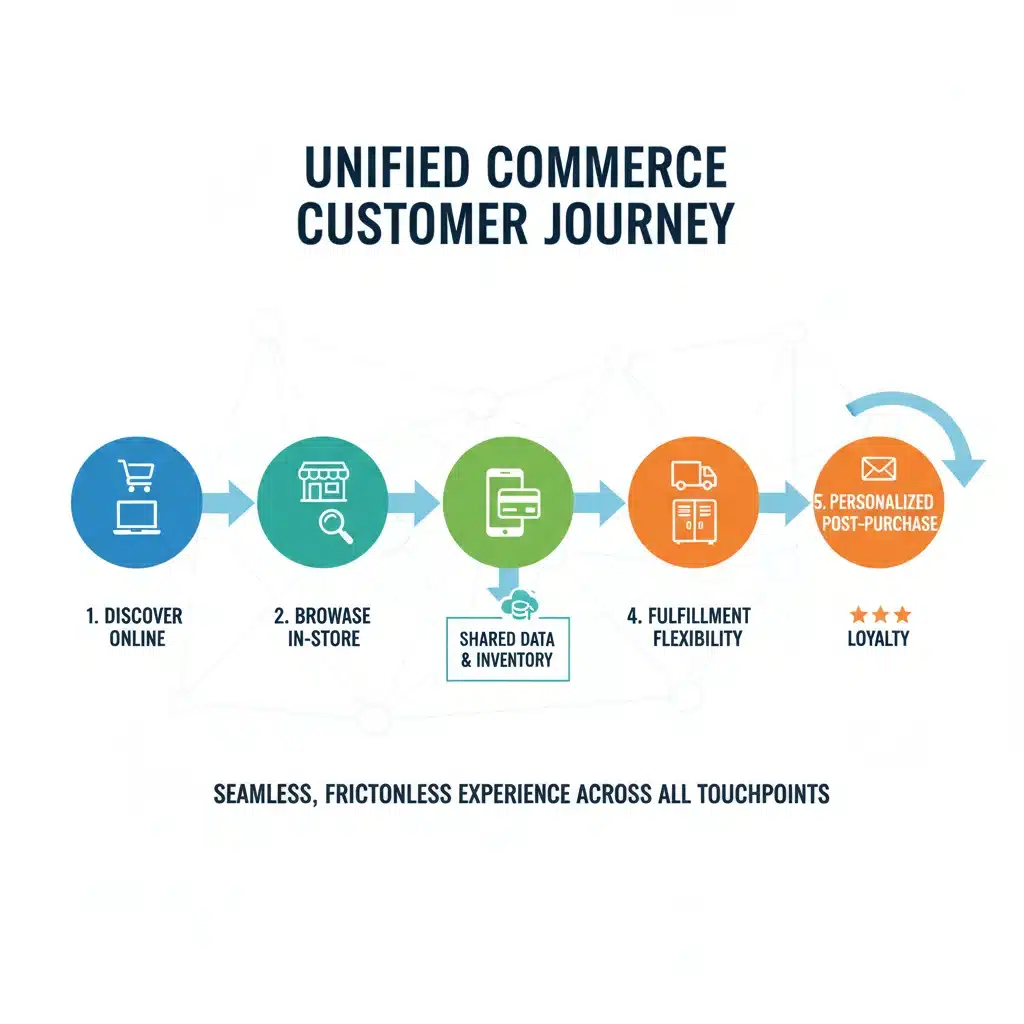
- Frictionless Journeys: No more repeating information, no more disjointed experiences. A customer can start browsing on their phone, add items to a cart, visit a physical store to see the product, and complete the purchase via a mobile app, all without interruption. This smooth flow builds trust and reduces frustration.
- Personalized Interactions: With a 360-degree view of the customer, businesses can deliver highly relevant recommendations, offers, and communications. This personalization makes customers feel valued and understood, fostering deeper engagement and loyalty.
- Convenience and Flexibility: Options like BOPIS (Buy Online, Pick Up In Store), BORIS (Buy Online, Return In Store), and ship-from-store fulfillments cater to modern consumer demands for flexibility and speed, enhancing satisfaction.
A superior customer experience directly translates into higher retention rates, increased purchase frequency, and larger average order values – all critical drivers of CLV.
2. Optimized Operations and Cost Efficiency
While often seen as a customer-facing strategy, unified commerce also delivers substantial internal benefits that indirectly boost CLV:
- Reduced Operational Costs: Eliminating data silos and manual reconciliation processes saves time and reduces errors across inventory management, order fulfillment, and customer service.
- Improved Inventory Accuracy: Real-time inventory data minimizes stockouts and overstocking, leading to better sales opportunities and reduced carrying costs. This means products are available where and when customers want them, preventing lost sales.
- Faster Time to Market: New products and promotions can be launched simultaneously across all channels with greater ease, ensuring consistency and maximizing impact.
- Empowered Employees: Store associates and customer service agents have access to complete customer information and inventory details, enabling them to provide superior service and resolve issues more efficiently, turning potential detractors into loyal advocates.
These operational efficiencies free up resources that can be reinvested into enhancing the customer experience, further fueling CLV growth.
3. Data-Driven Insights and Strategic Decision-Making
The single source of truth provided by a Unified Commerce Platform is a goldmine for data analysis:
- Comprehensive Analytics: Businesses gain a holistic view of customer behavior across all channels, identifying trends, preferences, and pain points that were previously obscured by siloed data.
- Accurate Forecasting: With integrated sales and inventory data, forecasting demand becomes more precise, optimizing stock levels and reducing waste.
- Personalized Marketing ROI: By understanding which channels and messages resonate most with specific customer segments, marketing efforts can be highly targeted and efficient, maximizing return on investment.
- Proactive Problem Solving: Real-time data allows businesses to identify and address issues (e.g., a dip in sales in a particular region, a bottleneck in fulfillment) before they significantly impact customer satisfaction or revenue.
These insights enable businesses to make smarter, more strategic decisions that directly contribute to acquiring, retaining, and growing profitable customer relationships.
The Roadmap to Implementing a Unified Commerce Platform
Embarking on the journey to implement a Unified Commerce Platform is a significant undertaking, but the rewards are substantial. Here’s a strategic roadmap to guide your organization:
Phase 1: Assessment and Strategy (6-12 Months)
This initial phase is critical for laying a strong foundation. It involves understanding your current state, defining your future vision, and securing organizational buy-in.
- Current State Analysis: Document all existing systems, processes, and data flows across sales channels, inventory, CRM, and fulfillment. Identify pain points, inefficiencies, and data silos.
- Define Business Objectives: Clearly articulate what you aim to achieve with unified commerce. Beyond the 20% CLV increase, what specific improvements are you targeting (e.g., reduced returns, faster fulfillment, improved personalization)?
- Stakeholder Alignment: Involve key stakeholders from IT, marketing, sales, operations, and customer service. Secure their commitment and ensure a shared understanding of the project’s scope and benefits.
- Vendor Selection: Research and evaluate various Unified Commerce Platforms. Look for platforms that offer scalability, flexibility, robust integration capabilities, and a strong track record. Consider factors like industry-specific features, total cost of ownership, and vendor support.
- Budgeting and Resource Allocation: Develop a comprehensive budget that includes software licenses, implementation services, training, and ongoing maintenance. Allocate dedicated internal resources for the project.
Phase 2: Planning and Design (6-12 Months)
Once a platform is selected and strategic objectives are clear, the focus shifts to detailed planning and system design.
- Detailed Requirements Gathering: Work with the chosen vendor and internal teams to document specific functional and non-functional requirements for each module of the platform.
- System Architecture Design: Plan how the new platform will integrate with existing essential systems (e.g., ERP, payment gateways, shipping carriers). This involves defining data migration strategies and API integrations.
- Data Migration Strategy: Develop a plan for migrating existing customer data, product catalogs, inventory, and historical transaction data to the new unified platform. Data cleansing will be a crucial step.
- Customization and Configuration: Tailor the platform to meet your specific business processes and branding requirements. This includes configuring workflows, user roles, and reporting dashboards.
- Change Management Plan: Prepare for the organizational impact of a new system. Develop a communication strategy and training programs for all affected employees.
Phase 3: Implementation and Integration (12-18 Months)
This is the core development and deployment phase, often the longest and most complex.
- Platform Setup and Configuration: Install and configure the core modules of the Unified Commerce Platform.
- Data Migration Execution: Execute the data migration plan, ensuring data integrity and accuracy.
- Integrations Development: Build and test integrations with third-party systems. This often involves extensive API development and testing.
- User Acceptance Testing (UAT): Conduct thorough testing with end-users to ensure the platform meets business requirements and functions as expected. Identify and resolve any bugs or issues.
- Training: Provide comprehensive training to all employees who will use the new system, including store associates, customer service teams, marketing, and operations.
- Phased Rollout (Recommended): Consider a phased rollout approach, starting with a pilot store or a specific region before a full enterprise-wide deployment. This allows for fine-tuning and minimizes disruption.
Phase 4: Post-Launch Optimization and Evolution (Ongoing)
Implementation is not the end; it’s the beginning of continuous improvement.
- Performance Monitoring: Continuously monitor system performance, user adoption, and key business metrics (including CLV).
- Feedback Loop: Establish mechanisms for collecting feedback from users and customers to identify areas for improvement.
- Ongoing Optimization: Regularly review and optimize workflows, personalization rules, and marketing campaigns based on performance data and customer insights.
- Scalability Planning: As your business grows, ensure the platform can scale to accommodate increased transaction volumes, new channels, and additional functionalities.
- Stay Current: Keep abreast of new features and updates from your chosen platform vendor and implement relevant enhancements to maintain a competitive edge.
Challenges and Mitigation Strategies
While the benefits of Unified Commerce Platforms are compelling, businesses often face challenges during implementation. Anticipating these and having mitigation strategies in place is crucial for success.
- Data Migration Complexity: Migrating large volumes of disparate data from legacy systems can be daunting.
- Mitigation: Invest in thorough data cleansing, mapping, and validation processes. Consider specialized data migration tools and expertise.
- Integration Challenges: Integrating with existing ERPs, payment gateways, and shipping providers can be complex.
- Mitigation: Choose a platform with robust API capabilities and a proven track record of integrations. Allocate sufficient time and resources for integration testing.
- Resistance to Change: Employees accustomed to older systems might resist adopting new workflows.
- Mitigation: Implement a strong change management strategy, including clear communication, comprehensive training, and demonstrating the benefits to individual roles. Involve employees in the planning process.
- High Initial Investment: The upfront cost of a comprehensive platform can be substantial.
- Mitigation: Focus on calculating the long-term ROI, emphasizing the CLV increase and operational efficiencies. Consider a phased implementation to manage costs.
- Vendor Lock-in: Relying on a single vendor for a core platform can create dependencies.
- Mitigation: Choose a vendor with an open architecture and a strong ecosystem of partners. Ensure clear exit strategies and data portability clauses in contracts.
Addressing these challenges proactively will ensure a smoother transition and maximize the return on your Unified Commerce Platform investment.
Measuring Success: KPIs for Unified Commerce and CLV
To truly understand the impact of your Unified Commerce Platform, it’s essential to track relevant Key Performance Indicators (KPIs). Beyond the overarching 20% CLV increase, consider these metrics:
- Customer Lifetime Value (CLV): The ultimate measure. Track CLV segments (e.g., by acquisition channel, product category) to identify high-value customer groups.
- Customer Retention Rate: The percentage of customers who continue to purchase from your business over a specific period.
- Average Order Value (AOV): The average amount spent per transaction. Unified commerce often encourages larger purchases through personalization and cross-selling.
- Purchase Frequency: How often customers make purchases. A unified experience can lead to more frequent interactions.
- Channel Conversion Rates: The percentage of visitors or interactions that result in a sale for each channel (online, in-store, mobile).
- Return Rate: Monitor return rates across channels. A unified system can simplify returns, but also highlight product issues.
- Customer Satisfaction (CSAT) / Net Promoter Score (NPS): Directly measure customer sentiment and loyalty.
- Employee Productivity: Track metrics related to order fulfillment time, customer service resolution time, and sales associate efficiency.

Regularly reviewing these KPIs will provide continuous insights into the effectiveness of your unified commerce strategy and help you identify areas for further optimization.
The Future is Unified: Embracing the 2026 Vision
The prediction of a 20% increase in Customer Lifetime Value by 2026 through the adoption of Unified Commerce Platforms is not merely a forecast; it’s a call to action for businesses aiming for sustainable growth and unparalleled customer loyalty. The modern consumer expects a seamless, personalized, and convenient experience across all touchpoints, and fragmented systems simply cannot deliver this effectively.
By investing in a robust Unified Commerce Platform, businesses can break down operational silos, gain a 360-degree view of their customers, optimize inventory, streamline order fulfillment, and empower their employees. This integration leads to a superior customer experience, which in turn drives higher retention, increased purchase frequency, and ultimately, a significant boost in CLV.
The journey to unified commerce requires strategic planning, careful execution, and a commitment to continuous optimization. However, the competitive advantage gained, coupled with the profound impact on customer relationships and profitability, makes it an essential investment for any forward-thinking business. Embrace the unified future, and position your brand to thrive in the dynamic retail landscape of tomorrow.