Mastering Customer Loyalty Programs: Boost CLV by 15% in the US by Q4 2026

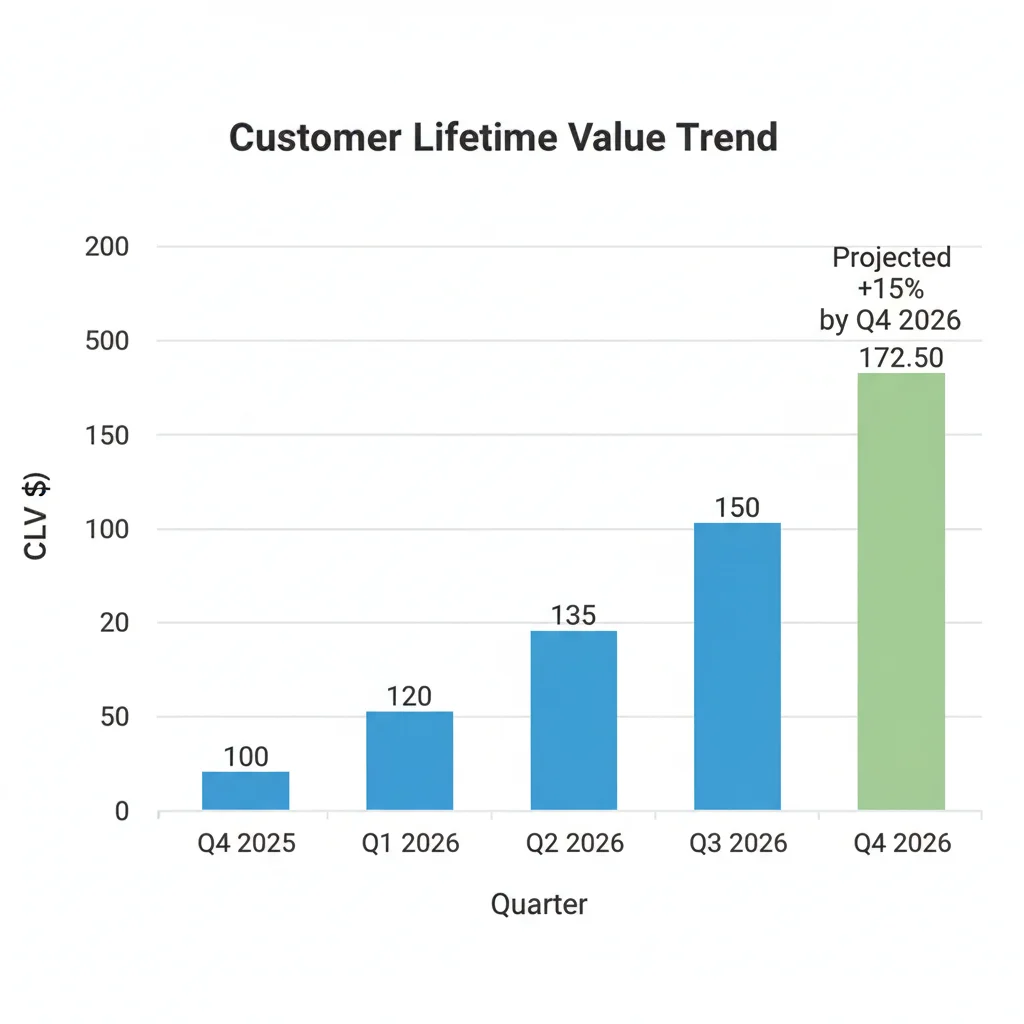
In today’s fiercely competitive market, customer acquisition costs are soaring, making customer retention more critical than ever. Businesses that prioritize nurturing existing relationships not only save money but also build a powerful foundation for sustainable growth. This is where well-designed customer loyalty programs come into play. A robust loyalty program is not just about offering discounts; it’s about creating an ecosystem of value that encourages repeat purchases, fosters brand advocacy, and ultimately drives a higher Customer Lifetime Value (CLV). Our ambitious yet achievable goal for businesses in the US is to achieve a 15% higher Customer Lifetime Value by Q4 2026 through the strategic implementation and optimization of such programs.
Understanding the nuances of customer behavior and tailoring experiences to meet evolving expectations are paramount. This comprehensive guide will delve into the core principles, strategic components, and best practices for building and scaling customer loyalty programs that resonate with your target audience and deliver measurable results. We’ll explore how to move beyond transactional relationships to forge genuine connections that stand the test of time, transforming casual buyers into ardent brand champions.
The Imperative of Customer Loyalty in Today’s Economy
The digital age has ushered in an era of unprecedented consumer choice. With a few clicks, customers can compare prices, read reviews, and switch brands. This fluidity makes customer loyalty a precious commodity. Studies consistently show that acquiring a new customer can cost five to 25 times more than retaining an existing one. Furthermore, loyal customers tend to spend more over time, are less price-sensitive, and act as powerful advocates for your brand, spreading positive word-of-mouth.
A 15% increase in CLV by Q4 2026 is an ambitious target, but one that is well within reach for companies committed to understanding and investing in their customer relationships. This isn’t merely about tweaking an existing program; it often requires a fundamental shift in how businesses view and interact with their customer base. It demands a data-driven approach, personalized engagement, and a continuous cycle of feedback and improvement. The payoff, however, is substantial: increased revenue, improved brand equity, and a more resilient business model.
Defining Customer Lifetime Value (CLV) and Its Significance
Customer Lifetime Value (CLV) is a metric that represents the total revenue a business can reasonably expect from a single customer account throughout their relationship with the company. It’s a forward-looking metric that helps businesses understand the long-term worth of their customers. A higher CLV indicates more profitable customer relationships and is a direct result of successful retention strategies, including effective customer loyalty programs.
Calculating CLV involves several factors, including average purchase value, purchase frequency, and customer lifespan. By focusing on increasing these variables, businesses can directly impact their CLV. For instance, a loyalty program that encourages higher purchase frequency or extends the customer’s active period with the brand will naturally lead to a higher CLV. Understanding and tracking CLV is crucial because it informs strategic decisions about marketing spend, product development, and customer service initiatives. It shifts the focus from short-term transactional gains to long-term relationship building.
Strategic Pillars for Building Effective Customer Loyalty Programs
Building effective customer loyalty programs requires a strategic approach, moving beyond simple points-based systems to create truly engaging and valuable experiences. Here are the key pillars:
1. Deep Customer Understanding and Segmentation
The foundation of any successful loyalty program is a profound understanding of your customers. Who are they? What are their needs, preferences, and pain points? What motivates them to purchase and remain loyal? This requires robust data collection and analysis. Utilize CRM systems, purchase history, website analytics, social media insights, and direct feedback to build detailed customer profiles.
Once you have this data, segment your audience. Not all customers are the same, and a one-size-fits-all loyalty program will likely fall flat. Segment customers based on purchasing behavior (e.g., frequent buyers, high-value customers, new customers), demographics, psychographics, and engagement levels. This segmentation allows you to tailor loyalty offers, communications, and experiences, making them far more relevant and impactful. For instance, a high-value customer might appreciate exclusive access to new products, while a frequent buyer might prefer tiered rewards that unlock greater benefits over time.
2. Designing a Compelling Value Proposition
What makes your loyalty program truly desirable? The value proposition must extend beyond mere discounts. While monetary incentives are important, they are often not enough to foster deep loyalty. Consider offering:
- Experiential Rewards: Exclusive events, early access to sales, personalized recommendations, or unique brand experiences.
- Status and Recognition: Tiered programs (e.g., Silver, Gold, Platinum) that offer increasing benefits and a sense of belonging or elite status.
- Convenience and Service: Expedited shipping, dedicated customer support, or hassle-free returns.
- Community Building: Forums, online groups, or events where loyal customers can connect with each other and the brand.
- Personalization: Tailored offers, content, and product recommendations based on individual preferences and purchase history.
The key is to create a value exchange that feels genuinely rewarding and aligns with your brand’s identity and your customers’ aspirations. A strong value proposition makes your customer loyalty programs feel like an exclusive club, not just another discount scheme.
3. Seamless Integration and User Experience
Even the most generous loyalty program will fail if it’s difficult to understand or use. The user experience (UX) must be seamless across all touchpoints – online, in-store, and via mobile. This means:
- Easy Enrollment: Simple sign-up processes with minimal friction.
- Clear Communication: Transparent explanation of how the program works, how to earn points/rewards, and how to redeem them.
- Accessible Tracking: Customers should easily be able to view their points balance, reward status, and available benefits through a dedicated portal, app, or email updates.
- Effortless Redemption: Rewards should be easy to redeem, whether online or in-store, without complicated steps or hidden conditions.
Leverage technology to automate processes and provide a personalized, frictionless experience. Mobile apps, integrated POS systems, and CRM platforms are invaluable tools for managing and enhancing your customer loyalty programs.
Innovative Approaches to Boost CLV Through Loyalty
To truly achieve a 15% higher CLV by Q4 2026, businesses must look beyond traditional models and embrace innovative strategies:
Gamification and Engagement
Gamification involves applying game-design elements and game principles in non-game contexts. In the realm of customer loyalty programs, this can manifest as:
- Points, Badges, and Leaderboards: Awarding points for various actions (not just purchases), offering digital badges for milestones, and displaying leaderboards to foster healthy competition.
- Challenges and Quests: Creating mini-challenges that encourage specific behaviors, such as trying a new product, referring a friend, or engaging with social media content.
- Surprise and Delight: Unexpected rewards or bonus points that create moments of joy and reinforce positive feelings towards the brand.
Gamification taps into psychological drivers like achievement, recognition, and competition, making the loyalty experience more enjoyable and addictive.
Personalization at Scale
Generic loyalty programs are becoming obsolete. Modern customers expect personalized experiences. Advanced analytics and AI can enable personalization at scale:
- Dynamic Reward Offers: Presenting rewards based on individual purchase history, browsing behavior, and stated preferences.
- Tailored Communications: Sending personalized emails, SMS, or in-app notifications that are relevant to each customer’s stage in their journey.
- Product Recommendations: Suggesting products or services that align with past purchases and predictive analytics.
Personalization makes customers feel understood and valued, significantly enhancing the perceived value of your customer loyalty programs.
Community and Advocacy Programs
Loyal customers are often your biggest advocates. Empower them to spread the word and create a sense of community:
- Referral Programs: Reward both the referrer and the referred customer, incentivizing word-of-mouth marketing.
- User-Generated Content (UGC) Incentives: Encourage customers to share their experiences on social media, review products, or participate in brand campaigns by offering loyalty points or exclusive perks.
- Exclusive Communities: Create private groups or forums where top-tier loyalty members can connect, share feedback, and get direct access to brand representatives.
These programs not only boost CLV by encouraging repeat purchases but also drive new customer acquisition through authentic recommendations.
Measuring Success and Continuous Optimization
Launching a loyalty program is just the beginning. To achieve the 15% CLV increase, continuous monitoring, analysis, and optimization are essential. Define clear KPIs (Key Performance Indicators) from the outset:
- Customer Lifetime Value (CLV): Track this metric diligently.
- Retention Rate: The percentage of customers who continue to purchase over a given period.
- Churn Rate: The percentage of customers who stop purchasing.
- Purchase Frequency: How often customers make purchases.
- Average Order Value (AOV): The average amount spent per transaction.
- Engagement Rate: How actively customers interact with the loyalty program (e.g., opening emails, redeeming rewards).
- Referral Rate: The number of new customers acquired through referrals from existing loyalty members.
- Program ROI: The financial return on investment of your loyalty program.
Regularly analyze these metrics to identify what’s working and what isn’t. Conduct A/B testing on different reward structures, communication channels, and personalization strategies. Gather feedback directly from loyalty members through surveys and focus groups. Use these insights to iterate and refine your customer loyalty programs, ensuring they remain relevant, valuable, and effective.
Common Pitfalls to Avoid in Loyalty Program Design
While the benefits of customer loyalty programs are clear, several common mistakes can undermine their effectiveness:
- Overly Complex Rules: If customers can’t easily understand how to earn and redeem rewards, they’ll disengage. Keep rules simple and transparent.
- Irrelevant Rewards: Offering rewards that don’t appeal to your target audience is a waste of resources. Ensure your rewards align with customer preferences.
- Lack of Personalization: A generic program feels impersonal and fails to create a strong connection. Invest in personalization.
- Infrequent Communication: Don’t just set it and forget it. Regularly communicate with members about their status, new rewards, and exclusive offers.
- Poor Integration: If the loyalty program isn’t seamlessly integrated with your existing systems (POS, e-commerce, CRM), it will create friction for both customers and staff.
- Ignoring Feedback: Failing to listen to customer feedback means missing opportunities to improve and evolve your program.
- Focusing Only on Discounts: While discounts have their place, relying solely on them can devalue your brand and attract only price-sensitive customers, not truly loyal ones.
Avoiding these pitfalls is as crucial as implementing best practices. A well-executed program requires attention to detail and a customer-centric mindset at every stage.
Case Studies and Real-World Examples
Many companies have successfully leveraged customer loyalty programs to dramatically increase CLV and build powerful brands. While specific CLV percentage increases are often proprietary, the impact of these programs is undeniable:
- Starbucks Rewards: A prime example of gamification and mobile integration. Customers earn stars for purchases, which can be redeemed for free drinks and food. The mobile app makes ordering, paying, and tracking rewards incredibly easy, fostering high engagement and repeat visits. Their personalized offers further enhance the experience.
- Sephora Beauty Insider: This tiered program offers points for every dollar spent, leading to exclusive access to products, beauty classes, and personalized recommendations. The higher tiers (VIB and Rouge) provide even more lavish perks, creating a sense of exclusivity and aspiration.
- Amazon Prime: While a subscription service, it functions as a powerful loyalty program offering a bundle of benefits like free shipping, streaming services, and exclusive deals. The perceived value of these combined perks encourages members to consolidate their shopping with Amazon, significantly increasing their CLV.
- Nordstrom Nordy Club: This program focuses on experiential rewards and personalized service, offering benefits like early access to sales, in-store alterations, and personal stylists. It appeals to customers who value service and experience over purely transactional discounts.
These examples highlight the diversity of successful loyalty strategies and underscore the importance of aligning the program with the brand’s core values and customer expectations. They demonstrate that customer loyalty programs, when done right, become integral to the customer experience and a powerful driver of business growth.
Implementing Your Loyalty Program: A Step-by-Step Guide
To achieve your goal of a 15% higher CLV by Q4 2026, here’s a practical roadmap for implementing or revamping your customer loyalty programs:
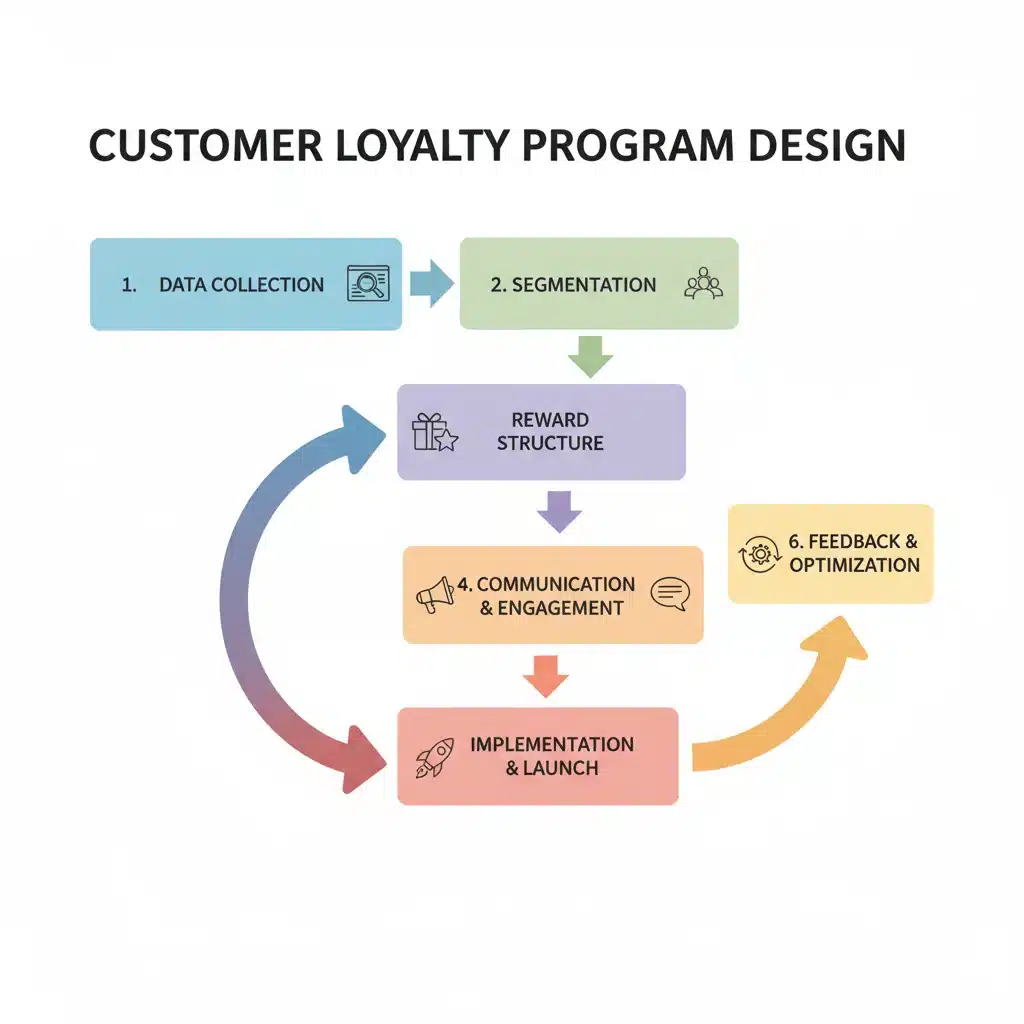
Step 1: Define Your Objectives and KPIs
Before designing anything, clearly articulate what you want to achieve. Is it increased purchase frequency, higher average order value, better customer retention, or more referrals? Set specific, measurable, achievable, relevant, and time-bound (SMART) goals. For our purpose, the primary objective is a 15% increase in CLV by Q4 2026, with supporting KPIs like retention rate, purchase frequency, and engagement.
Step 2: Understand Your Customers
Conduct thorough market research, analyze existing customer data, and create detailed buyer personas. Understand their motivations, pain points, and what they truly value. This will inform the types of rewards and experiences your loyalty program should offer.
Step 3: Choose Your Loyalty Program Model
There are various models for customer loyalty programs:
- Points Programs: Customers earn points for purchases, which can be redeemed for rewards. Simple and widely understood.
- Tiered Programs: Customers unlock higher tiers with increasing benefits as they spend more or engage more. Fosters aspiration.
- Paid Programs (Subscription): Customers pay a fee for exclusive benefits (e.g., Amazon Prime). Creates a strong commitment.
- Value-Based Programs: Connects customer purchases to a cause or charity, appealing to their values.
- Gamified Programs: Incorporates game-like elements to increase engagement.
Select the model that best fits your business, brand, and customer base.
Step 4: Design Your Reward Structure
Based on your customer understanding and chosen model, determine what rewards you will offer. Ensure they are desirable, attainable, and align with your brand. Balance monetary rewards with experiential and status-based perks. Clearly define how points are earned, how they expire (if at all), and how they can be redeemed.
Step 5: Select the Right Technology Platform
A robust loyalty platform is crucial for managing your program efficiently. Look for solutions that offer:
- Seamless integration with your existing POS, e-commerce, and CRM systems.
- Personalization capabilities.
- Analytics and reporting tools.
- Scalability to grow with your business.
- Omnichannel support (online, mobile, in-store).
Step 6: Develop a Communication Strategy
How will you inform customers about your program, encourage enrollment, and keep them engaged? Plan for:
- Launch Communications: Announce the program across all channels.
- Onboarding: Welcome new members and explain how to get started.
- Ongoing Engagement: Regular updates on points, new rewards, exclusive offers, and personalized content.
- Re-engagement: Strategies to win back dormant members.
Step 7: Train Your Team
Your employees are on the front lines of customer interaction. Ensure they understand the loyalty program inside and out, can answer customer questions, and are enthusiastic about promoting it. Their knowledge and enthusiasm can significantly impact customer adoption and satisfaction.
Step 8: Launch, Monitor, and Optimize
After a thorough internal test, soft launch your program. Gather initial feedback, then roll it out fully. Continuously monitor your KPIs, collect customer feedback, and be prepared to make adjustments. The loyalty landscape is dynamic, so your program should evolve with your customers and market trends. Regular analysis will reveal opportunities for refinement, ensuring your customer loyalty programs remain fresh and effective.
The Future of Customer Loyalty Programs
Looking ahead, customer loyalty programs will continue to evolve, driven by technological advancements and changing consumer expectations. We can anticipate greater integration of AI and machine learning for hyper-personalization, predictive analytics to anticipate customer needs, and even more sophisticated gamification techniques. Blockchain technology might also play a role in creating secure, transparent, and transferable loyalty points.
Furthermore, there will be an increased focus on ethical loyalty, where brands align their programs with social and environmental causes, appealing to a generation of conscious consumers. The future of loyalty is not just about transactions; it’s about building a holistic relationship that encompasses values, experiences, and personalized interactions across every touchpoint.
Conclusion: A Path to 15% Higher CLV
Achieving a 15% higher Customer Lifetime Value in the US by Q4 2026 through robust customer loyalty programs is an ambitious but entirely attainable goal. It requires a strategic, customer-centric approach that moves beyond traditional discount schemes to create genuine value and foster deep engagement. By understanding your customers, designing compelling value propositions, ensuring a seamless user experience, embracing innovative approaches like gamification and hyper-personalization, and committing to continuous measurement and optimization, businesses can transform their customer relationships.
Investing in customer loyalty is not merely a cost; it’s an investment in the long-term health and profitability of your business. Loyal customers are your most valuable asset, driving repeat purchases, providing invaluable feedback, and acting as powerful brand ambassadors. By meticulously planning, executing, and refining your loyalty initiatives, you can unlock significant growth and build a resilient brand that thrives in any market condition.