Subscription Model Mastery: Boost Customer Lifetime Value by 25% by 2026

In the rapidly evolving landscape of modern commerce, businesses are constantly seeking innovative strategies to foster sustained growth and cultivate enduring customer relationships. Among these, the subscription model has emerged as a transformative force, fundamentally reshaping how consumers interact with products and services. For U.S. brands, embracing Subscription Model Mastery is not merely a trend; it’s a strategic imperative aimed at achieving ambitious targets, such as a projected 25% increase in Customer Lifetime Value (CLV) by 2026.
The shift from transactional to relational business models signifies a profound change in market dynamics. Consumers today value convenience, personalization, and continuous access over one-time purchases. This preference has fueled the explosive growth of the subscription economy, compelling brands across diverse sectors – from media and software to food and fashion – to re-evaluate their operational frameworks and customer engagement strategies. This comprehensive guide delves into the essence of Subscription Model Mastery, exploring its core principles, strategic advantages, implementation challenges, and the actionable steps U.S. brands can take to realize significant CLV improvements.
Understanding the nuances of the subscription model is the first step towards mastery. It’s not just about charging a recurring fee; it’s about delivering consistent value, fostering loyalty, and building a community around your brand. The ultimate goal is to transform customers into long-term subscribers, thereby securing predictable revenue streams and enhancing overall business stability. This article will provide a roadmap for navigating this complex yet rewarding journey, offering insights that are both theoretical and practical for U.S. brands aspiring to lead in the subscription economy.
The Core Principles of Subscription Model Mastery
Achieving Subscription Model Mastery requires a deep understanding and meticulous application of several core principles. These principles form the bedrock upon which successful subscription businesses are built, driving customer satisfaction, retention, and ultimately, a higher CLV.
Value Proposition Reinforcement
At the heart of any successful subscription model is a compelling and continuously reinforced value proposition. Unlike one-off purchases where the value is delivered and consumed, subscriptions demand ongoing justification. Brands must consistently demonstrate the unique benefits their subscription offers, whether it’s exclusive content, unparalleled convenience, cost savings, or a sense of community. This requires a dynamic approach to product development and service delivery, ensuring that the offering evolves to meet changing customer needs and market expectations. For U.S. brands, this means conducting regular market research, gathering subscriber feedback, and iterating on their offerings to keep them fresh and relevant.
Customer-Centricity and Personalization
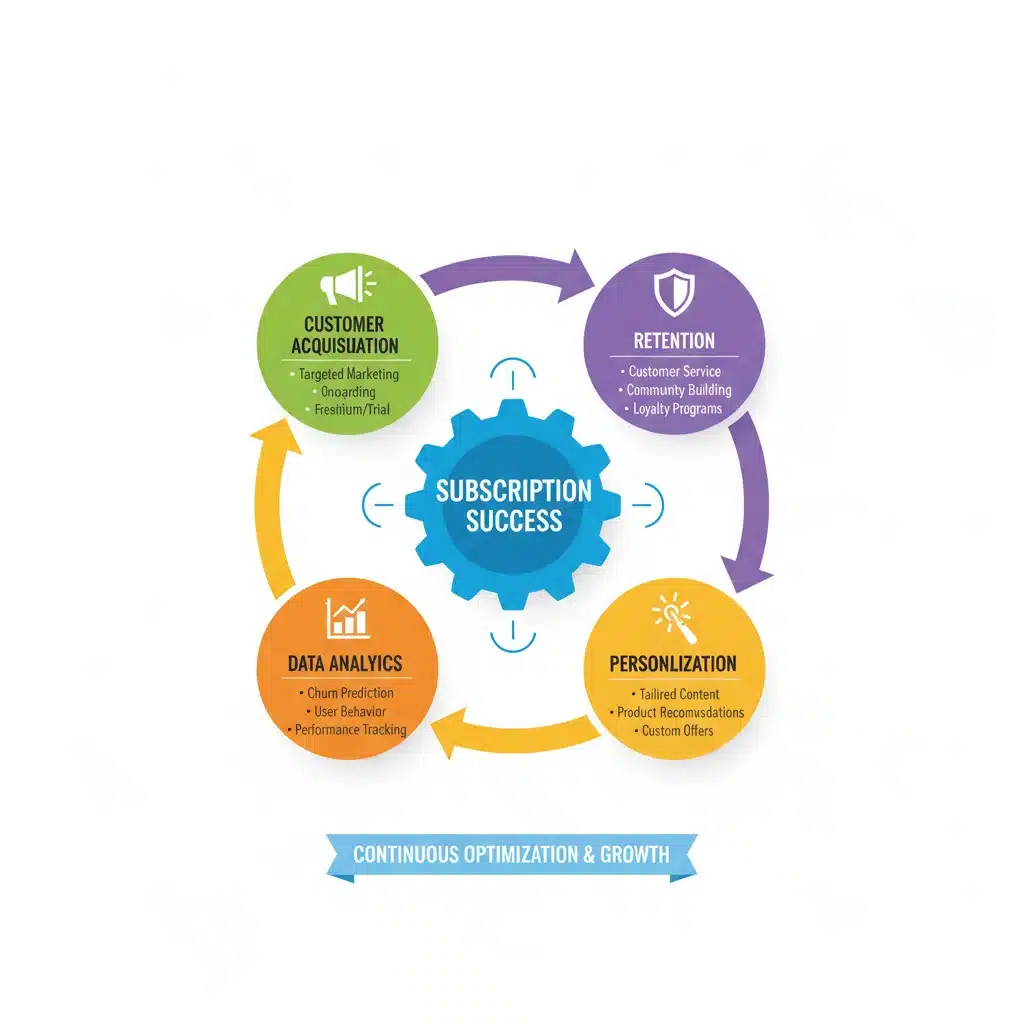
In the subscription economy, the customer is king. A truly masterful subscription model places the customer at the center of every decision. This involves understanding individual preferences, anticipating needs, and delivering highly personalized experiences. Personalization can manifest in various forms: customized product recommendations, tailored content, flexible subscription tiers, or even personalized customer service interactions. Leveraging data analytics to gain insights into subscriber behavior is crucial for this. By making customers feel understood and valued, brands can significantly enhance engagement and reduce churn, directly contributing to Subscription Model Mastery.
Seamless Onboarding and User Experience
The initial experience a new subscriber has with your service can make or break their long-term commitment. A seamless, intuitive, and delightful onboarding process is paramount. This includes clear communication of benefits, easy setup, and immediate access to value. Beyond onboarding, the overall user experience (UX) must be consistently excellent. This encompasses everything from the ease of managing a subscription to the quality of the product or service itself. Any friction points can lead to frustration and eventual cancellation. U.S. brands must invest in robust technological infrastructure and user-centric design to ensure a superior UX, which is a key component of Subscription Model Mastery.
Flexible Pricing and Tiering Strategies
One size rarely fits all in the subscription world. Offering flexible pricing models and tiered subscription options allows brands to cater to a wider range of customer segments and their varying needs and budgets. This could include free trials, freemium models, basic, premium, and enterprise tiers, or even pay-as-you-go options. The key is to provide choices that align with perceived value and allow customers to scale their subscription up or down as their needs change. Strategic pricing is a powerful lever for customer acquisition and retention, making it an indispensable element of Subscription Model Mastery.
Proactive Churn Management
Churn, or the rate at which customers cancel their subscriptions, is the nemesis of any subscription business. Effective Subscription Model Mastery involves proactive and sophisticated churn management strategies. This includes identifying at-risk subscribers through behavioral analytics, offering incentives to stay, addressing pain points, and providing exceptional customer support. Re-engagement campaigns, win-back offers, and even exit surveys to understand cancellation reasons are all vital tools in minimizing churn and maximizing CLV. For U.S. brands, a dedicated focus on churn reduction can significantly impact their bottom line.
The Strategic Advantages for U.S. Brands
The adoption of Subscription Model Mastery offers U.S. brands a multitude of strategic advantages that extend beyond just predictable revenue. These benefits are instrumental in achieving the ambitious goal of a 25% increase in CLV by 2026.
Predictable Revenue Streams
Perhaps the most immediate and tangible benefit of subscriptions is the creation of predictable, recurring revenue streams. This financial stability allows businesses to forecast more accurately, invest confidently in product development, and plan for long-term growth. Unlike transactional models that are subject to seasonal fluctuations and market volatility, subscriptions provide a more consistent cash flow, empowering U.S. brands to make strategic decisions with greater certainty.
Enhanced Customer Lifetime Value (CLV)
The primary objective for many U.S. brands in adopting subscriptions is to boost CLV. By fostering long-term relationships, brands can extract more value from each customer over their entire engagement period. This isn’t just about recurring payments; it’s about the potential for upsells, cross-sells, and referrals that loyal subscribers bring. A higher CLV means that the cost of acquiring a customer is amortized over a longer period, leading to better profitability and a more sustainable business model. This direct correlation makes Subscription Model Mastery a cornerstone for CLV enhancement.
Deeper Customer Relationships and Insights
Subscriptions naturally lead to more frequent interactions with customers, providing invaluable opportunities to build deeper relationships. Each interaction, whether it’s through service usage, customer support, or feedback, generates data. This rich trove of data offers profound insights into customer preferences, behaviors, and pain points. U.S. brands can leverage these insights to refine their offerings, personalize experiences, and create more resonant marketing campaigns, further solidifying their Subscription Model Mastery.
Reduced Customer Acquisition Costs (CAC) in the Long Run
While initial customer acquisition costs can be high, a successful subscription model often leads to a lower CAC over time. Satisfied, long-term subscribers become advocates for the brand, driving organic growth through word-of-mouth referrals. The focus shifts from constantly acquiring new customers to nurturing existing ones, which is generally more cost-effective. Furthermore, the data gathered from subscribers can be used to optimize acquisition strategies, targeting the most promising customer segments more efficiently.
Competitive Differentiation
In crowded markets, offering a subscription service can be a powerful differentiator. It allows brands to stand out by providing ongoing value, convenience, and a unique customer experience that competitors offering only transactional sales might not be able to match. This competitive edge is crucial for U.S. brands looking to capture market share and establish themselves as leaders in their respective industries through Subscription Model Mastery.
Implementing Subscription Model Mastery: A Step-by-Step Guide
Translating the principles of Subscription Model Mastery into actionable strategies requires a structured approach. U.S. brands can follow these steps to effectively implement and optimize their subscription models.
1. Define Your Value Proposition Clearly
Before launching or refining a subscription, articulate precisely what unique value it offers. What problem does it solve? What convenience does it provide? What exclusive benefits do subscribers receive? This clarity will guide all subsequent decisions, from pricing to marketing. For U.S. brands, this involves a thorough analysis of their target market and competitive landscape.
2. Choose the Right Subscription Model
There isn’t a one-size-fits-all subscription model. Options include:
- Curation: Regularly delivered curated products (e.g., beauty boxes).
- Access: Unlimited access to content or services (e.g., streaming, software).
- Replenishment: Automatic delivery of consumables (e.g., razor blades, coffee).
- Community: Access to exclusive groups or content (e.g., online courses, premium forums).
Select the model that best aligns with your product, customer needs, and business goals. This choice is fundamental to achieving Subscription Model Mastery.
3. Develop a Robust Technology Stack
A successful subscription business relies heavily on technology. This includes a robust subscription management platform, payment gateways, CRM systems, and analytics tools. The technology stack must be scalable, secure, and capable of handling recurring billing, customer data, and personalized communications. Investing in the right tools is critical for operational efficiency and a seamless customer experience.
4. Implement Dynamic Pricing and Tiering
As discussed, offering flexible pricing and tiered options is vital. Conduct market research to understand price sensitivity and perceived value for different segments. Experiment with different pricing strategies, such as introductory offers, annual discounts, and add-ons, to optimize revenue and attract a broader customer base. This iterative process is key to Subscription Model Mastery.
5. Focus on Customer Onboarding and Engagement
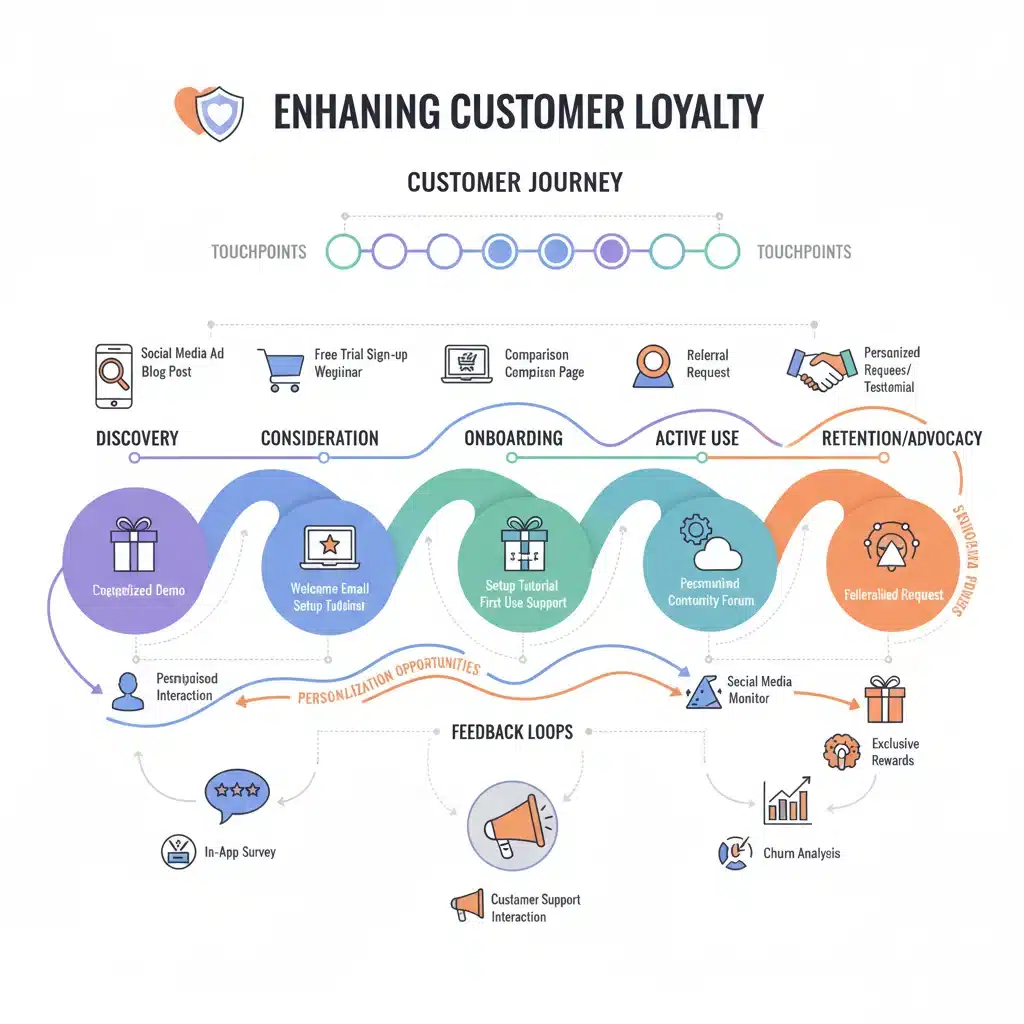
Design an onboarding process that quickly demonstrates value and guides new subscribers through the initial setup. Post-onboarding, maintain continuous engagement through personalized communication, exclusive content, and responsive customer support. Encourage feedback and actively use it to improve the service. A highly engaged subscriber is a loyal subscriber.
6. Master Data Analytics and Personalization
Data is the fuel for Subscription Model Mastery. Collect and analyze data on subscriber behavior, preferences, and churn indicators. Use these insights to personalize product recommendations, content delivery, and marketing messages. Predictive analytics can help identify at-risk customers, allowing for proactive intervention to prevent churn. This data-driven approach is non-negotiable for U.S. brands aiming for significant CLV growth.
7. Develop a Comprehensive Churn Prevention Strategy
Beyond identifying at-risk customers, implement specific strategies to retain them. This could include targeted promotions, personalized outreach, or even offering a temporary pause in subscription rather than outright cancellation. Analyze churn reasons to address systemic issues and continuously refine your retention efforts. Remember, retaining an existing customer is often more cost-effective than acquiring a new one.
8. Continuously Innovate and Evolve
The subscription landscape is dynamic. To maintain Subscription Model Mastery, brands must continuously innovate their offerings, explore new features, and adapt to changing customer expectations. Regularly review competitor strategies, emerging technologies, and market trends to stay ahead of the curve. Stagnation is the enemy of subscription growth.
Challenges and How to Overcome Them
While the benefits of Subscription Model Mastery are compelling, U.S. brands will inevitably encounter challenges. Recognizing and addressing these proactively is crucial for success.
Challenge 1: Subscriber Acquisition Costs
Initially, acquiring subscribers can be expensive, especially in competitive markets. Brands need to invest in targeted marketing and compelling introductory offers. The solution lies in optimizing marketing channels, leveraging data for precise targeting, and focusing on the long-term CLV to justify initial CAC. Building a strong brand reputation and encouraging referrals can also significantly reduce acquisition costs over time.
Challenge 2: Managing Churn Effectively
As mentioned, churn is a constant threat. High churn rates can quickly erode profitability. Overcoming this requires a multi-faceted approach: continuously delivering value, offering exceptional customer service, personalizing experiences, and implementing sophisticated churn prediction and prevention strategies. Regular A/B testing of retention tactics can also provide valuable insights.
Challenge 3: Scaling Operations and Technology
As a subscription business grows, managing a larger subscriber base, complex billing, and diverse service demands can become challenging. Scalable technology platforms and robust operational processes are essential. Investing in cloud-based solutions, automation, and dedicated customer support teams can help manage this growth efficiently without compromising service quality, thus reinforcing Subscription Model Mastery.
Challenge 4: Data Overload and Actionable Insights
The sheer volume of data generated by subscribers can be overwhelming. The challenge is not just collecting data but transforming it into actionable insights. This requires skilled data analysts, advanced analytics tools, and a clear strategy for how data will inform business decisions. Without this, data remains just raw information, failing to contribute to Subscription Model Mastery.
Challenge 5: Maintaining Value and Preventing Subscription Fatigue
Consumers can experience ‘subscription fatigue’ if they feel overwhelmed by too many subscriptions or perceive a decline in value. Brands must continuously innovate, refresh their offerings, and clearly communicate the ongoing benefits to prevent this. Regular re-evaluation of the value proposition and actively seeking customer feedback are vital for sustained engagement.
The Future of Subscription Model Mastery for U.S. Brands
Looking ahead to 2026 and beyond, the subscription economy is poised for continued expansion and evolution. U.S. brands that achieve Subscription Model Mastery will be those that anticipate and adapt to these future trends.
Hyper-Personalization and AI
The role of artificial intelligence (AI) in driving hyper-personalization will become even more pronounced. AI will enable brands to predict customer needs with greater accuracy, automate personalized recommendations, and even tailor dynamic pricing in real-time. This level of personalization will be a key differentiator in retaining subscribers and maximizing CLV.
Sustainability and Ethical Consumption
Consumers are increasingly conscious of the environmental and social impact of their purchases. Subscription models that integrate sustainability, ethical sourcing, and transparent practices will resonate more deeply with subscribers. Brands that align their values with those of their customers will build stronger, more loyal communities, which is a hallmark of true Subscription Model Mastery.
Bundling and Ecosystems
We will likely see more brands forming partnerships and offering bundled subscriptions to create comprehensive ecosystems of services. This can increase perceived value, simplify customer choices, and reduce churn by making it harder for subscribers to leave a multi-faceted offering. For U.S. brands, strategic alliances will be crucial for expanding their reach and deepening their value proposition.
Experience-Driven Subscriptions
Beyond products and content, subscriptions will increasingly focus on delivering unique experiences. This could involve exclusive access to events, personalized coaching, or interactive digital experiences. The emphasis will shift from ‘what you get’ to ‘what you experience,’ offering new avenues for engagement and loyalty within Subscription Model Mastery.
Flexible Ownership Models
The line between ownership and access will continue to blur. Subscription models might evolve to include options for upgrading, leasing, or even partial ownership of products, offering consumers greater flexibility and choice. This innovative approach to consumption will open new markets and customer segments for U.S. brands.
Conclusion: Embracing Subscription Model Mastery for a Prosperous Future
The journey towards achieving a 25% increase in Customer Lifetime Value by 2026 for U.S. brands is intricately linked to their ability to master the subscription model. This involves a commitment to customer-centricity, continuous value delivery, technological innovation, and proactive churn management. Subscription Model Mastery is not a destination but an ongoing process of learning, adapting, and evolving.
By embracing the core principles outlined in this guide – reinforcing value, prioritizing personalization, ensuring seamless experiences, adopting flexible pricing, and managing churn effectively – U.S. brands can unlock unprecedented growth and build resilient, future-proof businesses. The strategic advantages, from predictable revenue to deeper customer insights, provide a compelling case for this transformation.
The future of commerce is undoubtedly relational, and the subscription model stands at the forefront of this shift. Brands that invest in Subscription Model Mastery today will not only meet their CLV targets but also forge stronger, more meaningful connections with their customers, securing their place as leaders in the dynamic and ever-expanding subscription economy. The time for U.S. brands to act is now, transforming their business models to thrive in the years to come.