Omnichannel Excellence 2026: US Retailers’ 20% ROI from Unified Customer Journeys
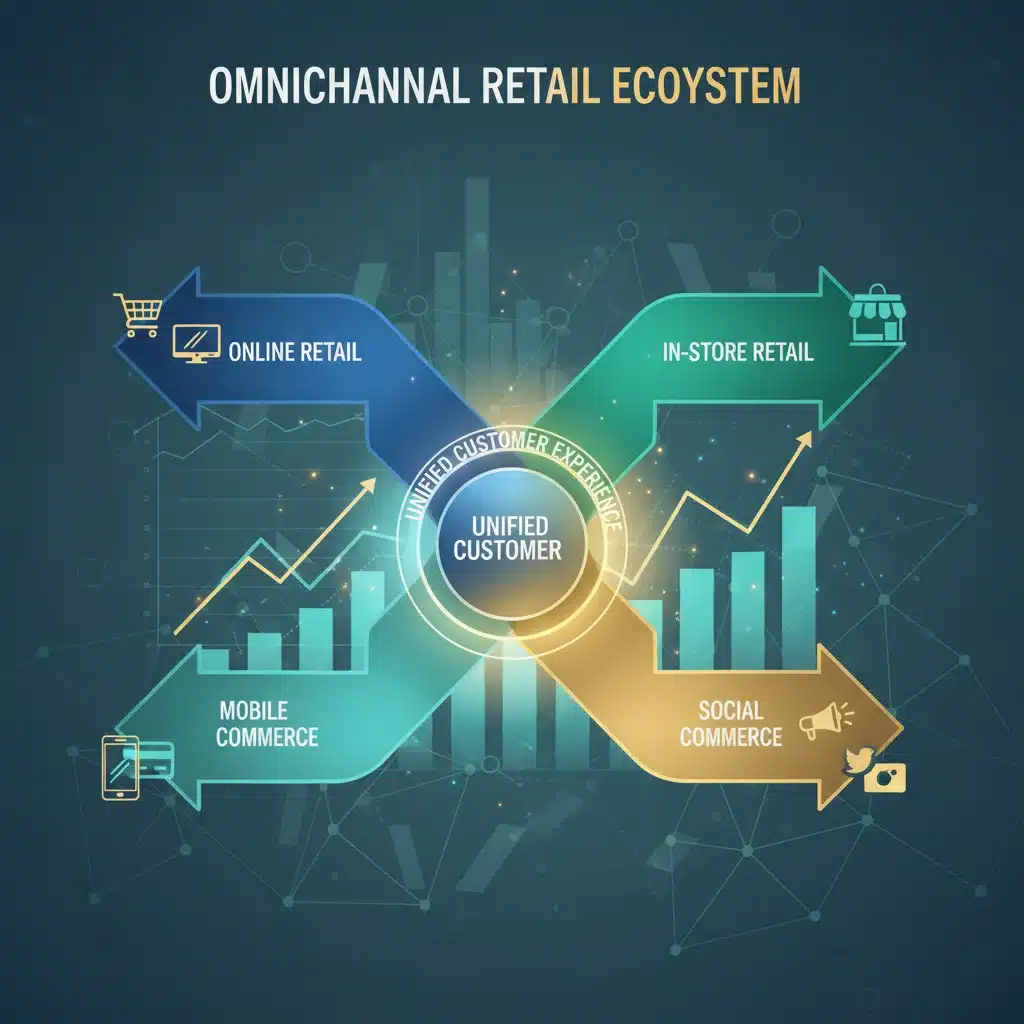
The retail landscape is in a constant state of flux, driven by evolving consumer expectations and rapid technological advancements. In this dynamic environment, the concept of a seamless customer experience has transitioned from a desirable feature to an absolute necessity. For US retailers, the horizon of 2026 presents a significant opportunity: achieving a remarkable 20% Return on Investment (ROI) through omnichannel excellence and truly unified customer journeys. This isn’t merely an optimistic prediction; it’s a strategic imperative backed by data and the transformative power of integrated retail operations. The journey towards this ambitious goal requires a deep understanding of what omnichannel truly entails, its profound impact on customer behavior, and the precise steps needed for successful implementation.
At its core, omnichannel retail ROI isn’t just about being present on multiple channels; it’s about making those channels work together in a harmonious symphony, where the customer is always the conductor. It’s about breaking down silos between online, offline, mobile, and social touchpoints, ensuring that every interaction contributes to a single, coherent, and personalized customer narrative. This holistic approach not only enhances customer satisfaction but also drives measurable business outcomes, including increased sales, improved operational efficiency, and stronger brand loyalty.
This comprehensive guide will delve into the intricacies of achieving this 20% ROI by 2026. We will explore the foundational principles of omnichannel, examine the key drivers of its success, and provide actionable strategies for US retailers to embark on or accelerate their omnichannel transformation. From leveraging data analytics to fostering a customer-centric culture, we’ll cover the essential elements that pave the way for significant financial returns and a competitive edge in the market.
Understanding Omnichannel Excellence: More Than Just Multichannel
Before we dissect the path to a 20% ROI, it’s crucial to distinguish omnichannel from its often-confused cousin, multichannel. While both involve interacting with customers across various touchpoints, their philosophies and execution differ significantly.
Multichannel vs. Omnichannel: The Critical Difference
- Multichannel: In a multichannel approach, a retailer uses several independent channels (e.g., a physical store, an e-commerce website, a mobile app). Each channel operates largely in isolation, with its own inventory, customer data, and sometimes even pricing. The customer might experience disjointed interactions, having to repeat information or finding different product availability across channels.
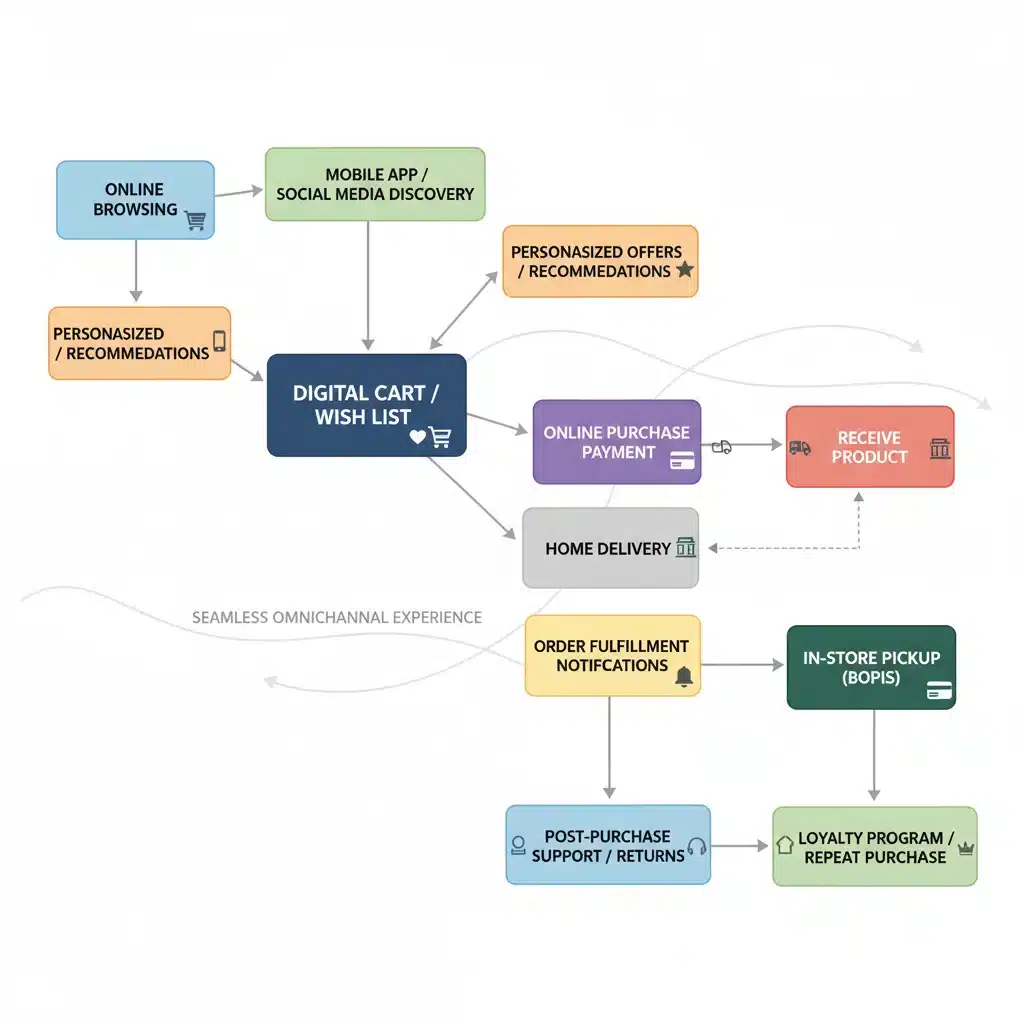
- Omnichannel: Omnichannel, on the other hand, is customer-centric. It unifies all channels to provide a cohesive and consistent brand experience. Customer data, purchase history, preferences, and inventory are shared across all touchpoints. This means a customer can start browsing on their phone, add items to a cart, pick them up in-store, and receive post-purchase support via email, all within a single, continuous journey. The experience is seamless, personalized, and frictionless.
The distinction is pivotal for realizing a strong omnichannel retail ROI. Multichannel might offer reach, but omnichannel delivers true customer engagement and loyalty by eliminating friction and anticipating needs. It’s this seamlessness that translates directly into higher conversion rates, increased customer lifetime value (CLTV), and ultimately, a healthier bottom line.
The Pillars of Omnichannel Excellence
Achieving omnichannel excellence rests on several key pillars:
- Unified Customer Data: A single, comprehensive view of every customer, accessible across all channels. This includes purchase history, browsing behavior, preferences, and interactions.
- Consistent Brand Experience: Uniform messaging, branding, and service quality across all touchpoints, whether online, in-store, or via customer service.
- Seamless Transitions: The ability for a customer to move effortlessly between channels without interruption or loss of context.
- Integrated Inventory Management: Real-time inventory visibility across all stores and warehouses, enabling services like buy online, pick up in-store (BOPIS) or ship from store.
- Personalized Interactions: Leveraging data to offer relevant product recommendations, promotions, and communications tailored to individual customer needs.
- Empowered Employees: Equipping staff with the tools and information necessary to provide consistent and informed service across all channels.
The Compelling Case for a 20% Omnichannel Retail ROI by 2026
Why should US retailers prioritize omnichannel strategies with such urgency? The answer lies in the tangible benefits that directly contribute to a significant ROI. By 2026, the competitive landscape will be even more intense, and retailers who fail to adapt will struggle to maintain market share. Those who embrace omnichannel, however, stand to reap substantial rewards.
Enhanced Customer Experience and Loyalty
A unified customer journey leads to happier customers. When customers feel understood, valued, and can interact with a brand on their terms, their loyalty deepens. Loyal customers are more likely to make repeat purchases, spend more per transaction, and become brand advocates, driving organic growth. This improved customer experience is a direct contributor to the omnichannel retail ROI.
Increased Sales and Conversion Rates
Omnichannel strategies remove barriers to purchase. Features like BOPIS, ship-from-store, and endless aisle capabilities prevent lost sales due to out-of-stock items or inconvenient delivery options. Personalized recommendations based on cross-channel data increase the likelihood of conversion. When customers can easily switch between channels to complete a purchase, sales inevitably climb.
Improved Operational Efficiency
While initial implementation might require investment, omnichannel streamlines operations in the long run. Integrated inventory management reduces waste and optimizes stock levels. Centralized customer data reduces redundancy in customer service and marketing efforts. By understanding customer behavior across all channels, retailers can make more informed decisions about staffing, promotions, and product assortment, driving down costs and boosting efficiency.
Higher Customer Lifetime Value (CLTV)
Loyal customers with seamless experiences tend to have a higher CLTV. They stay with the brand longer, make more frequent purchases, and often have higher average order values. The investment in creating an exceptional omnichannel experience pays dividends over the entire customer relationship, directly impacting the long-term omnichannel retail ROI.
Competitive Advantage
In a crowded market, omnichannel excellence serves as a powerful differentiator. Retailers who can consistently deliver superior, integrated experiences will stand out from competitors who still operate in fragmented silos. This advantage attracts new customers and retains existing ones, solidifying market position.
Strategic Pathways to a 20% ROI: Key Implementation Steps
Achieving a 20% omnichannel retail ROI by 2026 isn’t a pipe dream; it’s an achievable goal with a well-defined strategy. Here are the critical steps US retailers must take:
1. Invest in Robust Technology Infrastructure
The foundation of any successful omnichannel strategy is a robust and integrated technology stack. This includes:
- Customer Relationship Management (CRM) System: A centralized CRM is essential for capturing, managing, and accessing comprehensive customer data across all touchpoints.
- Enterprise Resource Planning (ERP) System: An ERP system integrates core business processes, including inventory, order management, and financials, providing a single source of truth.
- Order Management System (OMS): An OMS is crucial for orchestrating orders across various fulfillment options (e.g., ship from store, warehouse, BOPIS).
- E-commerce Platform: A flexible and scalable e-commerce platform that integrates seamlessly with other systems.
- Data Analytics and AI Tools: Tools that can collect, analyze, and interpret customer data to provide actionable insights for personalization and optimization.
The interoperability of these systems is paramount. Siloed systems will undermine any attempt at creating a unified customer journey. Investing in API-first solutions and cloud-based platforms can facilitate easier integration and scalability.
2. Develop a Single View of the Customer
This is perhaps the most critical component. Without a 360-degree view of each customer, personalization and seamless transitions are impossible. Retailers must consolidate data from all channels – online purchases, in-store visits, mobile app usage, customer service interactions, loyalty program data, and social media engagement – into a single profile. This unified data enables:
- Personalized Marketing: Tailoring promotions and communications based on past behavior and preferences.
- Contextual Customer Service: Empowering service agents with complete customer history to resolve issues efficiently and personally.
- Relevant Product Recommendations: Suggesting products that genuinely align with a customer’s needs and interests.
3. Optimize the Customer Journey Across All Touchpoints
Mapping the customer journey is essential to identify pain points and opportunities for improvement. This involves:
- Consistent Branding and Messaging: Ensuring that the brand voice, visual identity, and core messages are uniform across all channels.
- Seamless Hand-offs: Designing processes that allow customers to effortlessly transition between channels. For example, a customer adding items to a cart online should be able to see those items when they visit a physical store or open the mobile app.
- Multiple Fulfillment Options: Offering flexible options like BOPIS (Buy Online, Pick Up In-Store), BORIS (Buy Online, Return In-Store), ship-from-store, and curbside pickup to cater to diverse customer preferences.
- In-Store Technology Integration: Equipping physical stores with technology like endless aisle kiosks, mobile POS systems, and personalized recommendations based on online profiles.
4. Empower Employees with Training and Tools
Even the most sophisticated technology will fall short without empowered employees. Store associates and customer service representatives are often the front line of the omnichannel experience. They need:
- Comprehensive Training: To understand the omnichannel vision and how each channel supports the overall customer journey.
- Access to Customer Data: Tools that provide real-time access to customer profiles, purchase history, and online activity, allowing them to offer personalized assistance.
- Cross-Channel Inventory Visibility: The ability to check inventory across all locations to fulfill orders or provide accurate information to customers.
5. Leverage Data Analytics for Continuous Improvement
Data is the lifeblood of omnichannel optimization. Retailers must continuously collect, analyze, and act upon data from all touchpoints. This involves:
- Tracking Key Performance Indicators (KPIs): Monitoring metrics like conversion rates per channel, customer acquisition cost (CAC), customer lifetime value (CLTV), average order value (AOV), customer satisfaction (CSAT), and return rates.
- A/B Testing: Experimenting with different approaches to website design, marketing messages, and service offerings to identify what resonates best with customers.
- Predictive Analytics: Using data to forecast demand, personalize recommendations, and proactively address potential customer issues.
Regular analysis of this data will reveal insights into customer behavior, allowing retailers to refine their strategies and further enhance the omnichannel retail ROI.
Overcoming Challenges on the Path to Omnichannel Success
While the benefits are clear, implementing an omnichannel strategy is not without its challenges. US retailers will likely encounter:
Legacy Systems Integration
Many established retailers operate with outdated legacy systems that are difficult to integrate. This often requires significant investment in new technology or middleware solutions.
Organizational Silos
Different departments (e.g., e-commerce, in-store, marketing, customer service) often operate in silos, with separate budgets, goals, and reporting structures. Breaking down these silos requires strong leadership and a cultural shift towards collaboration.
Data Management and Security
Consolidating vast amounts of customer data raises concerns about data privacy, security, and compliance with regulations like CCPA. Robust data governance policies and secure infrastructure are essential.
Employee Training and Adoption
Implementing new systems and processes requires extensive employee training and buy-in. Resistance to change can hinder successful adoption.
Addressing these challenges proactively with a clear vision, phased implementation, and strong change management will be crucial for achieving the projected omnichannel retail ROI.
Measuring the 20% ROI: Key Metrics and Benchmarks
To truly understand if the 20% ROI target is being met, retailers need to establish clear metrics and consistently measure their performance. Beyond traditional sales figures, focus on omnichannel-specific KPIs:
- Cross-Channel Conversion Rate: The percentage of customers who start their journey on one channel and complete a purchase on another.
- Customer Lifetime Value (CLTV): Track CLTV for omnichannel customers versus single-channel customers. Omnichannel customers typically have a higher CLTV.
- Average Order Value (AOV): Often, omnichannel experiences lead to higher AOV due to better personalization and product discovery.
- Customer Satisfaction (CSAT) and Net Promoter Score (NPS): Measure customer sentiment across all touchpoints.
- Return Rate: A well-executed omnichannel strategy can sometimes reduce returns through better product information and fit.
- Cost to Serve: Analyze how integrated systems reduce costs associated with customer service and order fulfillment.
- Inventory Turnover: Improved inventory visibility and management can lead to faster inventory turnover and reduced carrying costs.
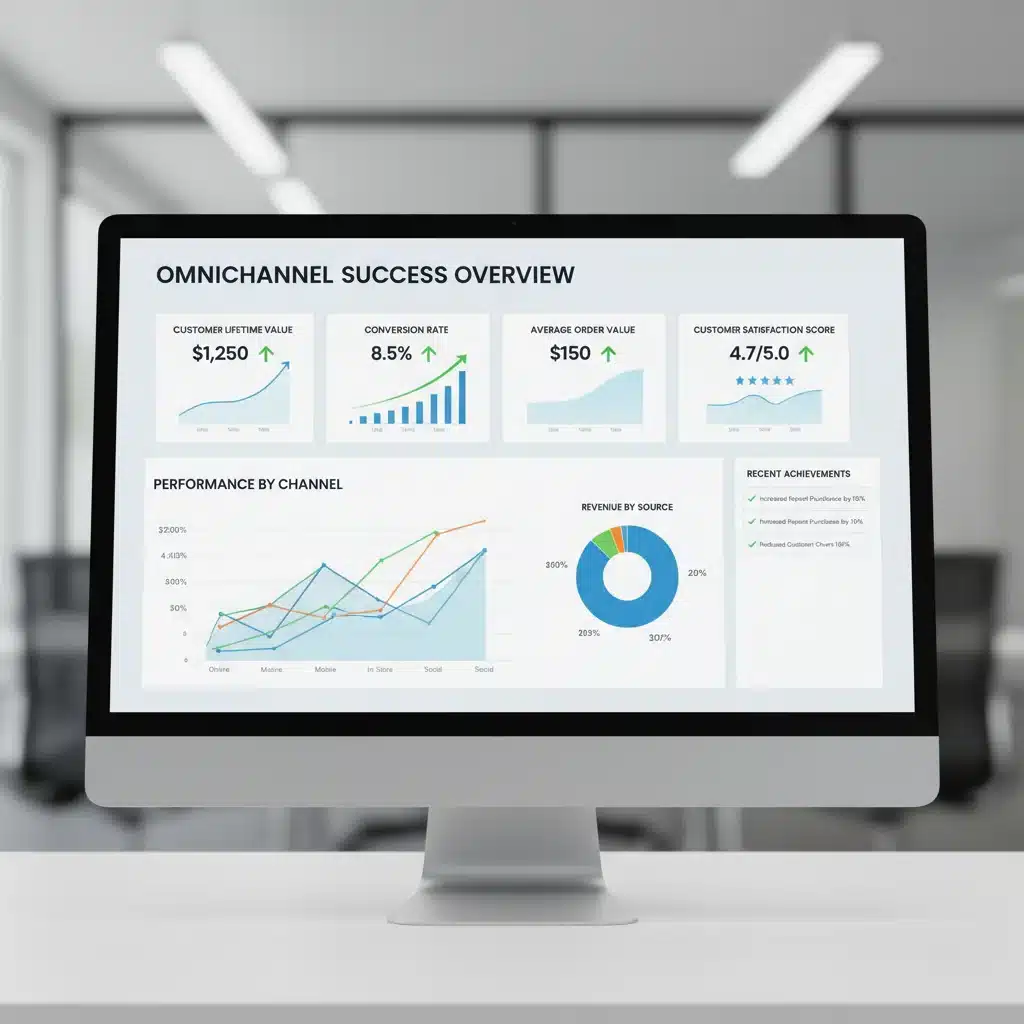
By diligently tracking these metrics and comparing them against pre-omnichannel benchmarks, US retailers can accurately calculate their omnichannel retail ROI and demonstrate the tangible value of their investments. Regular reporting and analysis will also highlight areas for further optimization, ensuring continuous improvement towards and beyond the 20% target.
The Future is Unified: Embracing Omnichannel for Sustainable Growth
The vision of a 20% omnichannel retail ROI for US retailers by 2026 is not just aspirational; it’s a realistic and necessary goal for sustained growth and competitiveness. The modern consumer demands flexibility, personalization, and seamless interactions, and retailers who fail to deliver will be left behind.
Embracing omnichannel excellence requires a strategic mindset, a willingness to invest in technology and training, and a commitment to putting the customer at the very center of every business decision. It’s a journey that transforms not just operations, but the very culture of a retail organization.
As we move towards 2026, the retailers who successfully unify their customer journeys will be the ones who thrive. They will build deeper customer relationships, drive higher sales, operate more efficiently, and ultimately, secure a significant and measurable return on their strategic investments. The time for US retailers to commit to omnichannel excellence is now, paving the way for a future of unprecedented growth and customer loyalty.