US Retail Forecast 2026: Expect 7% Growth in Q1 Driven by Shifting Consumer Priorities
US Retail Forecast 2026: Expect 7% Growth in Q1 Driven by Shifting Consumer Priorities
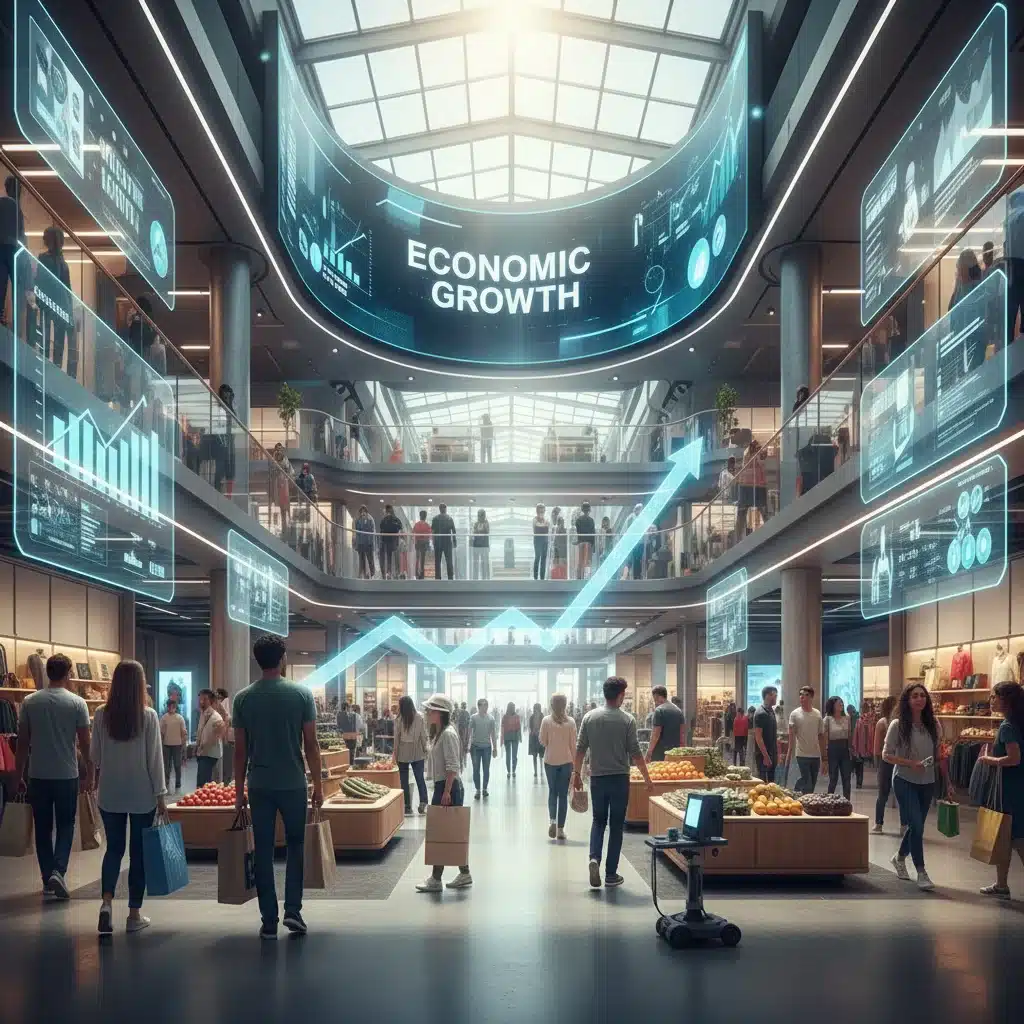
The United States retail landscape is continually evolving, a dynamic ecosystem shaped by technological advancements, economic shifts, and, most importantly, ever-changing consumer behaviors. As we look ahead to Q1 2026, industry analysts and economists are projecting a robust performance, with an anticipated 7% growth in the sector. This optimistic US retail forecast is not merely a number; it’s a reflection of profound shifts in how consumers prioritize their spending, where they choose to shop, and what they expect from their retail experiences. Understanding these underlying drivers is crucial for businesses aiming to thrive in this competitive environment.
The past few years have laid the groundwork for this anticipated surge. The accelerated adoption of digital technologies, the increased focus on sustainability and ethical sourcing, and the demand for highly personalized shopping journeys have all contributed to a new paradigm in retail. This article delves deep into the factors propelling the Q1 2026 US retail forecast, examining the key consumer priorities, technological innovations, and strategic approaches that will define the market’s trajectory.
Understanding the 7% Growth Projection in the US Retail Forecast
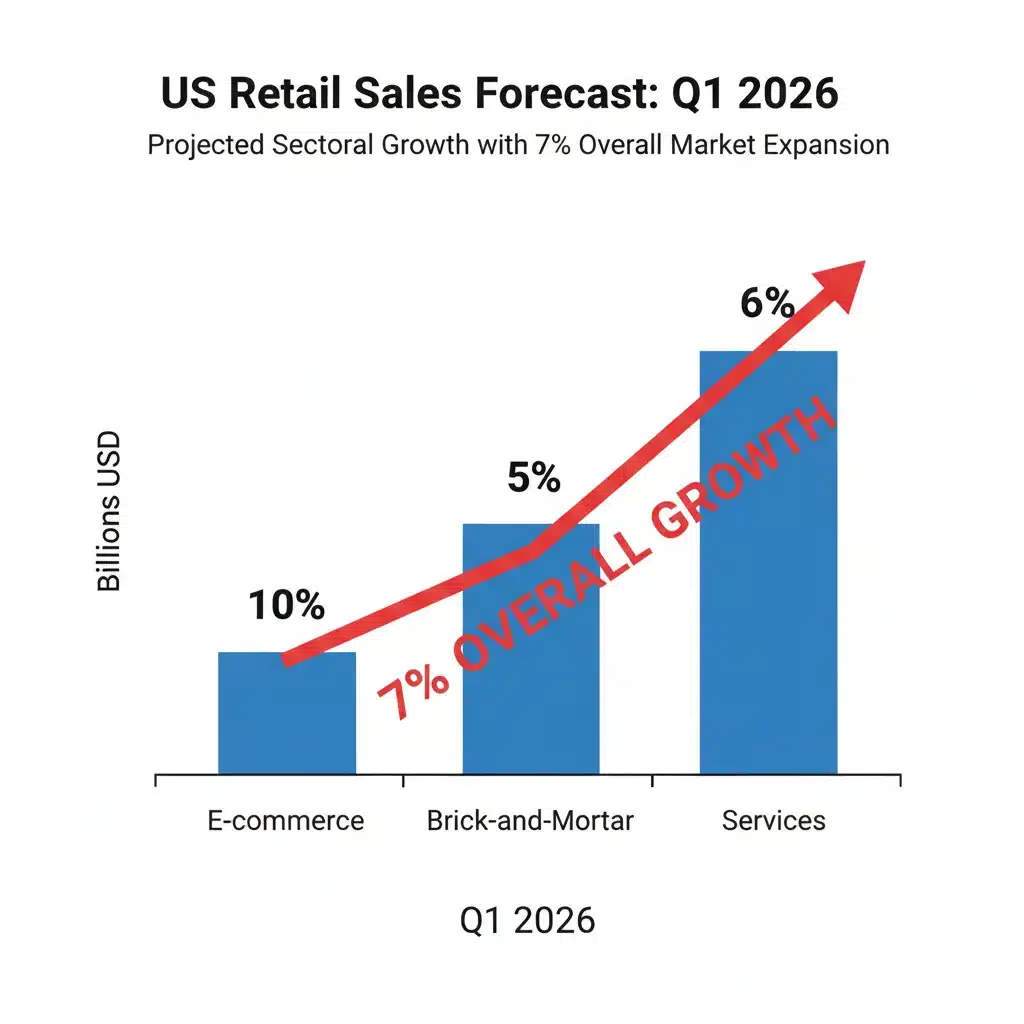
A 7% growth rate for the US retail sector in a single quarter is a significant indicator of economic vitality and consumer confidence. This projection is not uniform across all segments; rather, it represents an aggregated outlook influenced by various factors. Several economic indicators support this optimistic US retail forecast. A stable job market, moderate inflation (compared to previous periods), and consistent wage growth are expected to bolster consumer purchasing power. Furthermore, a general sense of economic stability tends to encourage discretionary spending, which is a key driver for many retail categories.
Beyond macroeconomic forces, specific retail trends are contributing substantially to this forecast. The continued evolution of e-commerce, the strategic integration of omnichannel strategies, and a renewed focus on customer experience are paramount. Retailers who have successfully adapted to these trends are likely to capture a larger share of the market, contributing disproportionately to the overall growth. The 7% figure also suggests a rebound or sustained momentum in sectors that may have faced headwinds in earlier periods, indicating a broad-based recovery and expansion across the retail spectrum.
Key Drivers of Consumer Priorities Shaping the US Retail Forecast
The modern consumer is more informed, more discerning, and more demanding than ever before. Their priorities are no longer solely about price and convenience; a complex interplay of values, experiences, and social consciousness now dictates purchasing decisions. These evolving priorities are central to the Q1 2026 US retail forecast.
1. Experience Over Product: The Rise of Experiential Retail
Consumers are increasingly seeking experiences rather than just products. This trend manifests in various ways, from immersive in-store environments that offer more than just shopping to online platforms that provide interactive and engaging content. Retailers are responding by transforming their physical spaces into ‘destinations’ where customers can learn, socialize, and be entertained. Think workshops, pop-up events, and personalized styling sessions. Online, this translates to augmented reality (AR) try-ons, virtual showrooms, and interactive product demonstrations. The value proposition shifts from owning an item to the memory and emotion associated with its acquisition.
2. Sustainability and Ethical Consumption
Environmental consciousness and ethical considerations are no longer niche concerns; they are mainstream drivers of consumer behavior. A significant portion of consumers, particularly younger demographics, are willing to pay a premium for products that are sustainably sourced, ethically produced, and environmentally friendly. This includes transparent supply chains, eco-friendly packaging, and brands that demonstrate a genuine commitment to social responsibility. Retailers who neglect these aspects risk alienating a growing segment of their customer base. The US retail forecast for Q1 2026 heavily factors in the continued rise of purpose-driven purchasing.
3. Personalization and Customization
In an era of endless choices, consumers crave relevance. Generic marketing and one-size-fits-all approaches are becoming obsolete. Personalization, powered by data analytics and AI, is key. This includes tailored product recommendations, personalized marketing messages, customized product options, and even individualized pricing strategies. The goal is to make each customer feel seen, understood, and valued. Customization, allowing consumers to modify products to their exact specifications, further enhances this sense of individuality and ownership.
4. Health and Wellness Focus
The emphasis on health and wellness continues to expand beyond just fitness and diet. It now encompasses mental well-being, self-care, and holistic living. This translates into increased demand for organic foods, natural beauty products, smart home devices that monitor health, and services that promote relaxation and mindfulness. Retailers in these categories are expected to see robust growth, contributing positively to the overall US retail forecast.
5. Convenience and Instant Gratification
Despite the desire for experiences and ethical products, convenience remains a non-negotiable. Consumers expect seamless shopping journeys, whether online or offline. This includes fast and reliable delivery options, easy returns, intuitive website navigation, and frictionless checkout processes. The rise of ‘buy now, pay later’ options and instant delivery services are direct responses to this demand for immediate satisfaction. Retailers who can master both the experiential and the convenient aspects of shopping will hold a significant competitive advantage.
Technological Innovations Fueling the US Retail Forecast
Technology is not just an enabler; it’s a transformative force reshaping the retail industry. The 7% growth predicted in the US retail forecast for Q1 2026 is inextricably linked to the ongoing adoption and innovation in various technological domains.
1. Artificial Intelligence (AI) and Machine Learning (ML)
AI and ML are at the forefront of retail innovation. They power sophisticated recommendation engines, optimize inventory management, personalize customer service through chatbots, and enable predictive analytics for demand forecasting. For example, AI can analyze vast datasets of consumer behavior to identify emerging trends, allowing retailers to adjust their offerings proactively. ML algorithms can refine pricing strategies in real-time, ensuring competitiveness and maximizing profit margins. These technologies are crucial for delivering the personalized and convenient experiences consumers now expect.
2. Augmented Reality (AR) and Virtual Reality (VR)
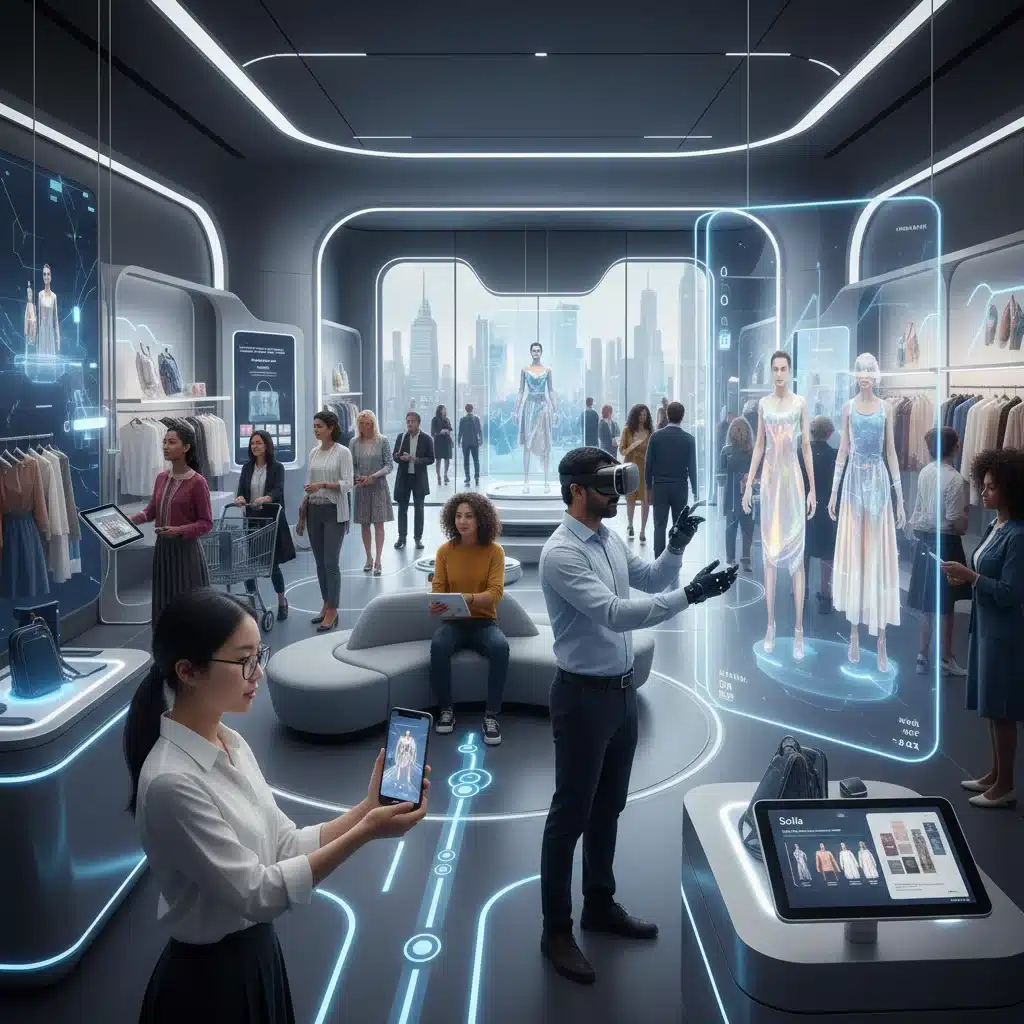
AR and VR are bridging the gap between the digital and physical shopping worlds. AR apps allow customers to virtually ‘try on’ clothes, visualize furniture in their homes, or test out makeup shades before making a purchase. VR offers immersive shopping experiences, creating virtual stores where consumers can browse products in a 3D environment. These technologies enhance engagement, reduce return rates, and provide a novel, memorable shopping journey, directly contributing to customer satisfaction and sales growth in the US retail forecast.
3. Data Analytics and Business Intelligence
The ability to collect, analyze, and act upon data is more critical than ever. Advanced data analytics tools provide retailers with deep insights into customer preferences, operational efficiencies, and market dynamics. This intelligence allows for more informed decision-making, from product development and marketing campaigns to supply chain optimization. Retailers leveraging robust business intelligence platforms can identify opportunities and mitigate risks more effectively, thereby securing their position in a competitive market and contributing to a positive US retail forecast.
4. Omnichannel Integration
The distinction between online and offline shopping continues to blur. Omnichannel retail is about providing a seamless and consistent customer experience across all touchpoints – physical stores, e-commerce websites, mobile apps, social media, and customer service channels. This means features like ‘buy online, pick up in-store’ (BOPIS), in-store returns for online purchases, and unified loyalty programs across platforms. A truly integrated omnichannel strategy not only enhances customer convenience but also builds stronger brand loyalty, which is vital for sustained growth.
Strategic Imperatives for Retailers to Capitalize on the US Retail Forecast
To fully harness the potential of the predicted 7% growth in Q1 2026, retailers must adopt forward-thinking strategies that align with evolving consumer priorities and technological advancements.
1. Invest in Customer Data Platforms (CDPs)
A robust CDP is essential for centralizing and unifying customer data from various sources. This creates a single, comprehensive view of each customer, enabling highly personalized marketing, product recommendations, and customer service. Without a holistic understanding of their customers, retailers will struggle to deliver the tailored experiences that drive engagement and sales.
2. Enhance Supply Chain Resilience and Agility
Recent global events have highlighted the vulnerabilities of complex supply chains. Retailers must invest in technologies and strategies that enhance resilience, such as diversified sourcing, localized production where feasible, and real-time inventory tracking. Agility is equally important, allowing businesses to quickly adapt to disruptions and shifts in demand, ensuring product availability and customer satisfaction.
3. Focus on Employee Training and Empowerment
Front-line employees, whether in-store or in customer service roles, are critical brand ambassadors. Investing in their training, particularly in areas like product knowledge, customer engagement, and technology utilization, can significantly elevate the customer experience. Empowering employees to resolve issues and make decisions fosters a more positive and efficient service environment.
4. Embrace Social Commerce and Influencer Marketing
Social media platforms are no longer just for brand awareness; they are powerful sales channels. Social commerce, where products are discovered and purchased directly within social apps, is a growing trend. Partnering with relevant influencers can further amplify reach and authenticity, driving sales by leveraging trusted voices. This direct-to-consumer approach through social channels is a significant contributor to the digital aspect of the US retail forecast.
5. Prioritize Cybersecurity and Data Privacy
As retailers collect more customer data, the responsibility to protect it grows. Investing in robust cybersecurity measures and adhering to data privacy regulations (like GDPR and CCPA) is paramount. Data breaches can severely damage brand reputation and erode customer trust, undermining any growth achieved. Transparency with customers about data usage is also crucial for building long-term relationships.
Challenges and Considerations for the US Retail Forecast
While the Q1 2026 US retail forecast is optimistic, it’s important to acknowledge potential challenges and considerations that could impact its trajectory.
1. Inflationary Pressures and Consumer Spending Power
Although inflation is expected to moderate, persistent price increases could still dampen consumer enthusiasm for discretionary spending. Retailers will need to carefully manage pricing strategies, offering value without compromising quality or brand perception. The balance between maintaining profit margins and retaining customer loyalty in an inflationary environment will be delicate.
2. Intense Competition
The retail landscape remains fiercely competitive, with both established giants and nimble direct-to-consumer (DTC) brands vying for market share. Differentiation through unique products, superior customer experience, and innovative business models will be crucial for standing out. Simply offering products is no longer enough; retailers must create compelling reasons for consumers to choose them.
3. Labor Shortages and Rising Wages
The retail sector has consistently faced challenges with labor availability and rising wage demands. These factors can increase operational costs, potentially squeezing profit margins. Retailers may need to invest in automation for repetitive tasks and focus on creating attractive work environments to retain talent, ensuring that the human element of customer service remains strong.
4. Evolving Regulatory Landscape
Regulations pertaining to data privacy, e-commerce, and environmental standards are constantly evolving. Retailers must stay abreast of these changes to ensure compliance, avoiding costly fines and reputational damage. Proactive engagement with regulatory bodies and legal counsel will be essential.
5. Geopolitical and Global Economic Instability
External factors, such as geopolitical conflicts, trade disputes, and global economic downturns, can have unforeseen impacts on consumer confidence and supply chains. While the US retail forecast for Q1 2026 is domestically focused, a globalized economy means that international events can still ripple through the local market. Maintaining flexibility and contingency plans will be vital.
The Future of Retail: Beyond Q1 2026
The projected 7% growth in the US retail forecast for Q1 2026 is not an endpoint but rather a snapshot of an ongoing transformation. Looking further ahead, several macro trends will continue to shape the industry.
The line between physical and digital will continue to blur, leading to truly ‘phygital’ experiences where the two are seamlessly integrated. Expect more innovative uses of AI and data to create hyper-personalized shopping journeys that anticipate consumer needs before they even articulate them. Sustainability will move beyond a ‘nice-to-have’ to a fundamental expectation, with circular economy models gaining significant traction.
Furthermore, the subscription economy is likely to expand, offering curated products and services delivered on a recurring basis, fostering long-term customer relationships. Community building around brands will also become increasingly important, as consumers seek to connect with like-minded individuals and support businesses that align with their values.
The retail sector will also see a continued emphasis on speed and efficiency, driven by advancements in logistics and last-mile delivery. Drone delivery, autonomous vehicles, and advanced robotics in warehouses will become more commonplace, further reducing delivery times and costs. This relentless pursuit of convenience will push retailers to innovate constantly.
Finally, the ethical dimension of retail will deepen. Consumers will demand greater transparency not only in product sourcing but also in business practices, including labor conditions and corporate governance. Brands that authentically embody ethical principles will build stronger trust and loyalty, which are invaluable assets in a competitive market.
Conclusion
The US retail forecast for Q1 2026 paints a picture of robust growth, driven by a confluence of evolving consumer priorities and transformative technological innovations. The anticipated 7% expansion is a testament to the industry’s resilience and adaptability. Retailers who successfully navigate this dynamic landscape will be those who prioritize customer experience, embrace personalization, commit to sustainability, and leverage cutting-edge technologies like AI and AR.
While challenges such as inflation and intense competition persist, strategic investments in data platforms, supply chain resilience, and employee empowerment will be key to capitalizing on the opportunities. The future of retail is not just about selling products; it’s about building relationships, creating memorable experiences, and aligning with consumer values. By understanding and proactively responding to these shifts, businesses can not only meet but exceed the optimistic projections for Q1 2026 and secure a strong position in the retail landscape for years to come.