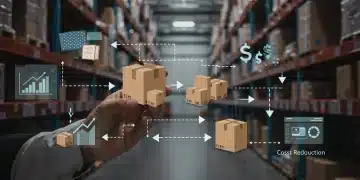
DTC Supply Chain Optimization 2026: Reduce Delays by 30%

In the rapidly evolving landscape of e-commerce, Direct-to-Consumer (DTC) brands face unprecedented challenges and opportunities. As consumer expectations for speed and transparency continue to soar, the efficiency of your supply chain has become the ultimate differentiator. — it’s the heartbeat of your brand’s promise. The goal for many forward-thinking DTC businesses isn’t just to keep pace but to lead. This comprehensive guide outlines a strategic 4-step blueprint designed to achieve significant DTC supply chain optimization by 2026, with the ambitious yet achievable target of reducing shipping delays by a remarkable 30%. This isn’t merely about faster delivery; it’s about building resilience, enhancing customer satisfaction, and securing a competitive edge in a crowded market.
The journey towards a more efficient DTC supply chain is multifaceted, requiring a blend of technological adoption, strategic partnerships, and a deep understanding of evolving consumer behaviors. Recent disruptions, from global pandemics to geopolitical tensions, have underscored the fragility of traditional supply chains, pushing DTC brands to rethink their entire operational framework. The brands that will thrive in 2026 and beyond are those that proactively invest in robust, agile, and transparent supply chain solutions. Our blueprint provides a clear roadmap, addressing critical areas from demand forecasting to last-mile delivery, ensuring that every component of your logistics network is fine-tuned for peak performance. By focusing on these four pivotal steps, DTC brands can transform their supply chain from a potential bottleneck into a powerful engine for growth and customer loyalty.
The Imperative for DTC Supply Chain Optimization
Before diving into the blueprint, it’s crucial to understand why DTC supply chain optimization is not just an advantage but a necessity. The modern consumer expects seamless experiences: fast, free (or affordable) shipping, real-time tracking, and hassle-free returns. Any deviation from these expectations can lead to abandoned carts, negative reviews, and ultimately, a loss of market share. Shipping delays, in particular, are a major pain point, directly impacting customer satisfaction and brand reputation. A study by Statista revealed that 40% of online shoppers would abandon their cart if delivery was too slow. This highlights the direct correlation between supply chain efficiency and customer retention. Furthermore, inefficient supply chains often lead to inflated operational costs, including excess inventory, warehousing expenses, and expedited shipping fees, all of which erode profit margins.
Beyond customer satisfaction and cost efficiency, a well-optimized DTC supply chain offers enhanced visibility and control. In an era where sustainability is gaining paramount importance, understanding and managing the environmental impact of your logistics operations is becoming increasingly vital. Consumers are more likely to support brands that demonstrate a commitment to ethical and sustainable practices. An optimized supply chain allows for better tracking of emissions, responsible sourcing, and efficient resource utilization. Moreover, an agile supply chain can quickly adapt to market shifts, seasonal demands, and unforeseen disruptions, safeguarding your brand against volatility. This proactive approach to DTC supply chain optimization ensures that your business is not just reactive but resilient, capable of navigating the complexities of the global market with confidence and precision.
Current Challenges Plaguing DTC Logistics
- Predictive Analytics Deficiencies: Many DTC brands struggle with accurate demand forecasting, leading to either stockouts or overstocking.
- Fragmented Logistics Networks: Reliance on multiple, disparate logistics partners without proper integration can create communication gaps and inefficiencies.
- Last-Mile Delivery Complexities: The final leg of delivery is often the most expensive and prone to delays, especially in urban environments.
- Lack of Real-time Visibility: Limited insight into inventory levels, in-transit shipments, and delivery statuses prevents proactive problem-solving.
- Returns Management Headaches: An inefficient returns process can be a significant drain on resources and a source of customer dissatisfaction.
- Sustainability Pressures: The growing demand for eco-friendly practices puts pressure on brands to optimize routes, packaging, and transportation methods.
- Labor Shortages: The logistics industry, particularly warehousing and transportation, continues to face labor challenges, impacting operational capacity.
- Infrastructure Limitations: Outdated or insufficient infrastructure in certain regions can impede timely delivery and increase costs.
Blueprint for 2026: A 4-Step Strategy for DTC Supply Chain Optimization
Achieving a 30% reduction in shipping delays by 2026 requires a strategic, phased approach. This blueprint focuses on four critical pillars, each designed to build upon the last, creating a robust and highly efficient DTC supply chain.
Step 1: Enhance Data-Driven Demand Forecasting and Inventory Management
The foundation of an optimized supply chain lies in accurate prediction. Without a clear understanding of future demand, inventory management becomes a guessing game, leading to costly errors. By 2026, DTC brands must leverage advanced analytics to move beyond traditional forecasting methods.
Implementing Predictive Analytics and AI/ML
Invest in AI and Machine Learning (ML) technologies to analyze vast datasets, including historical sales, market trends, promotional activities, social media sentiment, and even weather patterns. These sophisticated algorithms can identify subtle patterns and correlations that human analysts might miss, providing highly accurate demand forecasts. This level of precision minimizes the risk of stockouts during peak seasons and reduces the burden of carrying excess inventory during slower periods. For example, an AI-driven system can predict a surge in demand for a specific product based on trending social media discussions or an influencer’s post, allowing for proactive stock adjustments. This proactive approach to DTC supply chain optimization is crucial for maintaining customer satisfaction and preventing lost sales.
Optimizing Inventory Placement and Network Design
Beyond simply knowing how much to stock, it’s vital to know where to stock it. Utilize data analytics to strategically position inventory across multiple fulfillment centers or micro-fulfillment hubs closer to your customer base. This hub-and-spoke model, informed by customer geographic data and historical order patterns, drastically reduces transit times and shipping costs. For instance, if a significant portion of your customer base resides on the East Coast, having a primary fulfillment center there, complemented by smaller, strategically located micro-hubs, can ensure faster delivery and lower last-mile expenses. This optimized network design is a cornerstone of effective DTC supply chain optimization, enabling brands to meet the growing demand for expedited shipping without incurring prohibitive costs. Regular review and adjustment of this network based on evolving customer demographics and order patterns will ensure its continued efficacy.

Step 2: Embrace End-to-End Supply Chain Visibility and Automation
Lack of visibility is a primary contributor to delays and inefficiencies. By 2026, DTC brands need a panoramic view of their entire supply chain, from raw material sourcing to final delivery, coupled with intelligent automation.
Implementing a Unified Supply Chain Management (SCM) Platform
Adopt a robust SCM platform that integrates all aspects of your supply chain — procurement, manufacturing, warehousing, order fulfillment, and logistics. This platform should act as a central nervous system, providing real-time data on inventory levels, order status, shipment tracking, and supplier performance. Technologies like IoT (Internet of Things) sensors can track goods in transit, providing real-time location and condition monitoring, which is critical for perishable goods or high-value items. This unified view empowers brands to identify bottlenecks immediately, anticipate potential disruptions, and make data-driven decisions to mitigate risks. For example, if a shipment from a supplier is delayed, the SCM platform should automatically flag it, allowing the brand to explore alternative sourcing or inform customers proactively. Such comprehensive visibility is paramount for DTC supply chain optimization.
Automating Key Processes with Robotics and RPA
Automation is no longer a luxury but a necessity for scaling DTC operations. Deploy robotics in warehouses for tasks like picking, packing, and sorting, significantly increasing speed and accuracy while reducing labor costs. Robotic Process Automation (RPA) can automate repetitive administrative tasks such as order processing, invoice matching, and data entry, freeing up human resources for more strategic activities. For instance, an RPA bot can automatically process returns, issue refunds, and update inventory, streamlining a typically cumbersome process. This not only speeds up operations but also minimizes human error, contributing directly to a reduction in shipping delays and an improvement in overall operational efficiency. The integration of advanced automation tools is a key enabler for achieving scalable and efficient DTC supply chain optimization.
Step 3: Forge Strategic Partnerships and Diversify Logistics
Reliance on a single logistics provider or a limited network can expose DTC brands to significant risks. By 2026, a diversified and strategically partnered logistics ecosystem will be essential.
Building a Network of 3PLs and Last-Mile Carriers
Cultivate relationships with multiple 3PL (Third-Party Logistics) providers and last-mile carriers. This diversification provides flexibility, contingency plans, and competitive pricing. Evaluate partners not just on cost, but on their technological capabilities, geographic reach, track record for on-time delivery, and commitment to sustainability. Consider regional carriers for specific geographies where they might offer faster or more cost-effective services than national giants. For example, partnering with a local courier service for urban deliveries can significantly reduce last-mile transit times compared to larger, less agile national carriers. This strategic approach to partner selection is a critical component of DTC supply chain optimization, ensuring that your brand is not solely dependent on one provider’s capacity or pricing.
Exploring Alternative Shipping Methods and Micro-Fulfillment
Beyond traditional ground and air freight, explore innovative shipping methods. This could include using regional parcel networks, crowd-sourced delivery platforms, or even drone delivery for specific scenarios where speed is paramount and regulations permit. Micro-fulfillment centers (MFCs), strategically located in urban areas, can act as mini-warehouses, enabling ultra-fast delivery options like same-day or next-day shipping. These smaller, highly automated facilities bring inventory closer to the customer, drastically cutting down on last-mile travel time. By integrating MFCs into your logistics strategy, you can offer premium delivery options that cater to immediate gratification, a growing consumer demand. This diversification of logistics strategies and adoption of new fulfillment models are vital for comprehensive DTC supply chain optimization.

Step 4: Prioritize Customer-Centric Communication and Returns Management
Even with the most optimized supply chain, occasional delays can occur. How a brand communicates these instances and handles returns can significantly impact customer perception. By 2026, these areas must be meticulously managed.
Proactive Communication and Transparency
Implement systems for proactive, real-time communication with customers regarding their order status. This includes automated notifications for order confirmation, shipment dispatch, estimated delivery times, and any unexpected delays. Utilize multiple channels — email, SMS, and in-app notifications — to keep customers informed. A dedicated customer portal where they can track their order’s journey with granular detail further enhances transparency. Transparency builds trust, even when issues arise. For example, if a weather event delays a shipment, a timely, empathetic notification explaining the situation and providing a new estimated delivery window can prevent frustration and maintain customer loyalty. This proactive communication strategy is a vital, often underestimated, aspect of DTC supply chain optimization, transforming potential negatives into opportunities for positive customer engagement.
Streamlined and Frictionless Returns Process
A complicated returns process can deter future purchases. By 2026, DTC brands should offer a seamless, customer-friendly returns experience. This includes easy online initiation of returns, multiple return options (e.g., mail-in, drop-off locations), pre-paid shipping labels, and prompt refunds or exchanges. Leverage technology to automate returns processing, from initial request to inventory restocking. For instance, a customer should be able to initiate a return with a few clicks on your website, receive a printable shipping label, and track the return’s progress. This not only improves customer satisfaction but also helps in quickly reintegrating returned items into inventory, minimizing financial losses. An efficient returns management system is an integral part of DTC supply chain optimization, transforming a necessary evil into a brand-enhancing service.
Measuring Success: Key Performance Indicators (KPIs) for 2026
To ensure your DTC supply chain optimization efforts are yielding the desired results, continuous monitoring and analysis of key performance indicators (KPIs) are essential. While a 30% reduction in shipping delays is the overarching goal, several other metrics will indicate progress and areas for further improvement.
Core KPIs to Track:
- On-Time Delivery Rate: This is the most direct measure of your success in reducing shipping delays. Track the percentage of orders delivered within the promised timeframe.
- Average Delivery Time: Monitor the average time it takes for an order to reach the customer from the moment of purchase.
- Order Accuracy Rate: Ensure that the correct items are shipped to the correct customers, as errors lead to returns and re-shipments, impacting delivery times.
- Inventory Turnover Rate: A higher turnover rate indicates efficient inventory management and less capital tied up in stock.
- Order Fulfillment Cost: Track the total cost associated with fulfilling an order, from warehousing to shipping. Optimization should aim to reduce this cost per order.
- Customer Satisfaction (CSAT) Scores related to Shipping: Directly survey customers about their satisfaction with delivery speed, communication, and overall shipping experience.
- Return Rate and Return Processing Time: Monitor the percentage of products returned and the efficiency with which these returns are handled.
- Carbon Footprint per Shipment: For sustainability-focused brands, tracking emissions per delivery unit can measure environmental impact reduction.
- Supplier Lead Time: The time taken from placing an order with a supplier to receiving the goods. Reducing this can significantly impact overall delivery speed.
By regularly reviewing these KPIs, DTC brands can gain actionable insights into their supply chain’s performance. Utilize analytics dashboards to visualize trends, identify bottlenecks, and make informed adjustments to your strategies. The goal is not just to hit the 30% delay reduction target once, but to establish a continuous improvement cycle that keeps your supply chain agile, responsive, and consistently optimized for the future. This data-driven approach is fundamental to long-term DTC supply chain optimization.
The Future of DTC Supply Chain: Beyond 2026
While this blueprint focuses on achieving significant DTC supply chain optimization by 2026, the journey doesn’t end there. The landscape of e-commerce and logistics is in constant flux, driven by technological advancements, evolving consumer behaviors, and global events. Brands that adopt a mindset of continuous innovation and adaptation will be best positioned for sustained success. Looking beyond 2026, we can anticipate several trends that will further shape the future of DTC supply chains.
Hyper-Personalization in Delivery
Just as products are personalized, delivery experiences will become increasingly tailored. This could involve highly specific delivery windows, preferred delivery locations (e.g., smart lockers, car trunks), or even personalized packaging based on customer preferences. AI will play a crucial role in orchestrating these complex, individualized logistics solutions, requiring even greater flexibility and integration within the supply chain.
Increased Adoption of Autonomous Delivery
Autonomous vehicles, drones, and delivery robots will move beyond pilot programs and become more integrated into last-mile delivery networks, especially in urban and suburban areas. This will offer faster, more efficient, and potentially more sustainable delivery options, further reducing human dependency and operational costs. However, regulatory frameworks and public acceptance will need to evolve in parallel.
Blockchain for Enhanced Transparency and Traceability
Blockchain technology has the potential to revolutionize supply chain transparency. By creating an immutable, distributed ledger of every transaction and movement, brands can achieve unparalleled traceability from raw material to customer. This will be particularly valuable for ensuring ethical sourcing, combating counterfeiting, and providing consumers with complete product provenance information, further solidifying trust and brand loyalty.
Circular Economy Integration
As sustainability becomes non-negotiable, DTC supply chains will increasingly integrate circular economy principles. This means designing products for longevity, facilitating easy repair and recycling, and optimizing reverse logistics for product recovery and reuse. The supply chain will need to manage not just forward movement of goods, but also efficient collection, processing, and reintroduction of materials into the production cycle.
Resilience as a Core Design Principle
Future supply chains will be designed with inherent resilience, incorporating features like multi-sourcing, regionalized production, and advanced risk management frameworks from the outset. Scenario planning and predictive modeling will become standard practice to anticipate and mitigate disruptions before they significantly impact operations. This proactive resilience will be key to maintaining consistent performance in an unpredictable world.
By embracing these emerging trends and continuously refining their strategies, DTC brands can ensure their supply chain remains a source of competitive advantage, delighting customers and driving sustainable growth well into the future. The foundational steps outlined in this 2026 blueprint are just the beginning of a dynamic and exciting evolution in e-commerce logistics.
Conclusion: Paving the Way for a Resilient and Customer-Centric DTC Future
The journey to achieve significant DTC supply chain optimization by 2026, with the ambitious goal of reducing shipping delays by 30%, is a strategic imperative for any brand aiming to thrive in the competitive e-commerce landscape. This 4-step blueprint — encompassing enhanced data-driven forecasting, end-to-end visibility and automation, strategic partnerships, and customer-centric communication — provides a clear, actionable roadmap. Each step is designed to build a more resilient, efficient, and responsive logistics network, directly translating into tangible benefits for both your bottom line and your customer relationships.
By investing in advanced technologies like AI/ML for demand forecasting, implementing unified SCM platforms, leveraging automation through robotics and RPA, and strategically diversifying your logistics partners, DTC brands can transform their operational capabilities. Furthermore, prioritizing proactive customer communication and streamlining the returns process will elevate the overall customer experience, fostering loyalty and advocacy. The benefits extend beyond mere delay reduction; they encompass reduced operational costs, improved inventory management, enhanced brand reputation, and a significant boost in customer satisfaction.
As we look towards 2026 and beyond, the brands that embrace this holistic approach to DTC supply chain optimization will not only meet but exceed evolving consumer expectations. They will be equipped to navigate market fluctuations, capitalize on new opportunities, and consistently deliver on their brand promise. The time to act is now. By meticulously implementing this blueprint, your DTC brand can secure a future defined by efficiency, reliability, and unparalleled customer delight.