Blockchain for Retail: Enhancing Supply Chain Transparency by 2026

Blockchain for Retail: Enhancing Supply Chain Transparency by 2026
The retail industry is a dynamic, ever-evolving landscape, constantly seeking innovative solutions to address persistent challenges. Among the most critical of these challenges are supply chain opacity, product authenticity concerns, and the pervasive issue of fraud. Traditional supply chain models, often characterized by fragmented data and siloed systems, struggle to provide the level of transparency and security that modern consumers and businesses demand. This is where Retail Supply Chain Blockchain technology emerges as a game-changer, offering a decentralized, immutable, and highly secure ledger to track products from their origin to the consumer’s hands. By 2026, the widespread adoption of blockchain within retail supply chains is not just a possibility; it’s a strategic imperative for businesses aiming to reduce fraud by a significant margin, enhance consumer trust, and optimize operational efficiencies.
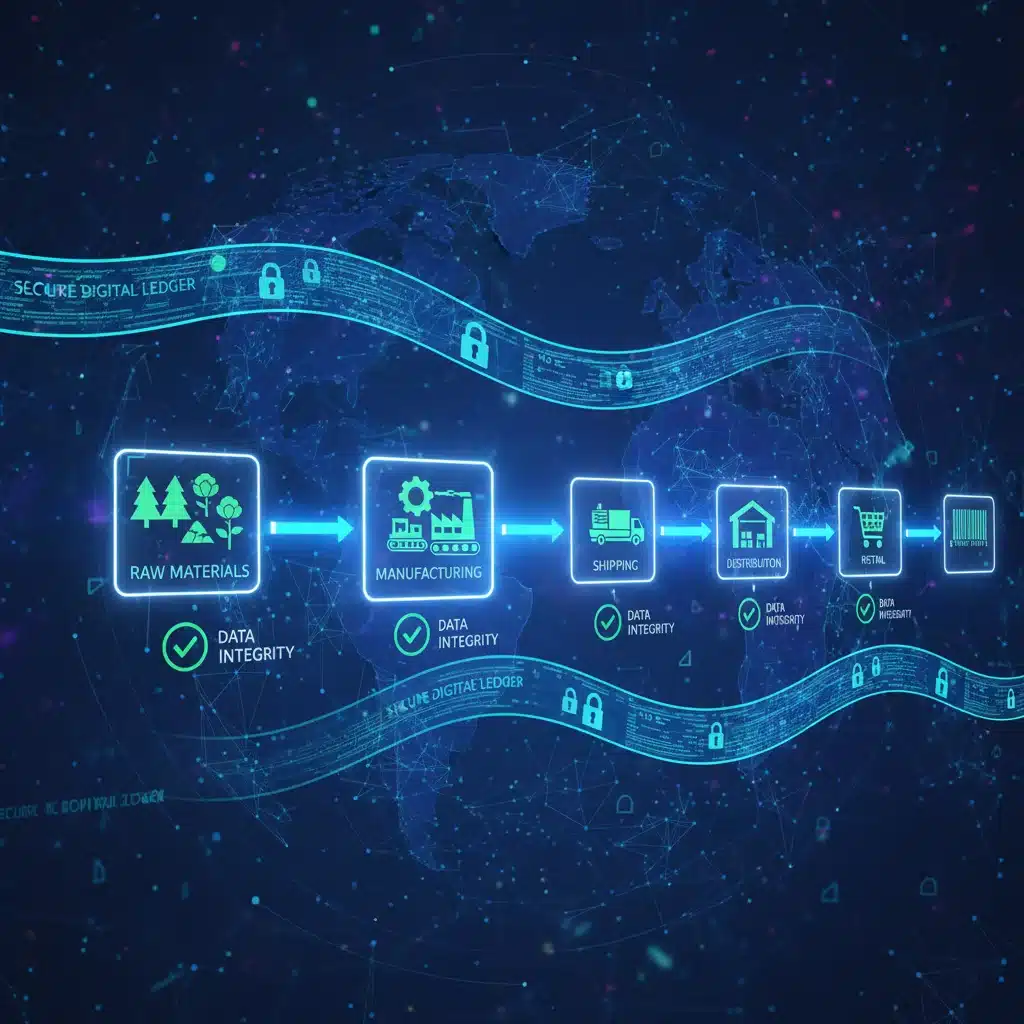
The promise of blockchain extends far beyond simple transaction recording. It offers a fundamental shift in how trust is established and maintained across complex global supply networks. Imagine a scenario where every step of a product’s journey – from the sourcing of raw materials, through manufacturing, logistics, and finally to the retail shelf – is meticulously recorded on an unchangeable digital ledger. This level of granular traceability provides unparalleled visibility, empowering retailers to identify bottlenecks, verify ethical sourcing, and, crucially, combat counterfeit goods and fraudulent activities more effectively than ever before. Our focus today is to explore a comprehensive blueprint for leveraging Retail Supply Chain Blockchain technology to achieve a projected 10% reduction in fraud by 2026, setting a new standard for transparency and accountability in the retail sector.
The Current State of Retail Supply Chains: Challenges and Opportunities
Before delving into the blockchain blueprint, it’s essential to understand the inherent vulnerabilities and inefficiencies that plague conventional retail supply chains. The global nature of modern commerce means that products often traverse multiple borders, involve numerous intermediaries, and rely on disparate data systems. This complexity creates fertile ground for a host of problems, including:
- Lack of Transparency: Consumers are increasingly demanding to know the origin of their products, their environmental impact, and the ethical practices of the brands they support. Traditional supply chains often lack the end-to-end visibility required to satisfy this demand, leading to a trust deficit.
- Counterfeiting and Fraud: The market for counterfeit goods is a multi-billion dollar industry, posing significant financial losses for brands, reputational damage, and even health risks for consumers. Tracing the origin of fake products through conventional means is notoriously difficult. Internal fraud, such as diversion or theft, also remains a persistent issue.
- Inefficient Traceability: In the event of a product recall or quality issue, identifying the exact batch or source of a problem can be a time-consuming and costly endeavor, impacting both brand reputation and consumer safety.
- Data Silos and Inaccurate Information: Different stakeholders in the supply chain often use incompatible systems, leading to data inconsistencies, manual errors, and delays in information sharing.
- Sustainability and Ethical Sourcing Verification: Verifying claims of sustainable practices or ethical labor conditions across a vast supply chain is challenging without an immutable and verifiable record.
These challenges underscore the urgent need for a transformative solution. Retail Supply Chain Blockchain offers a robust framework to address these issues head-on, promising a future where transparency is not just an aspiration but a fundamental operational standard. The opportunity lies in leveraging its unique characteristics – decentralization, immutability, and cryptography – to build a more resilient, trustworthy, and efficient supply network.
Understanding Blockchain Fundamentals for Retail
At its core, blockchain is a distributed ledger technology (DLT) that records transactions across a network of computers. Each ‘block’ in the chain contains a timestamped batch of transactions, and once a block is added, it cannot be altered or removed without changing all subsequent blocks, which is computationally infeasible. This immutability is a cornerstone of its security and trustworthiness. Key features relevant to retail supply chains include:
- Decentralization: No single entity controls the entire network, making it resistant to single points of failure and manipulation.
- Immutability: Once data is recorded on the blockchain, it cannot be changed, providing an unalterable audit trail.
- Transparency (Selective): While data on a public blockchain is visible to all participants, permissioned or private blockchains allow for controlled access, ensuring that sensitive business information remains confidential while relevant parties can still verify specific data points.
- Security: Cryptographic hashing links blocks together, making the ledger incredibly secure and resistant to tampering.
- Smart Contracts: Self-executing contracts with the terms of the agreement directly written into code. These can automate processes like payments upon delivery or trigger actions based on predefined conditions, eliminating the need for intermediaries and reducing delays.
For Retail Supply Chain Blockchain applications, these features translate into tangible benefits. Imagine a serialized product, each with a unique digital identity, moving through the supply chain. At every handover point, from manufacturer to distributor to retailer, a new transaction is recorded on the blockchain. This creates a continuous, verifiable history of ownership and location, making it impossible for counterfeit goods to enter the legitimate supply chain undetected, or for fraudulent claims about product origin to go unchallenged.
The 2026 Blueprint: Implementing Blockchain for Fraud Reduction
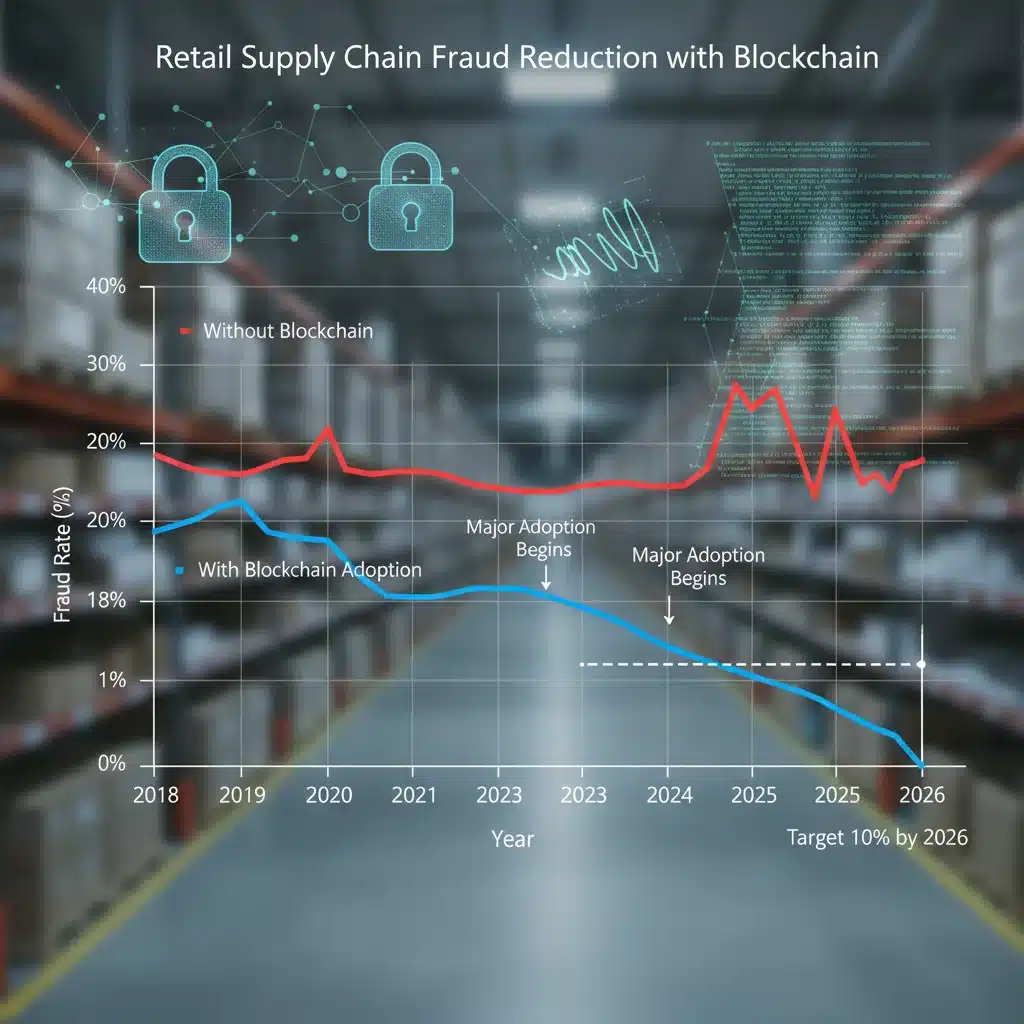
Achieving a 10% reduction in retail supply chain fraud by 2026 requires a strategic, phased approach to blockchain implementation. This blueprint outlines the critical steps and considerations for retailers looking to harness this technology effectively.
Phase 1: Pilot Programs and Stakeholder Alignment (2024)
The initial phase involves identifying specific areas within the supply chain that are most vulnerable to fraud and where blockchain can deliver immediate, measurable impact. This could include high-value goods, products with a high incidence of counterfeiting, or segments where ethical sourcing is paramount.
- Identify Key Use Cases: Focus on areas like product authentication, origin tracing for premium goods, or tracking components in complex electronics.
- Form Cross-Functional Teams: Engage IT, supply chain management, legal, and compliance departments to ensure a holistic approach.
- Select a Blockchain Platform: Choose between public (e.g., Ethereum, Polygon for enterprise solutions), private (e.g., Hyperledger Fabric, Corda), or consortium blockchains based on desired levels of privacy, scalability, and control. Private or consortium models are often preferred for enterprise supply chains due to data privacy requirements.
- Engage Key Suppliers and Partners: Successful blockchain implementation requires collaboration. Begin discussions with critical suppliers, logistics providers, and even packaging companies to ensure their willingness and technical capability to integrate.
- Develop a Minimum Viable Product (MVP): Start with a small-scale pilot project. For instance, track a single product line from a specific manufacturer to a few retail outlets. This allows for testing the technology, identifying challenges, and demonstrating early successes.
During this phase, education and training are crucial. All stakeholders need to understand the benefits and operational changes brought about by Retail Supply Chain Blockchain. Establishing clear governance models for data input and validation is also paramount to maintaining the integrity of the ledger.
Phase 2: Scaled Implementation and Integration (2025)
Building on the success of pilot programs, Phase 2 focuses on expanding the blockchain solution to cover more products, suppliers, and geographical regions. This involves deeper integration with existing enterprise resource planning (ERP) systems, warehouse management systems (WMS), and other supply chain software.
- Expand Use Case Coverage: Gradually bring more product categories and supply chain segments onto the blockchain platform.
- API Development and Integration: Develop robust APIs to ensure seamless data exchange between the blockchain and existing IT infrastructure. This minimizes manual data entry and reduces the potential for errors.
- Standardization of Data: Work with partners to standardize data formats and protocols for recording information on the blockchain, ensuring consistency and interoperability across the network.
- Develop Smart Contracts for Automation: Implement smart contracts to automate key processes, such as triggering payments upon verified delivery, managing inventory levels, or initiating product recalls based on predefined conditions. This significantly reduces administrative overhead and potential for human error or manipulation.
- Advanced Analytics and Reporting: Leverage the rich, immutable data on the blockchain for advanced analytics. This can provide insights into supply chain performance, identify fraud patterns, and optimize logistics.
By the end of 2025, a significant portion of the retail supply chain should be operating on a Retail Supply Chain Blockchain, with automated processes and enhanced data visibility becoming the norm. The focus shifts from proving the concept to optimizing its widespread application.
Phase 3: Optimization, Consumer Engagement, and Industry Leadership (2026)
The final phase in our blueprint for 2026 is about refining the blockchain solution, maximizing its impact on fraud reduction, and leveraging it as a competitive differentiator to engage consumers and influence industry standards.
- Achieve 10% Fraud Reduction Target: Through comprehensive monitoring and continuous improvement, verify the reduction in fraud rates. This will involve analyzing data related to counterfeits, unauthorized diversions, and other fraudulent activities.
- Consumer-Facing Applications: Develop user-friendly applications that allow consumers to scan QR codes on products and instantly access verifiable information about their origin, authenticity, and sustainability journey. This builds trust and empowers purchasing decisions.
- Predictive Analytics for Fraud Detection: Utilize AI and machine learning algorithms trained on blockchain data to predict potential fraud risks and anomalies in the supply chain, enabling proactive intervention.
- Collaborate on Industry Standards: Work with industry bodies and other retailers to establish best practices and open standards for Retail Supply Chain Blockchain adoption. This fosters a more interoperable and secure ecosystem.
- Continuous Improvement and Innovation: Regularly review the blockchain infrastructure, explore new features (e.g., integration with IoT devices for real-time condition monitoring), and adapt to emerging threats and technologies.
By 2026, a retailer that has successfully implemented this blueprint will not only have significantly reduced fraud but also established itself as a leader in transparency and consumer trust, setting a new benchmark for the industry.
Measuring Success: Key Metrics for Fraud Reduction
To confirm the 10% fraud reduction target, retailers must establish clear metrics and monitoring mechanisms. These include:
- Reduction in Counterfeit Incidents: Track the number and value of confirmed counterfeit products identified in the supply chain or reported by consumers.
- Decrease in Product Diversion/Grey Market Sales: Monitor unauthorized sales channels and quantify the reduction in products diverted from their intended distribution paths.
- Improved Recall Efficiency: Measure the time and cost associated with product recalls, noting improvements due to enhanced traceability.
- Lowered Insurance Claims: A reduction in theft, damage, and fraud can lead to fewer insurance claims and potentially lower premiums.
- Enhanced Consumer Trust Scores: Survey consumer perceptions of brand authenticity and transparency before and after blockchain implementation.
- Operational Cost Savings: Quantify savings from reduced manual verification, dispute resolution, and improved inventory management.
These metrics will provide concrete evidence of the return on investment for Retail Supply Chain Blockchain initiatives and validate the effectiveness of the fraud reduction strategy.
Challenges and Considerations for Adoption
While the benefits of Retail Supply Chain Blockchain are compelling, its implementation is not without challenges. Retailers must be prepared to address:
- High Initial Investment: Setting up a blockchain infrastructure, integrating it with existing systems, and training personnel can require significant upfront capital.
- Interoperability Issues: Different blockchain platforms and legacy systems may struggle to communicate seamlessly, requiring robust integration solutions.
- Scalability Concerns: As the volume of transactions grows, ensuring the blockchain can handle the load efficiently without compromising speed or cost is crucial.
- Data Privacy and Regulatory Compliance: Navigating data privacy regulations (e.g., GDPR) while maintaining the transparency of blockchain requires careful design, especially for permissioned networks.
- Ecosystem Buy-in: The success of a blockchain solution largely depends on the willingness of all supply chain partners to participate and contribute accurate data. This requires strong leadership and persuasive communication.
- Resistance to Change: Employees and partners may be resistant to adopting new technologies and processes, necessitating comprehensive change management strategies.
Addressing these challenges proactively through careful planning, phased implementation, and strong stakeholder engagement will be key to unlocking the full potential of Retail Supply Chain Blockchain.
Beyond 2026: The Future of Retail with Blockchain
The 2026 blueprint is just the beginning. As blockchain technology matures and its adoption becomes more widespread, its impact on retail will continue to expand. We can anticipate:
- Hyper-Personalized Shopping Experiences: Consumers will have unprecedented access to product information, enabling more informed and personalized purchasing decisions based on values like sustainability, ethical sourcing, or specific dietary needs.
- Circular Economy Facilitation: Blockchain can track products through their entire lifecycle, from production to recycling or reuse, supporting the development of more sustainable circular economy models in retail.
- Enhanced Brand Loyalty: Brands that demonstrate verifiable transparency and authenticity through blockchain will build stronger trust and loyalty with their customer base.
- New Business Models: Blockchain could facilitate new models like fractional ownership of luxury goods or dynamic pricing based on real-time supply chain conditions.
- Increased Collaboration and Data Sharing: As more companies adopt blockchain, industry-wide collaboration on data sharing and problem-solving will become more efficient and secure.
The journey towards a fully transparent and fraud-resistant Retail Supply Chain Blockchain is complex, but the rewards are substantial. It promises not just a reduction in losses due to fraud but a fundamental redefinition of trust, efficiency, and sustainability in the global retail ecosystem.
Conclusion: A Transparent and Secure Future for Retail
The vision of a retail sector where fraud is significantly curtailed, and transparency is the norm, is rapidly moving from aspiration to reality, largely thanks to the transformative potential of Retail Supply Chain Blockchain technology. By following a strategic, phased blueprint, retailers can systematically implement blockchain solutions to gain granular visibility into their supply chains, verify product authenticity, and ultimately reduce fraudulent activities by at least 10% by 2026.
This journey demands commitment, collaboration, and a willingness to embrace innovation. However, the benefits – enhanced consumer trust, improved operational efficiency, significant financial savings, and a bolstered brand reputation – far outweigh the challenges. As we move towards 2026 and beyond, blockchain will not merely be a technological tool; it will be a foundational pillar of modern retail, enabling a more secure, ethical, and transparent future for businesses and consumers alike. The time for retailers to invest in Retail Supply Chain Blockchain is now, to secure their place in the transparent economy of tomorrow.