
In the rapidly evolving landscape of direct-to-consumer (DTC) commerce, merely acquiring customers is no longer sufficient for sustainable success. The true differentiator and driver of long-term growth lie in fostering profound DTC brand loyalty. As competition intensifies and customer acquisition costs escalate, brands must pivot from transactional relationships to building vibrant, engaged communities that champion their products and values. This article delves into three innovative community strategies designed to supercharge your DTC growth and cement unwavering DTC brand loyalty within the next 12 months.
The power of community is not a new concept, but its application in the digital DTC space has become more critical than ever. In an era where consumers seek authenticity and connection, a well-executed community strategy transforms customers into advocates, creating a virtuous cycle of engagement, retention, and organic growth. Let’s explore how to harness this power.
Understanding the Imperative of DTC Brand Loyalty in Today’s Market
Before we dive into the strategies, it’s crucial to understand why DTC brand loyalty has become the bedrock of modern e-commerce success. The direct-to-consumer model thrives on direct relationships with customers, bypassing traditional retail intermediaries. This direct line of communication offers an unparalleled opportunity to understand customer needs, gather feedback, and cultivate a sense of belonging. However, this also places a greater onus on DTC brands to continually prove their value and foster lasting connections.
Customer acquisition costs (CAC) are on a relentless upward trajectory. Relying solely on paid advertising channels for growth is becoming unsustainable for many DTC businesses. This financial pressure highlights the immense value of customer retention and repeat purchases, both direct outcomes of strong DTC brand loyalty. Loyal customers not only spend more over their lifetime value (LTV) but also become powerful, unpaid marketing channels through word-of-mouth referrals and social sharing. They are your brand’s most authentic storytellers.
Furthermore, in a crowded marketplace, differentiation is key. While product quality and price are important, they can often be replicated. What cannot be easily replicated is a thriving community built around shared values, experiences, and a genuine connection to a brand. This emotional resonance is what truly elevates a brand above its competitors and cultivates deep-seated DTC brand loyalty.
The current economic climate also underscores the importance of a loyal customer base. When consumers tighten their belts, they tend to stick with brands they trust and feel connected to. A strong community acts as a buffer against economic downturns, ensuring a steady stream of revenue even when discretionary spending decreases. Investing in community strategies now is an investment in future resilience and sustained growth.
The Psychological Underpinnings of Loyalty
At its core, DTC brand loyalty is a psychological phenomenon. It stems from a combination of positive experiences, perceived value, and emotional attachment. When customers feel heard, valued, and part of something larger than themselves, their loyalty deepens. Community strategies tap into fundamental human needs for belonging, recognition, and social interaction. By fulfilling these needs, DTC brands can forge bonds that transcend mere transactions, turning casual buyers into fervent advocates.
Consider the impact of social proof. In an online world, people often look to others for validation and recommendations. A thriving brand community provides a constant stream of positive social proof, influencing potential new customers and reinforcing the choices of existing ones. This organic validation is far more powerful and trustworthy than traditional advertising.
Ultimately, the goal is to create a symbiotic relationship where customers feel invested in the brand’s success, and the brand, in turn, continually delivers value and reinforces that investment. This mutual relationship is the ultimate expression of DTC brand loyalty.
Strategy 1: Cultivating Exclusive Online Hubs for Engaged Customers
One of the most effective ways to build DTC brand loyalty is by creating dedicated, exclusive online spaces where your most engaged customers can connect, share, and interact directly with your brand. These are not just social media pages; these are curated environments designed to foster deeper relationships and provide unique value.
Think beyond generic Facebook groups. While they can be a starting point, consider platforms that offer more control, better moderation tools, and a more intimate setting. Options range from private Slack channels, Discord servers, dedicated forums on your website, or even bespoke community platforms. The key is to create a sense of exclusivity and shared identity among members.
Within these hubs, the brand’s role shifts from broadcaster to facilitator. Encourage user-generated content, peer-to-peer support, and discussions around product usage, lifestyle, and shared interests. For example, a DTC beauty brand could host a private community where members share skincare routines, product reviews, and tips. A DTC fitness brand might create a hub for workout challenges, nutrition advice, and motivational support.
The benefits of such exclusive hubs are manifold:
- Enhanced Feedback Loop: These communities provide an invaluable source of direct, unfiltered feedback on products, marketing campaigns, and customer service. This insight is gold for product development and continuous improvement.
- Increased Customer Lifetime Value (CLTV): Engaged community members are more likely to make repeat purchases, try new products, and remain customers for longer periods.
- Organic Advocacy: Loyal community members naturally become brand advocates, sharing their positive experiences with their networks and driving organic referrals.
- Reduced Support Load: Often, community members will help each other troubleshoot issues or answer questions, reducing the burden on your customer support team.
- Sense of Belonging: By creating a space where customers feel understood and connected, you foster a powerful sense of belonging that strengthens their bond with your brand.
To make these hubs truly thrive, active moderation and consistent engagement from the brand team are essential. Host Q&A sessions with founders or product developers, offer exclusive sneak peeks of upcoming products, run contests, and reward active contributors. Celebrate your community members and make them feel like VIPs.

Remember, the goal is to build a community, not just an audience. This means fostering two-way communication and empowering members to shape the community’s direction. A successful exclusive hub transforms customers into stakeholders, deeply invested in the brand’s journey and unwavering in their DTC brand loyalty.
Strategy 2: Empowering User-Generated Content (UGC) and Co-Creation Initiatives
In an age where authenticity reigns supreme, user-generated content (UGC) is a powerful tool for building DTC brand loyalty. Consumers trust recommendations from their peers far more than traditional advertising. By actively encouraging and leveraging UGC, DTC brands can create a continuous stream of authentic content that resonates with potential customers while simultaneously strengthening the bond with existing ones.
Co-creation takes this a step further, inviting customers to directly participate in the brand’s development, from product design to marketing campaigns. This not only generates valuable insights but also instills a profound sense of ownership and investment among your most loyal customers.
Harnessing User-Generated Content (UGC)
UGC encompasses everything from customer reviews and testimonials to photos, videos, and social media posts featuring your products. Here’s how to effectively leverage it:
- Run Contests and Challenges: Encourage customers to share their experiences with your products through specific hashtags, photo contests, or video challenges. Offer compelling incentives like gift cards, exclusive products, or features on your brand’s official channels.
- Feature Customer Stories: Dedicate sections of your website, social media, or email newsletters to showcasing real customer stories. This humanizes your brand and provides relatable content for others.
- Implement Review Systems: Robust product review systems are non-negotiable. Actively solicit reviews post-purchase and respond to both positive and negative feedback constructively. This shows you value customer opinions.
- Curate and Repurpose: Regularly monitor social media for mentions of your brand. With permission, repost and share compelling UGC across your channels. This not only provides fresh content but also makes the original creators feel recognized and appreciated.
The beauty of UGC is its authenticity. It’s real people, using real products, sharing real experiences. This resonates deeply with potential customers and reinforces the positive perception of your brand among existing ones, significantly boosting DTC brand loyalty.
Embracing Co-Creation Initiatives
Co-creation moves beyond simply showcasing what customers are already doing; it invites them into the creative process. This level of involvement fosters an unparalleled sense of ownership and significantly deepens DTC brand loyalty.
- Product Ideation & Development: Invite your most loyal community members to exclusive focus groups or surveys to brainstorm new product ideas, provide feedback on prototypes, or even vote on design elements. Imagine a DTC apparel brand letting its community choose the next collection’s color palette or fabric.
- Limited Edition Collaborations: Partner with influential community members or micro-influencers from your customer base to create limited-edition products. This not only generates excitement but also leverages their unique perspectives and reach.
- Content Collaboration: Involve customers in creating blog posts, video tutorials, or social media campaigns. A DTC home goods brand might ask customers to submit photos of their homes styled with the brand’s products for a ‘customer lookbook.’
- Beta Testing Programs: Offer early access to new products or features to a select group of loyal customers. Their feedback is invaluable, and the exclusivity makes them feel truly special and integral to your brand’s success.
When customers feel they have a direct hand in shaping the brand, their emotional investment skyrockets. This transforms them from mere consumers into active contributors and passionate advocates, creating an unbreakable bond of DTC brand loyalty. Co-creation is a powerful statement that your brand values its community’s voice above all else.
Strategy 3: Implementing Experiential Marketing & IRL (In-Real-Life) Community Engagements
While digital communities are vital, the power of real-world experiences cannot be overstated in forging deep DTC brand loyalty. Experiential marketing and in-real-life (IRL) community engagements provide unique opportunities for customers to connect with your brand and each other in tangible, memorable ways. These interactions create lasting impressions that digital touchpoints often cannot replicate.
The shift from purely online interactions to hybrid models that incorporate physical experiences is gaining traction. For DTC brands, this means moving beyond the transactional website visit to creating moments that evoke emotion, foster connection, and reinforce brand values in a physical setting.
Pop-Ups and Experiential Retail
Pop-up shops and temporary retail experiences offer a low-risk way to bring your online brand to life. These aren’t just about selling products; they’re about creating an immersive brand world:
- Themed Environments: Design your pop-up to reflect your brand’s aesthetic and values. A DTC skincare brand could create a spa-like oasis, while a sustainable fashion brand might build an eco-conscious, minimalist space.
- Interactive Displays: Incorporate elements that encourage interaction. This could be a photo booth with branded props, product customization stations, or augmented reality experiences that bring digital elements into the physical space.
- Exclusive Product Launches: Use pop-ups to launch new products or offer limited-edition items available only at the event. This creates a sense of urgency and exclusivity.
- Workshops and Classes: Host workshops related to your product or brand ethos. A DTC coffee brand could offer barista training, or a craft supplies brand could host DIY workshops.
These experiences allow customers to touch, feel, and interact with products in a way that online shopping cannot. More importantly, they provide a setting for customers to meet brand representatives and other loyal customers, strengthening the community aspect and building DTC brand loyalty.
Community Meetups & Brand Events
Organizing dedicated meetups and events for your community members takes the concept of an exclusive hub into the physical realm. These events can range from small, intimate gatherings to larger, branded festivals:
- Local Meetups: Encourage and facilitate local meetups organized by community leaders or brand ambassadors. These could be coffee meetups, hiking groups (for an outdoor gear brand), or book clubs (for a literary subscription box).
- Annual Brand Festivals or Conferences: For larger DTC brands, an annual festival or conference can be a powerful way to bring the entire community together. Feature keynote speakers, product demos, networking opportunities, and entertainment.
- Collaboration with Complementary Brands: Partner with other DTC brands that share similar values to co-host events. This expands your reach and offers a richer experience for attendees.
- VIP Experiences: Offer exclusive invitations to product launches, factory tours, or behind-the-scenes glimpses for your most loyal customers. This makes them feel truly valued and appreciated.
The magic of IRL events lies in the human connection. Meeting face-to-face with fellow enthusiasts and brand representatives creates powerful memories and reinforces the emotional ties to your brand. These shared experiences are incredibly effective in fostering profound DTC brand loyalty.
When planning these events, consider the logistics carefully. Location, accessibility, and the overall experience are paramount. The goal is to create a positive, memorable interaction that leaves attendees feeling more connected to your brand and eager to continue their journey as loyal customers. By blending the digital with the physical, DTC brands can create a holistic community experience that drives unparalleled loyalty and advocacy.
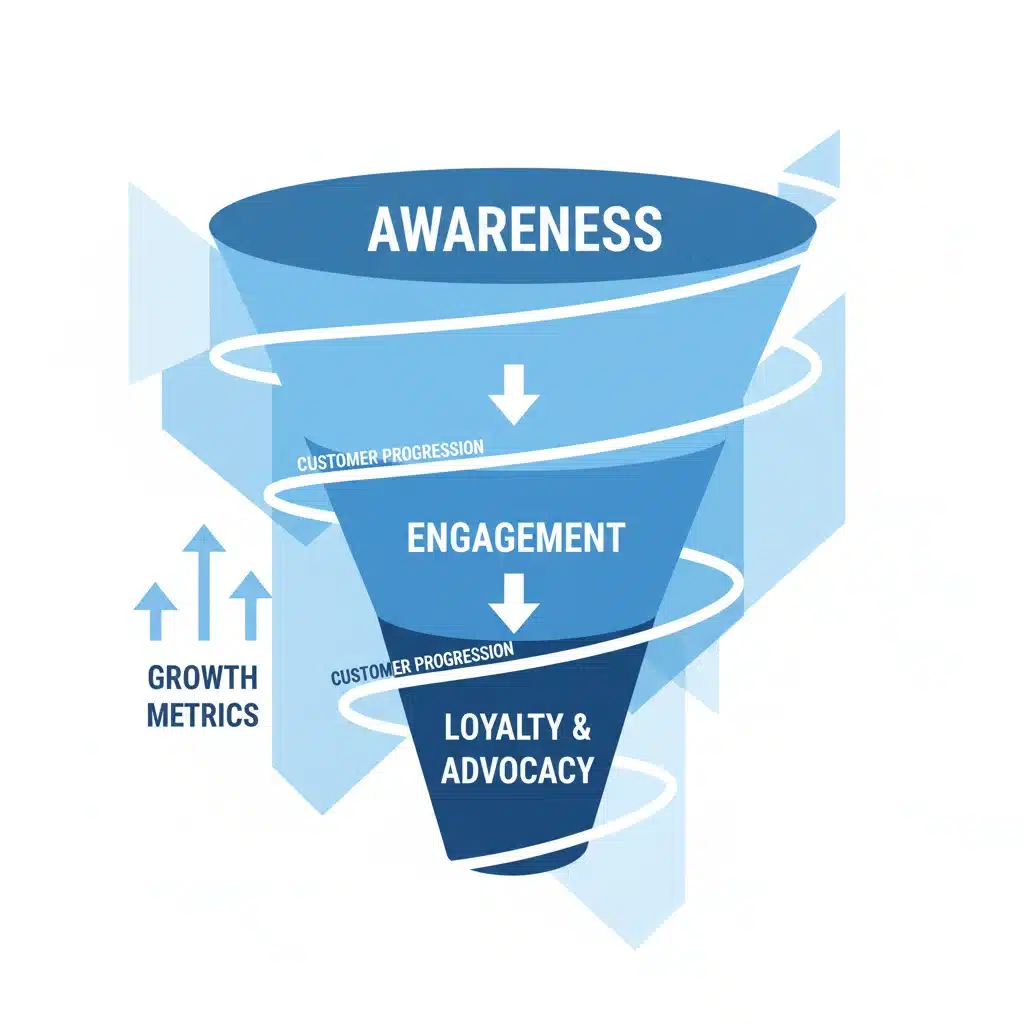
Measuring the Impact of Community on DTC Brand Loyalty
Implementing these strategies is only half the battle; the other half is accurately measuring their impact on DTC brand loyalty and overall business growth. While some community benefits are qualitative, many can be quantified to demonstrate ROI and inform future initiatives.
Key Metrics to Track:
- Customer Lifetime Value (CLTV): One of the most direct indicators. Are community members exhibiting higher CLTV compared to non-community members?
- Repeat Purchase Rate: Loyal customers return. Track how often community participants make repeat purchases.
- Referral Rates: Monitor how many new customers are acquired through referrals from existing community members. Implement referral programs to incentivize and track this.
- Engagement Metrics: Within your online hubs, track active users, daily/weekly/monthly active users, content contributions, comments, likes, and time spent on the platform.
- Churn Rate/Retention Rate: Are community members less likely to churn? A lower churn rate among engaged community members is a strong indicator of increased loyalty.
- Net Promoter Score (NPS): Regularly survey your community members to gauge their willingness to recommend your brand. A high NPS is a hallmark of strong DTC brand loyalty.
- Customer Support Inquiries: A thriving community can reduce the volume of basic customer support questions, as members often help each other. Track this reduction.
- Social Mentions & Sentiment: Monitor brand mentions across social media and analyze the sentiment. Increased positive mentions from community members are a clear win.
Qualitative Insights:
Don’t overlook the qualitative aspects. Conduct surveys, interviews, and focus groups with community members to understand their motivations, satisfaction levels, and emotional connection to your brand. These insights can reveal nuances that quantitative data alone might miss.
By consistently tracking these metrics and gathering qualitative feedback, DTC brands can refine their community strategies, optimize their efforts, and clearly demonstrate the tangible benefits of investing in DTC brand loyalty. This data-driven approach ensures that community building is not just a ‘nice-to-have’ but a core driver of sustainable business growth.
Overcoming Challenges in Community Building
Building a thriving community for DTC brand loyalty isn’t without its challenges. It requires consistent effort, resources, and a genuine commitment from the brand. Here are some common hurdles and how to overcome them:
- Initial Low Engagement: Starting from scratch can be tough. Begin by inviting your most loyal and vocal customers first. Offer exclusive content or early access to products to incentivize participation. Actively seed discussions and ask open-ended questions to spark conversation.
- Moderation and Conflict Resolution: As communities grow, so does the potential for conflict or off-topic discussions. Establish clear community guidelines from the outset and enforce them consistently. Train moderators to handle disputes diplomatically and keep discussions positive and on-brand.
- Resource Allocation: Community management requires dedicated time and resources. Don’t underestimate the effort involved. Consider hiring a community manager or dedicating internal team members to this role. Automate where possible, but prioritize genuine human interaction.
- Maintaining Exclusivity vs. Growth: Striking the right balance between making the community feel exclusive and allowing it to grow can be tricky. You might have tiered access – a public forum for general discussion and a private group for VIPs.
- Proving ROI: As discussed, clearly defining and tracking metrics is crucial to demonstrate the value of community efforts to stakeholders. Focus on tangible outcomes like CLTV, retention, and referral rates.
- Staying Authentic: Community members can spot inauthenticity a mile away. Your brand’s voice and interactions within the community must be genuine, transparent, and aligned with your core values. Avoid overly promotional content; focus on providing value and fostering connection.
By proactively addressing these challenges, DTC brands can navigate the complexities of community building and successfully cultivate a loyal, engaged customer base that becomes a powerful asset for long-term growth.
Conclusion: The Future of DTC Brand Loyalty is Community-Driven
The competitive landscape for direct-to-consumer brands demands more than just great products and clever marketing; it requires a deep, authentic connection with customers. By strategically implementing innovative community strategies, DTC brands can move beyond fleeting transactions to build enduring DTC brand loyalty that fuels sustainable growth for years to come.
The three strategies outlined – cultivating exclusive online hubs, empowering user-generated content and co-creation, and implementing experiential marketing and IRL engagements – are not mutually exclusive. In fact, they are most powerful when integrated into a cohesive, multi-faceted approach. Imagine an exclusive online hub where members co-create new product ideas, which are then launched at an immersive pop-up event, generating a wave of authentic UGC. This synergistic approach creates a powerful ecosystem of engagement and advocacy.
Investing in community is an investment in your brand’s future. It transforms customers into advocates, fosters a sense of belonging, provides invaluable feedback, and ultimately drives a stronger, more resilient business. As you look to the next 12 months and beyond, prioritize building a vibrant community, and watch your DTC brand loyalty—and your bottom line—soar.