DTC Community Building: Boost Repeat Purchases by 20% in 2026
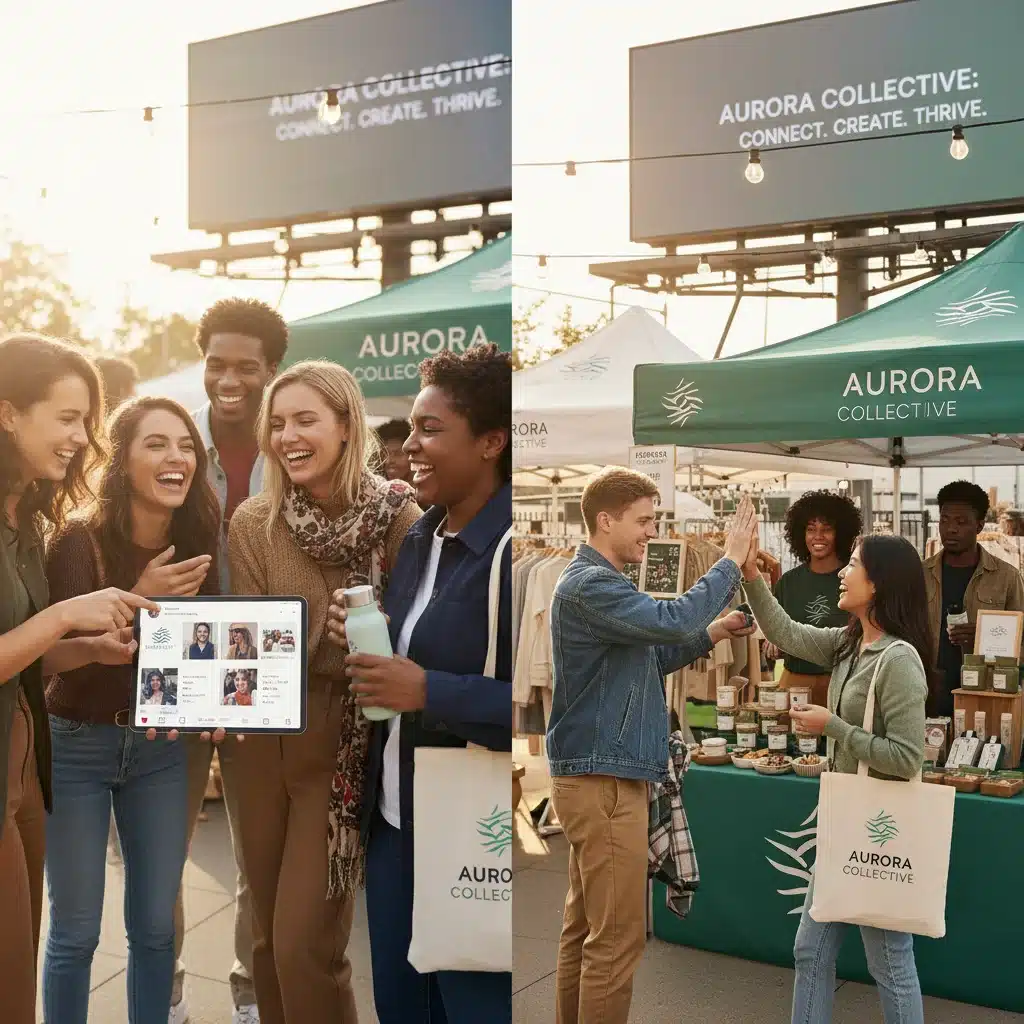
Beyond the Sale: Building a Loyal DTC Community That Drives 20% Repeat Purchases in 2026
In the fiercely competitive landscape of direct-to-consumer (DTC) e-commerce, the transaction is no longer the finish line; it’s merely the starting gun. To truly thrive and achieve sustainable growth, DTC brands must shift their focus from one-off sales to cultivating lasting relationships. The secret weapon? A vibrant, engaged, and loyal customer community. This isn’t just about good PR; it’s about a tangible impact on your bottom line. Our ambitious goal for 2026 is a 20% increase in repeat purchases, and we firmly believe that robust DTC Community Building is the most direct path to achieving it.
The modern consumer craves more than just a product; they desire belonging, shared values, and a voice. By strategically investing in DTC Community Building, brands can transform customers into advocates, casual buyers into superfans, and transactional relationships into enduring partnerships. This comprehensive guide will delve into the critical components of building such a community, outlining actionable strategies, tools, and metrics to ensure your brand is not just selling, but truly connecting.
The Imperative of DTC Community Building: Why Now?
The e-commerce world has evolved dramatically. Acquisition costs are skyrocketing, digital advertising fatigue is real, and consumers are increasingly skeptical of traditional marketing. In this environment, customer loyalty is no longer a luxury; it’s a necessity. A strong community acts as a powerful antidote to these challenges, driving organic growth and reducing reliance on paid channels.
Reduced Customer Acquisition Costs (CAC)
When customers feel connected to your brand, they become your most effective marketers. Word-of-mouth recommendations, user-generated content, and genuine enthusiasm from community members are far more credible and cost-effective than any paid advertisement. This organic reach significantly lowers your CAC.
Increased Customer Lifetime Value (CLTV)
Loyal customers spend more over time. They are more likely to make repeat purchases, try new products, and remain customers for longer periods. By fostering a sense of belonging through DTC Community Building, you inherently increase their CLTV, directly impacting your long-term profitability.
Enhanced Brand Trust and Authenticity
In an era of mass-produced goods, authenticity stands out. A community built on shared values and genuine interaction builds immense trust. Consumers trust recommendations from peers and fellow enthusiasts far more than they trust direct brand messaging. This trust translates into greater brand resilience and a stronger market position.
Valuable Customer Feedback and Innovation
Your community is a goldmine of insights. Engaged customers are often eager to share their opinions, ideas, and pain points. This direct feedback loop can inform product development, marketing strategies, and overall brand direction, leading to innovations that truly resonate with your target audience. It’s a continuous, free focus group at your fingertips.
Competitive Differentiation
While many brands focus on product features or pricing, fewer excel at community building. A strong, engaged community can be your most significant differentiator, creating an emotional moat around your brand that competitors will find difficult to replicate. This makes your brand sticky and memorable.
Pillars of Effective DTC Community Building
Building a thriving community isn’t a passive endeavor; it requires deliberate strategy and consistent effort. Here are the foundational pillars:
1. Define Your Brand’s Purpose and Values
Before you can build a community, you must understand what your brand stands for beyond its products. What problem do you solve? What impact do you want to make? What values do you uphold? Your purpose and values will attract like-minded individuals and form the bedrock of your community. This clarity helps in attracting the right kind of members who will genuinely resonate with your brand’s ethos.
2. Identify Your Ideal Community Members
Who are the people you want to attract? What are their demographics, psychographics, interests, and pain points? Understanding your ideal member will help you tailor your outreach, content, and engagement strategies effectively. This isn’t about casting a wide net; it’s about attracting the most passionate and relevant individuals.
3. Choose the Right Platforms and Channels
Where do your ideal community members already congregate? This could be anywhere from private Facebook groups, Discord servers, Instagram, TikTok, Reddit, dedicated forums on your website, or even offline events. Don’t try to be everywhere; focus on a few platforms where you can genuinely engage and foster interaction. The choice of platform should align with your audience’s preferences and your brand’s communication style.
4. Create Value-Driven Content and Experiences
Your community needs reasons to engage. Provide exclusive content, educational resources, behind-the-scenes glimpses, early access to products, or opportunities for co-creation. The content should be valuable, relevant, and encourage interaction, not just consumption. Think about how you can empower your community members and make them feel special.
5. Foster Authentic Interaction and Dialogue
This is the heart of DTC Community Building. It’s not about broadcasting messages; it’s about facilitating conversations. Respond to comments, ask questions, run polls, host Q&As, and encourage members to interact with each other. A community manager plays a crucial role here, acting as a facilitator, moderator, and cheerleader. Authenticity is key – avoid overly corporate language and aim for genuine human connection.
Strategic Approaches to Boost Repeat Purchases Through Community
Once you have the foundational pillars in place, here’s how to leverage your community specifically for increasing repeat purchases:
1. Exclusive Access and VIP Programs
Reward your most loyal community members with exclusive perks. This could include early access to new product drops, members-only discounts, special bundles, or invitations to exclusive events. Making them feel like VIPs not only encourages repeat purchases but also strengthens their bond with your brand. These programs create a sense of privilege and reciprocity.
2. User-Generated Content (UGC) Campaigns
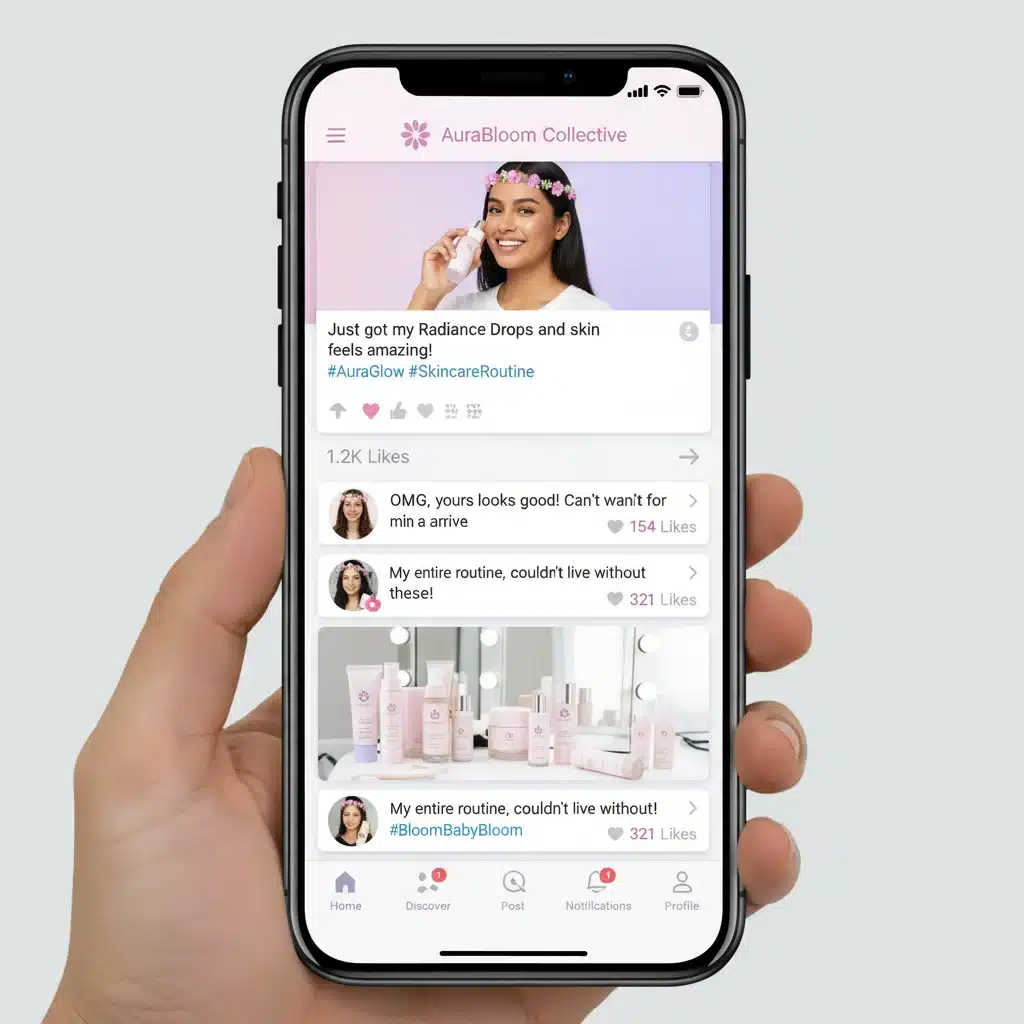
Encourage your community to create and share content related to your products. This could be reviews, testimonials, photos, videos, or creative uses of your products. UGC is incredibly powerful for social proof and inspires others to purchase. Feature this content prominently on your website, social media, and email campaigns. Running contests for the best UGC can further incentivize participation.
3. Co-Creation and Product Development Input
Involve your community in the product development process. Ask for feedback on new ideas, poll them on design choices, or even let them vote on upcoming features. When customers feel they have a stake in the product, their loyalty deepens, and they are more likely to purchase the resulting items. This collaborative approach builds a sense of ownership.
4. Personalized Communication and Engagement
Leverage data to personalize your interactions. Address community members by name, recommend products based on their past purchases or expressed interests, and send tailored content. Personalization makes members feel seen and valued, increasing their likelihood of engaging and purchasing again. This goes beyond generic email blasts and delves into meaningful one-on-one connections.
5. Educational Content and Workshops
Position your brand as an authority and resource. Offer tutorials, webinars, or workshops related to your products or the lifestyle they represent. For example, a skincare brand could host a webinar on advanced routines, or a coffee brand could offer a brewing masterclass. This adds value beyond the product itself and keeps your brand top-of-mind. By empowering your customers with knowledge, you build trust and solidify their commitment.
6. Gamification and Loyalty Programs
Incorporate elements of gamification into your community experience. This could involve points for engagement, badges for milestones, or tiered loyalty programs that unlock progressively better rewards. These elements make interaction fun and incentivize continued participation and purchasing. Think beyond simple points systems to create truly engaging experiences that reward long-term loyalty.
7. Host Online and Offline Events
Create opportunities for your community to connect with each other and with your brand. This could be virtual meetups, live Q&A sessions with founders, product launch parties, or even local community gatherings. These events foster a deeper sense of belonging and provide memorable experiences that reinforce loyalty. Experiential marketing is a powerful tool for community building.
Measuring Success: Metrics for DTC Community Building
How do you know if your DTC Community Building efforts are paying off? It’s crucial to track relevant metrics:
Engagement Rate
Monitor likes, comments, shares, mentions, and direct messages within your community platforms. A high engagement rate indicates active participation and interest. Look beyond vanity metrics to truly understand the depth of interaction.
Repeat Purchase Rate
This is the ultimate goal. Track the percentage of customers who make more than one purchase over a given period. Compare this rate among community members versus non-community members to demonstrate the impact of your efforts. A significant uplift here validates your community strategy.
Customer Lifetime Value (CLTV)
Analyze the average revenue generated by a customer over their entire relationship with your brand. Community members should exhibit a higher CLTV due to increased loyalty and repeat purchases. This metric directly reflects the long-term value of your community.
Churn Rate
Measure the rate at which customers stop purchasing from your brand. A strong community should lead to a lower churn rate, as customers feel more connected and less likely to switch to competitors. Retention is often more cost-effective than acquisition.
Net Promoter Score (NPS)
Survey your community members to gauge their likelihood of recommending your brand to others. A high NPS indicates strong advocacy and satisfaction, which are direct outcomes of a successful community. Promoters are your most valuable asset.
User-Generated Content (UGC) Volume
Track the amount and quality of content created by your community. This includes reviews, social media posts, and creative contributions. Increased UGC signifies a highly engaged and passionate customer base. Quality over quantity is also important here.
Overcoming Challenges in DTC Community Building
Building a community isn’t without its hurdles. Here are common challenges and how to address them:
Initial Low Engagement
It takes time to build momentum. Start with a core group of early adopters or brand evangelists. Actively invite people, conduct polls, ask open-ended questions, and consistently provide value. Don’t get discouraged by initial silence; persistence is key. Consider offering incentives for early engagement.
Moderation and Conflict
As your community grows, so does the potential for conflict or inappropriate content. Establish clear community guidelines and have dedicated moderators who can enforce them fairly and consistently. A safe and respectful environment is crucial for sustained engagement. Transparency in moderation is also important.
Maintaining Authenticity at Scale
As your community expands, it can be challenging to maintain the personal touch. Leverage automation tools for routine tasks but ensure human interaction remains at the core. Empower community leaders and superfans to help foster engagement. Scaling authenticity means empowering your community, not just managing it.
Resource Allocation
Community building requires time, effort, and often dedicated personnel. Ensure you allocate sufficient resources for community management, content creation, and platform maintenance. Treat community building as a strategic investment, not an afterthought. The ROI will justify the expenditure.
Case Studies: Brands Excelling in DTC Community Building
Let’s look at some examples of brands that have successfully mastered DTC Community Building:
Glossier: The Beauty Ecosystem
Glossier didn’t just sell makeup; they built a movement. Their strategy revolved around empowering customers to share their beauty routines, creating a sense of shared discovery and belonging. They leveraged user-generated content, asked for feedback on new products, and fostered conversations across social media. This approach has led to an incredibly loyal customer base that actively participates in brand development and advocacy.
Lululemon: More Than Just Athleisure
Lululemon built its community around a lifestyle of wellness, mindfulness, and fitness, not just activewear. They host free yoga classes, running clubs, and community events in their stores, creating physical spaces for connection. Their brand ambassadors are integral to fostering local communities, empowering individuals to live their best lives while wearing Lululemon products. This holistic approach transcends mere product sales.
Peloton: The Connected Fitness Phenomenon
Peloton is a prime example of a brand that has masterfully integrated community into its core offering. Beyond the bikes and treadmills, Peloton provides an immersive experience through live and on-demand classes, leaderboards, high-fives, and social features. Members connect with instructors and each other, creating a powerful sense of camaraderie and accountability that drives incredible loyalty and repeat engagement. The shared struggle and triumph create powerful bonds.
The Future of DTC Community Building: Trends to Watch
As we look towards 2026 and beyond, several trends will shape the future of DTC Community Building:
Decentralized Communities and Web3 Integration
Expect to see more experimentation with decentralized autonomous organizations (DAOs) and token-gated communities. These technologies can offer new ways to reward loyalty, grant governance rights, and create exclusive experiences for the most dedicated members. This could fundamentally change how ownership and participation are defined within a brand community.
AI-Powered Personalization and Moderation
AI will play an increasing role in personalizing community experiences, recommending content, and assisting with moderation tasks. This will allow community managers to focus on higher-value interactions and strategic initiatives, ensuring a more tailored and efficient community environment. AI can help scale personalized interactions without losing the human touch.
Hybrid Online-Offline Experiences
The blend of digital and physical interactions will become even more seamless. Brands will leverage online communities to drive attendance at offline events and vice versa, creating a continuous loop of engagement. Pop-up shops, experiential events, and local meetups will be vital extensions of the online community. This integration creates a richer, multi-faceted brand experience.
Emphasis on Micro-Communities
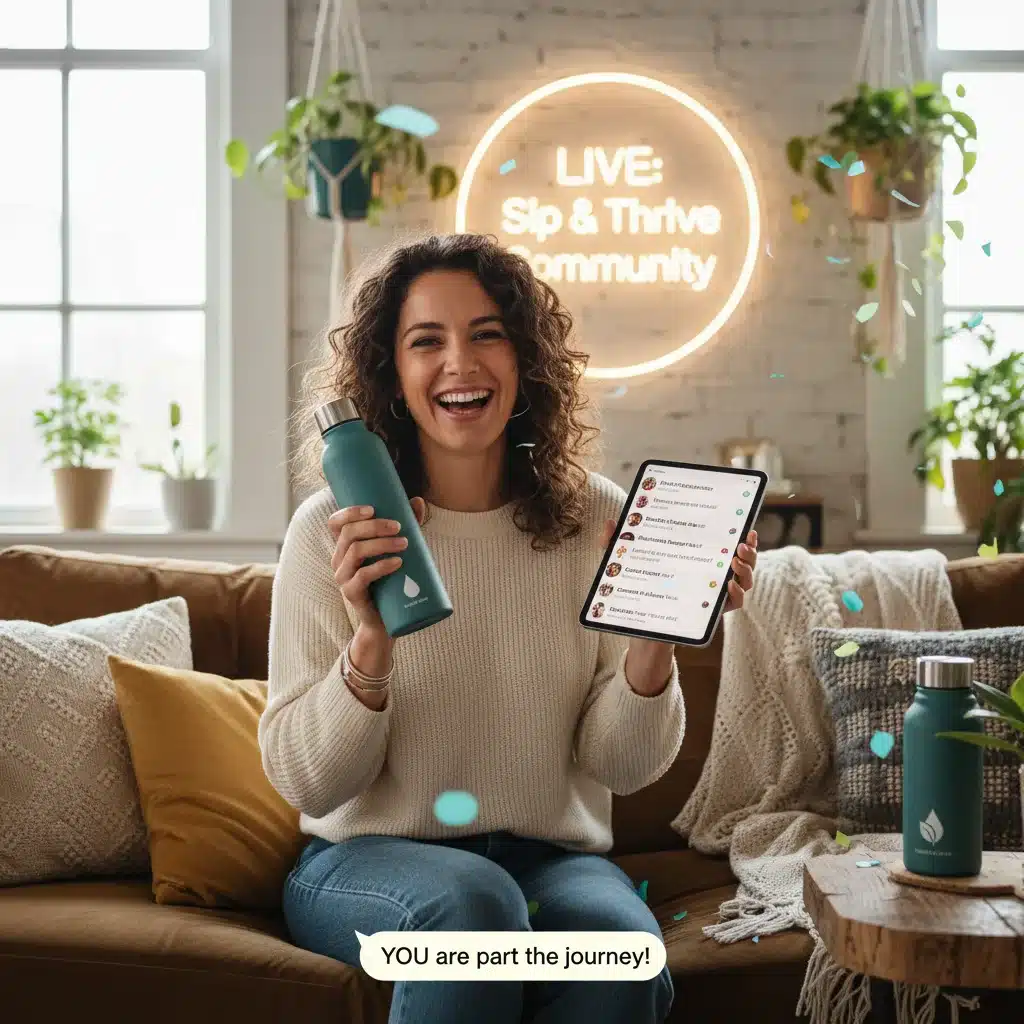
Rather than one large, monolithic community, brands may focus on fostering smaller, niche micro-communities centered around specific product lines, interests, or demographics. This allows for deeper, more tailored engagement and a stronger sense of belonging for individual members. Think of specialized groups within a larger ecosystem.
Sustainability and Social Impact as Community Drivers
Consumers are increasingly drawn to brands with a strong social and environmental conscience. Communities built around shared values related to sustainability, ethical sourcing, or social impact will grow in importance, attracting and retaining customers who want their purchases to align with their beliefs. Brands that genuinely embed these values will find it easier to connect with purpose-driven consumers.
Conclusion: Your Roadmap to 20% Repeat Purchases by 2026
The journey to increasing repeat purchases by 20% in 2026 through DTC Community Building is not a sprint, but a marathon. It requires commitment, empathy, and a genuine desire to connect with your customers on a deeper level. By defining your purpose, fostering authentic interactions, providing immense value, and strategically rewarding loyalty, you can transform your customer base into a powerful engine of growth.
Remember, a strong community is a living, breathing entity that evolves with your brand and your customers. Invest in it, nurture it, and watch as your brand not only thrives commercially but also builds a legacy of loyal advocates. The future belongs to brands that prioritize connection over transaction, and community over fleeting sales. Start building your loyal DTC community today, and reap the rewards of sustained growth and unparalleled customer devotion for years to come.