Computer Vision for Retail: Cut Labor Costs 25% by 2026
Implementing Computer Vision for Automated Shelf Auditing: Cutting Labor Costs by 25% in Large Retailers by Early 2026
The retail landscape is in a constant state of evolution, driven by consumer demands, technological advancements, and the relentless pursuit of operational efficiency. For large retailers, managing vast inventories across numerous stores presents a monumental challenge, particularly when it comes to maintaining optimal shelf conditions. Traditional methods of shelf auditing – manual checks performed by store associates – are time-consuming, prone to human error, and represent a significant portion of operational labor costs. However, a revolutionary solution is rapidly gaining traction: retail computer vision for automated shelf auditing. This innovative technology promises not only to streamline operations but also to deliver substantial labor cost reductions, with projections indicating a potential 25% cut in large retail chains by early 2026.
The imperative for large retailers to embrace advanced technologies like retail computer vision is clearer than ever. In an environment where margins are tight and customer experience is paramount, optimizing every aspect of store operations is crucial. Automated shelf auditing, powered by sophisticated AI algorithms, offers a strategic pathway to achieving these goals. It enables real-time insights into product availability, placement, and pricing, freeing up valuable human resources to focus on higher-value tasks such as customer engagement and complex problem-solving. This article will delve into the mechanics of retail computer vision for shelf auditing, explore its multifaceted benefits, discuss implementation strategies, and provide a roadmap for achieving significant labor cost savings.
The Manual Burden: Why Traditional Shelf Auditing Fails Modern Retail
Before diving into the transformative power of retail computer vision, it’s essential to understand the limitations of current practices. Manual shelf auditing, while seemingly straightforward, is fraught with inefficiencies:
- Time-Consuming: Store associates spend countless hours walking aisles, visually inspecting shelves for out-of-stocks, misplaced items, and incorrect labels. This is particularly burdensome in large format stores with thousands of SKUs.
- Prone to Error: Human fatigue, distractions, and subjective interpretations can lead to inaccuracies. An associate might miss an empty slot, misread a price tag, or incorrectly identify a product variation.
- Delayed Insights: By the time a manual audit is completed, the information might already be outdated. Stock levels fluctuate rapidly, and a problem identified an hour ago could have compounded.
- High Labor Costs: The sheer volume of labor required for consistent and thorough manual auditing translates directly into significant operational expenses. These costs directly impact profitability and limit the retailer’s ability to invest in other areas.
- Opportunity Cost: When associates are busy auditing shelves, they are not engaging with customers, replenishing stock from the backroom, or performing other tasks that directly contribute to sales and customer satisfaction.
These challenges highlight a critical need for a more efficient, accurate, and cost-effective approach. This is precisely where retail computer vision steps in, offering a paradigm shift in how retailers manage their physical store environments.
What is Retail Computer Vision for Shelf Auditing?
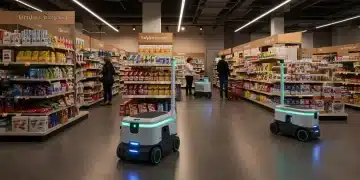
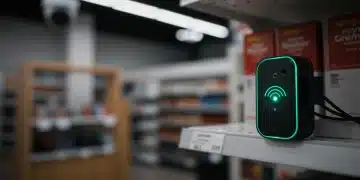
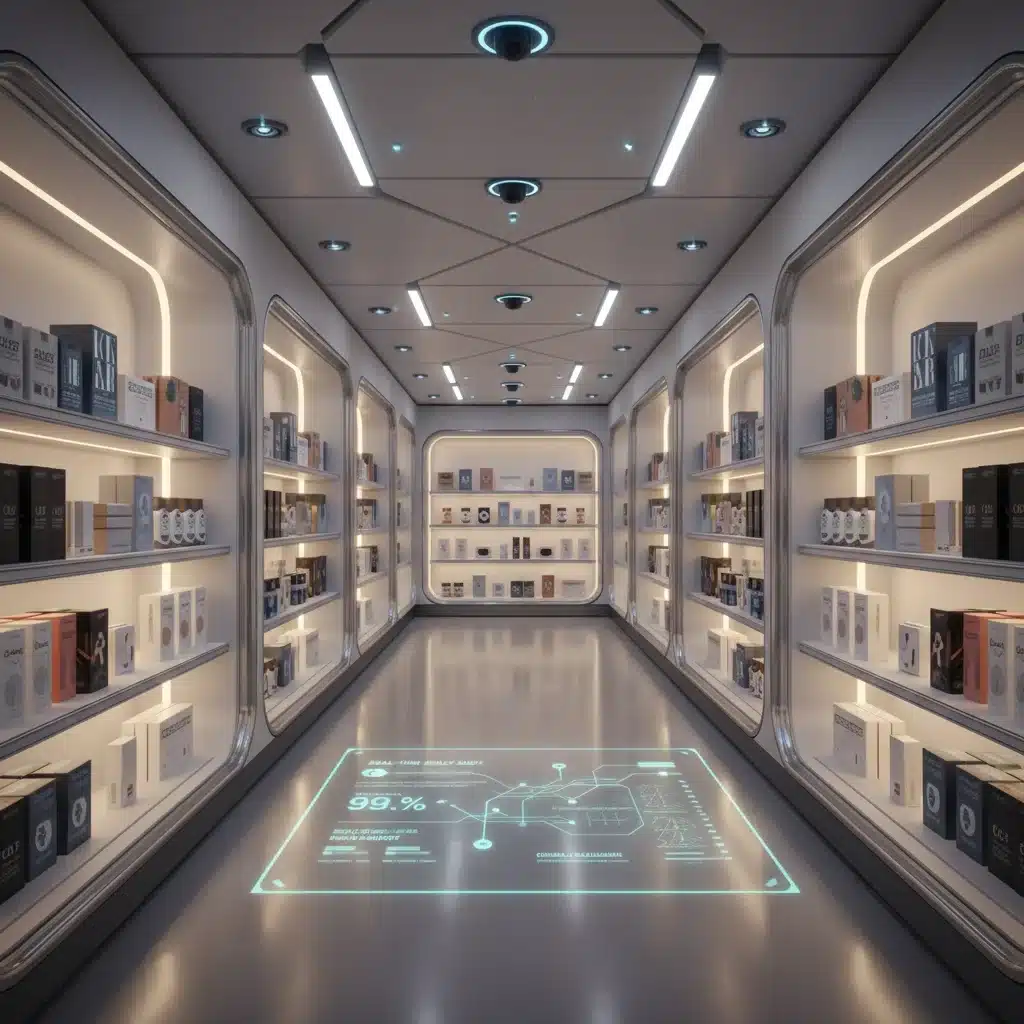
Retail computer vision for shelf auditing involves deploying cameras strategically throughout a store, often mounted on ceilings, shelves, or even integrated into robotic solutions. These cameras continuously capture images and video footage of product displays. Advanced AI and machine learning algorithms then process this visual data in real-time to:
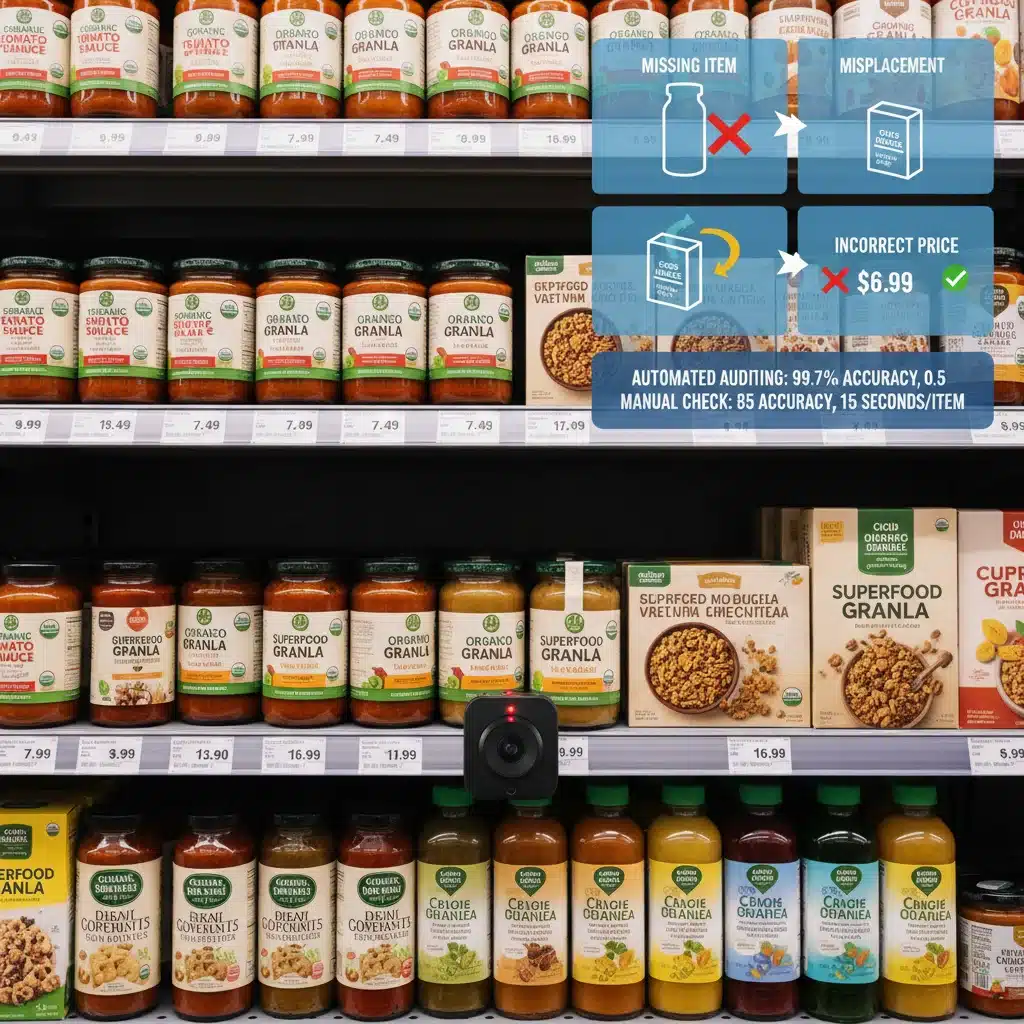
- Detect Out-of-Stocks (OOS): Identify empty shelf spaces or low stock levels for specific products.
- Monitor Planogram Compliance: Ensure products are placed according to the predetermined layout, crucial for brand visibility and customer navigation.
- Verify Pricing Accuracy: Cross-reference displayed prices with the central database, flagging discrepancies.
- Identify Missing or Misplaced Products: Detect items that are in the wrong location or entirely absent from where they should be.
- Track Product Facings: Analyze the number of product facings to ensure optimal presentation and inventory visibility.
- Analyze Shelf Share: Provide insights into the amount of shelf space allocated to different brands or product categories.
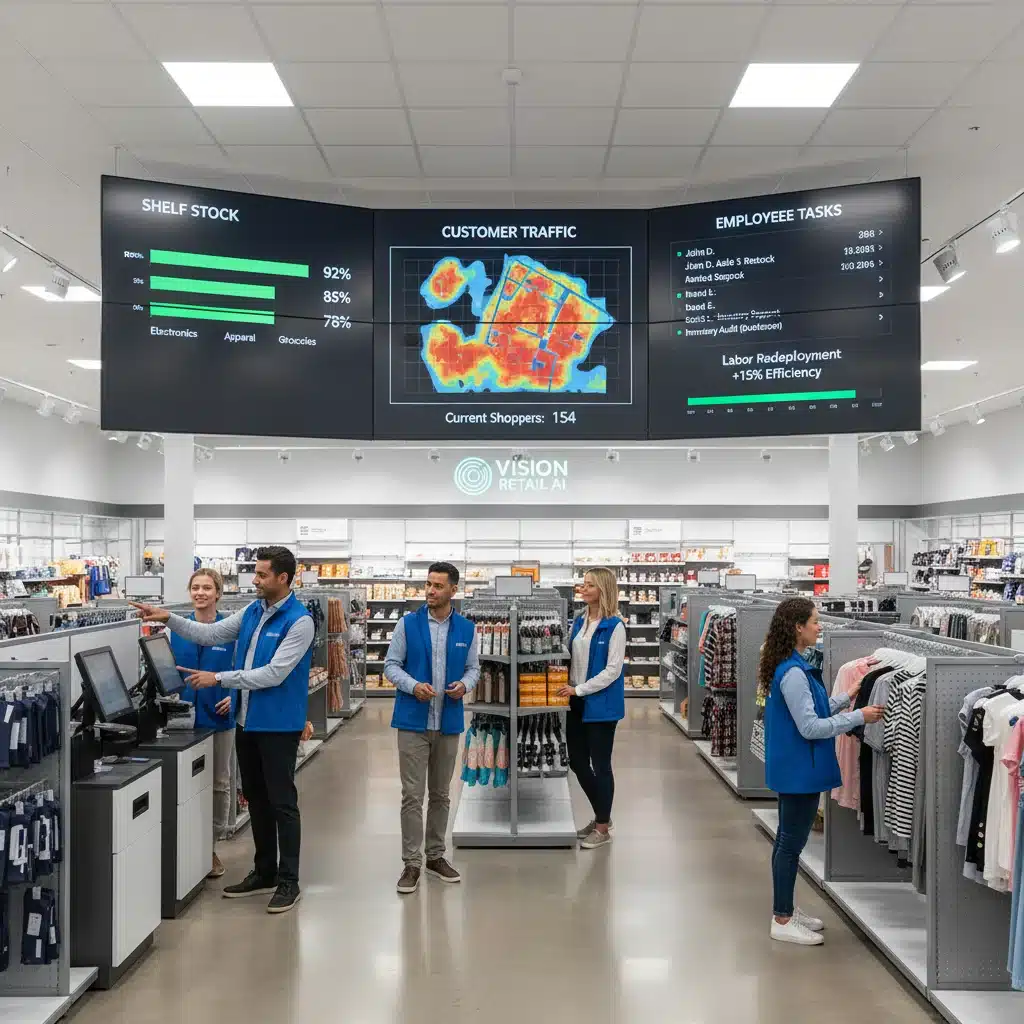
The output of these analyses is actionable data, delivered to store managers and associates through dashboards and alerts. This allows for immediate intervention, preventing lost sales due to OOS and improving the overall shopping experience.
The Path to 25% Labor Cost Reduction by Early 2026
Achieving a 25% reduction in labor costs through retail computer vision is an ambitious yet entirely attainable goal for large retailers. This reduction isn’t solely about eliminating jobs; it’s about optimizing human capital and reallocating resources to more impactful areas. Here’s how it breaks down:
1. Automating Repetitive Tasks
The most direct impact of retail computer vision is the automation of routine, repetitive tasks previously performed by human associates. Manual shelf audits, stock checks, and planogram compliance verification can be largely handled by AI. This frees up significant chunks of time for employees, which can be quantified and translated into labor cost savings.
2. Optimizing Task Assignment and Prioritization
Instead of associates aimlessly wandering aisles, retail computer vision provides precise, real-time data on exactly where issues lie. Store managers can receive alerts – "Aisle 5, shampoo section, three out-of-stocks" – allowing them to dispatch associates directly to the problem area. This eliminates wasted time and ensures that staff are addressing the most critical issues first, leading to more efficient use of labor hours.
3. Reducing "Hidden" Labor Costs
Beyond direct auditing time, manual processes incur "hidden" labor costs. These include time spent searching for misplaced items, correcting pricing errors after customer complaints, and the labor associated with managing customer dissatisfaction due to OOS. By proactively addressing these issues through automated monitoring, retail computer vision minimizes these indirect labor expenditures.
4. Enhanced Inventory Accuracy and Reduced Shrinkage
While not a direct labor cost reduction, improved inventory accuracy driven by retail computer vision has a significant financial impact. Accurate stock counts reduce instances of "phantom inventory" (items showing as in stock but absent from shelves), leading to fewer manual investigations and adjustments. Furthermore, by identifying discrepancies quickly, the system can indirectly help deter certain types of shrinkage, reducing the labor associated with loss prevention efforts.
5. Strategic Redeployment of Labor
Crucially, the 25% labor cost reduction doesn’t necessarily mean a direct cut in headcount. For many large retailers, it signifies a strategic redeployment of their workforce. Associates who once spent hours on shelf auditing can now be shifted to roles that enhance customer experience, such as personalized assistance, merchandising, or fulfilling online orders for in-store pickup. This improves overall store performance and leverages human skills where they are most valuable.
Key Components of a Successful Retail Computer Vision Implementation
Implementing retail computer vision effectively requires careful planning and consideration of several key components:
1. High-Quality Camera Infrastructure
The foundation of any retail computer vision system is robust camera hardware. This includes selecting the right types of cameras (e.g., overhead, shelf-mounted, mobile robots), ensuring adequate coverage, and integrating them seamlessly into the store environment without disrupting operations or aesthetics.
2. Advanced AI and Machine Learning Algorithms
The intelligence behind the system lies in its algorithms. These need to be highly accurate in object detection, classification, and anomaly detection. Training data must be diverse and representative of the retailer’s product assortment and store layouts to minimize errors and maximize performance.
3. Integration with Existing Retail Systems
For maximum impact, the retail computer vision system must integrate with other core retail platforms, such as Point of Sale (POS) systems, Enterprise Resource Planning (ERP), inventory management systems, and task management software. This ensures that data flows freely and insights are actionable within the existing operational framework.
4. User-Friendly Dashboards and Alert Systems
The insights generated by the system are only valuable if they are easily accessible and understandable by store personnel. Intuitive dashboards that highlight critical issues, customizable alerts, and mobile notifications are essential for enabling quick responses from associates and managers.
5. Data Security and Privacy Compliance
Given the deployment of cameras in a public space, robust data security measures and strict adherence to privacy regulations (e.g., GDPR, CCPA) are non-negotiable. Retailers must ensure that data is encrypted, stored securely, and used ethically.
Strategic Implementation Roadmap for Large Retailers
To achieve the projected 25% labor cost reduction by early 2026, large retailers should follow a phased implementation strategy:
Phase 1: Pilot Program and Proof of Concept (6-9 months)
- Select Pilot Stores: Choose a few representative stores (e.g., different sizes, layouts, product mixes) to test the technology.
- Define Clear KPIs: Establish measurable goals for the pilot, focusing on specific metrics like reduction in OOS, improvement in planogram compliance, and initial labor hour savings related to auditing.
- Hardware Installation: Install cameras and necessary infrastructure.
- Data Collection & Algorithm Training: Allow the system to collect data and fine-tune its AI models based on real-world store conditions.
- Initial Integration: Integrate with basic inventory and task management systems.
- Iterative Refinement: Continuously monitor performance, gather feedback from store associates, and make adjustments to the system.
Phase 2: Scaled Deployment and Optimization (12-18 months)
- Gradual Rollout: Expand the deployment to a larger number of stores, learning from the pilot and adjusting the rollout pace as needed.
- Advanced Integrations: Deepen integration with ERP, POS, and workforce management systems to unlock further efficiencies.
- Associate Training & Change Management: Provide comprehensive training for all affected personnel, focusing on how to use the new tools and how their roles will evolve. Emphasize the benefits of the technology for both the business and their individual productivity.
- Performance Monitoring & Benchmarking: Continuously track KPIs across all deployed stores, comparing performance against baselines and identifying areas for further optimization.
- Quantify Labor Savings: Begin to accurately measure and report on the labor hours saved and reallocated.
Phase 3: Full-Scale Integration and Continuous Improvement (18-24+ months)
- Enterprise-Wide Deployment: Roll out the retail computer vision solution across the entire chain.
- Advanced Analytics & Predictive Capabilities: Leverage the vast amount of data collected to develop predictive models for demand forecasting, optimal planogram adjustments, and proactive problem identification.
- Further Automation: Explore opportunities to automate other visual tasks within the store, such as queue management, customer flow analysis, and even quality control for fresh produce.
- Strategic Labor Reallocation: Formalize programs for upskilling and redeploying associates into higher-value roles, ensuring that the labor cost savings are realized through increased productivity and enhanced customer experience, rather than simply headcount reduction.
- Ongoing ROI Measurement: Regularly assess the return on investment, not just in labor costs but also in increased sales, reduced waste, and improved customer satisfaction.
Benefits Beyond Labor Cost Reduction
While the 25% labor cost reduction is a compelling driver, retail computer vision offers a multitude of other benefits that contribute to overall profitability and competitive advantage:
- Increased Sales: By ensuring shelves are always stocked and products are correctly displayed, retailers minimize lost sales due to OOS and improve the chances of impulse purchases.
- Enhanced Customer Experience: Shoppers are less frustrated by empty shelves, incorrect prices, or difficulty finding items, leading to higher satisfaction and loyalty.
- Improved Operational Efficiency: Real-time data empowers managers to make faster, more informed decisions, optimizing everything from restocking schedules to promotional displays.
- Better Inventory Management: Accurate shelf data improves the overall accuracy of inventory records, leading to better forecasting, reduced overstocking, and minimized waste.
- Data-Driven Merchandising: Insights into actual product performance on shelves can inform future planogram decisions, optimizing layouts for maximum sales.
- Competitive Advantage: Retailers who adopt this technology early will gain a significant edge over competitors still relying on manual, inefficient processes.
Addressing Challenges and Future Considerations
Implementing retail computer vision is not without its challenges. Retailers must be prepared to address:
- Initial Investment: The cost of hardware, software, and integration can be substantial, requiring a clear ROI justification.
- Data Volume and Processing: Managing and processing the vast amounts of visual data generated requires robust IT infrastructure.
- Accuracy Limitations: While highly accurate, no system is 100% perfect. Edge cases, unusual product packaging, or poor lighting can sometimes lead to errors that require human intervention.
- Integration Complexity: Integrating with disparate legacy systems can be complex and time-consuming.
- Change Management: Overcoming employee resistance and ensuring proper training is crucial for successful adoption.
- Scalability: Ensuring the solution can scale efficiently across hundreds or thousands of stores is vital.
Looking ahead, the capabilities of retail computer vision will only continue to expand. We can expect to see more sophisticated analytics, predictive maintenance for store equipment, enhanced security features, and even personalized in-store experiences driven by visual data. The convergence of computer vision with robotics will also become more prevalent, with autonomous robots performing tasks like shelf scanning and even basic restocking.
Conclusion: The Imperative for Retail Innovation
The retail industry is at a pivotal moment. The forces of digital transformation, evolving consumer expectations, and the persistent need for efficiency demand innovative solutions. Retail computer vision for automated shelf auditing stands out as a technology with the power to fundamentally alter the operational landscape of large retailers. By meticulously monitoring and analyzing shelf conditions in real-time, this technology promises to significantly reduce labor costs associated with manual auditing – a projected 25% cut by early 2026 is well within reach for proactive adopters.
Beyond the immediate financial gains, embracing retail computer vision fosters a more agile, data-driven, and customer-centric retail environment. It allows human capital to be redirected from mundane tasks to value-adding activities, enhancing both employee satisfaction and customer loyalty. For large retailers looking to solidify their competitive position, optimize their operations, and prepare for the future of commerce, investing in and strategically implementing retail computer vision is no longer an option – it’s an imperative.