2026 Digital Shelf: US Retailers Adapting to Online Discovery Surge

The 2026 Digital Shelf: How US Retailers Are Adapting to a 15% Increase in Online Product Discovery
The retail landscape is in a constant state of flux, driven by technological advancements and evolving consumer behaviors. As we look towards 2026, the digital shelf is projected to become an even more critical battleground for US retailers, with a significant 15% increase expected in online product discovery. This isn’t just a trend; it’s a fundamental shift that demands proactive adaptation. Retailers who fail to embrace this transformation risk being left behind in an increasingly competitive market. The concept of the digital shelf extends far beyond a simple e-commerce website; it encompasses every digital touchpoint where a potential customer can encounter, research, and ultimately decide to purchase a product. From search engine results and social media feeds to online marketplaces, review sites, and even emerging metaverse platforms, the avenues for product discovery are proliferating. Understanding and optimizing this complex ecosystem is paramount for sustained success.
The projected 15% surge in online product discovery by 2026 is a wake-up call for US retailers. This growth isn’t uniform; it’s influenced by a confluence of factors including the continued rise of mobile shopping, the increasing sophistication of AI-powered recommendation engines, and the growing consumer comfort with digital-first purchasing journeys. This article will delve into the strategies and innovations US retailers are implementing to navigate this evolving terrain, ensuring their products not only appear on the digital shelf but also stand out effectively. We’ll explore how they are enhancing product visibility, optimizing content, leveraging data analytics, and embracing emerging technologies to capture the attention of an ever-more discerning online shopper. The ability to effectively manage and optimize the digital shelf adaptation will be the hallmark of successful retail in the coming years.
Understanding the Shifting Sands of Online Product Discovery
Before diving into adaptation strategies, it’s crucial to grasp the underlying forces driving this significant increase in online product discovery. Consumers today are more empowered than ever. They conduct extensive research, compare prices, read reviews, and seek personalized recommendations before making a purchase. This behavior is fueled by the sheer accessibility of information online. Social media platforms have evolved beyond mere communication tools to become powerful discovery engines, with influencers and user-generated content playing a pivotal role in shaping purchasing decisions. Search engines, once primarily text-based, now offer rich visual results, product carousels, and direct shopping links, making discovery more immediate and visually engaging.
Moreover, the rise of voice search and smart home devices is adding another layer to the discovery process. Consumers can now verbally inquire about products, compare options, and even place orders without ever touching a screen. This hands-free interaction presents both challenges and opportunities for retailers. Furthermore, the proliferation of specialized online marketplaces, catering to niche interests and unique product categories, means that consumers have an unprecedented array of options at their fingertips. This fragmentation of the online retail landscape necessitates a holistic approach to digital shelf adaptation, ensuring that products are discoverable across all relevant channels.
The COVID-19 pandemic significantly accelerated the shift to online shopping, forcing many hesitant consumers to embrace e-commerce. While some aspects of in-person shopping have returned, the convenience and efficiency of online discovery have cemented its place as a primary method for finding products. This sustained growth trajectory, culminating in the projected 15% increase by 2026, underscores the urgency for retailers to refine their digital strategies. Those who treat their online presence as an afterthought will struggle to compete with those who view the digital shelf as a core component of their business model.
Key Pillars of Digital Shelf Adaptation for US Retailers
To effectively navigate the surge in online product discovery, US retailers are focusing on several key strategic pillars. These pillars are interconnected and require a coordinated effort across various departments, from marketing and sales to product development and IT. The goal is not just to be present online, but to be discoverable, desirable, and ultimately, to convert browsers into buyers. The essence of successful digital shelf adaptation lies in a deep understanding of the customer journey and optimizing every touchpoint.
1. Enhanced Product Content and SEO Optimization
In the digital realm, your product content is your storefront, your salesperson, and your brand ambassador all rolled into one. High-quality, comprehensive, and engaging product information is no longer a luxury but a necessity. This includes not just accurate descriptions and specifications, but also compelling imagery, high-definition videos, 360-degree views, and customer reviews. Retailers are investing heavily in rich media to provide an immersive and informative experience that mimics, and in some cases surpasses, the in-store experience.
Beyond aesthetics, search engine optimization (SEO) remains fundamental. This involves optimizing product titles, descriptions, and metadata with relevant keywords that consumers are using to search for products. It also extends to optimizing for voice search, anticipating natural language queries. Retailers are increasingly using AI-powered tools to analyze search trends and competitor strategies, allowing them to fine-tune their SEO efforts for maximum visibility. The goal is to rank highly on search engine results pages (SERPs) and within marketplace search functions, ensuring products are easily found by motivated buyers. Effective SEO is a continuous process, requiring constant monitoring and adjustment to stay ahead of algorithm changes and evolving search behaviors. It’s about being found precisely when a customer is looking for what you offer, making it a cornerstone of digital shelf adaptation.
2. Mastering Marketplace Strategies and Omnichannel Presence
The digital shelf isn’t a single entity; it’s a vast network of platforms. For many US retailers, this means having a robust presence on major online marketplaces like Amazon, Walmart, and eBay, as well as specialized platforms relevant to their product categories. Each marketplace has its own algorithms, best practices, and customer base, requiring tailored strategies. Retailers are focusing on optimizing product listings, managing inventory, and handling customer service across these diverse channels. The challenge lies in maintaining brand consistency and inventory accuracy across all platforms.
Beyond marketplaces, an omnichannel strategy is crucial. This involves seamlessly integrating online and offline experiences. For example, allowing customers to browse online, purchase in-store, or order online for in-store pickup. This flexibility caters to diverse consumer preferences and enhances the overall shopping journey. The physical store can become a showroom for online products, and the online store can offer an extended catalog not available in brick-and-mortar locations. This integrated approach ensures that no matter where or how a customer chooses to interact, the experience is consistent and frictionless, a vital component of successful digital shelf adaptation.
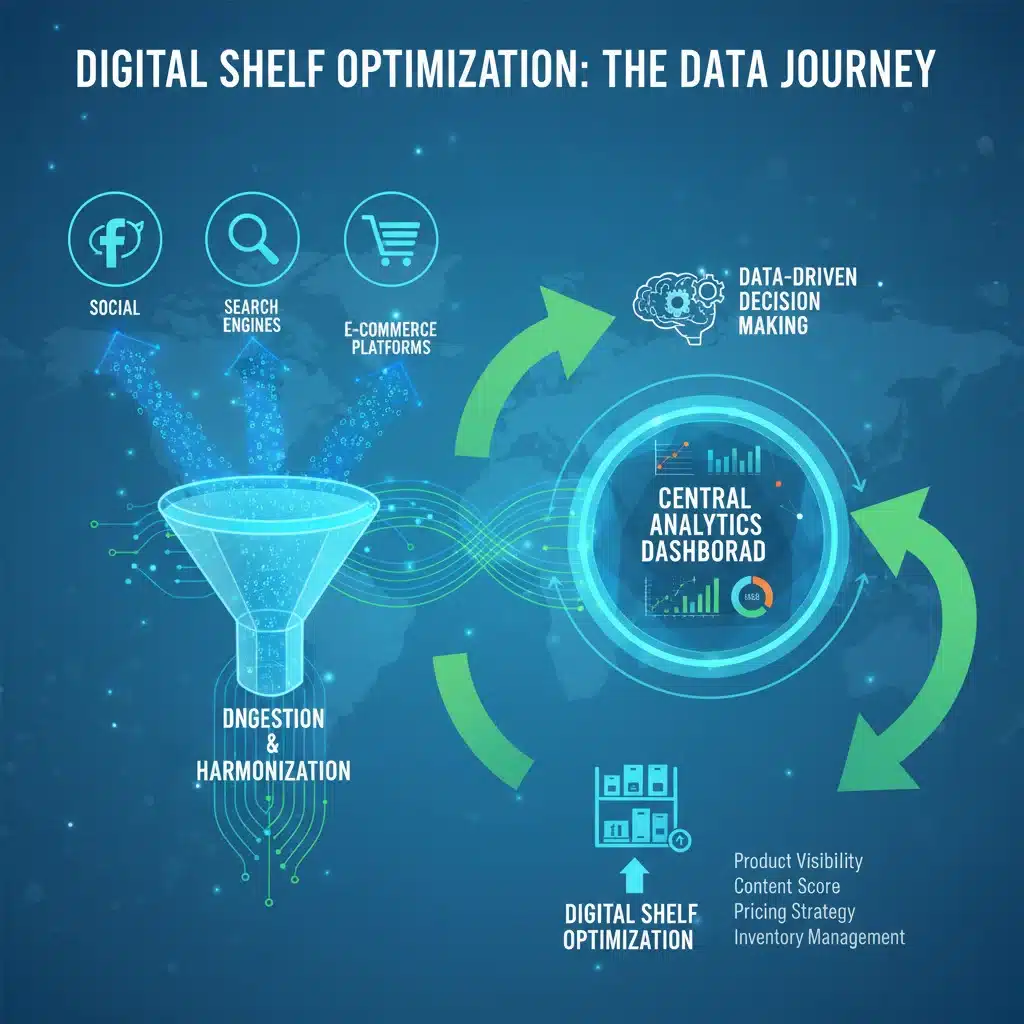
3. Leveraging Data Analytics and AI for Personalized Discovery
The sheer volume of data generated by online interactions presents an unparalleled opportunity for retailers. By harnessing big data analytics and artificial intelligence (AI), retailers can gain deep insights into consumer behavior, preferences, and purchasing patterns. This data is being used to personalize product recommendations, optimize pricing strategies, and tailor marketing messages. AI-powered recommendation engines, a staple of leading e-commerce sites, are becoming more sophisticated, predicting what a customer might want even before they explicitly search for it.
Beyond recommendations, AI is also being deployed for dynamic pricing, inventory management, and fraud detection. Predictive analytics allows retailers to anticipate demand, optimize stock levels, and reduce waste. Furthermore, AI-driven chatbots and virtual assistants are enhancing customer service, providing instant support and guiding customers through the discovery process. The ability to analyze vast datasets and extract actionable insights is becoming a significant competitive differentiator in the realm of digital shelf adaptation. Those who can effectively use data to understand and serve their customers better will undoubtedly gain an edge.
4. Embracing Emerging Technologies: AR, VR, and the Metaverse
While still in nascent stages for widespread retail adoption, augmented reality (AR), virtual reality (VR), and the nascent metaverse are poised to revolutionize online product discovery. AR allows customers to virtually ‘try on’ clothes, place furniture in their homes, or visualize products in their real-world environment using their smartphones. This reduces uncertainty and enhances confidence in online purchases, thereby reducing return rates. VR offers even more immersive experiences, transporting shoppers to virtual showrooms or allowing them to interact with products in a simulated environment.
The metaverse, a persistent, interconnected virtual world, represents the next frontier. While the full scope of retail in the metaverse is still unfolding, brands are already experimenting with virtual stores, digital product twins, and immersive brand experiences. Early adopters are building communities and engaging with customers in entirely new ways, creating unique discovery pathways. US retailers are closely monitoring these developments, investing in research and development, and conducting pilot programs to understand how these technologies can be integrated into their digital shelf adaptation strategies. While the immediate impact might be limited, the long-term potential for these technologies to reshape product discovery is immense.

5. Prioritizing Customer Experience and Trust
In an increasingly crowded digital marketplace, customer experience is paramount. A seamless, intuitive, and enjoyable online shopping journey fosters loyalty and encourages repeat purchases. This includes fast and reliable website performance, easy navigation, clear product information, and a streamlined checkout process. Any friction points in the customer journey can lead to abandonment and lost sales.
Building trust is equally important. This involves transparent pricing, clear return policies, secure payment gateways, and responsive customer support. Online reviews and ratings play a crucial role in building trust, as consumers often rely on the experiences of others before making a purchase. Retailers are actively managing their online reputation, responding to feedback, and fostering positive customer relationships. In an environment where options are limitless, a positive customer experience and a strong sense of trust can be the ultimate differentiators, making them integral to effective digital shelf adaptation.
Challenges and Opportunities in Digital Shelf Adaptation
While the opportunities presented by a growing digital shelf are immense, US retailers also face significant challenges. The rapid pace of technological change means that strategies must be constantly evaluated and updated. Staying abreast of new platforms, algorithms, and consumer behaviors requires continuous investment in technology and talent. Data privacy concerns are also growing, necessitating careful handling of customer data and transparent practices to maintain trust.
Furthermore, the competitive landscape is intensifying. Not only are traditional retailers vying for attention, but direct-to-consumer (DTC) brands and international players are also entering the market, often with agile digital-first strategies. This heightened competition demands greater innovation and efficiency from US retailers. The cost of acquiring new customers online can also be substantial, pushing retailers to focus on retention and lifetime value.
However, these challenges also present opportunities. The ability to collect and analyze vast amounts of data allows for unprecedented personalization and efficiency. Emerging technologies offer novel ways to engage customers and differentiate products. The shift to a digital-first mindset encourages innovation and creativity in marketing and product development. Retailers who view these challenges as catalysts for growth, rather than insurmountable obstacles, are better positioned for success in their digital shelf adaptation journey.
The Future of the Digital Shelf: Beyond 2026
Looking beyond the 2026 projection, the digital shelf will continue to evolve at an accelerated pace. We can anticipate even greater integration of AI into every aspect of the shopping journey, from hyper-personalized recommendations to predictive purchasing. The lines between physical and digital retail will blur further, with technologies like smart mirrors, interactive displays, and immersive in-store AR experiences becoming more commonplace. The metaverse, once fully realized, could offer entirely new economies and avenues for product discovery and consumption.
Sustainability and ethical sourcing will also play an increasingly important role in online product discovery. Consumers are becoming more conscious of the environmental and social impact of their purchases, and retailers will need to provide transparent information about their supply chains and practices. Brands that can authentically communicate their values through their digital presence will resonate more deeply with consumers, fostering loyalty and driving discovery. The focus will shift from merely presenting products to telling compelling brand stories and building meaningful relationships with customers.
The digital shelf adaptation is not a one-time project but an ongoing commitment to innovation, customer-centricity, and technological prowess. US retailers who embrace this mindset will not only survive but thrive in the dynamic retail environment of the future, turning the challenge of increased online product discovery into a powerful engine for growth and sustained competitive advantage.
Conclusion: A Proactive Stance for Digital Dominance
The projected 15% increase in online product discovery by 2026 signals a definitive shift in consumer behavior and the retail landscape. For US retailers, this is not merely a forecast but a call to action. Successful digital shelf adaptation demands a multifaceted approach that encompasses superior product content, robust SEO, strategic marketplace presence, data-driven personalization, and an embrace of emerging technologies like AR and VR. Furthermore, prioritizing an exceptional customer experience and building unwavering trust are foundational elements for long-term success.
The retailers who will lead the market in 2026 and beyond are those who view their digital shelf as a dynamic, evolving ecosystem requiring constant attention and investment. They are the ones who understand that online product discovery is not just about visibility, but about creating meaningful connections with consumers at every digital touchpoint. By proactively addressing these shifts and continuously innovating, US retailers can not only meet the demands of a digitally-savvy consumer base but also redefine the future of retail itself, securing their place at the forefront of the e-commerce revolution. The time to adapt is now, ensuring that their products are not just found, but truly discovered and desired in the vast and ever-expanding digital realm.