Omnichannel Retail Shifts: Boost U.S. Sales 20% by 2026
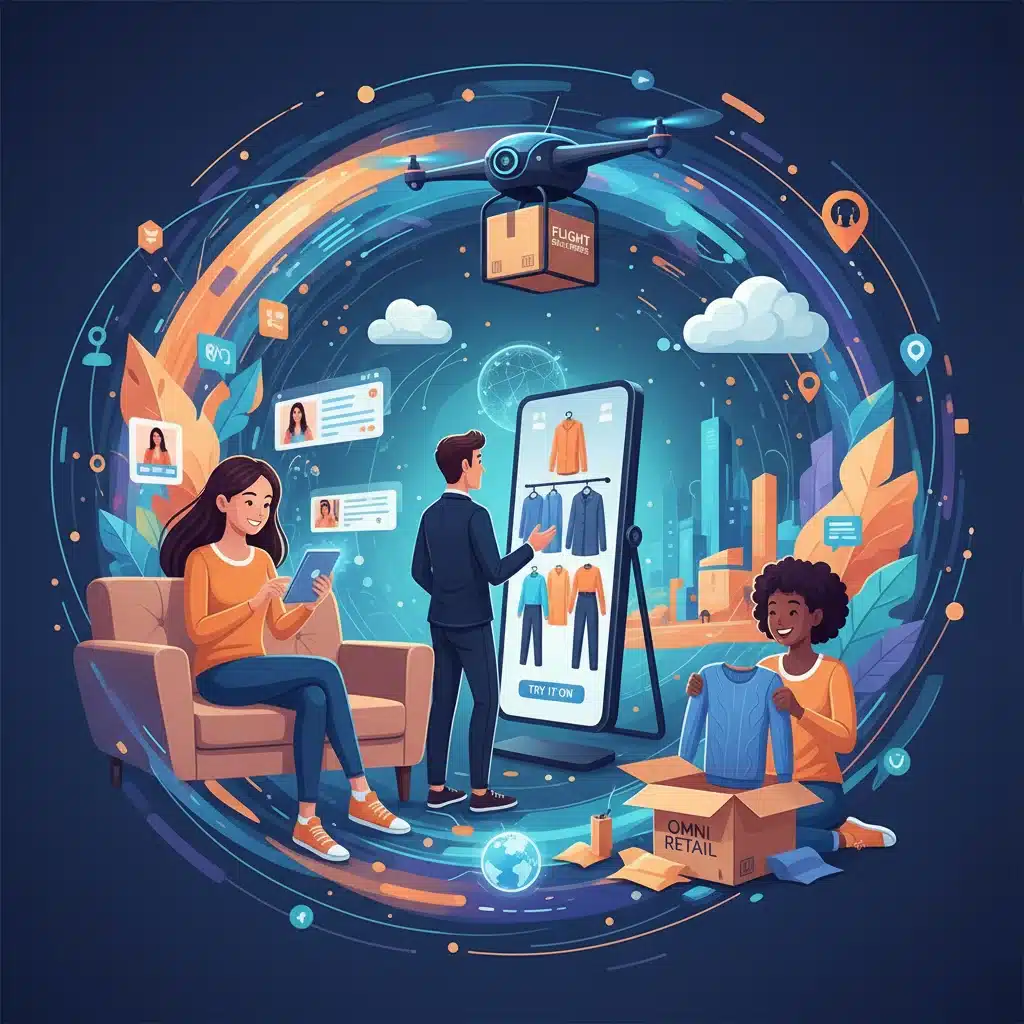
The 3 Critical Omnichannel Shifts U.S. Retailers Must Adopt by 2026 for a 20% Sales Uplift
The retail landscape in the United States is undergoing a seismic transformation. Consumer expectations are higher than ever, technology is evolving at an unprecedented pace, and the lines between online and offline shopping continue to blur. For U.S. retailers to not only survive but thrive in this dynamic environment, a proactive and strategic approach to omnichannel retail is no longer optional – it’s imperative. Our analysis indicates that by adopting three critical omnichannel retail shifts, U.S. retailers can realistically achieve a significant 20% sales uplift by 2026.
This comprehensive guide will delve into these pivotal shifts, providing actionable insights and highlighting the technologies and strategies necessary to implement them successfully. From creating a truly unified customer experience to leveraging data for hyper-personalization and building an agile, resilient supply chain, we will explore how these transformations can redefine retail success.
The concept of ‘omnichannel’ has moved beyond being a buzzword; it is now the foundational framework for modern retail. It’s not merely about having multiple channels, but about seamlessly integrating them to create a cohesive and consistent customer journey, regardless of how or where the customer chooses to interact with your brand. The stakes are high, but so are the rewards for those who embrace these necessary omnichannel retail shifts.
Understanding the Imperative for Omnichannel Retail Shifts
Before we dive into the specific shifts, it’s crucial to understand why these changes are so vital for U.S. retailers. The modern consumer is empowered by information and choice. They expect convenience, personalization, and a frictionless experience across all touchpoints. A recent study by Google found that 85% of shoppers start a purchase on one device and finish on another, highlighting the fragmented yet interconnected nature of their journey. This behavior necessitates a retail strategy that mirrors this fluidity.
Furthermore, the competitive landscape is fiercer than ever. Digital-native brands are continually raising the bar, while established players are racing to adapt. Retailers who fail to evolve their approach to customer engagement and operational efficiency risk being left behind. The 20% sales uplift by 2026 is not an arbitrary number; it represents the growth potential for businesses that successfully implement these strategic omnichannel retail shifts, capturing market share and fostering deeper customer loyalty.
The Evolution of Retail: From Multichannel to Omnichannel
To fully grasp the significance of these shifts, let’s briefly differentiate between ‘multichannel’ and ‘omnichannel.’ While often used interchangeably, they represent distinct approaches:
- Multichannel: This strategy involves offering customers various ways to interact with your brand – a physical store, an e-commerce website, a mobile app, social media, etc. However, these channels often operate in silos, with little to no integration between them. A customer’s experience in one channel might not be reflected in another, leading to frustration.
- Omnichannel: This is a more integrated and customer-centric approach. All channels are connected and work in harmony to provide a unified, consistent, and personalized experience. The customer can start a journey in one channel and seamlessly continue it in another, with their preferences and history accessible across all touchpoints. This is the essence of the omnichannel retail shifts we’ll discuss.
The transition from multichannel to true omnichannel is complex but essential. It requires a fundamental rethinking of technology, processes, and organizational structure. The goal is to put the customer at the very center of every decision, creating an experience that feels intuitive and effortless.
Shift 1: Unifying the Customer Experience Across All Touchpoints
The first and perhaps most critical of the omnichannel retail shifts is the complete unification of the customer experience. This goes beyond simply having an online store and a physical store; it means ensuring that every interaction, whether online, in-store, via mobile, or through customer service, feels like a coherent part of a single brand journey. The customer should not perceive different ‘versions’ of your brand depending on the channel they use.
Key Components of a Unified Customer Experience:
- Consistent Branding and Messaging: From visual aesthetics to tone of voice, ensure your brand identity is consistent across all platforms. This builds trust and reinforces brand recognition.
- Seamless Inventory Visibility: Customers expect to know if a product is available before they commit to a purchase. This means real-time inventory updates accessible across your website, app, and in-store systems. Imagine a customer checking online if a specific size of shoe is available at their local store before making a trip – this is a fundamental expectation today.
- Integrated Customer Service: A customer should be able to contact support via chat, email, phone, or social media, and their query history should be accessible to any representative, regardless of the channel. This prevents repetitive explanations and speeds up resolution times.
- Harmonized Pricing and Promotions: Discrepancies in pricing or promotional offers between channels can lead to customer dissatisfaction. Ensure consistency to avoid confusion and maintain fairness.
- Flexible Fulfillment Options: Offer a variety of options like Buy Online, Pick Up In Store (BOPIS), Ship-from-Store, and local delivery. These options cater to diverse customer preferences and provide convenience, a cornerstone of successful omnichannel retail shifts.
Implementing Unified Customer Experience: Practical Steps
Achieving this level of unification requires significant technological investment and organizational alignment. Here are some practical steps:
- Centralized Customer Data Platform (CDP): A CDP is essential for collecting, unifying, and activating customer data from all touchpoints. This single source of truth allows for a holistic view of each customer.
- Robust E-commerce Platform: Invest in a flexible and scalable e-commerce platform that can integrate with other systems (POS, CRM, inventory management).
- POS System Integration: Your Point of Sale (POS) system in physical stores should be fully integrated with your online platforms, allowing for consistent data capture and seamless transactions.
- Employee Training: Your staff across all channels must be trained to understand and support the omnichannel vision. They are the front line of your brand and play a crucial role in delivering a unified experience.
- Customer Journey Mapping: Map out typical customer journeys to identify pain points and opportunities for improvement across different channels. This exercise is vital for understanding where to focus your efforts in these omnichannel retail shifts.
By prioritizing a unified customer experience, U.S. retailers can build stronger relationships with their customers, foster loyalty, and significantly contribute to that 20% sales uplift. It’s about creating a frictionless and delightful experience that keeps customers coming back.
Shift 2: Leveraging Data-Driven Personalization at Scale
The second critical omnichannel retail shift involves moving beyond basic segmentation to true data-driven personalization at scale. In an age where consumers are bombarded with information, generic marketing messages simply don’t cut through the noise. Personalization, when executed effectively, makes customers feel understood and valued, leading to increased engagement, conversion rates, and ultimately, sales.
Personalization isn’t just about addressing a customer by their first name in an email. It encompasses tailored product recommendations, customized offers, relevant content, and even personalized in-store experiences based on their past behavior, preferences, and real-time context. The key is to use the vast amounts of data collected across all omnichannel touchpoints to create truly unique and meaningful interactions.
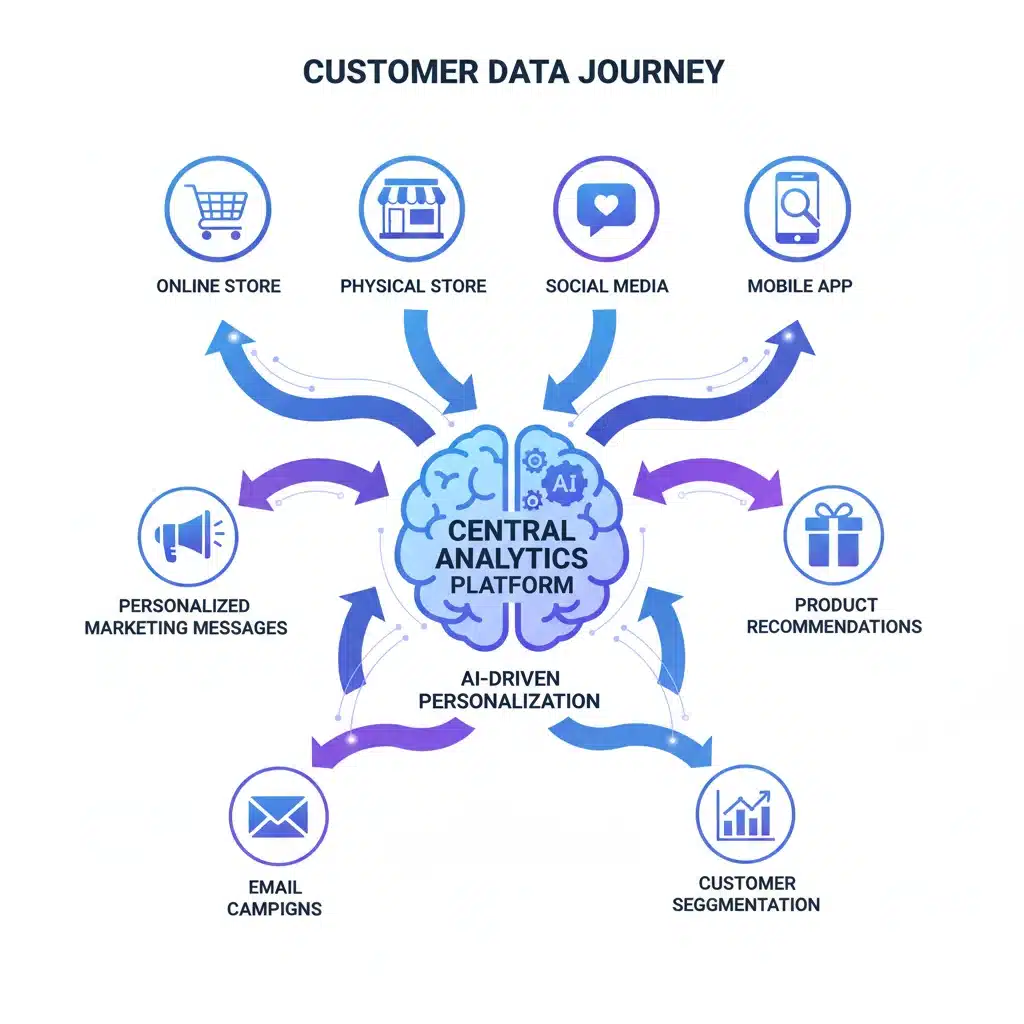
The Power of Data for Personalization:
- Behavioral Data: Track website browsing history, abandoned carts, purchase history, search queries, and interactions with marketing emails.
- Demographic Data: Age, location, gender, income level (where available and consented).
- Psychographic Data: Lifestyle, interests, values, and attitudes, often inferred from engagement patterns.
- Contextual Data: Time of day, device used, weather, current location (for in-store experiences).
- Feedback Data: Customer reviews, survey responses, and direct feedback.
By bringing all this data together in a centralized CDP, retailers can build comprehensive customer profiles that inform every aspect of the shopping journey. This is where the magic of these omnichannel retail shifts truly comes to life.
Strategies for Data-Driven Personalization:
- Personalized Product Recommendations: Leverage AI and machine learning algorithms to suggest products based on past purchases, browsing history, and what similar customers have bought. This can be implemented on websites, mobile apps, and even in-store via digital displays.
- Dynamic Website Content: Tailor website banners, landing pages, and product displays based on visitor segments or individual profiles. A returning customer interested in activewear should see relevant content immediately.
- Targeted Email and SMS Campaigns: Send personalized emails with product updates, exclusive offers, or abandoned cart reminders. Use SMS for timely notifications like order updates or localized promotions.
- In-Store Personalization: Use mobile apps to offer personalized discounts when a customer enters a store, or provide sales associates with access to customer profiles to offer tailored assistance. Smart mirrors can suggest outfits based on preferences.
- Personalized Customer Service: When a customer contacts support, the representative should have instant access to their purchase history, previous interactions, and preferences, allowing for a more efficient and empathetic resolution.
Challenges and Considerations:
- While the benefits are clear, implementing data-driven personalization at scale comes with its challenges:
- Data Privacy and Security: Adhering to regulations like CCPA and building customer trust around data usage is paramount. Transparency and clear consent mechanisms are essential.
- Technological Complexity: Integrating various data sources and deploying sophisticated AI/ML tools requires significant investment and expertise.
- Avoiding Creepiness: There’s a fine line between helpful personalization and feeling intrusive. Retailers must be mindful not to overstep boundaries and respect customer privacy.
By successfully navigating these challenges, U.S. retailers can unlock the immense potential of data to create highly personalized experiences that drive engagement, loyalty, and a substantial portion of that projected 20% sales uplift. This shift is about moving from mass marketing to a ‘segment of one’ approach, where every customer interaction is optimized for relevance and value.
Shift 3: Building Agile and Resilient Supply Chains
The third critical omnichannel retail shift, often overlooked but equally vital, is the transformation of the supply chain into an agile and resilient network. The COVID-19 pandemic starkly exposed the vulnerabilities of traditional, linear supply chains. Disruptions can occur at any point, from manufacturing delays to shipping bottlenecks, directly impacting customer satisfaction and sales. An agile supply chain is not just about efficiency; it’s about adaptability, transparency, and responsiveness to both customer demand and unforeseen global events.
For omnichannel retail to truly flourish, the backend operations must be as seamless and integrated as the customer-facing experience. This means ensuring products are available when and where customers want them, minimizing stockouts, and enabling flexible fulfillment options. This shift moves away from a cost-centric supply chain to one that prioritizes customer experience and business continuity.
Characteristics of an Agile and Resilient Supply Chain:
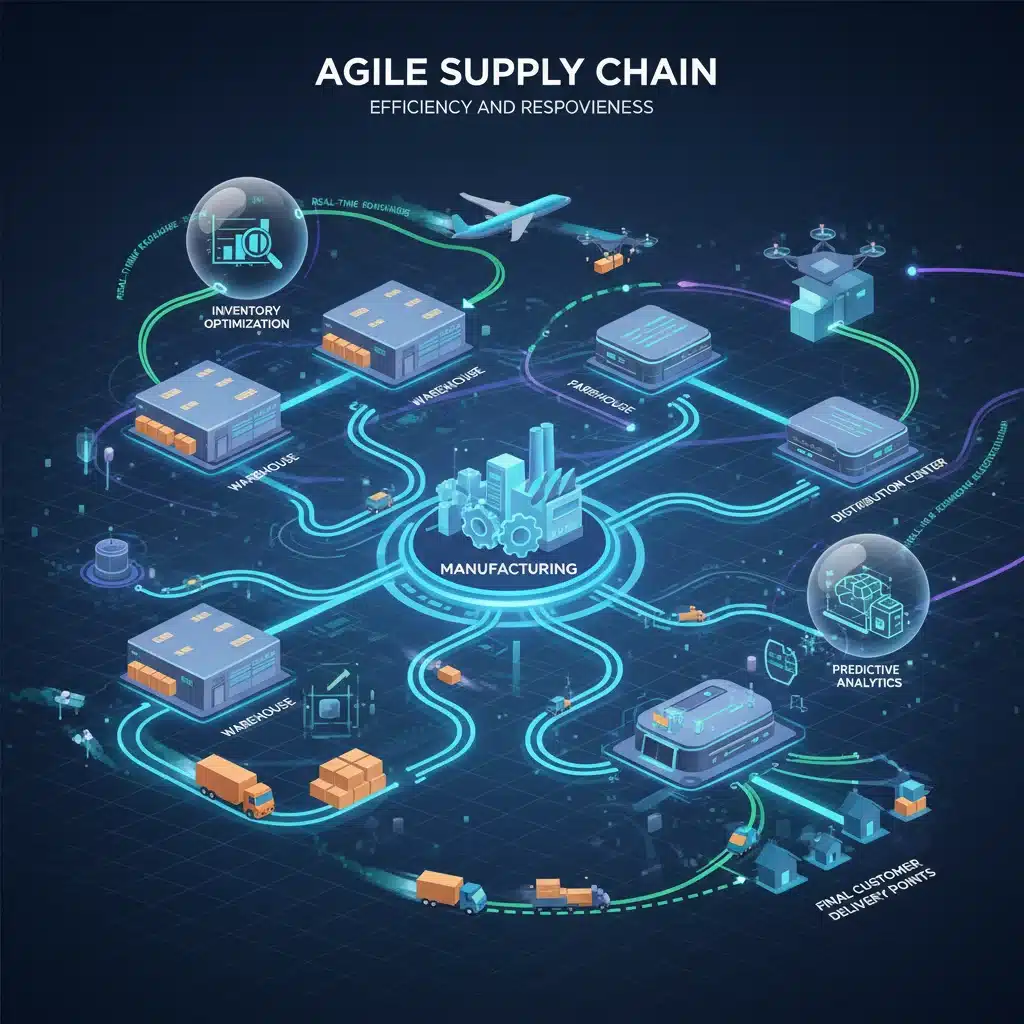
- End-to-End Visibility: Real-time tracking of inventory, orders, and shipments across the entire supply chain, from supplier to customer. This allows for proactive problem-solving and accurate customer communication.
- Distributed Inventory: Moving beyond a single central warehouse to strategically placed distribution centers, micro-fulfillment centers, and even leveraging physical stores as mini-warehouses (ship-from-store). This reduces shipping times and costs.
- Supplier Diversification: Reducing reliance on a single supplier or region to mitigate risks associated with geopolitical events, natural disasters, or manufacturing disruptions.
- Predictive Analytics: Utilizing AI and machine learning to forecast demand more accurately, anticipate potential disruptions, and optimize inventory levels. This minimizes both overstocking and stockouts.
- Flexible Logistics: Partnering with multiple carriers and adopting dynamic routing to ensure timely and cost-effective delivery, even during peak seasons or unexpected events.
- Reverse Logistics Optimization: Efficient processes for returns and exchanges, which are crucial for customer satisfaction in omnichannel retail.
Implementing an Agile Supply Chain: Practical Strategies
- Invest in Supply Chain Management (SCM) Software: Modern SCM platforms offer advanced features for planning, execution, and visibility across the entire network.
- Adopt Warehouse Automation: Robotics and automated systems in fulfillment centers can significantly increase speed and accuracy, supporting faster delivery times.
- Leverage Store-as-a-Fulfillment-Center: Enable your physical stores to fulfill online orders, offering local pickup (BOPIS) and local delivery. This utilizes existing assets and speeds up delivery to local customers.
- Data Sharing and Collaboration: Foster closer relationships and data sharing with suppliers, manufacturers, and logistics partners to improve coordination and responsiveness.
- Scenario Planning and Risk Assessment: Regularly conduct exercises to identify potential supply chain risks and develop contingency plans.
- Embrace Sustainable Practices: Integrate sustainability into supply chain decisions, which can also lead to efficiencies and resonate with environmentally conscious consumers.
An agile and resilient supply chain is the backbone of successful omnichannel retail. It ensures that the promises made to customers on the front end can be consistently delivered on the back end. By mastering this third critical shift, U.S. retailers can enhance customer satisfaction, reduce operational costs, and secure a significant portion of that 20% sales uplift by 2026, solidifying their competitive advantage.
Overcoming Challenges and Ensuring Success in Omnichannel Retail Shifts
Implementing these three omnichannel retail shifts is not without its hurdles. Retailers will face challenges ranging from legacy system integration to organizational change management. However, with a clear vision, strategic investment, and a customer-centric culture, these obstacles can be overcome.
Common Challenges:
- Legacy Systems: Many retailers operate with outdated systems that are difficult to integrate, creating data silos and hindering a unified view.
- Organizational Silos: Different departments (e-commerce, in-store, marketing, supply chain) may operate independently, leading to a fragmented customer experience. Breaking down these silos is crucial.
- Data Integration and Quality: Consolidating data from disparate sources and ensuring its accuracy and consistency is a complex task.
- Talent Gap: Finding and retaining talent with expertise in data analytics, AI, and advanced supply chain management can be challenging.
- Cost of Investment: The initial investment in technology and infrastructure for true omnichannel transformation can be substantial.
Strategies for Success:
- Start with a Pilot Program: Instead of a full-scale overhaul, identify a specific customer journey or product category to pilot omnichannel initiatives. Learn, iterate, and then scale.
- Secure Executive Buy-in: Omnichannel transformation requires commitment from the top. Executive leadership must champion the vision and allocate necessary resources.
- Foster a Culture of Customer Centricity: Every employee, regardless of their role, should understand how their work contributes to the overall customer experience.
- Partner with Technology Experts: Don’t try to do it all in-house. Collaborate with vendors and consultants who specialize in omnichannel technology, data analytics, and supply chain optimization.
- Continuous Measurement and Optimization: Implement robust analytics to track key performance indicators (KPIs) related to customer experience, operational efficiency, and sales. Use these insights to continuously refine your strategies.
- Embrace Agility: The retail landscape is constantly changing. Be prepared to adapt your strategies and technologies as new trends emerge and consumer behaviors evolve.
The journey to fully embracing these omnichannel retail shifts is ongoing, but the benefits far outweigh the challenges. Retailers who commit to this transformation will not only achieve a 20% sales uplift by 2026 but will also build a more resilient, customer-focused, and future-proof business.
The Future is Omnichannel: A Call to Action for U.S. Retailers
The imperative for U.S. retailers to adopt these three critical omnichannel retail shifts is clear. The market demands a unified customer experience, intelligent personalization, and an agile supply chain. Those who hesitate risk losing relevance and market share to more forward-thinking competitors.
The projected 20% sales uplift by 2026 is not merely an optimistic forecast; it’s a realistic outcome for retailers who strategically invest in these areas. It signifies growth derived from deeper customer loyalty, increased conversion rates, enhanced operational efficiencies, and the ability to adapt to an ever-changing market.
To recap, the three critical shifts are:
- Unifying the Customer Experience: Creating a seamless, consistent, and cohesive brand journey across all physical and digital touchpoints.
- Leveraging Data-Driven Personalization: Utilizing comprehensive customer data to deliver highly relevant and tailored interactions at scale.
- Building Agile and Resilient Supply Chains: Transforming backend operations to be adaptable, transparent, and responsive to both demand and disruption.
Now is the time for U.S. retailers to assess their current capabilities, identify gaps, and develop a clear roadmap for implementing these transformations. The future of retail is omnichannel, and the businesses that embrace these shifts will be the ones that define the next generation of shopping experiences and achieve significant, sustainable growth.
Don’t just observe the change; lead it. Start planning your strategic omnichannel retail shifts today to secure your competitive advantage and drive substantial sales growth in the years to come.