Sustainable DTC Practices: Achieving a 7% Reduction in Returns Through Eco-Conscious Product Development by 2026
In an increasingly conscious consumer landscape, the direct-to-consumer (DTC) model is undergoing a profound transformation. Beyond merely connecting directly with customers, brands are now expected to embody values that resonate with environmental stewardship and social responsibility. This shift isn’t just about optics; it’s about building a resilient, profitable, and future-proof business. One of the most tangible benefits of embracing sustainable DTC practices is the potential to significantly reduce product returns. Our ambitious goal for 2026 is to achieve a 7% reduction in returns, primarily driven by eco-conscious product development.
Product returns are a costly burden for DTC brands, impacting everything from logistics and warehousing to environmental footprint and customer satisfaction. They represent wasted resources, carbon emissions from reverse logistics, and often, products that end up in landfills. By strategically integrating sustainability into every facet of the DTC value chain, particularly in product design and development, brands can not only minimize their environmental impact but also cultivate a more loyal customer base and streamline their operations. This article will delve into the multifaceted approach required to implement robust sustainable DTC practices, focusing on actionable strategies that lead to a quantifiable reduction in returns.
The Economic and Environmental Burden of Product Returns
Before we explore solutions, it’s crucial to understand the magnitude of the problem. Product returns are a significant drain on resources for DTC businesses. Economically, they incur costs related to return shipping, inspection, repackaging, restocking, and often, eventual disposal if the item cannot be resold. Environmentally, each returned item contributes to increased carbon emissions from transportation, additional packaging waste, and the energy consumed in processing. For instance, a study by Optoro estimated that returns in the U.S. alone create 15 million metric tons of carbon emissions annually, equivalent to the emissions of 3 million cars.
Furthermore, a high return rate can erode customer trust and brand reputation. Consumers are increasingly scrutinizing brands’ environmental commitments. A product that frequently disappoints and gets returned, even if the brand claims sustainability, creates cognitive dissonance. Therefore, addressing returns through sustainable DTC practices is not just a ‘nice-to-have’ but a strategic imperative for brand longevity and profitability.
Our target of a 7% reduction in returns by 2026 is ambitious but achievable through a holistic integration of sustainability. This reduction translates directly into significant cost savings, a smaller carbon footprint, and enhanced brand perception. It requires a fundamental shift in how products are conceived, designed, manufactured, packaged, and communicated to the customer.
Eco-Conscious Product Development: The Foundation of Reduced Returns
The journey to fewer returns begins at the drawing board. Eco-conscious product development is the cornerstone of effective sustainable DTC practices. It involves designing products with longevity, repairability, and recyclability in mind, while also ensuring they meet customer expectations for quality and performance. When products are well-designed, durable, and accurately represented, the likelihood of a return due to dissatisfaction or defect significantly decreases.
Design for Durability and Longevity
One of the primary reasons for returns is product failure or perceived poor quality. By investing in high-quality, durable materials and robust construction methods, DTC brands can create products that stand the test of time. This approach not only reduces returns but also fosters customer loyalty, as consumers appreciate products that last. Consider using materials known for their resilience and conducting rigorous quality testing throughout the design and manufacturing process.
Moreover, designing for longevity extends to timeless aesthetics and modular components that can be upgraded or replaced. This encourages repair over replacement, further reducing waste and the need for new purchases that might otherwise lead to returns of the old item.
Material Selection: Sustainable and Smart
The choice of materials is critical. Opting for sustainably sourced, recycled, recyclable, or biodegradable materials reduces the environmental impact of the product itself. However, it’s equally important that these materials perform well and contribute to the product’s overall quality and functionality. Misleading claims or inferior sustainable materials can lead to disappointment and, you guessed it, returns.
For example, a brand using recycled plastic for a product must ensure the recycled plastic maintains the structural integrity and aesthetic appeal expected by the customer. Transparency about material composition and its benefits (and limitations, if any) can manage expectations and prevent returns based on perceived shortcomings.
Modularity and Repairability
Embracing a modular design philosophy allows for easier repairs and part replacements, extending the product’s lifespan. If a small component breaks, customers can replace just that part instead of returning the entire item. This significantly cuts down on return logistics and waste. DTC brands can offer repair kits, spare parts, or even repair services, turning a potential return into a positive customer service interaction and a testament to their commitment to sustainable DTC practices.
Consider the example of modular electronics or furniture where individual components can be swapped out. This not only empowers the customer but also aligns with the principles of a circular economy.
Accurate Product Representation
A significant portion of returns stems from a mismatch between customer expectations and the actual product. This can be due to inaccurate sizing, misleading product images, or vague descriptions. Eco-conscious product development extends to the digital representation of the product. High-quality, true-to-life photography, detailed product specifications (including dimensions, materials, and care instructions), and even augmented reality (AR) tools can help customers make informed purchasing decisions.
Investing in detailed product content is an investment in reducing returns. For apparel, comprehensive sizing guides, customer reviews with fit feedback, and even virtual try-on features can drastically lower the return rate due to size or fit issues. For other products, 360-degree views, video demonstrations, and clear explanations of functionality are invaluable.
Transparent Supply Chains and Ethical Manufacturing
Beyond the product itself, the processes behind its creation play a vital role in sustainable DTC practices and return reduction. A transparent and ethically managed supply chain builds trust and ensures consistent quality, both of which indirectly contribute to fewer returns.
Ethical Sourcing and Production
Consumers are increasingly interested in where and how their products are made. Brands that can demonstrate ethical labor practices, fair wages, and safe working conditions throughout their supply chain build a stronger reputation. While this might not directly reduce returns based on product defect, it fosters a deeper connection with the brand, making customers more forgiving of minor issues and more likely to seek solutions rather than simply returning an item.
Moreover, ethical manufacturing often goes hand-in-hand with higher quality control standards, leading to fewer defective products reaching the customer in the first place.
Supply Chain Traceability
Full traceability allows brands to monitor and verify the sustainability claims of their materials and production processes. This not only ensures compliance with ethical standards but also enables quick identification and rectification of quality issues at their source, preventing batches of faulty products from entering the market and driving up return rates. Blockchain technology, for example, is emerging as a powerful tool for supply chain transparency.
Packaging Innovations for Reduced Environmental Impact and Damages
Packaging is often an overlooked aspect of sustainable DTC practices, yet it plays a dual role in both environmental impact and product returns. Excessive or non-recyclable packaging contributes to waste, while inadequate packaging can lead to product damage during transit, resulting in returns.
Minimalist and Recyclable Packaging
DTC brands should strive for packaging that is as minimal as possible, made from recycled content, and easily recyclable or compostable by the consumer. This reduces waste and aligns with eco-conscious values. However, minimalism should not come at the expense of protection.
Optimized Packaging for Damage Prevention
Damage during shipping is a common reason for returns. Investing in robust, yet sustainable, packaging solutions that adequately protect the product is crucial. This might involve innovative designs that use less material but provide superior cushioning, or custom-fit packaging that minimizes movement within the box. Testing packaging under various shipping conditions can help identify vulnerabilities and prevent damage-related returns.
For example, using molded pulp inserts instead of styrofoam, or optimizing box sizes to reduce void fill, can be both sustainable and effective in protecting goods.
Empowering Customers Through Education and Communication
Even the most sustainably developed product can be returned if the customer doesn’t understand how to use it, care for it, or if their expectations are mismanaged. Effective communication is a powerful tool in reducing returns and fostering loyalty within sustainable DTC practices.
Clear Product Information and Expectations Management
As mentioned earlier, accurate product representation is key. This extends to detailed descriptions of materials, care instructions, expected lifespan, and even the brand’s sustainability journey. Be explicit about what makes your product sustainable and what customers can expect in terms of performance and durability. This proactive approach helps set realistic expectations.
For instance, if a product is made from a natural material that might have slight variations, communicate this clearly. If a sustainable product requires specific care, provide easy-to-understand instructions. This transparency builds trust and reduces returns due to perceived flaws or misuse.
Post-Purchase Support and Education
The customer journey doesn’t end at purchase. Providing excellent post-purchase support, including comprehensive FAQs, video tutorials on product assembly or care, and accessible customer service channels, can prevent many returns. Often, a customer might initiate a return because they’re struggling with a product feature or simply don’t know how to resolve a minor issue. Empowering them with solutions can turn a potential return into a satisfied customer.
Furthermore, educating customers on how to properly dispose of or recycle packaging and products at the end of their life reinforces the brand’s commitment to sustainable DTC practices and encourages responsible consumption.
Leveraging Data and Analytics for Continuous Improvement
To achieve a 7% reduction in returns by 2026, DTC brands must adopt a data-driven approach. Understanding the ‘why’ behind returns is as important as the ‘how’ to prevent them.
Analyzing Return Reasons
Systematically track and categorize return reasons. Is it sizing? Quality? Misrepresentation? Damage? Defect? Each category points to a different area for improvement in your sustainable DTC practices. For example, a high rate of ‘product not as described’ suggests a need to refine product imagery and descriptions, while ‘defective item’ points to manufacturing or quality control issues.
This data should be regularly reviewed by product development, marketing, and operations teams to identify trends and implement targeted solutions. Qualitative feedback from customer service interactions regarding returns is also invaluable.
Customer Feedback Loops
Actively solicit feedback from customers who initiate returns. A short, optional survey during the return process can provide rich insights that quantitative data alone cannot. Understanding the customer’s perspective directly can uncover critical issues in product design, communication, or functionality that contribute to returns.
This feedback loop should be integrated into product development cycles, ensuring that future iterations of products address past shortcomings, thereby reinforcing sustainable DTC practices from the ground up.

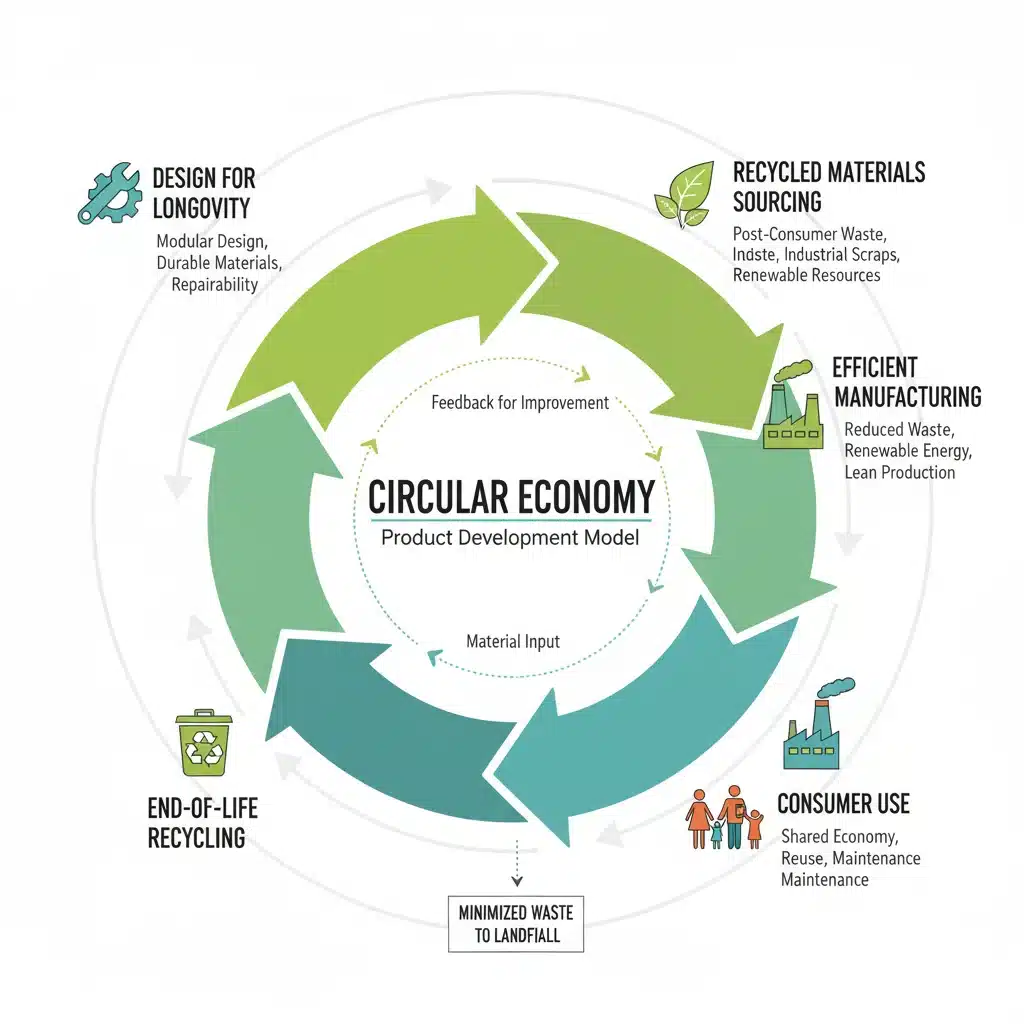
The Role of Circular Economy Principles
The ultimate expression of sustainable DTC practices is the adoption of circular economy principles. This goes beyond just reducing returns; it’s about designing out waste and pollution, keeping products and materials in use, and regenerating natural systems.
Product-as-a-Service Models
Consider offering products as a service, where customers lease rather than own items. This shifts the incentive for brands to design for maximum durability and repairability, as they retain ownership and are responsible for maintenance and end-of-life management. This model inherently reduces ‘returns’ in the traditional sense, replacing them with managed product lifecycles.
Take-Back and Recycling Programs
Even with the best efforts, products will eventually reach the end of their useful life. Implementing take-back programs allows brands to reclaim products, components, or materials for reuse, refurbishment, or recycling. This closes the loop, prevents waste, and reinforces the brand’s commitment to sustainability. Such programs can also be a unique selling proposition for environmentally conscious consumers.
Refurbishment and Resale
For returned items that are in good condition but cannot be sold as new, establishing refurbishment programs and then reselling them through secondary channels (e.g., ‘open box’ sales, outlet stores, or specific resale platforms) can recover value and prevent waste. This not only reduces the environmental impact of returns but also creates new revenue streams.
Conclusion: A Sustainable Path to Profitability and Reduced Returns
Achieving a 7% reduction in product returns by 2026 through the implementation of sustainable DTC practices is an ambitious yet entirely attainable goal. It requires a holistic, integrated approach that touches every aspect of the direct-to-consumer business model, from the initial stages of product design and material sourcing to manufacturing, packaging, customer communication, and post-purchase support.
By focusing on eco-conscious product development – designing for durability, repairability, and accurate representation – DTC brands can proactively address the root causes of returns. Supplementing this with transparent supply chains, innovative sustainable packaging, and empowering customer education further solidifies these efforts. Finally, leveraging data analytics to understand return patterns and embracing circular economy principles ensures continuous improvement and long-term sustainability.
The benefits extend far beyond just reduced return rates. Brands that genuinely commit to sustainable DTC practices will see enhanced customer loyalty, a stronger brand reputation, significant cost savings, and a healthier planet. This is not merely a trend; it is the future of responsible and profitable commerce. The time to act is now, paving the way for a more sustainable and successful direct-to-consumer landscape by 2026 and beyond.