Sustainable Retail Practices: Meeting 2026 US Consumer Demand for Eco-Friendly Options

The retail landscape is undergoing a profound transformation, driven by an increasingly environmentally conscious consumer base. As we approach 2026, projections indicate a staggering 30% increase in US consumer demand for eco-friendly options. This isn’t merely a fleeting trend; it’s a fundamental shift in consumer values that demands a strategic response from retailers. Embracing Sustainable Retail Practices is no longer just a commendable ethical choice; it’s a critical business imperative for survival and growth.
This comprehensive guide delves into the escalating demand for sustainable products and practices, offering retailers actionable insights to not only meet but exceed these evolving consumer expectations. We will explore the multifaceted aspects of sustainability, from ethical sourcing and supply chain transparency to waste reduction and energy efficiency, providing a roadmap for businesses aiming to thrive in the green economy. The future of retail is green, and those who adapt will lead the way.
The Rising Tide of Conscious Consumerism: Why Sustainability Matters More Than Ever
The past decade has witnessed a dramatic awakening among consumers regarding the environmental and social impact of their purchasing decisions. What was once a niche concern for a small segment of the population has now become a mainstream expectation. A confluence of factors contributes to this heightened awareness: increased media coverage of climate change, growing access to information about product origins and manufacturing processes, and a generational shift towards values-driven consumption.
For retailers, ignoring this shift is akin to ignoring market forces. Research consistently shows that consumers, particularly millennials and Gen Z, are willing to pay a premium for products that align with their values. They are actively seeking brands that demonstrate genuine commitment to environmental stewardship, fair labor practices, and community engagement. This isn’t just about buying ‘green’ products; it’s about supporting ‘green’ businesses that embody ethical principles throughout their entire operation. The demand for Sustainable Retail Practices is a clear signal from the market: evolve or risk obsolescence.
Understanding the 30% Surge: What’s Driving US Consumer Demand?
The projected 30% increase in US consumer demand for eco-friendly options by 2026 is a significant indicator of this market shift. But what exactly is fueling this rapid acceleration? Several key drivers are at play:
- Environmental Concerns: From plastic pollution in oceans to deforestation and carbon emissions, consumers are increasingly aware of the environmental crises facing the planet. They want to be part of the solution, and their purchasing power is a powerful tool.
- Health and Wellness: A growing understanding of the link between environmental toxins and personal health has led consumers to seek out products made with natural, non-toxic, and sustainably sourced ingredients.
- Transparency and Trust: Modern consumers are skeptical of opaque supply chains and corporate greenwashing. They demand transparency about how products are made, where materials come from, and the social and environmental impact of a company’s operations.
- Social Responsibility: Beyond environmental factors, consumers are also concerned with social justice, fair labor practices, and community impact. They want to support brands that treat their workers fairly and contribute positively to society.
- Innovation and Availability: The market for sustainable products has matured, offering a wider range of high-quality, aesthetically pleasing, and competitively priced eco-friendly alternatives across various categories.
- Government and Regulatory Pressure: Increasing regulations and incentives for sustainable business practices also play a role, influencing both consumer choices and corporate strategies.
Retailers who understand these drivers can better tailor their Sustainable Retail Practices to resonate with their target audience and build lasting brand loyalty.
Key Pillars of Sustainable Retail Practices for 2026 and Beyond
To effectively respond to the burgeoning demand for eco-friendly options, retailers must adopt a holistic approach to sustainability. This involves integrating sustainable principles into every facet of their business, from product development to store operations and customer engagement. Here are the key pillars:
1. Ethical Sourcing and Supply Chain Transparency
The journey of a product from raw material to consumer is often complex and opaque. Ethical sourcing and supply chain transparency are fundamental to Sustainable Retail Practices. This means knowing where your materials come from, how they are produced, and ensuring fair labor practices and environmental responsibility at every stage.
- Traceability: Implementing systems to track the origin of raw materials and components. This could involve blockchain technology or robust certification schemes.
- Fair Labor: Ensuring that all workers in the supply chain, from farmers to factory employees, are paid fair wages, work in safe conditions, and are not subjected to exploitative practices.
- Environmental Impact of Sourcing: Prioritizing suppliers who use sustainable farming practices, minimize water usage, avoid harmful chemicals, and protect biodiversity.
- Supplier Audits and Certifications: Regularly auditing suppliers and seeking certifications (e.g., Fair Trade, B Corp, organic) to validate claims of sustainability and ethics.
2. Sustainable Product Design and Offering
The products themselves are at the heart of sustainable retail. Consumers are looking for items that are durable, made from sustainable materials, and designed with their end-of-life in mind. This pillar of Sustainable Retail Practices focuses on intrinsic product sustainability.
- Eco-friendly Materials: Prioritizing recycled, recyclable, biodegradable, organic, renewable, and low-impact materials (e.g., organic cotton, bamboo, recycled plastics, innovative bio-materials).
- Durability and Longevity: Designing products that last longer, reducing the need for frequent replacements and minimizing waste.
- Circular Economy Principles: Embracing design for disassembly, repairability, and recyclability. Offering repair services or take-back programs for end-of-life products.
- Reduced Packaging: Minimizing packaging, using recycled or recyclable packaging materials, and exploring innovative packaging solutions like reusable containers or compostable options.
- Product Transparency: Clearly labeling products with information about their environmental footprint, materials used, and certifications.
3. Energy Efficiency and Renewable Energy in Operations
The operational footprint of a retail business can be substantial. Reducing energy consumption and transitioning to renewable energy sources are crucial Sustainable Retail Practices for minimizing environmental impact and often leading to cost savings.
- Energy Audits: Regularly assessing energy usage in stores, warehouses, and offices to identify areas for improvement.
- LED Lighting: Replacing traditional lighting with energy-efficient LED systems.
- Smart HVAC Systems: Installing smart thermostats and efficient heating, ventilation, and air conditioning systems.
- Renewable Energy Adoption: Investing in on-site solar panels or purchasing renewable energy credits to offset electricity consumption.
- Green Building Design: For new constructions or renovations, incorporating green building principles that maximize natural light, insulation, and efficient material use.
4. Waste Reduction and Circularity
Waste is a significant challenge in retail, from product packaging to unsold inventory. Implementing robust waste reduction and circularity strategies is a cornerstone of effective Sustainable Retail Practices.
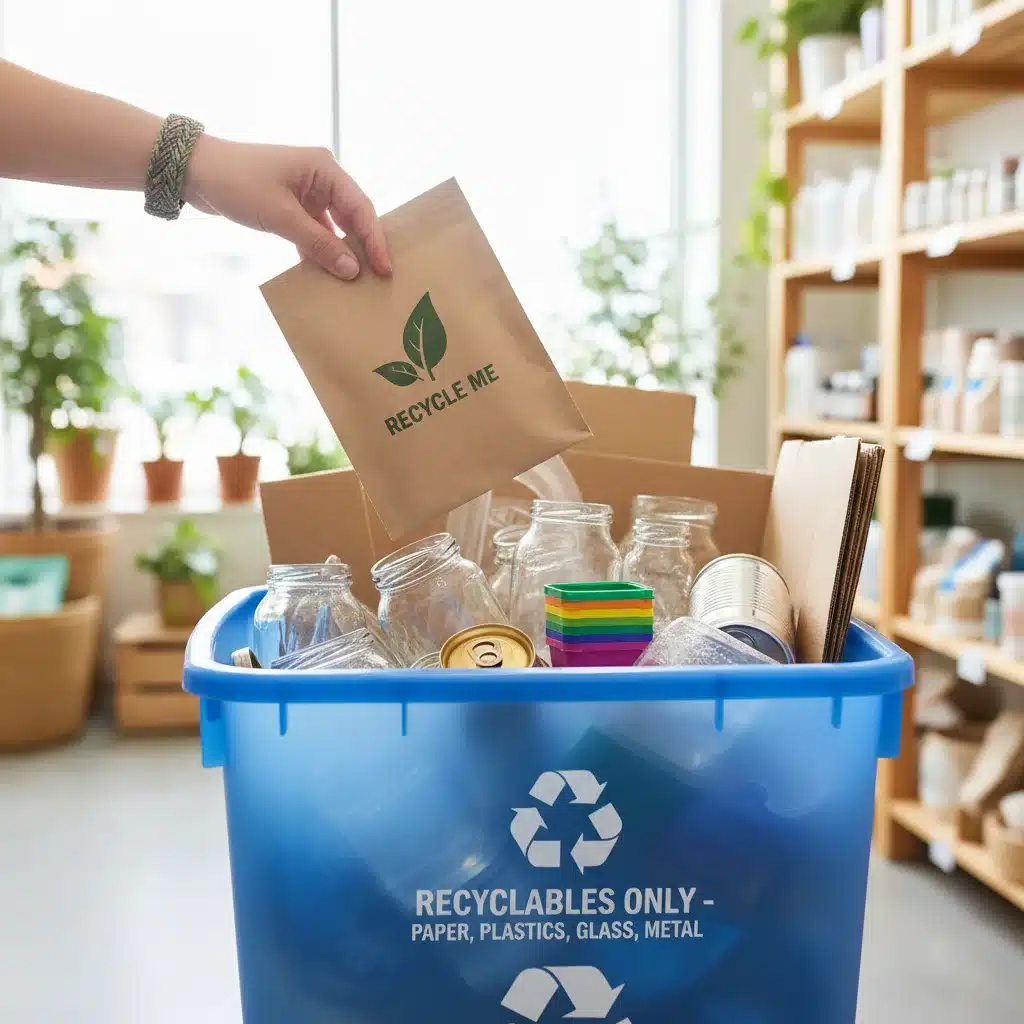
- Reduce, Reuse, Recycle: Adhering to the waste hierarchy: first reduce waste generation, then reuse materials, and finally recycle what cannot be reused.
- Packaging Optimization: As mentioned, minimizing and optimizing packaging. Offering reusable bags and incentivizing customers to bring their own.
- Food Waste Reduction (for relevant retailers): Implementing strategies to minimize food waste, such as improved inventory management, donating unsold food, or composting.
- Textile and Product Recycling Programs: Offering take-back programs for old clothing, electronics, or other products to ensure they are recycled or responsibly disposed of.
- Upcycling and Repurposing: Finding creative ways to upcycle or repurpose materials that would otherwise become waste.
5. Water Conservation
Water scarcity is a global issue, and retailers have a role to play in conservation. Implementing water-saving measures across operations is an important aspect of Sustainable Retail Practices.
- Efficient Fixtures: Installing low-flow toilets, faucets, and other water-efficient fixtures in stores and facilities.
- Rainwater Harvesting: Collecting and utilizing rainwater for non-potable uses like irrigation or toilet flushing.
- Water-Wise Landscaping: Using drought-resistant plants and efficient irrigation systems for outdoor areas.
- Monitoring and Leak Detection: Regularly monitoring water usage and promptly addressing any leaks.
Implementing Sustainable Retail Practices: A Step-by-Step Guide
Transitioning to more sustainable operations can seem daunting, but by breaking it down into manageable steps, retailers can successfully integrate Sustainable Retail Practices into their business model.
Step 1: Conduct a Sustainability Audit
Before making changes, understand your current environmental and social footprint. A comprehensive audit will identify key areas of impact, from energy consumption and waste generation to supply chain risks. This baseline data is essential for setting realistic goals and measuring progress.
Step 2: Set Clear, Measurable Goals
Based on your audit, establish specific, measurable, achievable, relevant, and time-bound (SMART) sustainability goals. Examples include: ‘Reduce energy consumption by 20% by 2025,’ ‘Source 50% of raw materials from certified sustainable suppliers by 2024,’ or ‘Achieve zero waste to landfill by 2026.’
Step 3: Engage Stakeholders and Educate Employees
Sustainability is a team effort. Engage employees at all levels, from leadership to frontline staff, in the sustainability journey. Provide training on new policies, technologies, and the importance of their role in achieving sustainability goals. Internally, foster a culture of sustainability.
Step 4: Partner with Sustainable Suppliers and Innovators
Your supply chain is a critical component of your sustainability efforts. Actively seek out and partner with suppliers who share your commitment to environmental and social responsibility. Explore innovative technologies and materials that can enhance your Sustainable Retail Practices.
Step 5: Communicate Transparently with Consumers
Authenticity is key. Clearly and honestly communicate your sustainability efforts to your customers. Use clear labeling, provide information on your website, and share your progress. Avoid greenwashing at all costs; consumers are savvy and will spot inauthentic claims. Transparency builds trust and strengthens brand loyalty.
Step 6: Measure, Monitor, and Adapt
Sustainability is an ongoing journey. Continuously monitor your performance against your goals, collect data, and be prepared to adapt your strategies as new information emerges or technologies evolve. Regular reporting on your sustainability efforts demonstrates accountability and commitment.
The Business Case for Sustainable Retail Practices
Beyond the ethical imperative, there’s a strong business case for adopting Sustainable Retail Practices. The benefits extend far beyond simply appealing to conscious consumers.
Enhanced Brand Reputation and Customer Loyalty
In an increasingly crowded marketplace, sustainability can be a powerful differentiator. Brands known for their environmental and social responsibility often enjoy higher customer loyalty, increased positive word-of-mouth, and a stronger brand image.
Cost Savings Through Efficiency
Many sustainable practices, such as energy efficiency upgrades, waste reduction, and optimized supply chains, can lead to significant operational cost savings over time. Reducing resource consumption directly impacts the bottom line.
Attracting and Retaining Talent
Employees, particularly younger generations, are increasingly seeking employers who align with their values. A strong commitment to sustainability can help retailers attract top talent and reduce employee turnover.
Reduced Risk and Increased Resilience
By diversifying supply chains, reducing reliance on finite resources, and complying with environmental regulations, sustainable retailers can mitigate risks associated with resource scarcity, regulatory changes, and reputational damage.
Innovation and Competitive Advantage
Embracing sustainability often sparks innovation in product design, manufacturing processes, and business models. This can lead to new market opportunities and a significant competitive edge.
Access to Sustainable Financing and Investment
As ESG (Environmental, Social, and Governance) factors become more critical for investors, companies with strong sustainability performance may find it easier to access capital and attract socially responsible investors.
Challenges and Opportunities in Sustainable Retail
While the path to fully sustainable retail is promising, it is not without its challenges. However, each challenge often presents an opportunity for innovation and differentiation.
Challenge: Initial Investment Costs
Implementing new sustainable technologies or overhauling supply chains can require significant upfront investment. Opportunity: Long-term cost savings, government incentives, and consumer willingness to pay a premium can offset these initial costs, leading to a strong return on investment.
Challenge: Supply Chain Complexity
Ensuring sustainability across a global and often fragmented supply chain is incredibly complex. Opportunity: Investing in supply chain transparency tools and building strong, collaborative relationships with suppliers can lead to more resilient, ethical, and efficient operations.
Challenge: Greenwashing and Consumer Skepticism
The prevalence of greenwashing has made consumers wary of sustainability claims. Opportunity: Genuine transparency, third-party certifications, and clear, evidence-based communication can build trust and differentiate truly sustainable brands from those merely paying lip service.
Challenge: Consumer Education
While demand is growing, not all consumers fully understand what makes a product or practice truly sustainable. Opportunity: Retailers can play a vital role in educating consumers, empowering them to make informed choices, and fostering a deeper connection to sustainable values.
Challenge: Regulatory Landscape
The evolving and sometimes inconsistent regulatory environment can be challenging to navigate. Opportunity: Proactive engagement with sustainability practices can help retailers stay ahead of regulations, influence policy, and position themselves as industry leaders.

The Future of Sustainable Retail: Trends to Watch
As 2026 approaches and beyond, several trends will continue to shape the landscape of Sustainable Retail Practices:
- Hyper-Personalized Sustainability: Consumers will increasingly seek products and services tailored not only to their personal preferences but also to their specific sustainability values.
- Advanced Traceability Technologies: Blockchain, AI, and IoT will provide unprecedented transparency into supply chains, allowing consumers to track products from source to shelf with greater detail.
- Regenerative Retail: Moving beyond just ‘doing less harm’ to actively ‘doing good,’ with retailers investing in regenerative agriculture, ecosystem restoration, and social impact initiatives.
- Resale, Rental, and Repair Models: The circular economy will gain further traction, with more retailers offering options for buying pre-owned, renting items, or repairing products to extend their lifespan.
- Data-Driven Sustainability: Retailers will leverage data analytics more effectively to measure and optimize their environmental impact, identify inefficiencies, and report on progress with greater accuracy.
- Collaborative Sustainability: Increased collaboration across industries and with competitors to address systemic sustainability challenges, such as plastic waste or ethical labor.
- Climate-Positive Operations: Retailers will aim to not just be carbon-neutral but carbon-positive, actively removing more carbon from the atmosphere than they emit.
Conclusion: Embracing a Sustainable Future for Retail
The projected 30% surge in US consumer demand for eco-friendly options by 2026 is a clarion call for the retail industry. It signifies a pivotal moment where ethical responsibility converges with strategic business advantage. Retailers who proactively embrace and integrate robust Sustainable Retail Practices will not only meet this escalating demand but will also build more resilient, reputable, and profitable businesses for the long term.
From ethical sourcing and sustainable product design to energy-efficient operations and transparent communication, every aspect of retail offers an opportunity to make a positive impact. The journey towards full sustainability is continuous, requiring commitment, innovation, and adaptability. However, the rewards are substantial: enhanced brand loyalty, significant cost savings, reduced risks, and the profound satisfaction of contributing to a healthier planet and a more equitable society.
The future of retail is undeniably green. By embedding sustainability into their core DNA, retailers can transform challenges into opportunities, cultivate deeper connections with their customers, and lead the way towards a more sustainable and prosperous future for all. The time to act is now, shaping a retail landscape that reflects the values of a conscious world.