Social Commerce US Growth: 25% Forecast by 2026

The Unstoppable Rise of Social Commerce in the US: A 25% Growth Forecast for 2026 and Beyond
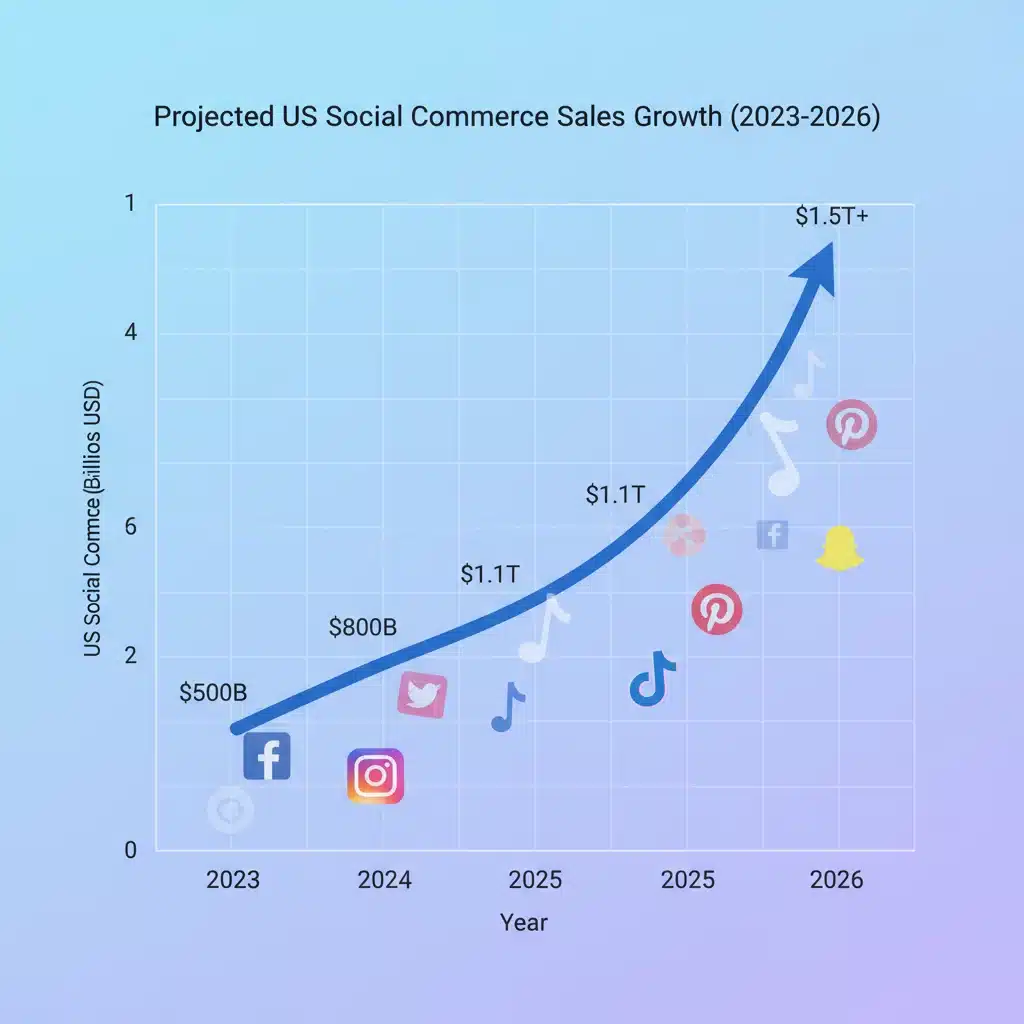
The retail landscape is constantly evolving, and perhaps no trend is more indicative of this dynamic shift than the meteoric rise of social commerce in the US. Once a nascent concept, integrating shopping directly into social media platforms has blossomed into a formidable force, fundamentally altering how consumers discover, interact with, and purchase products. Projections indicate a staggering 25% growth in social commerce in the US by 2026, signaling a pivotal moment for businesses and marketers alike to understand and adapt to this transformative trend.
This comprehensive article delves deep into the factors propelling this growth, explores the key platforms dominating the space, and offers actionable strategies for businesses to effectively harness the power of social commerce. From live shopping events to shoppable posts, the opportunities are vast and varied, demanding a strategic approach to capitalize on this burgeoning market.
Understanding the Phenomenon of Social Commerce US
At its core, social commerce is the intersection of e-commerce and social media. It’s not merely about advertising products on social platforms; it’s about enabling the entire shopping journey – from product discovery to checkout – directly within the social media environment. This seamless integration removes friction, leverages social proof, and taps into the inherent human desire for connection and community, making it an incredibly powerful sales channel.
The distinction between traditional e-commerce and social commerce is crucial. While e-commerce relies on consumers actively seeking out products on dedicated websites, social commerce brings the products to the consumers within their existing social ecosystems. This shift from ‘search and find’ to ‘discover and buy’ is a game-changer, especially for younger demographics who spend significant portions of their day on social media.
The Driving Forces Behind the 25% Growth Forecast
Several convergent factors are fueling the impressive growth trajectory of social commerce in the US:
- Ubiquitous Smartphone Adoption: The widespread use of smartphones has made social media an ever-present part of daily life. This constant connectivity provides an ideal environment for spontaneous shopping experiences.
- Evolving Consumer Behavior: Modern consumers, particularly Gen Z and Millennials, are highly influenced by their peers, influencers, and the content they consume on social media. They value authenticity, personalized experiences, and convenience – all hallmarks of social commerce.
- Platform Innovation: Social media giants are continuously investing in and rolling out new features designed specifically for commerce. Instagram Shopping, Facebook Marketplace, TikTok Shop, and Pinterest’s shoppable pins are just a few examples of how platforms are optimizing for transactions.
- The Rise of Influencer Marketing: Influencers play a pivotal role in driving social commerce. Their recommendations and demonstrations carry significant weight with their followers, often leading directly to purchases within the platform.
- Live Shopping’s Momentum: Inspired by the success in Asian markets, live shopping events are gaining traction in the US. These interactive sessions allow brands to showcase products, answer questions in real-time, and create a sense of urgency and community, leading to higher conversion rates.
- Personalization and Discovery: Social media algorithms are adept at understanding user preferences, enabling highly personalized product recommendations that feel less like advertising and more like helpful suggestions.
Key Platforms Dominating Social Commerce in the US
While the concept of social commerce is broad, specific platforms have emerged as leaders in the US market, each offering unique opportunities for brands:
Instagram: The Visual Shopping Powerhouse
Instagram was an early mover in the social commerce space, leveraging its visually-driven nature. With features like Instagram Shopping, shoppable posts, product tags, and the Shop tab, users can browse and purchase products without leaving the app. Its strong emphasis on aesthetics and influencer culture makes it ideal for fashion, beauty, home decor, and lifestyle brands. The platform’s integration with Reels and Stories also provides dynamic ways to showcase products.
Facebook: The Broad Reach and Marketplace Leader
As the largest social media platform, Facebook offers unparalleled reach. Facebook Marketplace has become a go-to for peer-to-peer sales and local businesses, while Facebook Shops allows businesses to create customizable storefronts directly on their pages. Its robust advertising tools further enable targeted social commerce campaigns, reaching diverse demographics across the US.
TikTok: The Entertainment-Driven Shopping Experience
TikTok’s explosive growth, particularly among younger audiences, has made it a formidable player in social commerce. TikTok Shop, shoppable videos, and live shopping events capitalize on the platform’s short-form video format and highly engaging content. The ‘discovery commerce’ model, where users stumble upon products through entertaining content, is incredibly effective, driving impulsive purchases and viral trends. Brands leveraging TikTok must embrace authenticity and creativity to resonate with its audience.
Pinterest: The Discovery and Inspiration Hub
Pinterest functions more as a visual search engine and inspiration board, making it a natural fit for product discovery. Shoppable Pins, Product Pins, and the Shop tab allow users to move seamlessly from inspiration to purchase. It’s particularly strong for categories like home goods, fashion, DIY, and crafts, where users are actively planning and looking for ideas.
Snapchat: Augmented Reality and Direct Engagement
Snapchat has carved out a niche with its innovative augmented reality (AR) shopping lenses, allowing users to virtually try on clothes, makeup, or even place furniture in their homes before buying. This interactive and playful approach to shopping appeals to its predominantly younger user base, offering a unique and engaging social commerce experience.
Strategies to Capitalize on the Social Commerce US Boom
For businesses looking to tap into the projected 25% growth of social commerce in the US, a well-defined strategy is paramount. It’s not enough to simply have a social media presence; active engagement and optimized selling channels are key.
1. Choose the Right Platforms
Don’t spread yourself too thin. Identify which social media platforms align best with your target audience and product category. If you sell visually appealing products like fashion or beauty, Instagram and TikTok might be your primary focus. For home goods or DIY products, Pinterest could be more effective. Research where your audience spends their time and tailor your strategy accordingly.
2. Optimize for a Seamless Shopping Experience
The essence of social commerce is convenience. Ensure your product catalogs are integrated smoothly with the chosen platforms. Use shoppable posts, product tags, and in-app checkout features to minimize steps between discovery and purchase. A clunky experience will deter potential buyers.
3. Embrace Influencer Marketing and User-Generated Content (UGC)
Influencers are the lifeblood of social commerce. Partner with relevant influencers whose audience matches your target demographic. Encourage and leverage user-generated content (UGC) by running contests, encouraging reviews, and showcasing customer photos and videos. Authenticity and social proof are powerful conversion drivers.
4. Invest in Live Shopping
Live shopping offers an interactive and engaging way to sell products. Host live streams on platforms like TikTok and Instagram, demonstrating products, answering questions in real-time, and offering exclusive deals. This creates a sense of urgency and fosters a community around your brand.
5. Leverage Augmented Reality (AR) Features
If applicable to your products, explore AR features offered by platforms like Snapchat and Instagram. Allowing customers to virtually try on products or visualize them in their environment can significantly enhance the shopping experience and reduce return rates.
6. Personalization at Scale
Utilize the data available through social media platforms to deliver personalized product recommendations and advertisements. Tailor content based on user interests, past interactions, and demographics to increase relevance and improve conversion rates.
7. Build and Nurture Community
Social media is inherently about community. Engage with your followers, respond to comments and messages, and create groups or forums where customers can interact with each other and your brand. A strong community fosters loyalty and advocacy, driving repeat purchases and organic growth.
8. Data Analytics and Optimization
Continuously monitor your social commerce performance using analytics tools. Track key metrics such as conversion rates, average order value, customer acquisition cost, and return on ad spend. Use these insights to refine your strategies, optimize your content, and improve your overall social commerce effectiveness.
Challenges and Considerations for Social Commerce US
While the opportunities are immense, businesses must also be aware of the challenges inherent in the social commerce landscape:
- Platform Dependence: Relying heavily on third-party platforms means brands are subject to their rules, algorithm changes, and fees. Diversification is key.
- Trust and Security Concerns: Consumers need assurance that their financial information and personal data are secure when making purchases directly on social media. Brands must prioritize transparent security measures.
- Competition: As more businesses enter the social commerce space, standing out from the crowd becomes increasingly difficult. Unique value propositions and compelling content are essential.
- Customer Service Integration: Providing seamless customer support within social channels can be challenging. Brands need to integrate their customer service operations to handle inquiries, complaints, and returns efficiently.
- Measuring ROI: Attributing sales directly to social commerce efforts can sometimes be complex, requiring sophisticated tracking and analytics tools.
The Future Outlook: Beyond 2026 for Social Commerce US
The projected 25% growth by 2026 is likely just the beginning for social commerce in the US. Several emerging trends suggest continued expansion and innovation:
- Further Integration with AI: Artificial intelligence will play an even larger role in personalizing shopping experiences, powering chatbots for customer service, and optimizing product recommendations.
- Metaverse and Virtual Reality Shopping: As the metaverse develops, virtual shopping experiences will become more sophisticated, offering immersive ways for consumers to interact with products and brands in digital spaces.
- Voice Commerce Integration: The rise of voice assistants could lead to more voice-activated purchasing options within social media, adding another layer of convenience.
- Creator Economy Dominance: The power of individual creators and micro-influencers will continue to grow, offering brands more authentic and niche marketing opportunities.
- Enhanced Analytics and Attribution: Platforms will likely offer more robust analytics tools, making it easier for businesses to track and optimize their social commerce strategies.
The evolution of social commerce in the US is not just a passing fad; it’s a fundamental shift in consumer behavior and retail strategy. Businesses that embrace this change, invest in the right technologies, and prioritize authentic engagement will be well-positioned to capture a significant share of this rapidly expanding market.

The Imperative of Adaptability in the Social Commerce US Landscape
The dynamic nature of social media means that platforms and features are constantly evolving. What works today might be obsolete tomorrow. Therefore, adaptability is not just an advantage but an absolute necessity for success in social commerce. Businesses must foster a culture of continuous learning and experimentation, staying abreast of the latest trends, algorithm changes, and consumer preferences.
This means regularly auditing your social commerce strategy, testing new content formats, experimenting with different ad creatives, and soliciting feedback from your audience. The platforms themselves are laboratories for innovation, and brands that actively participate in this experimentation will be the ones to reap the greatest rewards. For instance, the rapid adoption of short-form video content on platforms like TikTok and Instagram Reels has created a new paradigm for product showcasing. Brands that quickly adapted their content strategy to this format saw significant engagement and sales uplift, demonstrating the power of timely adaptation.
Building Trust and Authenticity
In a world saturated with advertising, authenticity stands out. Consumers are increasingly discerning and can quickly spot content that feels inauthentic or overly promotional. Social commerce thrives on genuine connections and trust. This is where user-generated content (UGC) and influencer marketing become incredibly powerful. When real people share their honest experiences with a product, it resonates far more deeply than traditional advertising.
Brands should actively encourage and curate UGC, turning customers into brand advocates. This not only provides valuable content but also builds a sense of community and trust around the brand. Furthermore, transparent communication, ethical marketing practices, and responsive customer service within social channels are crucial for fostering long-term customer relationships and boosting the credibility of your social commerce efforts.
Seamless Integration with Existing E-commerce Infrastructure
While social commerce offers a direct sales channel, it shouldn’t operate in a silo. For optimal efficiency and a unified customer experience, social commerce initiatives must be seamlessly integrated with a brand’s existing e-commerce infrastructure. This includes inventory management, order fulfillment, customer relationship management (CRM), and analytics systems.
When a customer makes a purchase through a social media platform, the backend processes should mirror those of a purchase made directly on your website. This ensures accurate inventory levels, timely shipping, and a consistent customer service experience. Integration also provides a holistic view of customer data, allowing for more informed marketing decisions across all channels. Without proper integration, scaling social commerce efforts can become a logistical nightmare, hindering growth and customer satisfaction.
The Role of Data and Analytics in Sustained Growth
The 25% growth forecast for social commerce in the US by 2026 is not just a number; it’s an opportunity backed by data. To sustain and accelerate this growth, businesses must become adept at collecting, analyzing, and acting upon social commerce data. This goes beyond basic sales figures.
Key metrics to track include:
- Engagement Rates: Likes, comments, shares, saves – indicating content resonance.
- Click-Through Rates (CTR): How many users click on shoppable elements.
- Conversion Rates: The percentage of clicks that result in a purchase.
- Average Order Value (AOV): The average amount spent per transaction.
- Customer Lifetime Value (CLV): The total revenue expected from a customer throughout their relationship with your brand.
- Return on Ad Spend (ROAS): The revenue generated for every dollar spent on social commerce advertising.
- Audience Demographics and Behavior: Understanding who is buying and how they are interacting with your content.
By meticulously tracking these metrics, businesses can identify what’s working, what’s not, and where to allocate resources most effectively. A/B testing different content types, product displays, and call-to-actions can lead to significant improvements in performance. Data-driven decision-making is the bedrock of sustained success in the competitive social commerce landscape.
Conclusion: Seizing the Social Commerce US Opportunity
The projected 25% growth in social commerce in the US by 2026 is a clear indicator of a powerful and enduring retail trend. It represents a significant shift from traditional e-commerce, placing social interaction and community at the heart of the shopping experience. For businesses, this isn’t merely an option but an imperative for future growth and relevance.
By understanding the nuances of various platforms, embracing authentic content creation, leveraging the power of influencers, and integrating social commerce seamlessly into their overall business strategy, brands can unlock unprecedented opportunities. The future of retail is undoubtedly social, and those who proactively adapt and innovate will be the ones to thrive in this exciting new era of commerce. The time to invest in and optimize your social commerce strategy is now, ensuring your brand is well-positioned to capture a share of this rapidly expanding market and connect with consumers where they already spend their time.