Boost Engagement 30% with Live Commerce in US H2 2026
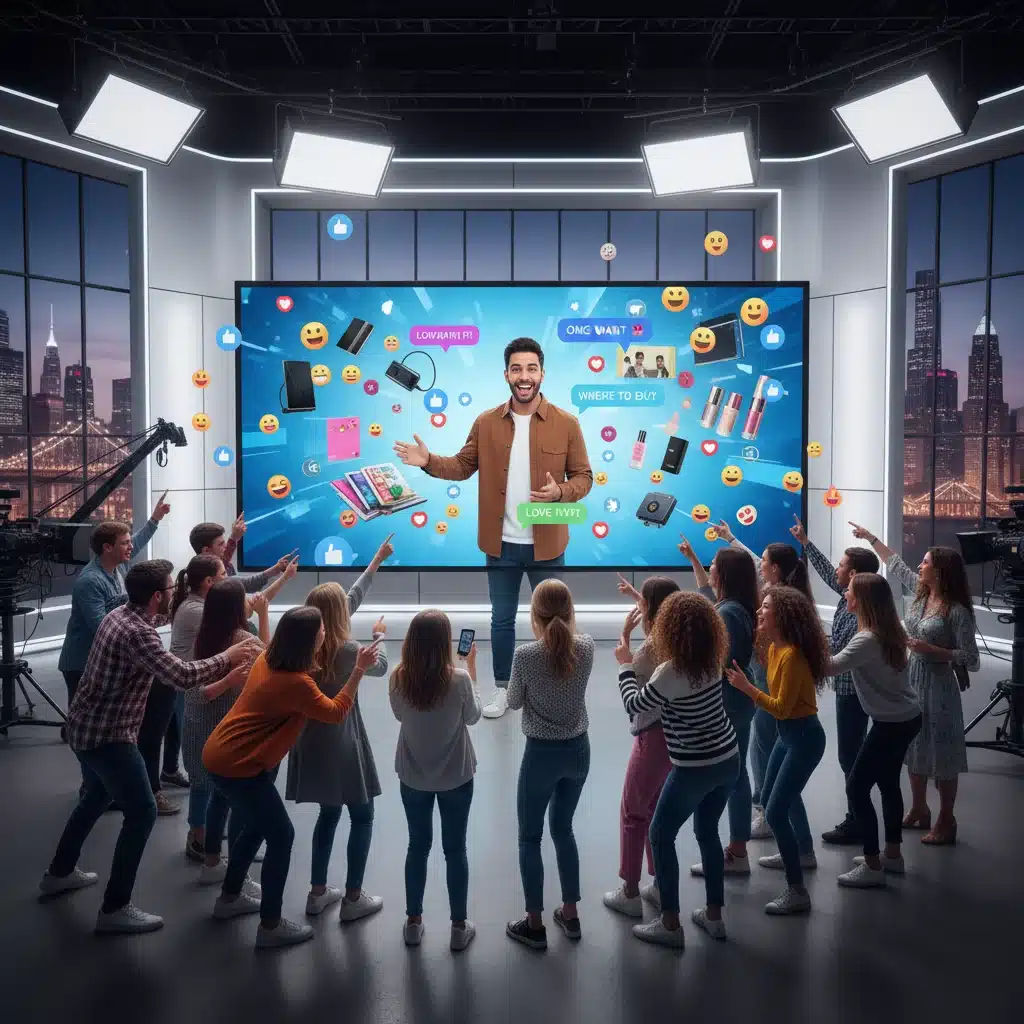
The digital retail landscape is in constant flux, demanding innovative approaches to capture and retain consumer attention. As we look towards the second half of 2026, one strategy stands out as a powerful catalyst for growth: live commerce. This dynamic fusion of entertainment, social interaction, and instant purchasing is rapidly transforming how brands connect with their audience. For businesses operating in the US market, embracing live commerce engagement offers an unparalleled opportunity to boost customer interaction by a projected 30%.
The rise of live commerce isn’t merely a fleeting trend; it’s a fundamental shift in consumer behavior, particularly among younger demographics who crave authentic, interactive, and immediate shopping experiences. This article delves into how your brand can effectively leverage live commerce to achieve significant engagement improvements in the US market during H2 2026, outlining key strategies, technological considerations, and best practices for success.
Understanding the Power of Live Commerce Engagement
At its core, live commerce is about creating a real-time, interactive shopping experience where brands showcase products, answer questions, and facilitate purchases, all within a live video stream. Think of it as a modern, digital evolution of home shopping networks, amplified by social media features and direct audience participation. The appeal lies in its authenticity, immediacy, and the sense of community it fosters.
For US consumers, who are increasingly accustomed to on-demand content and personalized experiences, live commerce offers a refreshing alternative to traditional e-commerce. It humanizes the brand, allows for genuine product demonstrations, and provides a platform for direct communication, building trust and rapport in a way static product pages simply cannot. This direct interaction is the cornerstone of enhanced live commerce engagement.
The projected 30% boost in engagement by H2 2026 is not an arbitrary figure. It reflects the growing sophistication of live commerce platforms, the increasing comfort of US consumers with interactive digital shopping, and the strategic advantages brands gain by adopting this model. This engagement manifests in various forms: longer watch times, higher chat participation, increased social shares, and ultimately, improved conversion rates.
Why H2 2026 is the Critical Window for US Live Commerce Adoption
The second half of 2026 presents a unique window of opportunity for US businesses to solidify their position in the live commerce arena. By this time, consumer awareness will be even higher, technological infrastructures more robust, and competitive landscapes more defined. Early adopters who refine their strategies now will reap substantial rewards. Those who delay risk being left behind in a rapidly evolving market.
Key drivers for this timing include:
- Increased Platform Maturity: Live commerce platforms will offer more advanced features, better analytics, and seamless integrations with existing e-commerce ecosystems.
- Consumer Readiness: A larger segment of the US population will be familiar and comfortable with live shopping, reducing the barrier to entry for new participants.
- Technological Advancements: Improvements in streaming quality, interactive tools (polls, quizzes, AR filters), and mobile accessibility will enhance the user experience.
- Competitive Imperative: As more brands enter the space, having an established, engaging live commerce strategy will become a competitive necessity rather than a differentiator.
Crafting an Irresistible Live Commerce Strategy for the US Market
Achieving a 30% boost in live commerce engagement requires more than just going live. It demands a well-thought-out strategy that resonates with the US audience and leverages the unique features of the medium. Here’s how to build one:
1. Understand Your Audience and Their Preferences
Before planning any live event, deep dive into your target US demographic. What platforms do they frequent? What kind of content do they consume? What are their pain points and aspirations? Tailoring your content, host personality, and even the timing of your streams to these preferences is paramount for maximizing live commerce engagement.
- Demographic Insights: Are you targeting Gen Z, Millennials, or an older demographic? Each group has different expectations for interactivity and content style.
- Platform Choice: Instagram Live, TikTok Shop, Facebook Live, Amazon Live, or dedicated live commerce platforms all cater to different audiences and offer varying features. Choose wisely based on where your audience already spends their time.
- Content Themes: Beyond product demonstrations, consider behind-the-scenes glimpses, Q&A sessions with experts, tutorials, or even collaborative events with influencers.
2. Invest in High-Quality Production and Engaging Hosts
The quality of your live stream directly impacts viewer perception and engagement. While it doesn’t need to be a Hollywood production, professional lighting, clear audio, and stable video are non-negotiable. More importantly, your host is the face of your brand during the event.
- Professional Setup: Good lighting, a quality microphone, and a stable internet connection are fundamental. Consider a clean, branded backdrop.
- Charismatic Hosts: Choose individuals who are knowledgeable about your products, energetic, authentic, and capable of engaging with viewers in real-time. They should be comfortable answering spontaneous questions and handling unforeseen technical glitches with grace.
- Storytelling: Hosts should weave compelling narratives around products, demonstrating their value and how they fit into customers’ lives, rather than just listing features.
3. Implement Interactive Features for Maximum Engagement
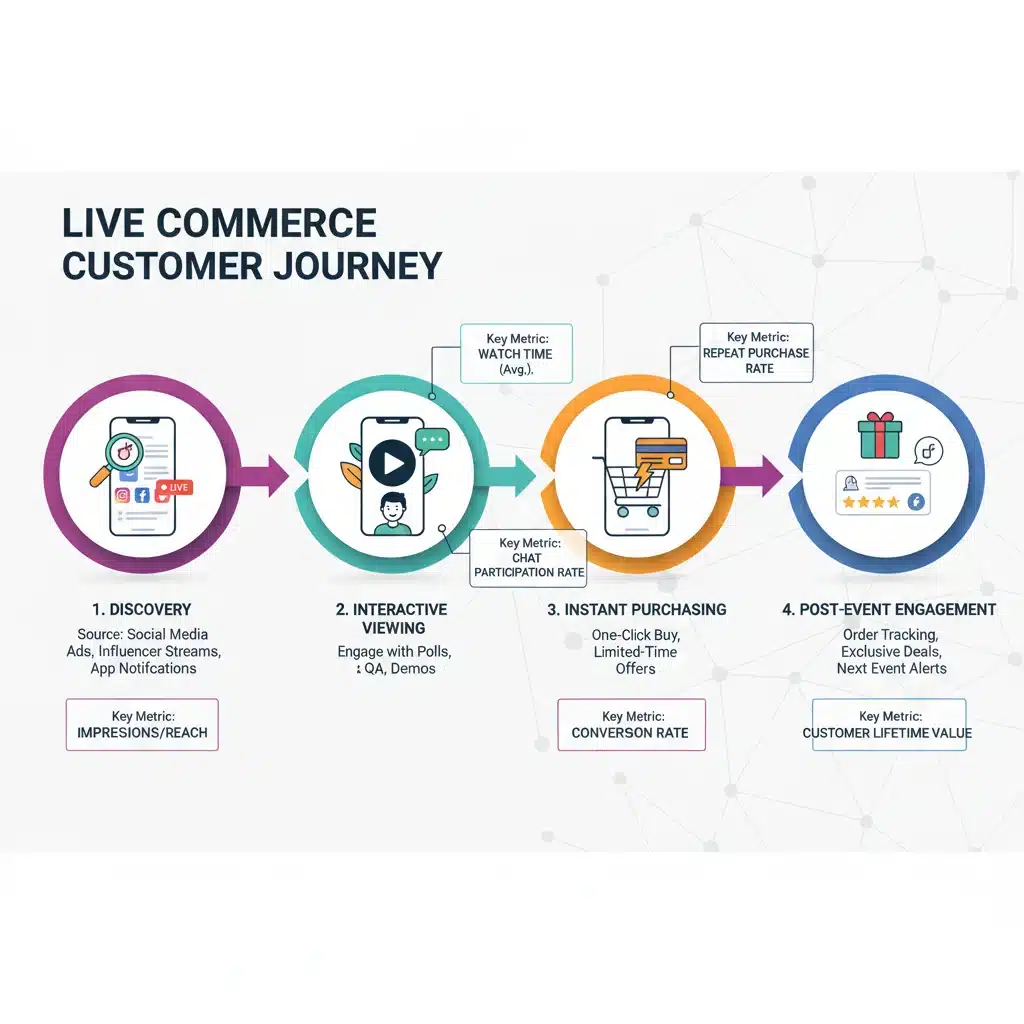
The ‘live’ aspect is where the magic happens. Encourage constant interaction to keep viewers hooked and drive live commerce engagement.
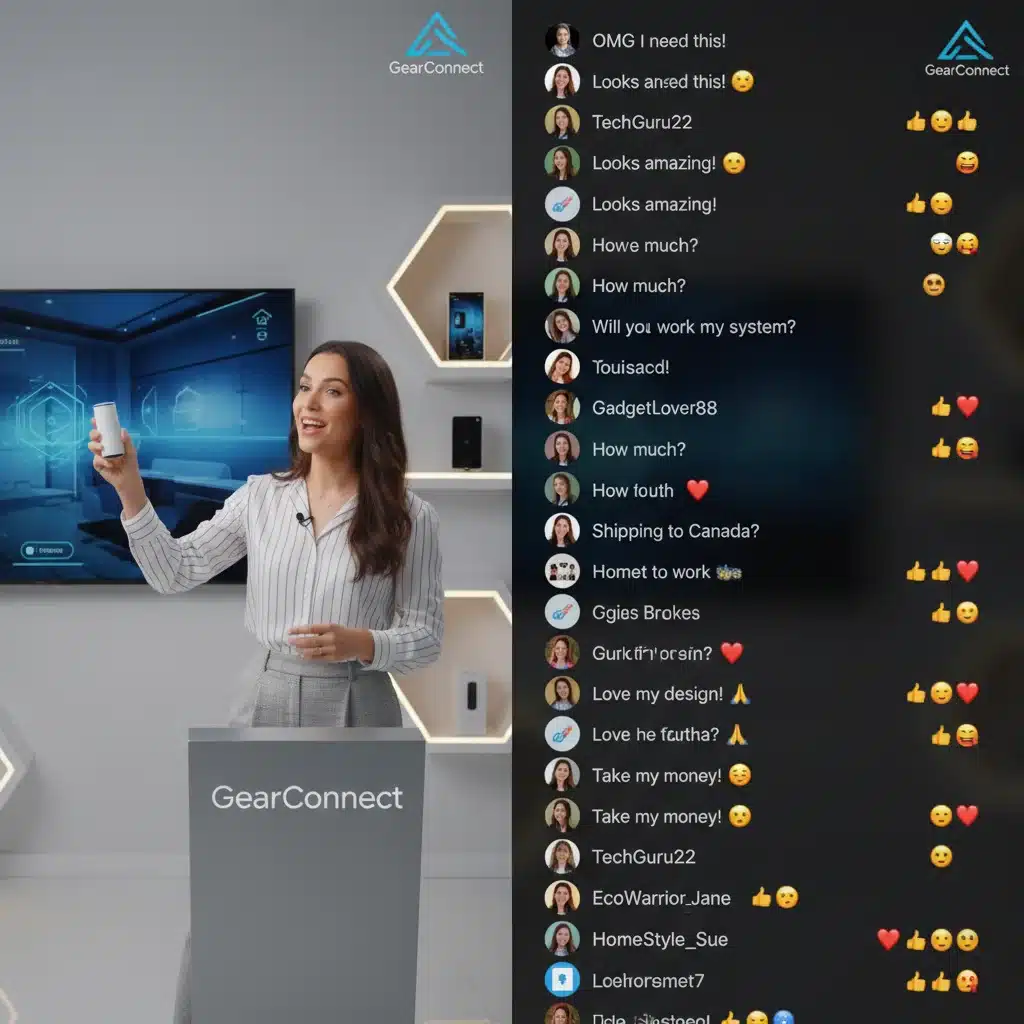
- Real-Time Q&A: Actively monitor chat and respond to questions. This makes viewers feel heard and valued.
- Polls and Quizzes: Use interactive elements to gather opinions, test product knowledge, or let viewers vote on upcoming products/features.
- Limited-Time Offers & Flash Sales: Create urgency and excitement with exclusive discounts or bundles available only during the live stream.
- Live Demos & Tutorials: Show products in action. For fashion, demonstrate different styling options. For tech, show setup and usage. For beauty, offer live makeovers.
- User-Generated Content Integration: Feature customer testimonials or showcase how existing customers use your products.
4. Promote Your Live Events Strategically
A great live event is useless if no one knows about it. Effective promotion is crucial for driving initial viewership and sustained live commerce engagement.
- Multi-Channel Promotion: Announce your live events across all your digital channels: email newsletters, social media (posts, stories, ads), website banners, and even SMS.
- Countdown Timers & Reminders: Build anticipation with countdowns and encourage sign-ups for email/SMS reminders.
- Influencer Collaborations: Partner with relevant influencers to co-host or promote your live events, tapping into their established audiences.
- Teasers & Sneak Peeks: Offer glimpses of what viewers can expect to generate excitement.
5. Seamless Integration with E-commerce and Post-Event Follow-up
The goal of live commerce is not just engagement, but also conversion. Ensure a smooth path from viewing to purchasing.
- In-Stream Shopping: Integrate direct purchase links, shopping carts, or ‘buy now’ buttons directly into the live stream.
- Product Pinning: Highlight specific products being discussed, making them easy for viewers to click and buy.
- Post-Event Replays: Make replays available on your website and social channels for those who missed the live event. Optimize replays by highlighting key product demonstrations and Q&A segments.
- Data Analysis: Track key metrics like viewership, watch time, chat participation, conversion rates, and average order value to refine future strategies and further boost live commerce engagement.
- Customer Service Integration: Be prepared to handle post-purchase inquiries efficiently, maintaining the positive experience initiated during the live event.
Technological Considerations for US Live Commerce Success in H2 2026
The right technology infrastructure is foundational for a successful live commerce strategy. As the market matures towards H2 2026, the demand for robust, scalable, and user-friendly solutions will intensify.
Choosing the Right Platform
The market offers a variety of live commerce platforms, each with its own strengths:
- Dedicated Live Commerce Platforms: Solutions like ShopShops, CommentSold, or even custom-built platforms offer comprehensive features tailored specifically for live shopping, including advanced analytics, CRM integration, and diverse interactive tools.
- Social Media Platforms: Instagram Live Shopping, TikTok Shop, and Facebook Live provide huge built-in audiences and ease of use, but may have limitations in terms of deep e-commerce integration or advanced analytics.
- E-commerce Platform Integrations: Many e-commerce platforms (e.g., Shopify, Magento) are increasingly offering live streaming capabilities or integrations with third-party live commerce tools, allowing for a seamless brand experience.
- Hybrid Approaches: Combining the reach of social platforms with the robust features of dedicated solutions can offer the best of both worlds.
When selecting a platform, consider its scalability, integration capabilities with your existing e-commerce stack, analytics features, and its ability to support your specific interactive needs. Reliability and low latency are crucial for maintaining high live commerce engagement.
Optimizing for Mobile Experience
A significant portion of live commerce viewing and purchasing occurs on mobile devices. Ensuring your live streams are perfectly optimized for mobile is non-negotiable. This includes:
- Responsive Design: The viewing interface and purchasing flow must adapt seamlessly to various screen sizes.
- Fast Loading Times: Mobile users have little patience for buffering or slow-loading product pages.
- Intuitive Navigation: Make it easy for users to chat, view product details, and add items to their cart with minimal taps.
- Push Notifications: Leverage mobile notifications to remind users about upcoming streams and special offers.
Measuring Success and Iterating for Continuous Improvement
To truly achieve and sustain a 30% boost in live commerce engagement, continuous measurement and optimization are essential. Define your key performance indicators (KPIs) and track them rigorously.
Key Metrics to Monitor:
- Viewership & Reach: Total unique viewers, peak concurrent viewers, and reach across promotional channels.
- Watch Time & Retention: Average watch time per viewer, viewer retention rate throughout the stream. This is a direct indicator of content engagement.
- Interaction Rate: Number of chat messages, comments, likes, shares, and reactions per viewer.
- Click-Through Rate (CTR): Clicks on product links or calls to action during the stream.
- Conversion Rate: Number of purchases made directly from the live stream or within a defined post-stream window.
- Average Order Value (AOV): The average value of purchases made during live events.
- Customer Feedback: Direct feedback from chat, surveys, or post-event comments.
Leveraging Data for Iteration:
Analyze your data to identify what works and what doesn’t. For example, if watch times drop significantly at a certain point, review your content strategy for that segment. If a particular host drives higher interaction, learn from their techniques. A/B test different promotional messages, stream lengths, product showcases, and interactive elements to continually refine your approach and maximize live commerce engagement.
Future Trends and Staying Ahead in the US Live Commerce Landscape
As we approach H2 2026, several emerging trends will shape the future of live commerce in the US. Brands that anticipate and adapt to these trends will maintain their competitive edge.
- AI-Powered Personalization: AI will play an increasing role in personalizing live shopping experiences, from recommending products based on viewer history to dynamically adjusting content in real-time.
- Augmented Reality (AR) Integration: AR filters and virtual try-on features will become more sophisticated, allowing viewers to visualize products in their own environment or on themselves, enhancing the interactive experience.
- Metaverse and Virtual Worlds: While still nascent, the metaverse could offer new avenues for immersive, interactive live shopping events, creating highly engaging virtual storefronts.
- Sustainable and Ethical Sourcing Spotlights: Consumers are increasingly conscious of brand ethics. Live streams showcasing sustainable practices, ethical sourcing, or behind-the-scenes glimpses of production can build trust and engagement.
- Creator Economy Integration: Deeper collaborations with a wider range of content creators and micro-influencers will drive authentic engagement and expand reach.
Staying agile and open to experimentation will be crucial. The brands that are willing to test new formats, technologies, and engagement tactics will be the ones that consistently achieve high live commerce engagement and drive significant growth in the US market.
Conclusion
Leveraging live commerce to boost engagement by 30% in the US market during H2 2026 is not just an ambitious goal; it’s an achievable reality for brands willing to invest strategically. By understanding your audience, delivering high-quality and interactive content, promoting effectively, and continuously optimizing based on data, your business can unlock the immense potential of live shopping. The future of retail is interactive, authentic, and live. Embrace this transformation, and position your brand at the forefront of customer engagement in the evolving digital landscape.