The Future of Payments: 5 Critical Trends Shaping US Retail Transactions by End of 2026
The Future of Payments: 5 Critical Trends Shaping US Retail Transactions by End of 2026
The landscape of US retail payments is in a constant state of flux, driven by technological innovation, evolving consumer expectations, and a relentless pursuit of efficiency and security. As we approach the end of 2026, several critical trends are not just emerging but actively reshaping how consumers pay and how businesses accept payments. For retailers, understanding these shifts is not merely beneficial; it’s essential for survival and growth. Ignoring the future retail payments landscape risks obsolescence in an increasingly competitive market. This comprehensive guide will explore the five most impactful trends poised to redefine US retail transactions, offering insights into their mechanisms, implications, and how businesses can prepare.
1. The Ubiquitous Rise of Contactless Payments and Digital Wallets
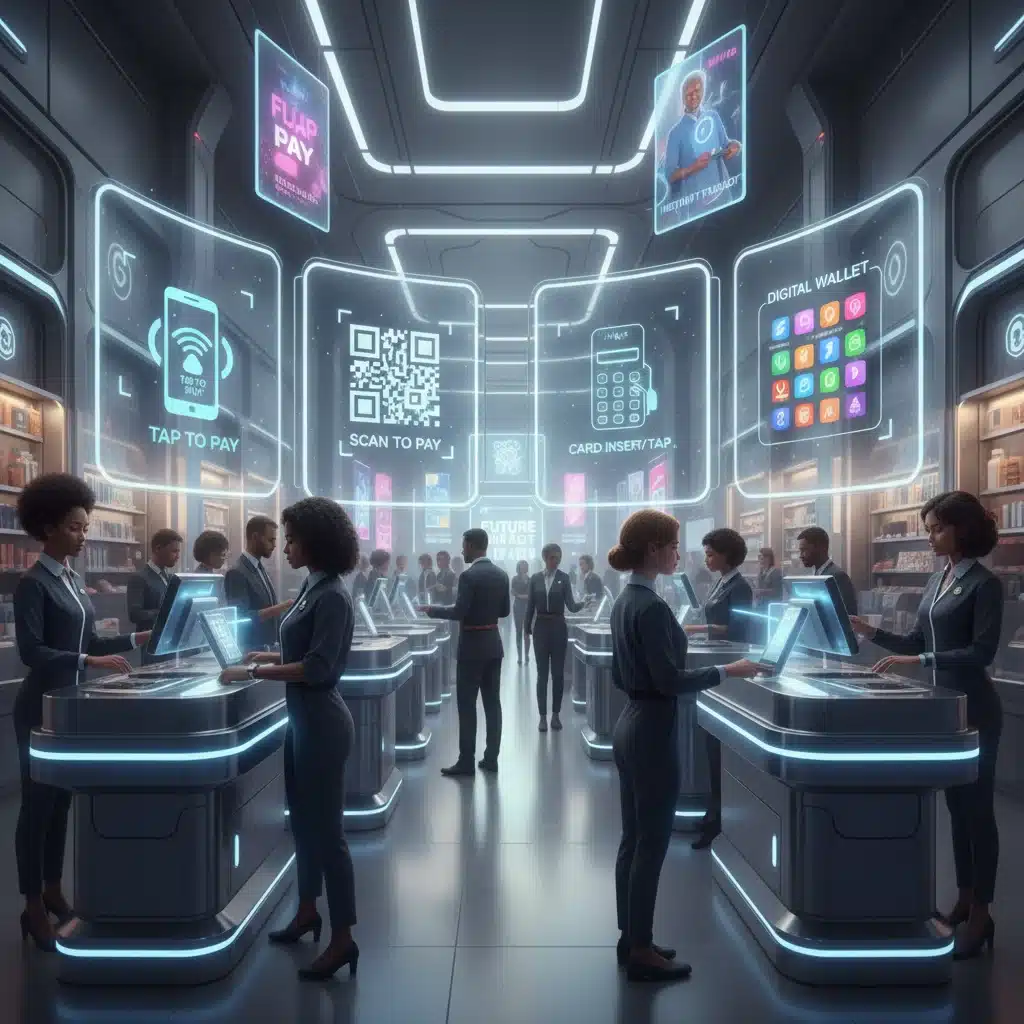
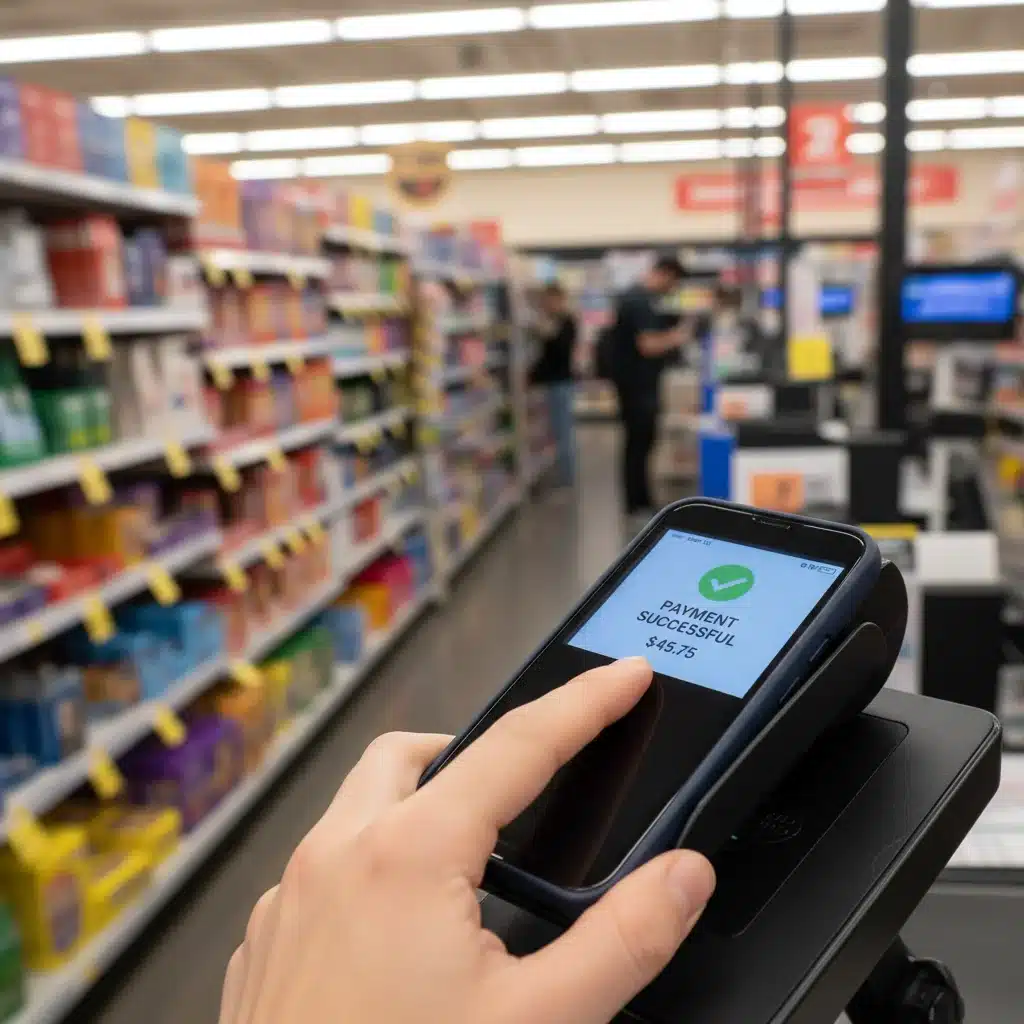
The COVID-19 pandemic significantly accelerated the adoption of contactless payment methods, transforming them from a niche convenience into a mainstream expectation. By the end of 2026, contactless payments, encompassing NFC (Near Field Communication) enabled cards, smartphones, and wearables, are projected to be the dominant payment method in physical retail spaces across the US. This trend is inextricably linked to the growing popularity of digital wallets like Apple Pay, Google Pay, and Samsung Pay, which offer not only convenience but also enhanced security features.
Why this trend is critical: Consumers increasingly prioritize speed, convenience, and hygiene in their transactions. Tapping a card or phone is inherently faster and perceived as cleaner than inserting a card or handling cash. For retailers, this translates to faster checkout lines, improved customer satisfaction, and reduced operational costs associated with cash handling. Furthermore, digital wallets often integrate loyalty programs and offer personalized promotions, creating a more engaging and rewarding shopping experience.
Technological underpinnings: NFC technology allows for secure, short-range communication between a payment device and a terminal. Encryption and tokenization are key security layers. When a consumer uses a digital wallet, their actual card number is not transmitted to the merchant; instead, a unique, one-time token is used, significantly reducing the risk of fraud in the future retail payments ecosystem.
Implications for businesses: Retailers must ensure their POS (Point of Sale) systems are equipped with NFC readers. Beyond hardware upgrades, integrating digital wallet support into their mobile apps and online platforms can create a seamless omnichannel experience. Training staff on how to assist customers with these new payment methods is also crucial. Businesses that fail to offer robust contactless options risk alienating a significant portion of their customer base who now expect this convenience as standard.
Looking ahead: The integration of biometric authentication (fingerprint, facial recognition) within digital wallets will continue to enhance security and convenience. Expect to see further innovation in wearable payment devices, making transactions even more effortless.
2. The Expanding Influence of Buy Now, Pay Later (BNPL) Services
Buy Now, Pay Later (BNPL) services have exploded in popularity, offering consumers the flexibility to split purchases into smaller, interest-free installments. Platforms like Affirm, Klarna, Afterpay, and Zip have become ubiquitous in e-commerce and are rapidly expanding their presence in physical retail. By 2026, BNPL is expected to be a standard offering across a wide range of retail sectors, particularly for higher-value purchases, significantly impacting consumer spending habits and retailer sales strategies.
Why this trend is critical: BNPL addresses a fundamental consumer need: managing cash flow without resorting to traditional credit cards with high-interest rates. It lowers the barrier to entry for big-ticket items, allowing consumers to make purchases they might otherwise defer. For retailers, BNPL can lead to increased conversion rates, higher average order values (AOV), and reduced cart abandonment. It broadens the customer base by appealing to those who prefer not to use credit cards or have limited access to traditional credit.
How it works: When a consumer chooses BNPL at checkout, they typically undergo a soft credit check (which doesn’t impact their credit score) and are approved almost instantly. The merchant receives the full payment upfront (minus a fee to the BNPL provider), and the consumer pays the BNPL provider in scheduled installments. This model shifts the credit risk from the merchant to the BNPL provider.
Implications for businesses: Integrating BNPL options into both online and in-store checkout flows is becoming a competitive necessity. Retailers need to evaluate different BNPL providers based on their fee structures, integration complexity, and target customer demographics. Marketing efforts should highlight BNPL availability, particularly for products where it can significantly impact purchasing decisions. Understanding the regulatory landscape surrounding BNPL is also crucial, as governments begin to scrutinize these services more closely.
Looking ahead: The BNPL market is consolidating, with traditional financial institutions entering the space. Expect more sophisticated underwriting models, personalized installment plans, and deeper integration with loyalty programs. The challenge will be balancing consumer accessibility with responsible lending practices, ensuring the sustainability of this future retail payments trend.
3. Enhanced Security Through Biometrics and Tokenization
As digital transactions become more prevalent, the need for robust security measures grows exponentially. By 2026, biometrics and advanced tokenization will be at the forefront of payment security, moving beyond simple PINs and passwords to offer more secure and seamless authentication experiences. These technologies are crucial for building consumer trust and mitigating the ever-present threat of cyber fraud in the realm of future retail payments.
Why this trend is critical: Data breaches and identity theft remain significant concerns for consumers and businesses alike. Biometric authentication (fingerprint, facial recognition, iris scans) offers a unique and highly secure method of verifying identity, as biometric data is exceedingly difficult to replicate. Tokenization, as mentioned earlier, replaces sensitive payment card data with a unique, encrypted token, rendering the original data useless if intercepted.
How they work: Biometric systems capture unique physical or behavioral characteristics of an individual and convert them into a digital template for verification. When a user attempts a transaction, their live biometric data is compared against the stored template. Tokenization creates a random, unique string of characters (the token) for each transaction, which is then sent to the payment processor. The actual card details are stored securely in a separate, highly protected vault.
Implications for businesses: Retailers need to invest in POS systems and online platforms that support these advanced security features. While the initial investment might be higher, the long-term benefits of reduced fraud, chargebacks, and enhanced customer trust are substantial. Educating consumers on the benefits and security of biometrics and tokenization will be key to driving adoption. Compliance with evolving data privacy regulations (e.g., GDPR, CCPA) will also necessitate robust security frameworks.
Looking ahead: Expect to see multimodal biometrics (combining two or more biometric methods) for even greater security. Behavioral biometrics, which analyze how a user interacts with a device (e.g., typing patterns, mouse movements), are also gaining traction as a passive authentication method. The integration of these advanced security layers will become an invisible but integral part of every future retail payments experience.
4. The Evolution of Embedded Payments and Invisible Transactions
The concept of embedded payments, where the payment process is seamlessly integrated into the customer journey to the point of becoming almost invisible, is set to revolutionize retail by 2026. Think of Amazon Go stores, ride-sharing apps, or subscription services where payment happens automatically in the background. This trend focuses on reducing friction and creating an effortless purchasing experience.
Why this trend is critical: Consumers increasingly value convenience and speed. Invisible payments eliminate the traditional checkout process, saving time and reducing cognitive load. For retailers, this can lead to increased sales, improved customer loyalty, and valuable data insights into consumer behavior. The absence of a physical checkout line can also free up valuable retail space and allow staff to focus on customer service rather than transaction processing.
Examples in practice:
- Subscription Models: Automated recurring payments for services or products.
- Ride-Sharing/Food Delivery Apps: Payment is processed automatically upon service completion.
- In-Car Payments: Integrated payment systems in vehicles for fuel, parking, or drive-thru orders.
- Smart Home Devices: Voice-activated ordering and payment through virtual assistants.
- Just Walk Out Technology: Advanced sensor fusion and AI to detect what customers take from shelves and automatically charge their account upon exit.
Implications for businesses: Retailers need to explore how they can embed payments into their unique customer journeys. This might involve developing proprietary apps, integrating with existing platforms, or investing in advanced in-store technology. The focus should be on identifying points of friction in the current purchasing process and finding ways to automate or streamline payment. Data security and transparency with customers about how their payment information is handled are paramount to maintaining trust in these invisible transactions.

Looking ahead: The convergence of IoT (Internet of Things) devices, AI, and payment systems will accelerate the growth of embedded payments. Imagine smart refrigerators automatically reordering groceries and processing payment, or smart mirrors allowing for instant purchases of displayed clothing. The future of embedded payments is about making transactions so natural they become an extension of everyday life, a cornerstone of future retail payments.
5. The Nascent but Growing Role of Cryptocurrency and Blockchain
While still in its early stages for mainstream retail, the potential of cryptocurrency and blockchain technology in payments cannot be ignored. By 2026, while not necessarily a dominant payment method, a growing number of forward-thinking retailers will likely be experimenting with or fully accepting select cryptocurrencies, particularly stablecoins. Blockchain’s underlying technology also holds promise for streamlining cross-border payments and enhancing supply chain transparency.
Why this trend is critical: Cryptocurrencies offer several potential advantages: lower transaction fees compared to traditional payment processors, faster settlement times (especially for international transactions), and enhanced security through cryptographic principles. For consumers, it offers an alternative to traditional banking systems and a means of payment that is censorship-resistant and often pseudonymous. For retailers, accepting crypto can attract a new demographic of tech-savvy customers and reduce interchange fees.
Challenges and opportunities: Volatility has been a major barrier to widespread crypto adoption in retail. However, the rise of stablecoins (cryptocurrencies pegged to a stable asset like the US dollar) addresses this concern. Regulatory uncertainty and the complexity of integration also pose challenges. The opportunity lies in being an early adopter, catering to a growing segment of the population interested in digital assets, and leveraging blockchain for other business functions.
Implications for businesses: Retailers considering crypto acceptance need to partner with reputable crypto payment processors that handle the conversion from cryptocurrency to fiat currency, mitigating volatility risks. Education for both staff and customers will be vital. Beyond direct payments, blockchain’s potential for supply chain management (tracking goods, verifying authenticity) and loyalty programs (tokenized rewards) is immense and could indirectly impact the payment ecosystem by increasing efficiency and trust in the broader retail environment, which forms part of the overall future retail payments landscape.
Looking ahead: Regulatory clarity will be a major catalyst for broader crypto adoption. Central Bank Digital Currencies (CBDCs) could also play a significant role, offering a government-backed digital currency that combines the benefits of blockchain with the stability of fiat. As the technology matures and becomes more user-friendly, its integration into retail will become more seamless, potentially reshaping global commerce.
Preparing for the Future of Retail Payments
The rapid evolution of payment technologies presents both challenges and unparalleled opportunities for US retailers. To thrive in this dynamic environment by the end of 2026, businesses must adopt a proactive and adaptable approach. Here’s how:
- Embrace an Omnichannel Strategy: Seamlessly integrate all payment channels – online, in-app, and in-store – to provide a consistent and convenient customer experience. This means ensuring that loyalty points earned in-store can be redeemed online, and vice versa, and that payment preferences are remembered across platforms. The customer journey should be fluid, irrespective of the touchpoint.
- Invest in Flexible POS Systems: Future-proof your infrastructure by choosing POS systems that are modular, cloud-based, and capable of integrating new payment methods as they emerge. This includes support for NFC, QR codes, BNPL integrations, and potentially even cryptocurrency gateways. A flexible system will save significant costs and headaches down the line.
- Prioritize Data Security and Privacy: As transactions become more digital, the volume of sensitive data handled by retailers increases. Investing in robust cybersecurity measures, adhering to PCI DSS compliance, and being transparent with customers about data handling practices are non-negotiable. Building and maintaining customer trust is paramount in the age of digital payments.
- Understand Consumer Behavior: Regularly analyze your customer demographics and purchasing habits. Which payment methods are they preferring? Are there segments of your customer base that would benefit from BNPL or even crypto options? Tailoring your payment offerings to meet specific customer needs can be a powerful differentiator.
- Stay Informed and Agile: The payment landscape is constantly evolving. Retailers must dedicate resources to staying abreast of new technologies, regulatory changes, and emerging consumer preferences. Being agile means being able to quickly adapt and implement new payment solutions as they become relevant to your business and customers.
- Educate Your Staff and Customers: Introduce new payment methods with clear communication and proper training. Your staff should be knowledgeable enough to assist customers with any new technology, and customers should be informed about the benefits and security of using these new options.
- Leverage Data Analytics: The digital nature of future retail payments generates a wealth of data. Utilize this data to gain insights into customer preferences, optimize pricing strategies, personalize offers, and identify areas for operational improvement. Data-driven decisions will be key to competitive advantage.
Conclusion
The next few years promise a transformative period for US retail payments. The dominance of contactless and digital wallets, the widespread adoption of BNPL, the unwavering focus on enhanced security through biometrics and tokenization, the seamlessness of embedded payments, and the burgeoning potential of cryptocurrency and blockchain are not just fleeting fads; they are fundamental shifts that will redefine how consumers interact with money and how retailers conduct business. By proactively embracing these future retail payments trends, investing in the right technologies, and prioritizing the customer experience, retailers can not only navigate this evolving landscape but also position themselves for sustained success and innovation well beyond 2026. The future of payments is here, and those who adapt will lead the way.