Navigating Regulatory Changes: Key Compliance Updates for US Digital Retailers in Q2 2026

Navigating Regulatory Changes: Key Compliance Updates for US Digital Retailers in Q2 2026
The landscape of digital retail compliance is in a constant state of flux, with new regulations and amendments frequently emerging to protect consumers and ensure fair business practices. For US digital retailers, staying abreast of these changes is not merely a best practice; it’s a fundamental requirement for sustained operation, reputation management, and avoiding hefty penalties. Q2 2026 is poised to introduce a series of significant updates across various regulatory domains that demand immediate attention from e-commerce businesses of all sizes. This comprehensive guide will delve into the critical compliance changes, offering actionable insights to help your business prepare and thrive in an increasingly regulated digital marketplace.
The sheer volume and complexity of regulations can be daunting. From evolving data privacy laws to new accessibility standards and enhanced consumer protection acts, each area presents unique challenges and opportunities. Our focus today is on providing a clear, concise, and actionable roadmap for US digital retailers to navigate these upcoming compliance hurdles effectively. Understanding these shifts early allows for proactive adjustments, minimizing disruption and maximizing your ability to maintain customer trust and loyalty.
We’ll explore the specifics of what’s changing, why it matters, and what steps your organization should take to ensure seamless adherence. This isn’t just about avoiding fines; it’s about building a robust, ethical, and future-proof digital retail operation that prioritizes its customers and operates with integrity. Let’s dive into the essential digital retail compliance updates for Q2 2026.
The Evolving Landscape of Data Privacy: New State-Level Regulations
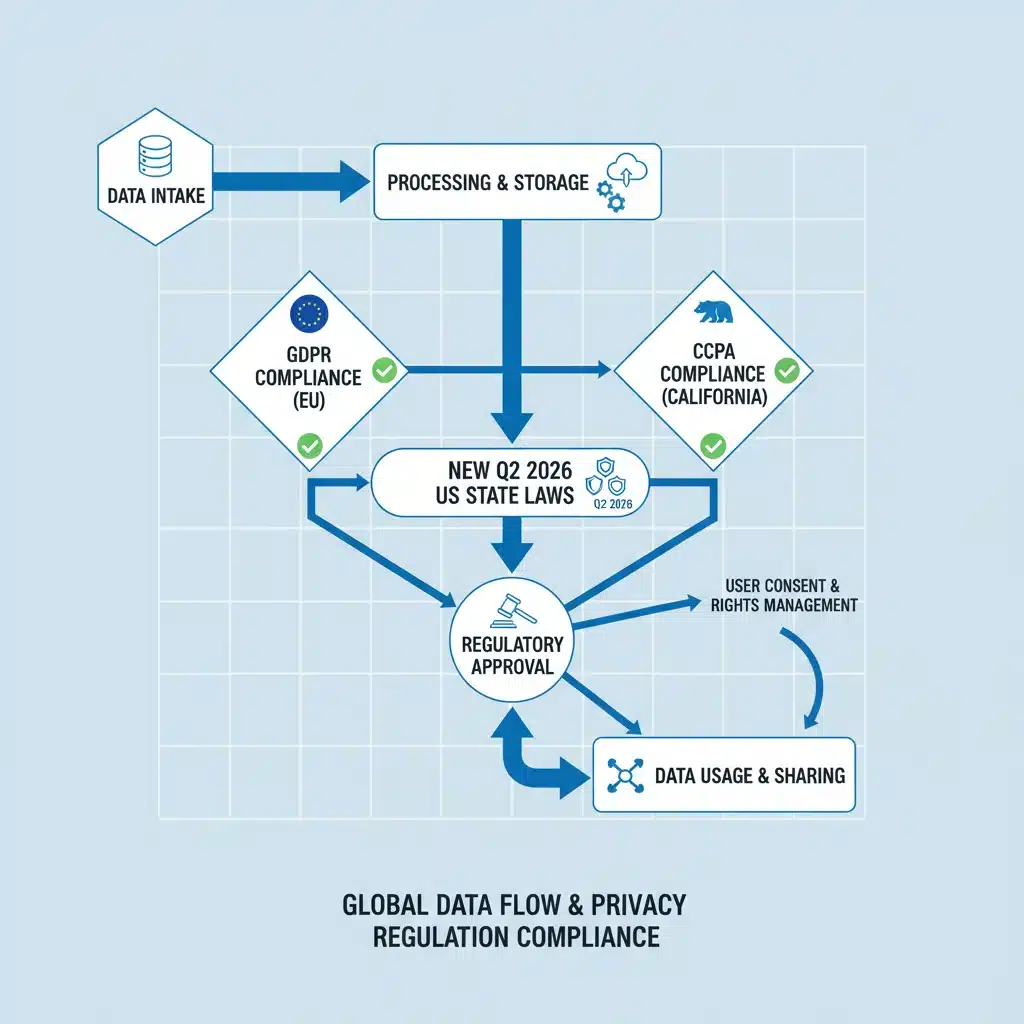
Data privacy remains at the forefront of regulatory concerns, and Q2 2026 will see several US states introducing new or expanded legislation. Building upon the precedents set by the California Consumer Privacy Act (CCPA) and its successor, the California Privacy Rights Act (CPRA), as well as Virginia’s CDPA, Colorado’s CPA, and Utah’s UCPA, more states are enacting their own comprehensive data privacy frameworks. These laws often grant consumers greater control over their personal information, impose stricter requirements on businesses for data collection and processing, and mandate transparent data handling practices. For any digital retail business operating nationwide, this creates a complex patchwork of regulations.
Key areas of focus for these new state-level privacy laws typically include:
- Expanded Definitions of Personal Information: Many new laws broaden what constitutes ‘personal information,’ often including IP addresses, unique device identifiers, and even certain inferences drawn from consumer behavior.
- Enhanced Consumer Rights: Consumers are gaining more rights, such as the right to access, correct, delete, and opt-out of the sale or sharing of their personal data. Some laws also introduce the right to limit the use and disclosure of sensitive personal information.
- Data Protection Assessments: Businesses may be required to conduct data protection assessments for processing activities that present a heightened risk to consumers, such as targeted advertising or processing sensitive data.
- Universal Opt-Out Mechanisms: There’s a growing trend towards mandating recognition of universal opt-out mechanisms, allowing consumers to exercise their privacy rights through a single setting.
- Increased Enforcement and Penalties: State attorneys general and new dedicated privacy agencies are being empowered with robust enforcement capabilities, including significant fines for non-compliance.
For digital retailers, this means a thorough review of their data collection, storage, processing, and sharing practices is imperative. Updating privacy policies to reflect these new rights and obligations, implementing robust consent management platforms, and ensuring data breach response plans are up-to-date are critical steps. Furthermore, businesses must be able to respond efficiently to consumer requests regarding their data, which often requires significant back-end system adjustments and staff training. The goal is to achieve comprehensive digital retail compliance across all operational states.
Consider the implications of these varying state laws. A business operating nationally cannot simply adopt a one-size-fits-all approach. Instead, a dynamic compliance strategy that accounts for the most stringent requirements or a state-specific approach will be necessary. This might involve geo-fencing data collection practices or offering different privacy controls based on a user’s location. The complexity underscores the need for expert legal and technical guidance to navigate these intricate privacy mandates.
Strengthening Consumer Protection: Advertising, Pricing, and Disclosure
Beyond data privacy, consumer protection laws are also seeing significant updates in Q2 2026, particularly concerning advertising, pricing transparency, and disclosure requirements. Regulators are increasingly scrutinizing how digital retailers market their products, present pricing, and communicate terms and conditions to prevent deceptive practices and ensure consumers make informed decisions.
Key areas of focus for enhanced consumer protection include:
- Truth in Advertising Standards: Stricter guidelines on misleading claims, unsubstantiated endorsements, and deceptive visual representations in digital advertisements. This includes influencer marketing, where clear disclosure of material connections is paramount.
- “Drip Pricing” and Hidden Fees: New regulations aim to combat the practice of “drip pricing,” where additional fees are incrementally added during the checkout process, leading to a final price much higher than initially displayed. Transparency in pricing, with all mandatory charges disclosed upfront, will be a significant focus.
- Subscription Service Disclosures and Cancellation: Enhanced requirements for clearly disclosing subscription terms, renewal dates, and making cancellation processes as straightforward as signing up. “Dark patterns” designed to make cancellation difficult are under intense scrutiny.
- Product Safety and Labeling: Digital retailers may face increased liability for the safety of products sold through their platforms, even if they are not the manufacturer. New labeling requirements for certain product categories, especially those imported, could also come into play.
- Review Authenticity: Efforts to combat fake reviews and ensure the authenticity of customer testimonials are gaining traction. Retailers may be required to implement measures to verify reviews and prevent the publication of fraudulent feedback.
For digital retailers, this necessitates a thorough audit of all marketing materials, website content, and checkout flows. Advertising claims must be verifiable, pricing must be transparent from the outset, and terms and conditions for subscriptions or special offers must be easily accessible and understandable. Training marketing and sales teams on these new guidelines will be crucial. Furthermore, retailers should review their supply chain and product sourcing to ensure compliance with any new safety and labeling standards, especially for goods sourced internationally. Robust digital retail compliance in this area builds significant consumer trust.
The emphasis on transparent communication is not just about avoiding penalties; it’s about fostering a positive customer experience. When customers feel they are being treated fairly and have all the necessary information, they are more likely to complete purchases and return for future business. Proactive measures in this domain can turn compliance into a competitive advantage.
Digital Accessibility Standards: Ensuring Inclusive E-commerce
Digital accessibility is no longer an optional consideration but a legal imperative. While the Americans with Disabilities Act (ADA) has always applied to places of public accommodation, including websites, Q2 2026 is expected to bring clearer, more stringent guidelines and increased enforcement actions specifically targeting e-commerce platforms. The goal is to ensure that websites and mobile applications are fully accessible to individuals with disabilities, including those with visual, auditory, cognitive, and motor impairments.
Key aspects of digital accessibility compliance include:
- WCAG 2.2 Standards: Many new accessibility requirements will align with the Web Content Accessibility Guidelines (WCAG) 2.2 at AA level. This includes criteria related to perceivability, operability, understandability, and robustness of digital content.
- Keyboard Navigation: Ensuring all interactive elements can be accessed and operated using only a keyboard, which is vital for users who cannot use a mouse.
- Screen Reader Compatibility: Websites must be designed to be compatible with screen reader software, providing meaningful alternative text for images, proper heading structures, and logical navigation.
- Color Contrast and Font Readability: Adhering to sufficient color contrast ratios for text and background, and using readable font sizes and styles to assist users with low vision or cognitive disabilities.
- Video and Audio Accessibility: Providing captions, transcripts, and audio descriptions for multimedia content to accommodate users with hearing or visual impairments.
- Accessible Forms and Error Handling: Designing forms that are easy to fill out and providing clear, accessible error messages.
For digital retailers, achieving accessibility means conducting comprehensive audits of their websites and mobile apps using both automated tools and manual testing with assistive technologies. Remediation efforts may involve redesigning website elements, updating content management systems, and training content creators on accessibility best practices. Partnering with accessibility experts can be invaluable in identifying and addressing compliance gaps. Ignoring these standards not only risks legal action but also alienates a significant segment of the consumer market. Embracing digital retail compliance for accessibility demonstrates a commitment to inclusivity and expands your customer base.
The benefits of an accessible website extend beyond legal compliance. Improved accessibility often leads to better SEO, enhanced user experience for all customers, and a broader market reach. It signifies a forward-thinking business that values all its customers.

Payment Processing and Financial Regulations
The financial aspects of digital retail are also subject to ongoing regulatory scrutiny. Q2 2026 may bring updates related to payment security, anti-money laundering (AML), and consumer lending practices, especially for retailers offering buy-now-pay-later (BNPL) options or in-house credit.
Key areas to monitor include:
- PCI DSS Compliance: While not new, adherence to the Payment Card Industry Data Security Standard (PCI DSS) remains critical. Any updates to the standard or stricter enforcement mechanisms will directly impact how retailers handle credit card data.
- Fraud Prevention: Increased regulatory expectations for retailers to implement robust fraud detection and prevention measures, particularly in light of sophisticated cyber threats.
- BNPL and Consumer Credit: As BNPL services grow, regulators are paying closer attention to their terms, disclosures, and potential impact on consumer debt. Retailers offering these services, or direct credit, might face new licensing requirements, disclosure obligations, and interest rate caps.
- Anti-Money Laundering (AML) and Sanctions Compliance: For larger digital retailers, or those with international operations, enhanced due diligence requirements to prevent money laundering and ensure compliance with sanctions lists could be introduced.
Digital retailers must work closely with their payment processors and financial partners to ensure all transactions are secure and compliant. For those offering BNPL or credit, a thorough review of their financial product offerings, disclosures, and marketing practices against potential new regulations is essential. This includes ensuring transparent presentation of interest rates, fees, and repayment schedules. Maintaining strong internal controls and regular audits of financial processes are key components of digital retail compliance in this domain.
The financial health and integrity of a digital retail business are intrinsically linked to its compliance with payment and financial regulations. Proactive engagement with these standards safeguards not only customer data but also the retailer’s financial stability and reputation.
Environmental, Social, and Governance (ESG) Reporting and Green Claims
While often associated with larger corporations, ESG considerations are increasingly impacting digital retailers, particularly concerning consumer perception and future regulatory trends. Q2 2026 might see initial steps or increased pressure towards standardized reporting or stricter guidelines around “green claims” and sustainability marketing.
- Greenwashing Scrutiny: Regulators are becoming more vigilant about “greenwashing,” where companies make unsubstantiated or misleading claims about the environmental benefits of their products or operations. Digital retailers making sustainability claims will need to have verifiable data to back them up.
- Supply Chain Transparency: There’s a growing push for greater transparency in supply chains, particularly regarding ethical labor practices and environmental impact. While not yet widespread mandates for all digital retailers, this is a trend to watch.
- Packaging and Waste Reduction: Some states or municipalities may introduce new regulations regarding packaging materials, recycling, and waste reduction efforts, impacting how products are shipped and delivered.
For digital retailers, this means carefully reviewing all marketing language related to sustainability, ensuring that claims are accurate, specific, and supported by evidence. It also involves evaluating supply chain partners for their ESG practices and considering more sustainable packaging options. While direct mandates may be limited for many small to medium-sized digital retailers in Q2 2026, establishing a strong foundation for ethical and sustainable practices now will position businesses favorably for future regulatory shifts and consumer demands. Proactive engagement with ESG principles is becoming an integral part of comprehensive digital retail compliance.
Best Practices for Proactive Compliance in Q2 2026
Given the breadth and depth of these upcoming regulatory changes, a proactive and systematic approach to compliance is essential. Here are some best practices for US digital retailers:
- Stay Informed and Monitor Legislation: Regularly consult legal counsel and industry associations to stay updated on new and proposed legislation at federal, state, and even local levels. Subscribe to regulatory alerts and newsletters.
- Conduct Regular Compliance Audits: Periodically review your current operations, policies, and procedures against all applicable regulations. Identify potential gaps and areas of non-compliance.
- Invest in Technology Solutions: Utilize tools for consent management, data mapping, accessibility testing, and security to automate compliance processes and manage data effectively.
- Update Policies and Procedures: Ensure your privacy policies, terms of service, shipping policies, return policies, and internal operational procedures are updated to reflect new requirements.
- Train Your Team: Educate employees across all departments (marketing, customer service, IT, legal) on their roles and responsibilities in maintaining compliance. Regular training sessions are crucial.
- Document Everything: Maintain meticulous records of your compliance efforts, including policy updates, audit results, training logs, and responses to consumer requests. This documentation is invaluable in the event of an audit or legal inquiry.
- Engage Legal Counsel: Work closely with legal professionals specializing in e-commerce and regulatory compliance. Their expertise is invaluable in interpreting complex laws and developing sound compliance strategies.
- Prioritize Accessibility: Make a dedicated effort to integrate accessibility into your website development lifecycle, rather than treating it as an afterthought.
- Foster a Culture of Compliance: Embed compliance into your company culture, emphasizing its importance not just as a legal obligation but as a core value that builds trust with customers.
By adopting these best practices, digital retailers can transform potential compliance challenges into opportunities for growth, enhanced customer loyalty, and a stronger market position. The goal is not just to react to regulations but to anticipate them and build a resilient business model.
The Cost of Non-Compliance vs. The Value of Proactive Compliance
The consequences of non-compliance can be severe, ranging from significant financial penalties and legal fees to reputational damage, loss of customer trust, and even business disruption. Fines for data privacy violations alone can run into millions of dollars, and accessibility lawsuits are becoming increasingly common. The cost of remediating a compliance issue after the fact almost always outweighs the investment in proactive measures.
Conversely, proactive compliance offers numerous benefits:
- Reduced Legal and Financial Risk: Minimizing the likelihood of fines, lawsuits, and legal battles.
- Enhanced Customer Trust: Demonstrating a commitment to protecting customer data and rights builds loyalty.
- Improved Brand Reputation: Being recognized as an ethical and responsible business can be a significant competitive advantage.
- Operational Efficiency: Streamlined processes and clear policies often lead to more efficient operations.
- Broader Market Reach: Accessible websites and transparent practices attract a wider customer base.
- Future-Proofing: A robust compliance framework makes it easier to adapt to future regulatory changes.
Investing in digital retail compliance for Q2 2026 should be viewed not as an expense, but as a strategic investment in the long-term health and success of your e-commerce business. It’s about securing your operations, protecting your customers, and building a foundation for sustainable growth in the dynamic digital marketplace.
Conclusion: Preparing for a Compliant Future
Q2 2026 marks a pivotal moment for US digital retailers, with a wave of new regulatory updates set to reshape the e-commerce landscape. From stringent state-level data privacy laws and enhanced consumer protection measures to clearer digital accessibility standards and evolving financial regulations, the imperative for robust digital retail compliance has never been stronger.
The businesses that thrive in this environment will be those that embrace proactive strategies, invest in the necessary tools and expertise, and foster a culture of continuous compliance. By meticulously auditing current practices, updating policies, training staff, and leveraging technology, digital retailers can not only mitigate risks but also build stronger, more trustworthy relationships with their customers.
Remember, compliance is an ongoing journey, not a destination. Staying informed, adaptable, and committed to ethical business practices will be the hallmarks of successful digital retailers in the years to come. Start preparing now to ensure your e-commerce business is well-positioned for a compliant and prosperous Q2 2026 and beyond.