Boost Direct Sales: Convert Social Followers to DTC Customers by 2026
From Social Commerce to Direct Sales: Converting 25% More Followers into Paying DTC Customers by Year-End 2026
In the rapidly evolving digital landscape, the line between social interaction and commercial transaction continues to blur. For direct-to-consumer (DTC) brands, social media isn’t just a marketing channel; it’s a bustling marketplace, a customer service hub, and a brand-building powerhouse. The challenge, however, lies in effectively leveraging social commerce to drive direct sales, transforming casual followers into loyal, paying customers. This comprehensive guide will equip you with the strategies and insights needed to convert 25% more of your social followers into DTC customers by year-end 2026, propelling your brand toward unprecedented growth.
Understanding the Shift: Why Social Commerce is Crucial for DTC Growth
The rise of social commerce has redefined how consumers discover, evaluate, and purchase products. No longer confined to dedicated e-commerce platforms, shopping experiences are now embedded directly within social feeds, stories, and live streams. For DTC brands, this presents an immense opportunity to shorten the sales funnel, reduce acquisition costs, and build stronger customer relationships. Ignoring this shift means missing out on a significant portion of your potential market.
Social media platforms are no longer just for sharing personal moments; they are powerful engines for discovery and purchase. Consumers spend hours daily on these platforms, making them prime real estate for brands to connect. The authentic, often user-generated content (UGC) that thrives on social media builds trust and credibility far more effectively than traditional advertising. When a follower sees a product they love being used by someone they admire or relate to, the path to purchase becomes significantly smoother.
Moreover, social commerce tools, such as shoppable posts, in-app checkout, and live shopping events, are making the purchasing process more seamless than ever. This frictionless experience is paramount for DTC brands looking to capture impulse buys and cater to the instant gratification culture of modern consumers. By integrating commerce directly into social experiences, brands can reduce bounce rates and increase conversion rates, turning social engagement into tangible revenue.
The Evolution of Consumer Behavior: From Browsing to Buying on Social Platforms
Modern consumers, particularly Gen Z and Millennials, are digital natives who expect a fluid, integrated experience across all their online interactions. They don’t want to leave a social app to complete a purchase; they want the entire journey to happen within their preferred environment. This behavioral shift necessitates a strategic pivot for DTC brands. Instead of viewing social media merely as a top-of-funnel awareness tool, it must be recognized as a full-funnel ecosystem capable of driving direct sales.
Consider the power of visual platforms like Instagram and TikTok, where product aesthetics and lifestyle integration are key. A beautifully curated feed or an engaging short-form video can inspire desire and provide immediate pathways to purchase. Similarly, platforms like Pinterest act as visual search engines, guiding users from inspiration to direct product links. Understanding these platform-specific nuances is critical for optimizing your social commerce strategy.
Furthermore, the social proof inherent in likes, comments, shares, and user reviews on these platforms plays a significant role in influencing purchasing decisions. Consumers trust their peers more than traditional advertisements. By encouraging and showcasing user-generated content, DTC brands can harness this powerful form of advocacy to build credibility and accelerate the conversion of followers into paying customers.
Phase 1: Optimize Your Social Presence for Direct Conversion
Before you can convert followers, you must ensure your social presence is optimized for direct commerce. This involves more than just posting pretty pictures; it requires strategic setup and consistent execution.
1. Streamline Your Social Storefronts
Each social platform you utilize should function as a mini-storefront, offering a clear and direct path to purchase. This means:
- Instagram Shopping: Enable shoppable posts, stories, and Reels. Tag products directly in your content so users can tap and buy without leaving the app. Utilize Instagram Shop as a dedicated space for product discovery.
- Facebook Shops: Create a comprehensive Facebook Shop that mirrors your e-commerce site. This allows users to browse products, read descriptions, and even complete purchases directly on Facebook.
- Pinterest Product Pins: Transform your pins into rich Product Pins that include real-time pricing, availability, and direct links to your product pages. Pinterest is a powerful discovery engine for products.
- TikTok Shopping: Leverage TikTok Shop where available, or integrate product links into your bio and short-form videos. Live shopping on TikTok is also a rapidly growing conversion channel.
- Link in Bio Tools: Use tools like Linktree or Beacons to create a consolidated landing page for all your important links, making it easy for followers to navigate to your product pages, promotions, and other relevant content.
The goal is to minimize friction. Every additional click or navigation step increases the chance of a user abandoning their purchase journey. Make it as easy as possible for them to go from interest to transaction.
2. High-Quality Product Content & Visuals
In the visual-first world of social media, your product content must be exceptional. This includes:
- Stunning Photography: High-resolution images that showcase your products from multiple angles, in different settings, and on diverse body types (if applicable).
- Engaging Video Content: Short-form videos demonstrating product features, benefits, and how-to guides. These are particularly effective on platforms like TikTok and Instagram Reels.
- User-Generated Content (UGC): Actively encourage and repost content from your customers. UGC acts as powerful social proof and builds a sense of community around your brand.
- Interactive Elements: Use polls, quizzes, and Q&A stickers in stories to engage followers and gather insights, which can then be used to tailor content and product offerings.
Remember, social media is about storytelling. Don’t just sell products; tell the story behind them, the problem they solve, and the lifestyle they enhance. This emotional connection is key to converting followers into loyal customers.
Phase 2: Engage and Nurture Your Social Audience
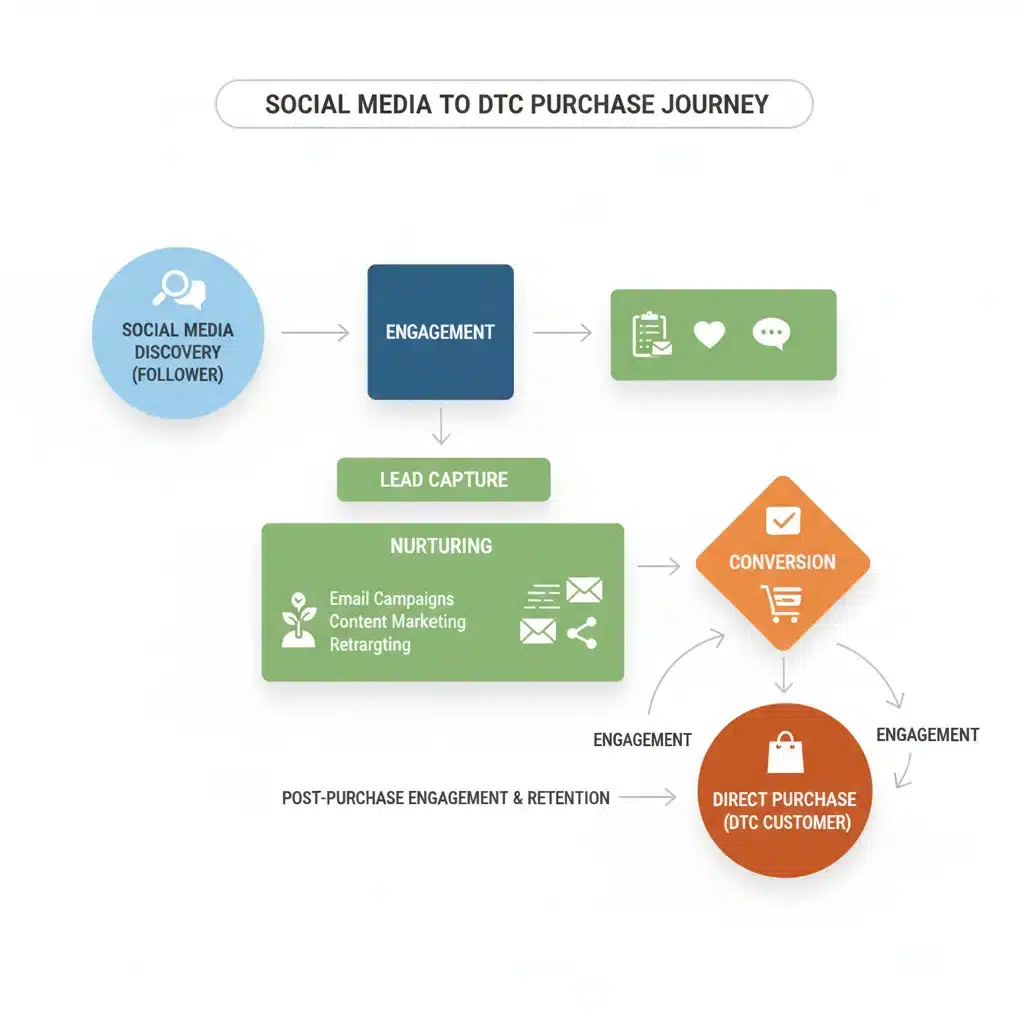
Converting followers isn’t just about direct sales tactics; it’s about building relationships and nurturing interest. Engagement is the bridge between a casual follower and a committed customer.
1. Authentic Community Building
Foster a genuine community around your brand. Respond to comments and direct messages promptly and thoughtfully. Show appreciation for UGC. Run contests and giveaways that encourage participation and interaction. When followers feel heard and valued, they are more likely to invest in your brand.
Consider creating exclusive groups or channels for your most engaged followers, offering them early access to new products, special discounts, or behind-the-scenes content. This exclusivity can deepen their connection and make them feel like VIPs, significantly increasing their likelihood of becoming repeat DTC customers.
2. Interactive Content & Live Shopping
Live shopping events are revolutionizing social commerce. These interactive sessions allow you to showcase products in real-time, answer questions, and offer exclusive deals. The urgency and immediacy of live shopping can drive significant conversions.
- Demonstrations: Show your products in action.
- Q&A Sessions: Address common questions and concerns directly.
- Influencer Collaborations: Partner with influencers to host live shopping events, leveraging their audience and credibility.
- Exclusive Offers: Provide limited-time discounts or bundles only available during the live event.
Beyond live events, regularly incorporate interactive elements into your regular content. Ask questions, solicit opinions, and run polls. The more engaged your audience is, the more likely they are to remember your brand when it’s time to make a purchase.
3. Leverage Influencer Marketing Strategically
Influencer marketing remains a powerful tool for DTC brands, especially when integrated with social commerce. Instead of just brand awareness, focus on conversion-driven influencer campaigns:
- Affiliate Links & Unique Codes: Provide influencers with trackable affiliate links or unique discount codes that drive traffic directly to your DTC site and incentivize purchases.
- Product Reviews & Demos: Encourage influencers to create authentic product reviews and demonstrations that highlight the value and benefits of your products.
- Takeovers & Collaborations: Allow influencers to ‘take over’ your social channels for a day, offering a fresh perspective and engaging their audience directly with your brand.
- Micro-Influencers: Often have higher engagement rates and more niche, loyal audiences, making them ideal for targeted conversion campaigns.
The key is authenticity. Consumers are savvy; they can spot a forced endorsement a mile away. Partner with influencers whose values align with your brand and who genuinely love your products.
Phase 3: Implement Conversion-Focused Strategies for DTC Sales
Once your social presence is optimized and your audience is engaged, it’s time to deploy specific strategies designed to convert those engaged followers into paying DTC customers.
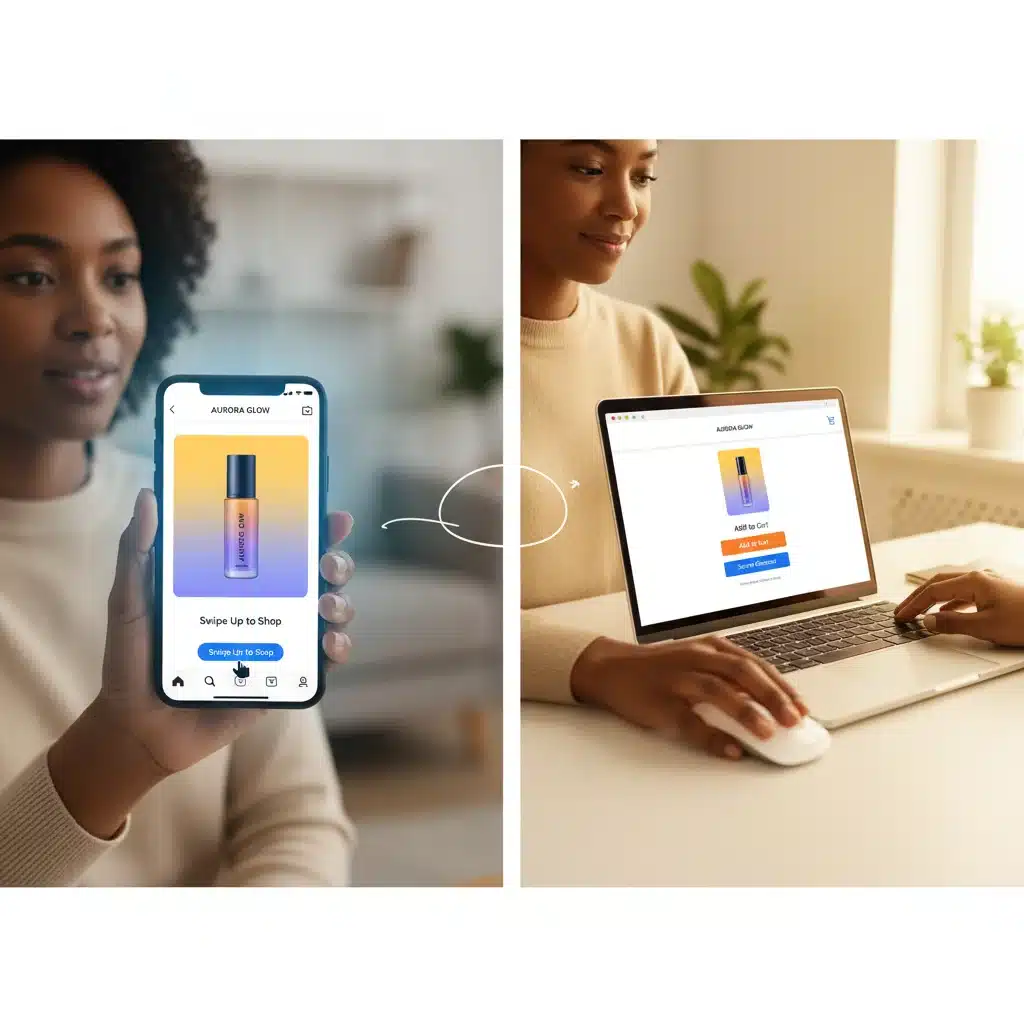
1. Seamless Cross-Platform Customer Journeys
The journey from social media to your DTC website must be frictionless. This means:
- Consistent Branding: Ensure your social profiles and website have a consistent look, feel, and brand voice. This builds trust and reduces confusion.
- Clear Calls to Action (CTAs): Every shoppable post, story, or ad should have a clear, compelling CTA that guides users to the next step (e.g., ‘Shop Now,’ ‘Learn More,’ ‘Add to Cart’).
- Optimized Landing Pages: When users click from social media, they should land on a product page that is mobile-responsive, loads quickly, and provides all the necessary information to make a purchase. Avoid generic homepages.
- Retargeting Campaigns: Implement retargeting ads for users who interacted with your social content but didn’t complete a purchase on your DTC site. Remind them of the products they viewed and offer incentives to return.
Think of the customer journey as a well-paved highway. You want to eliminate all potholes, detours, and roadblocks that might cause a driver to pull off before reaching their destination.
2. Exclusive Social-Only Offers & Promotions
Incentivize your social followers to make their first DTC purchase by offering exclusive deals they can only access through your social channels. This creates a sense of urgency and reward for being part of your community.
- Flash Sales: Announce limited-time sales exclusively on Instagram Stories or TikTok.
- Follower Discounts: Offer a special discount code for new followers or those who engage with specific content.
- Bundle Deals: Create unique product bundles available only to your social audience.
- Early Access: Give social followers early access to new product launches or collections before they’re generally available.
These exclusive offers not only drive immediate sales but also reinforce the value of following your brand on social media, encouraging continued engagement.
3. Leverage Social Proof for Conversion
Social proof is a psychological phenomenon where people assume the actions of others in an attempt to reflect correct behavior. On social media, this translates into powerful conversion drivers:
- Customer Testimonials & Reviews: Share positive customer reviews and testimonials prominently across your social channels.
- User-Generated Content (UGC): Repost and highlight UGC. When potential customers see real people using and loving your products, it builds immense trust.
- Influencer Endorsements: Continue to collaborate with influencers, showcasing their genuine experiences with your products.
- “As Seen On” Features: If your products have been featured by reputable publications or celebrities, highlight these on your social media.
By consistently showcasing how others are enjoying your products, you reduce perceived risk for new customers and build confidence in their purchasing decision. This is especially vital for DTC brands that rely heavily on online trust.
Phase 4: Analyze, Adapt, and Scale for 25% Conversion Growth
Achieving a 25% increase in social follower-to-DTC customer conversion by year-end 2026 requires continuous monitoring, analysis, and adaptation of your strategies.
1. Data-Driven Decision Making
Utilize the analytics tools provided by social platforms and your e-commerce platform to track key metrics:
- Social Engagement Rate: Likes, comments, shares, saves per post.
- Click-Through Rate (CTR) from Social to DTC Site: How many users click your links.
- Conversion Rate from Social Traffic: The percentage of social visitors who make a purchase.
- Average Order Value (AOV) from Social: The average spend of customers acquired through social channels.
- Customer Lifetime Value (CLTV) of Social-Acquired Customers: The total revenue expected from a customer acquired through social media over their relationship with your brand.
Regularly review these metrics to identify what’s working and what isn’t. A/B test different content formats, CTAs, and promotional offers to continually optimize your approach. Data is your compass in the journey to 25% conversion growth.
2. Personalization at Scale
As you gather more data, you can begin to personalize your social commerce efforts. This doesn’t mean creating unique content for every single follower, but rather segmenting your audience and tailoring content and offers to different groups.
- Behavioral Segmentation: Target users based on their past interactions (e.g., viewed a product but didn’t buy, engaged with specific content themes).
- Demographic Segmentation: Tailor messages based on age, location, or other demographic data.
- Personalized Recommendations: Use AI-powered tools to suggest products to followers based on their browsing history or expressed interests.
Personalization makes your marketing feel less like a mass broadcast and more like a one-on-one conversation, significantly increasing the likelihood of conversion. When content feels relevant, it resonates deeper.
3. Stay Ahead of Platform Changes
Social media platforms are constantly evolving, introducing new features, algorithms, and commerce tools. To maintain your competitive edge and achieve your conversion goals, you must stay informed and adapt quickly.
- Follow Industry News: Keep up with announcements from Instagram, TikTok, Facebook, Pinterest, and other relevant platforms.
- Experiment with New Features: Be an early adopter of new shopping features. Often, platforms give preferential treatment to brands that utilize their latest tools.
- Allocate Resources for Innovation: Dedicate a portion of your marketing budget and team time to experimenting with new social commerce trends and technologies.
Agility is key. The brands that can pivot and integrate new social commerce capabilities effectively will be the ones that see the most significant gains in DTC customer conversion.
Conclusion: The Future is Social, The Future is DTC
The objective to convert 25% more social followers into paying DTC customers by year-end 2026 is ambitious yet entirely achievable with a strategic, data-driven, and consumer-centric approach. By optimizing your social storefronts, engaging your audience authentically, implementing conversion-focused strategies, and continuously analyzing your performance, your DTC brand can unlock the full potential of social commerce.
This isn’t just about making sales; it’s about building a robust, loyal customer base directly connected to your brand, bypassing traditional retail intermediaries. The future of commerce is increasingly direct, and social media is the most powerful conduit to make that future a reality. Start implementing these strategies today, and watch your social engagement transform into significant direct sales growth.