Optimize DTC Checkout Flow: Boost Conversions 15% by 2026
In the fiercely competitive landscape of direct-to-consumer (DTC) e-commerce, every click, every page load, and every interaction counts. The checkout process, often overlooked in the grand scheme of marketing and product development, is arguably the most critical touchpoint in the customer journey. It’s the final hurdle between a browsing customer and a completed sale. A clunky, confusing, or slow checkout can lead to abandoned carts and lost revenue, regardless of how brilliant your product or marketing strategy is. This comprehensive guide will equip you with the knowledge and actionable strategies to significantly optimize your DTC checkout flow, aiming for an ambitious yet achievable 15% increase in conversion rates by 2026.
The imperative to optimize your DTC checkout flow has never been greater. With increasing customer expectations for seamless, personalized experiences and the constant evolution of e-commerce technology, businesses that fail to adapt risk being left behind. We’ll delve into the core principles of an effective checkout, explore cutting-edge tactics, and provide a roadmap for implementing these changes to ensure your DTC brand thrives in the coming years. Let’s transform your checkout from a point of friction into a powerful conversion engine.
Understanding the Importance of DTC Checkout Optimization
Before diving into the ‘how,’ it’s crucial to understand the ‘why.’ Why is DTC checkout optimization so vital for your business’s bottom line? The answer lies in the direct impact it has on your conversion rates, customer lifetime value (CLTV), and overall brand perception. A high cart abandonment rate is a clear indicator of issues within your checkout process. Studies consistently show that a significant percentage of online shoppers abandon their carts, often due to unexpected costs, complicated processes, or a lack of trust.
The Cost of a Suboptimal Checkout
Imagine investing heavily in advertising, driving thousands of visitors to your site, only for a large portion of them to drop off at the final stage. This represents a substantial waste of marketing spend and a missed opportunity for revenue. A suboptimal checkout isn’t just about lost sales; it also erodes customer trust and can negatively impact your brand’s reputation. In today’s interconnected world, a bad checkout experience can quickly lead to negative reviews and social media chatter, deterring potential future customers.
The Benefits of a Streamlined Checkout
Conversely, a well-optimized DTC checkout flow offers numerous benefits:
- Increased Conversion Rates: This is the most direct and measurable benefit. A smoother, faster checkout means more completed purchases.
- Higher Average Order Value (AOV): By strategically integrating upsells and cross-sells within the checkout, you can encourage customers to purchase more.
- Improved Customer Satisfaction: A hassle-free experience leaves customers feeling positive about their purchase and your brand, increasing the likelihood of repeat business.
- Reduced Customer Service Inquiries: A clear and intuitive checkout minimizes confusion, leading to fewer support tickets related to ordering issues.
- Enhanced Brand Loyalty: Positive experiences build trust and foster loyalty, turning one-time buyers into lifelong customers.
Our goal of a 15% conversion rate increase by 2026 is ambitious but entirely achievable with a focused approach to DTC checkout optimization.
Phase 1: Auditing Your Current DTC Checkout Flow
You can’t fix what you don’t understand. The first step towards optimizing your DTC checkout flow is a thorough audit of your existing process. This involves putting yourself in your customer’s shoes and meticulously examining every step from cart to confirmation.
Key Areas to Evaluate:
- Number of Steps: How many pages or screens does a customer have to navigate? Generally, fewer steps are better.
- Form Fields: How many fields are customers required to fill? Are they all essential? Can any be pre-filled or inferred?
- Page Load Speed: How quickly do each of your checkout pages load? Even a slight delay can lead to abandonment.
- Mobile Responsiveness: Is the checkout experience seamless and intuitive on all devices, especially smartphones?
- Clarity and Simplicity: Is the language clear? Are calls to action prominent? Is there any jargon?
- Trust Signals: Are security badges, customer reviews, and clear return policies visible?
- Payment Options: Are popular payment methods available? Is guest checkout an option?
- Error Handling: How are errors (e.g., incorrect address) communicated and resolved?
- Upsell/Cross-sell Placement: Are these offered at appropriate, non-disruptive points?
Tools for Auditing:
- Google Analytics/Other Analytics Platforms: Analyze user flow, identify drop-off points, and understand user behavior.
- Heatmaps and Session Recordings (e.g., Hotjar, Crazy Egg): Visually see where users click, scroll, and get stuck.
- User Testing: Recruit actual users to go through your checkout and provide feedback. This can reveal pain points you might miss.
- Competitor Analysis: Examine how successful DTC brands handle their checkout process. What can you learn from them?
Phase 2: Implementing Core Strategies for DTC Checkout Optimization
Once you’ve identified the weaknesses in your current flow, it’s time to implement proven strategies. These tactics are designed to reduce friction, build trust, and encourage completion.
1. Streamline the Checkout Process (Fewer Steps, Fewer Fields)
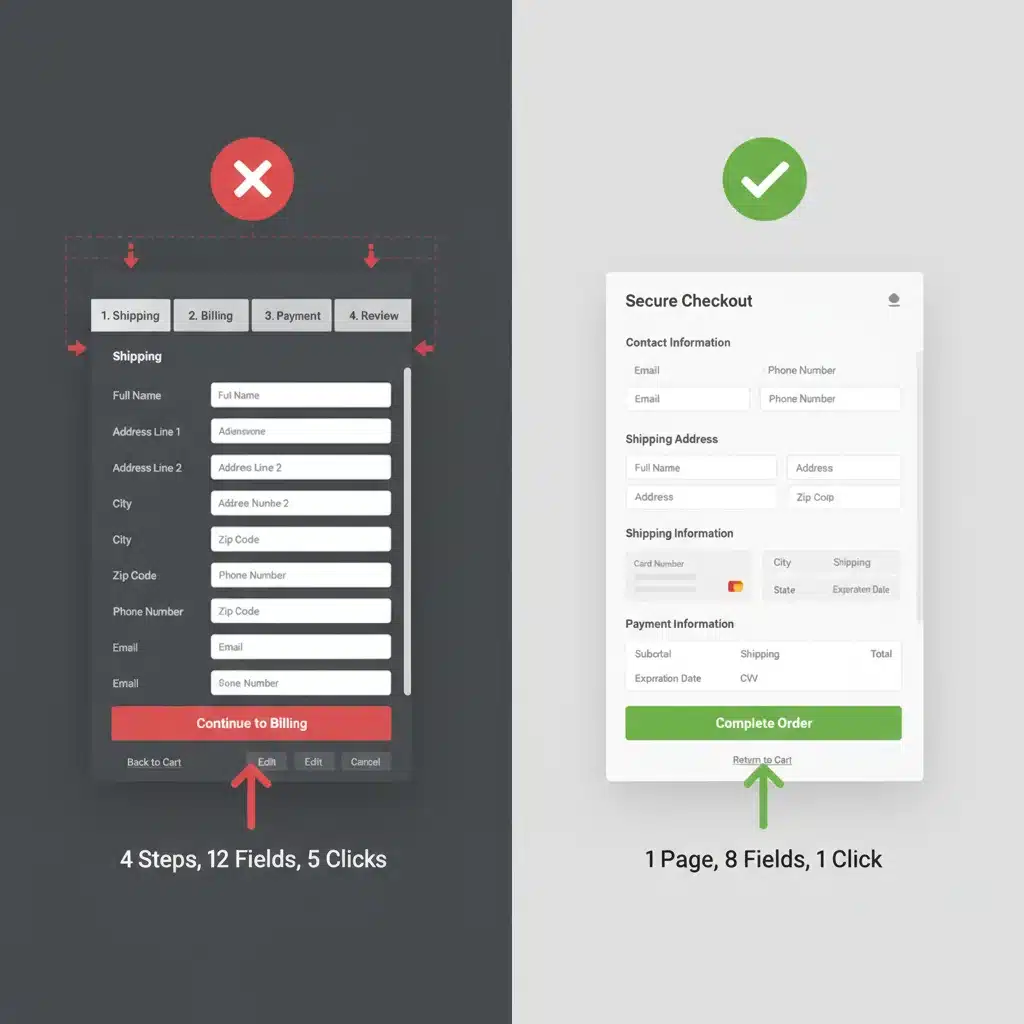
This is perhaps the most impactful change you can make. Every extra step or field introduces friction and increases the chance of abandonment. Aim for a one-page checkout or a very clear, multi-step progress indicator.
- One-Page Checkout: Consolidate all necessary information onto a single page. This reduces clicks and gives customers a clear overview of the entire process.
- Guest Checkout: Always offer a guest checkout option. Forcing users to create an account before purchasing is a major deterrent.
- Auto-fill and Address Validation: Implement auto-fill for address fields and real-time address validation to reduce typing errors and speed up the process.
- Remove Unnecessary Fields: Do you really need their fax number? Only ask for absolutely essential information.
2. Optimize for Mobile First
A significant portion of online shopping now happens on mobile devices. Your checkout must be perfectly optimized for smaller screens.
- Responsive Design: Ensure your checkout adapts seamlessly to any screen size.
- Large Tap Targets: Buttons and form fields should be large enough to be easily tapped with a thumb.
- Mobile-Specific Keyboards: Use appropriate input types (e.g., number keyboard for phone numbers and credit card fields).
- Reduced Text Input: Minimize the amount of typing required on mobile.
3. Build Trust and Reassurance
Customers need to feel secure when providing sensitive payment and personal information.
- Prominent Security Badges: Display SSL certificates, payment gateway logos (e.g., Visa, Mastercard, PayPal), and trust seals (e.g., Norton Secured).
- Clear Return and Refund Policies: Link to these policies clearly from the checkout page. Transparency builds confidence.
- Customer Support Availability: Provide easy access to customer support (phone number, live chat) in case customers have questions.
- Social Proof: Briefly showcase customer testimonials or ratings, if appropriate and non-disruptive.
4. Offer Flexible Payment Options
The more payment options you provide, the more likely you are to capture a sale.
- Credit/Debit Cards: Support all major cards.
- Digital Wallets: Integrate Apple Pay, Google Pay, and Shop Pay for one-click checkout experiences. These are crucial for mobile conversions.
- Buy Now, Pay Later (BNPL): Offer options like Affirm, Klarna, or Afterpay, especially for higher-ticket items, to reduce perceived cost barriers.
- PayPal: Many users prefer PayPal for its convenience and security.
5. Be Transparent About Costs
Hidden fees are a leading cause of cart abandonment. Be upfront about all costs.
- Display Shipping Costs Early: Ideally, allow customers to calculate shipping costs before they even reach the checkout page, or make it clear in the cart summary.
- Tax Calculation: Clearly show applicable taxes.
- Total Price Clarity: Ensure the final price, including all fees, is prominently displayed and updates in real-time.
6. Optimize Error Handling and Validation
Mistakes happen. How you handle them can make or break a sale.
- Real-Time Validation: Provide immediate feedback when a user enters incorrect information (e.g., invalid email format).
- Clear Error Messages: Instead of generic messages, tell the user exactly what went wrong and how to fix it (e.g., “Please enter a valid 16-digit card number”).
- Don’t Clear Forms: If an error occurs, don’t clear all the user’s previously entered information. Let them correct only the erroneous fields.
7. Implement Progress Indicators
If your checkout has multiple steps, clearly show customers where they are in the process and how much is left.
- Visual Progress Bars: Simple, intuitive bars or numbered steps help manage expectations and reduce perceived effort.
- Clear Step Labels: Label each step (e.g., “Shipping,” “Payment,” “Review”).
Phase 3: Advanced DTC Checkout Optimization Tactics for 2026 and Beyond
To truly achieve and sustain a 15% conversion rate increase, you need to look beyond the basics and embrace more advanced strategies.
1. Personalized Checkout Experiences
Leverage customer data to tailor the checkout process.
- Pre-filled Information: For returning customers, pre-fill shipping and billing details.
- Personalized Upsells/Cross-sells: Suggest relevant add-ons based on past purchases or browsing history.
- Dynamic Payment Options: Display preferred payment methods first, based on user history or location.
2. One-Click Reordering
For subscription services or repeat purchases, enable customers to reorder with a single click from their account dashboard or even directly from email notifications.
3. AI-Powered Fraud Detection
Integrate robust fraud detection systems that work seamlessly in the background without adding friction for legitimate customers. This protects your business without hindering conversions.
4. Post-Purchase Optimization
The checkout experience doesn’t end at the ‘confirm order’ button.
- Order Confirmation Page: Use this page for valuable information, delivery expectations, and even subtle upsells for future purchases.
- Transactional Emails: Optimize order confirmation and shipping update emails. They are highly opened and can reinforce brand loyalty.
- Customer Feedback: Ask for feedback on the checkout process itself. A simple post-purchase survey can provide invaluable insights.
5. Leveraging Social Login
Offer social login options (Google, Facebook, Apple) to simplify the account creation process, especially for new customers who might abandon if asked to fill out lengthy registration forms.
Phase 4: Continuous Improvement and A/B Testing
DTC checkout optimization is not a one-time project; it’s an ongoing process. The digital landscape, customer expectations, and technologies are constantly evolving. To maintain and improve your conversion rates, continuous monitoring and testing are essential.
1. A/B Testing Everything
Never assume. Test everything. Small changes can have significant impacts. A/B test:
- Button colors and copy
- Number of steps in the checkout
- Placement of trust signals
- Order of form fields
- Different payment gateway integrations
- Upsell/cross-sell offers and placement
Use tools like Google Optimize, Optimizely, or VWO to run structured experiments and make data-driven decisions.

2. Monitor Key Metrics Regularly
Keep a close eye on your analytics:
- Cart Abandonment Rate: Track this closely and identify trends.
- Conversion Rate: Overall and specifically for your checkout funnel.
- Time to Purchase: How long does it take customers to complete the checkout?
- Error Rates: Identify common errors users encounter.
- Mobile vs. Desktop Performance: Compare conversion rates across devices.
3. Gather Customer Feedback
Actively solicit feedback from your customers. This can be through:
- Post-purchase surveys
- On-site feedback widgets
- Customer service interactions
- Social media monitoring
Qualitative feedback can often reveal pain points that quantitative data alone might miss.
Conclusion: Your Roadmap to 15% Higher Conversions by 2026
Optimizing your DTC checkout flow is one of the most powerful levers you have to pull for significant revenue growth. By systematically auditing your current process, implementing core best practices, embracing advanced tactics, and committing to continuous improvement through A/B testing, you can transform your checkout from a conversion bottleneck into a seamless, high-performing engine.
The goal of a 15% increase in conversion rates by 2026 is not just a dream; it’s an achievable reality for DTC brands willing to invest the time and effort into perfecting this crucial stage of the customer journey. Start today by reviewing your checkout through the eyes of your customer. Every friction point removed, every trust signal added, and every step simplified brings you closer to a more profitable and customer-centric e-commerce operation. Your customers, and your bottom line, will thank you for it.