Q3 2026 US E-commerce: Consumer Behavior Shifts & Sales Projections
The digital landscape is in a perpetual state of flux, and for businesses operating within the United States e-commerce sector, understanding future trends is not merely advantageous but essential for survival and growth. As we cast our gaze towards Q3 2026, a confluence of technological advancements, evolving societal values, and macroeconomic factors are poised to redefine consumer behavior and, consequently, shape e-commerce sales projections. This comprehensive analysis will delve into the anticipated shifts, offering insights and actionable strategies for businesses to navigate this dynamic period successfully. The central theme revolves around anticipating and adapting to the nuances of US E-commerce Q3 2026.
The Macroeconomic Canvas for US E-commerce Q3 2026
Before diving into specific consumer behaviors, it’s crucial to establish the broader economic context. Q3 2026 is expected to be characterized by a continued, albeit perhaps moderated, inflationary environment. Supply chain resilience will likely be a persistent theme, with businesses prioritizing diversification and localized sourcing to mitigate disruptions. Interest rates, while potentially stabilizing, will still influence consumer borrowing and discretionary spending. The labor market, while showing signs of cooling, may still present challenges for businesses seeking to scale operations efficiently. These macroeconomic undercurrents will subtly, yet significantly, influence how consumers approach online purchasing decisions, impacting US E-commerce Q3 2026 sales.
Consumer confidence will be a critical indicator. A confident consumer is more likely to engage in discretionary spending, which directly fuels e-commerce growth. Conversely, economic uncertainties can lead to a more cautious approach, with consumers prioritizing essential goods and seeking greater value. Businesses must be acutely aware of these sentiment shifts and adapt their marketing and pricing strategies accordingly. The ability to offer flexible payment options, transparent pricing, and robust customer support will be paramount in fostering trust and securing sales in a potentially volatile economic climate. Understanding these foundational elements is key to accurately forecasting US E-commerce Q3 2026.
Key Consumer Behavior Shifts Driving US E-commerce in Q3 2026
The core of our analysis lies in identifying and understanding the significant shifts in consumer behavior that will define US E-commerce Q3 2026. These shifts are not isolated incidents but rather interconnected trends that collectively reshape the digital marketplace.
1. The Ascendance of Conscious Consumption and Sustainability
By Q3 2026, conscious consumption will have moved beyond a niche trend to become a mainstream expectation. Consumers are increasingly scrutinizing brands’ environmental, social, and governance (ESG) practices. This includes a demand for sustainable sourcing, ethical labor practices, transparent supply chains, and eco-friendly packaging. Businesses that fail to demonstrate a genuine commitment to sustainability risk alienating a significant portion of the market.
This shift will manifest in several ways:
- Product Choice: Consumers will actively seek out products with certifications, clear indications of their environmental impact, and brands that align with their values.
- Brand Loyalty: Loyalty will be earned not just through quality and price, but also through a brand’s perceived ethical stance.
- Packaging Innovation: A demand for minimal, recyclable, and compostable packaging will intensify, pushing businesses to innovate beyond traditional materials.
- Circular Economy Models: Rental, resale, and repair services will gain traction, reflecting a desire to extend product lifecycles and reduce waste.
For e-commerce businesses, this means integrating sustainability into every facet of their operations, from product development to logistics and marketing. Communicating these efforts authentically will be crucial for capturing the conscious consumer segment and bolstering US E-commerce Q3 2026 sales.
2. Hyper-Personalization and the AI Revolution
The expectation for personalized experiences will reach new heights in Q3 2026. Generic marketing and one-size-fits-all product recommendations will be increasingly ineffective. Advances in artificial intelligence (AI) and machine learning (ML) will enable businesses to deliver truly hyper-personalized interactions across the entire customer journey.
- Predictive Analytics: AI will analyze past purchasing behavior, browsing patterns, and even external data points to predict future needs and preferences, offering relevant products before the consumer even searches for them.
- Dynamic Pricing and Promotions: Personalized pricing and promotional offers will become more common, tailored to individual customer value and propensity to purchase.
- Customized Content: Websites, emails, and social media feeds will dynamically adapt to individual users, presenting content that resonates most with their interests and stage in the buying cycle.
- AI-Powered Customer Service: Sophisticated chatbots and virtual assistants will provide instant, personalized support, resolving queries and guiding customers through their shopping experience seamlessly.
The challenge for businesses will be to leverage these technologies responsibly, ensuring data privacy and maintaining transparency with consumers. The brands that master hyper-personalization while building trust will gain a significant competitive edge in the US E-commerce Q3 2026 landscape.
3. The Blurring Lines: Social Commerce and Experiential Shopping
Social media platforms will continue their evolution from mere discovery channels to fully integrated shopping destinations. Social commerce, where purchases are made directly within social apps, will be a dominant force in US E-commerce Q3 2026. This is fueled by younger demographics who are accustomed to seamless transitions between content consumption and purchasing.
Beyond direct purchases, experiential shopping will gain prominence:
- Live Shopping: Interactive live streams featuring product demonstrations, Q&A sessions with influencers, and real-time promotions will drive significant engagement and sales.
- Augmented Reality (AR) and Virtual Reality (VR): AR will allow consumers to virtually ‘try on’ clothes, place furniture in their homes, or visualize products in their environment before buying. VR will offer immersive shopping experiences, creating virtual storefronts and product showcases.
- Gamification: Incorporating game-like elements into the shopping experience, such as loyalty programs with challenges, virtual rewards, and interactive product explorations, will boost engagement and repeat purchases.
Businesses must invest in developing engaging content and leveraging these immersive technologies to create memorable shopping experiences that transcend traditional transactional interactions. This is a crucial element for success in US E-commerce Q3 2026.
4. The Subscription Economy’s Continued Expansion
Subscription models, already prevalent, will diversify and deepen their reach by Q3 2026. Consumers appreciate the convenience, curated selection, and often cost savings associated with subscriptions for everything from daily essentials to luxury goods and personalized services.
Key developments in the subscription economy will include:
- Personalized Subscriptions: Highly customizable subscriptions that adapt to individual preferences and usage patterns will become the norm.
- Hybrid Models: Blending subscription services with one-off purchases, offering greater flexibility and choice to consumers.
- Experience-Based Subscriptions: Subscriptions for access to exclusive content, communities, or unique experiences will grow.
- Sustainability-Focused Subscriptions: Services that promote reuse, recycling, or ethical sourcing will appeal to conscious consumers.
For e-commerce businesses, building robust subscription platforms requires a focus on customer retention, continuous value delivery, and seamless management. The recurring revenue stream from subscriptions offers stability and predictability, making it an attractive model for US E-commerce Q3 2026 growth.
5. The Rise of Voice Commerce and Conversational AI
While still nascent, voice commerce is projected to gain significant traction by Q3 2026. As smart speakers and voice assistants become more sophisticated and integrated into daily life, consumers will increasingly use voice commands for product searches, price comparisons, and even direct purchases. Conversational AI will power these interactions, making them more natural and intuitive.
- Optimized for Voice Search: E-commerce sites will need to optimize their product descriptions and content for natural language queries, moving beyond traditional keyword matching.
- Seamless Integration: Businesses will need to integrate their e-commerce platforms with popular voice assistants, allowing for direct purchasing through voice commands.
- Personalized Voice Experiences: Voice assistants will learn individual preferences, making recommendations and facilitating repeat purchases based on past behavior.
Early adopters of voice commerce will gain a competitive advantage in capturing this emerging channel, particularly for routine purchases and re-orders. This represents a significant new frontier for US E-commerce Q3 2026.
Projected US E-commerce Sales for Q3 2026
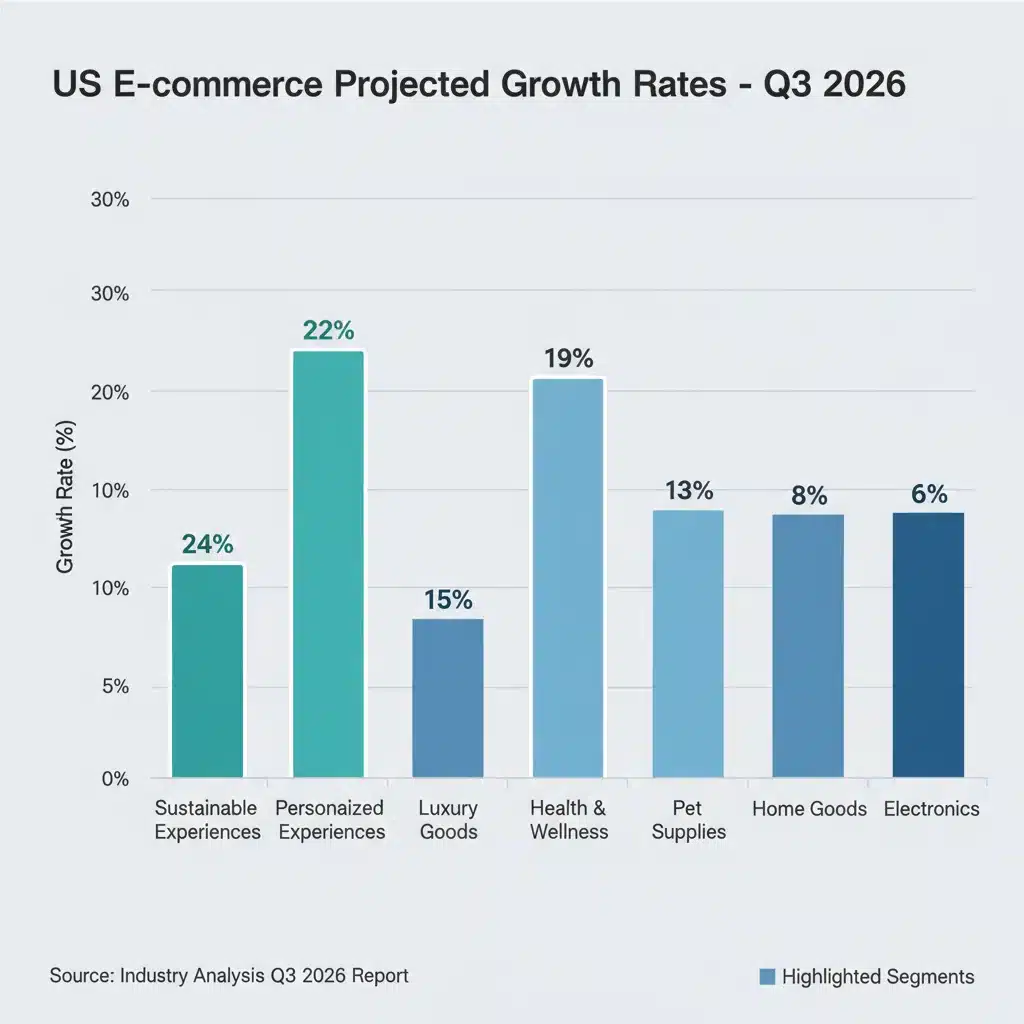
Forecasting precise sales figures for US E-commerce Q3 2026 requires a blend of trend analysis, economic modeling, and an understanding of technological adoption rates. While specific numbers will depend on various unpredictable factors, we can project a continued robust growth trajectory, albeit potentially at a more mature pace compared to the pandemic-fueled surges.
Overall, US e-commerce sales are expected to maintain a healthy double-digit growth rate, driven by the factors outlined above. The shift from brick-and-mortar to online will continue, albeit more incrementally, as consumers solidify their hybrid shopping habits. Key growth drivers will include:
- Mobile Commerce Dominance: Mobile devices will remain the primary channel for online shopping, necessitating a mobile-first design and optimization strategy.
- Cross-Border E-commerce: US consumers will increasingly engage with international sellers, driven by unique product offerings and competitive pricing, expanding the overall market size.
- Niche Market Expansion: Highly specialized e-commerce platforms catering to specific interests and demographics will thrive, offering curated selections and community experiences.
- B2B E-commerce Growth: The digital transformation in the business-to-business sector will continue, with more enterprises shifting their procurement and sales processes online.
The total addressable market for US E-commerce Q3 2026 will be substantial, with projections often placing it well into the trillion-dollar range annually. Businesses that can effectively tap into these growth areas will be best positioned for success.
Strategic Imperatives for E-commerce Businesses in Q3 2026
To thrive in the evolving US E-commerce Q3 2026 landscape, businesses must adopt proactive and adaptive strategies. Here are some critical imperatives:
1. Invest in Data Analytics and AI Capabilities
Data is the new oil, and AI is the refinery. Businesses must invest heavily in robust data analytics platforms and AI tools to understand consumer behavior, personalize experiences, optimize operations, and predict future trends. This includes:
- Customer Data Platforms (CDPs): To unify customer data from various touchpoints for a holistic view.
- AI-Powered Recommendation Engines: To deliver highly relevant product suggestions.
- Predictive Inventory Management: To optimize stock levels and reduce waste.
- Automated Marketing Tools: To personalize campaigns at scale.
The ability to extract actionable insights from data will be a significant differentiator.
2. Prioritize a Seamless Omnichannel Experience
The distinction between online and offline shopping continues to blur. Consumers expect a consistent and seamless experience across all touchpoints, whether they are browsing on a mobile app, visiting a physical store, or interacting with a brand on social media. This requires:
- Unified Inventory: Real-time inventory visibility across all channels.
- Click-and-Collect/BOPIS (Buy Online, Pick Up In Store): Convenient options for customers to pick up online orders.
- In-Store Returns for Online Purchases: Simplifying the return process.
- Personalized In-Store Experiences: Leveraging online data to enhance the physical shopping experience.
An integrated omnichannel strategy is no longer a luxury but a necessity for US E-commerce Q3 2026.
3. Embrace Sustainability and Ethical Practices
As conscious consumption grows, businesses must embed sustainability into their core values and operations. This is not just about marketing; it’s about genuine commitment. Steps include:
- Sustainable Sourcing: Partnering with ethical suppliers and using eco-friendly materials.
- Reduced Carbon Footprint: Optimizing logistics, using renewable energy, and offsetting emissions.
- Transparent Communication: Clearly communicating sustainability efforts to consumers.
- Circular Economy Initiatives: Exploring repair, resale, and recycling programs.
Brands that demonstrate authentic commitment will build stronger trust and loyalty, crucial for sustained growth in US E-commerce Q3 2026.
4. Innovate with Immersive Technologies and Social Commerce
To capture and retain consumer attention, businesses must experiment with and adopt emerging technologies like AR, VR, and live shopping. This involves:
- Developing AR/VR Experiences: Creating virtual try-on tools, interactive product demonstrations, and immersive virtual showrooms.
- Leveraging Live Shopping Platforms: Collaborating with influencers and hosting engaging live commerce events.
- Integrating with Social Media Shopping Features: Making it easy for consumers to discover and purchase products directly within social apps.
These experiential elements will transform online shopping from a transactional activity into an engaging and entertaining one, significantly impacting US E-commerce Q3 2026 engagement.
5. Focus on Customer Experience and Retention
In a competitive market, customer retention is often more cost-effective than acquisition. Exceptional customer experience will be a key differentiator. This includes:
- Streamlined Checkout Processes: Minimizing friction and offering diverse payment options.
- Fast and Reliable Shipping: Meeting and exceeding delivery expectations.
- Proactive Customer Support: Utilizing AI and human agents to provide timely and effective assistance.
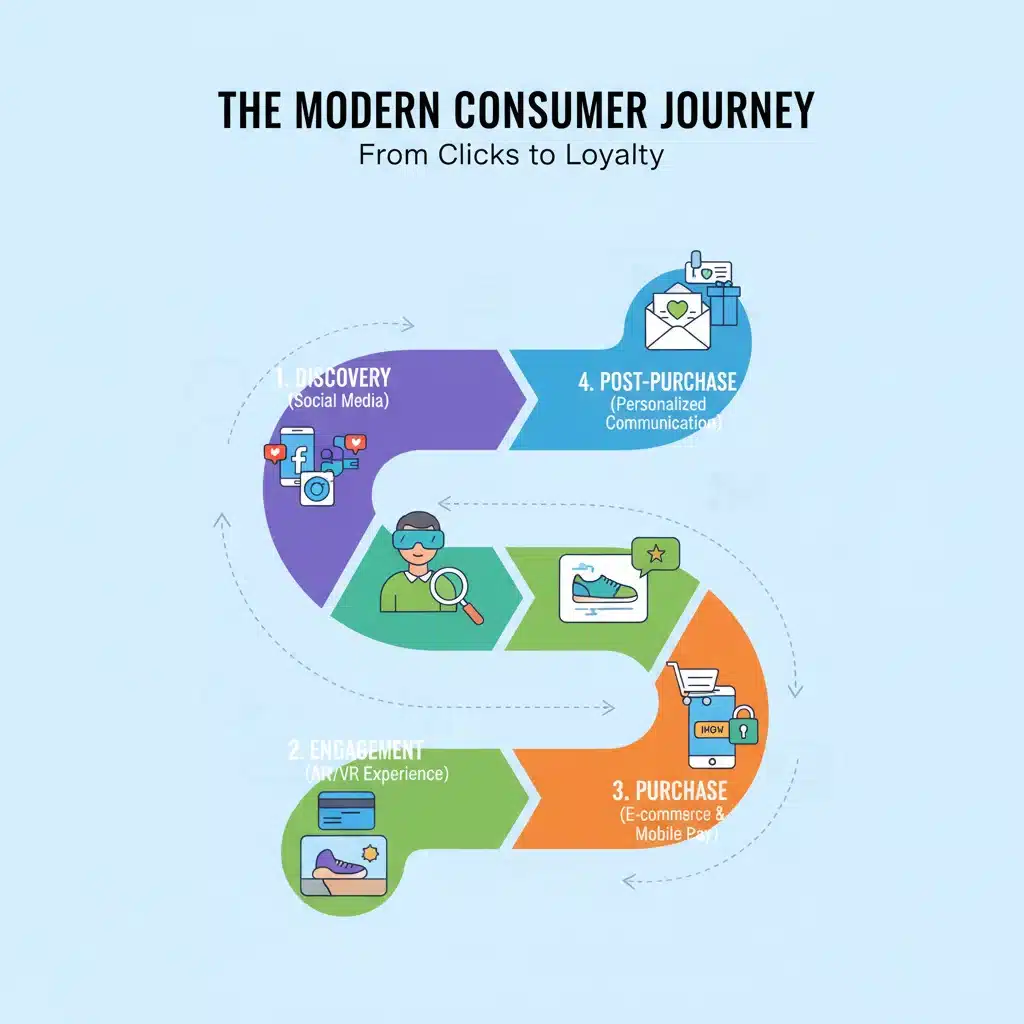
- Post-Purchase Engagement: Nurturing relationships through personalized communication, loyalty programs, and exclusive offers.
A positive end-to-end customer journey fosters loyalty and encourages repeat business, a cornerstone for US E-commerce Q3 2026 success.
Challenges and Opportunities for US E-commerce in Q3 2026
While the outlook for US E-commerce Q3 2026 is largely positive, businesses will face several challenges that also present opportunities for innovation and differentiation.
Challenges:
- Data Privacy Regulations: An increasingly stringent regulatory environment will require businesses to be transparent about data collection and usage, potentially impacting personalization efforts if not handled carefully.
- Logistics and Supply Chain Resilience: Geopolitical events and climate change can still pose threats to global supply chains, necessitating agile and diversified logistics strategies.
- Cybersecurity Threats: The growing volume of online transactions makes e-commerce a prime target for cyberattacks, demanding continuous investment in robust security measures.
- Talent Shortage: The demand for skilled professionals in AI, data science, and digital marketing will likely outpace supply, creating talent acquisition challenges.
- Economic Volatility: Inflationary pressures and potential economic slowdowns could impact discretionary spending, requiring businesses to offer compelling value propositions.
Opportunities:
- Generative AI for Content Creation: Businesses can leverage generative AI to create personalized product descriptions, marketing copy, and even visual content at scale, improving efficiency and relevance.
- Web3 and Blockchain Integration: Exploring blockchain for enhanced supply chain transparency, secure payments, and new loyalty program models (e.g., NFTs).
- Metaverse Commerce: While still in its early stages, the metaverse offers long-term potential for immersive brand experiences and virtual product sales.
- Hyper-Local E-commerce: Capitalizing on the desire for quick delivery and supporting local businesses by offering same-day or next-day delivery options from local stores.
- Accessibility and Inclusivity: Designing e-commerce platforms and experiences that are accessible to all users, including those with disabilities, not only expands the customer base but also demonstrates social responsibility.
Navigating these challenges while seizing opportunities will define the winners in the US E-commerce Q3 2026 landscape.
Conclusion: Preparing for a Dynamic Q3 2026
The US e-commerce market in Q3 2026 will be characterized by a highly informed, values-driven, and technologically savvy consumer base. The shifts in behavior – from conscious consumption and hyper-personalization to the blurring lines of social and experiential shopping – demand a strategic re-evaluation from businesses across all sectors. Success will hinge on agility, innovation, and a deep understanding of the evolving customer journey.
Businesses that invest in advanced analytics, prioritize seamless omnichannel experiences, genuinely embrace sustainability, and leverage immersive technologies will be well-positioned to not only meet but exceed their US E-commerce Q3 2026 sales projections. The future of e-commerce is not just about transactions; it’s about building meaningful relationships with consumers in an increasingly digital and interconnected world. By anticipating these changes and adapting proactively, businesses can transform potential challenges into significant growth opportunities, ensuring their relevance and prosperity in the dynamic digital marketplace.