DTC Data Privacy 2026: Compliance & Trust Plan

The direct-to-consumer (DTC) model has revolutionized how brands connect with their customers. By bypassing traditional intermediaries, DTC brands gain invaluable direct access to consumer data, enabling personalized experiences, targeted marketing, and streamlined operations. However, this wealth of data comes with significant responsibilities, particularly concerning privacy. As we look towards 2026, the regulatory landscape around DTC data privacy is becoming increasingly complex and stringent. Brands that fail to adapt risk not only hefty fines but also a critical loss of consumer trust, which is the bedrock of any successful DTC venture.
The imperative for robust DTC data privacy strategies is no longer just about compliance; it’s about building and maintaining a sustainable competitive advantage. Consumers are more aware than ever of their data rights, and their expectations for transparency and control are at an all-time high. A proactive approach to data privacy can transform a potential liability into a powerful differentiator, fostering deeper customer loyalty and brand advocacy.
This comprehensive guide will delve into the evolving world of DTC data privacy in 2026, exploring the new regulatory challenges and outlining a practical 5-step compliance plan designed to help your brand not only meet legal obligations but also cultivate unwavering consumer trust. By understanding and implementing these strategies, DTC businesses can navigate the future with confidence, ensuring their data practices are both ethical and effective.
The Evolving Landscape of DTC Data Privacy in 2026
The regulatory environment surrounding DTC data privacy is a dynamic one, characterized by a global trend towards greater consumer protection. What began with GDPR in Europe has since inspired a wave of similar legislation across various jurisdictions, including the CCPA and CPRA in California, and emerging frameworks in other states and countries. By 2026, we can anticipate a more harmonized yet still complex web of regulations that will impact how DTC brands collect, process, store, and share customer data.
Key trends shaping DTC data privacy in the coming years include:
- Increased Scope and Enforcement: Existing laws are likely to expand in scope, covering more types of data and a broader range of businesses. Enforcement actions are also expected to become more frequent and carry higher penalties, making non-compliance a significant financial risk.
- Focus on Consent and Transparency: The emphasis on explicit, informed consent for data collection and processing will intensify. Consumers will demand clearer, more accessible privacy policies and easier mechanisms to manage their data preferences.
- Data Minimization and Purpose Limitation: Regulators will push for brands to collect only the data necessary for a specific purpose and to retain it only for as long as required. This challenges the traditional ‘collect everything’ mentality.
- Cross-Border Data Transfer Scrutiny: The rules governing international data transfers will continue to evolve, requiring DTC brands with global operations to implement robust mechanisms to ensure data protection across different legal jurisdictions.
- Emergence of New Technologies: The rise of AI, machine learning, and advanced analytics, while offering immense opportunities for personalization, also presents new DTC data privacy challenges, particularly concerning algorithmic bias and automated decision-making.
- Consumer Empowerment Tools: Expect more sophisticated tools for consumers to exercise their data rights, such as data portability requests, deletion requests, and granular consent management platforms.
For DTC brands, staying abreast of these changes is paramount. A ‘wait and see’ approach is no longer viable. Instead, a proactive and strategic investment in DTC data privacy infrastructure and practices is essential to mitigate risks and build a resilient business model.
The Indispensable Role of Trust in the DTC Ecosystem
In the direct-to-consumer world, trust isn’t just a nice-to-have; it’s a fundamental currency. Without it, even the most innovative products or compelling marketing campaigns will struggle to resonate. When it comes to DTC data privacy, trust becomes even more critical. Consumers are entrusting brands with their personal information, often including sensitive details, in exchange for convenience, personalization, and value.
A breach of this trust, whether through a data leak, opaque data practices, or a perceived misuse of information, can have devastating consequences:
- Reputational Damage: News of data breaches or privacy violations spreads rapidly, severely tarnishing a brand’s image and making it difficult to attract new customers.
- Customer Churn: Existing customers, feeling betrayed, are likely to take their business elsewhere, leading to a direct loss of revenue.
- Legal and Financial Penalties: Beyond regulatory fines, brands can face class-action lawsuits and significant legal costs.
- Stifled Innovation: A lack of trust can make consumers hesitant to share the data necessary for personalized experiences or product development, hindering a brand’s ability to innovate.
Conversely, brands that prioritize and visibly demonstrate their commitment to DTC data privacy can unlock significant advantages. They build a reputation for integrity, fostering a loyal customer base willing to share more data because they trust it will be handled responsibly. This enhanced trust can lead to higher conversion rates, increased customer lifetime value, and a stronger competitive position in the crowded DTC market.
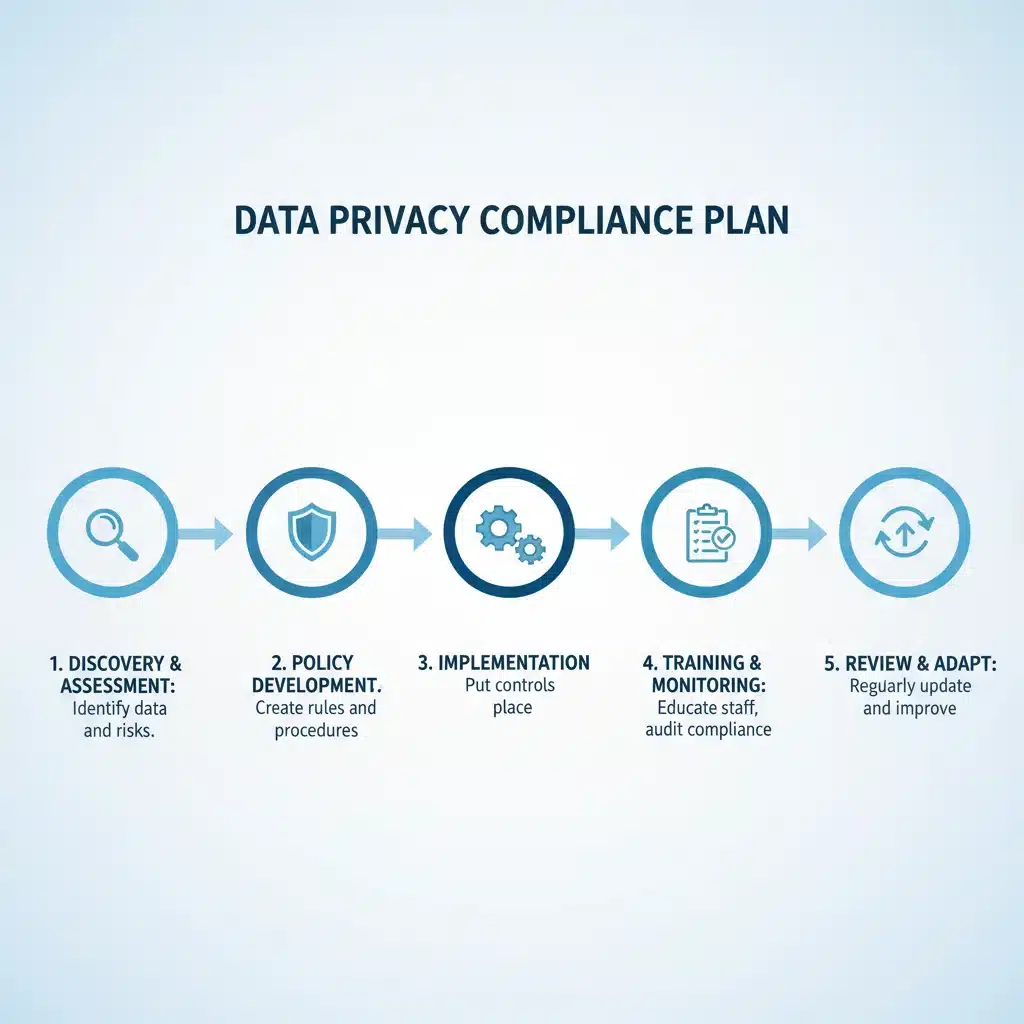
The following 5-step compliance plan is designed not only to help DTC brands meet their legal obligations but, more importantly, to embed trust at the core of their DTC data privacy strategy.
5-Step Compliance Plan for DTC Data Privacy in 2026
Step 1: Conduct a Comprehensive Data Audit and Mapping
The first and most crucial step in any robust DTC data privacy strategy is to understand exactly what data you have, where it comes from, where it goes, and how it’s used. This involves a thorough data audit and mapping exercise.
What to do:
- Identify all data sources: Catalog every touchpoint where customer data is collected – website forms, CRM systems, marketing automation platforms, social media, third-party integrations, customer service interactions, etc.
- Map data flows: Document how data moves through your organization. Who has access to it? Where is it stored? Is it transferred to third-party vendors (e.g., payment processors, shipping partners, advertising platforms)?
- Categorize data types: Distinguish between personally identifiable information (PII), sensitive personal data (e.g., health information, financial details), and anonymized/pseudonymized data.
- Determine legal basis for processing: For each type of data and processing activity, identify the legal ground for its collection and use (e.g., consent, contractual necessity, legitimate interest, legal obligation). This is a cornerstone of GDPR and similar regulations.
- Assess data retention policies: Document how long different types of data are kept and ensure these policies align with legal requirements and business needs. Implement automated deletion processes where appropriate.
Why it’s important for DTC data privacy: Without a clear understanding of your data landscape, it’s impossible to implement effective privacy controls or respond accurately to data subject requests. This audit forms the foundation for all subsequent compliance efforts and helps identify potential privacy risks.
Step 2: Implement Robust Consent Management Systems
As regulations tighten, explicit and granular consent will become even more critical for DTC data privacy. Generic ‘I agree’ checkboxes are no longer sufficient.
What to do:
- Deploy a Consent Management Platform (CMP): Invest in a robust CMP that allows customers to easily give, withdraw, and manage their consent for various data processing activities (e.g., marketing emails, analytics cookies, personalized advertising).
- Provide clear and specific consent requests: When asking for consent, clearly explain what data is being collected, why, and how it will be used. Avoid jargon and present options in an easy-to-understand format.
- Ensure opt-in by default: Pre-checked boxes for non-essential data processing are generally not compliant. Consent must be freely given, specific, informed, and unambiguous.
- Record and manage consent: Maintain a detailed record of all consent decisions, including when and how consent was given or withdrawn. This audit trail is crucial for demonstrating compliance.
- Regularly review consent mechanisms: As your data practices evolve or new regulations emerge, review and update your consent mechanisms to ensure they remain compliant and user-friendly.
Why it’s important for DTC data privacy: A transparent and user-friendly consent process builds trust and empowers customers, significantly reducing the risk of privacy complaints and regulatory penalties. It demonstrates respect for individual autonomy over personal data.
Step 3: Enhance Data Security Measures and Incident Response
Even with the best consent practices, data breaches can occur. Protecting the data you hold is paramount to maintaining DTC data privacy and trust.
What to do:
- Implement strong technical safeguards: This includes encryption for data at rest and in transit, multi-factor authentication (MFA), regular vulnerability scanning and penetration testing, and robust access controls (least privilege principle).
- Conduct regular security training: Human error is a leading cause of data breaches. Educate all employees, especially those handling customer data, on best security practices and privacy awareness.
- Develop a comprehensive incident response plan: Have a clear, tested plan in place for how to respond to a data breach. This should include steps for detection, containment, assessment, notification (to affected individuals and regulators), and post-incident analysis.
- Vet third-party vendors: Any third-party service provider that processes customer data on your behalf must also adhere to stringent security and privacy standards. Conduct due diligence and include data processing agreements (DPAs) in contracts.
- Implement data anonymization/pseudonymization: Where possible, anonymize or pseudonymize data to reduce the risk associated with its exposure.
Why it’s important for DTC data privacy: Robust security measures protect your customers’ data from unauthorized access, loss, or disclosure. A well-prepared incident response plan minimizes the damage and helps restore trust in the event of a breach, demonstrating responsibility and transparency.
Step 4: Establish Clear Data Subject Rights Processes
Modern data privacy regulations grant individuals various rights over their personal data, often referred to as Data Subject Rights (DSRs). DTC brands must have efficient processes in place to handle these requests.
What to do:
- Develop clear DSR request channels: Make it easy for customers to submit requests to access, rectify, erase, restrict processing of, or port their data. This could be via a dedicated web form, email address, or customer service portal.
- Implement robust verification procedures: Before fulfilling a DSR, verify the identity of the requester to prevent unauthorized access to personal data.
- Define internal workflows for DSRs: Establish clear internal procedures for receiving, tracking, and fulfilling DSRs within the legally mandated timelines (e.g., 30 days under GDPR). Assign responsibility to specific teams or individuals.
- Ensure data portability: Be prepared to provide customers with their data in a structured, commonly used, and machine-readable format if requested.
- Facilitate the right to be forgotten (erasure): Have mechanisms in place to permanently delete customer data when requested, subject to legal exceptions.
Why it’s important for DTC data privacy: Respecting and efficiently handling DSRs is a direct legal obligation and a powerful way to demonstrate a commitment to consumer empowerment. It reinforces trust and reduces the likelihood of complaints to supervisory authorities.
Step 5: Appoint a Data Protection Officer (DPO) or Privacy Lead and Foster a Culture of Privacy
Compliance with DTC data privacy regulations is an ongoing effort that requires dedicated oversight and a company-wide commitment.
What to do:
- Appoint a DPO or Privacy Lead: Depending on your organization’s size and the sensitivity of the data processed, consider appointing a dedicated Data Protection Officer (DPO) or a privacy lead. This individual will be responsible for overseeing privacy strategy, ensuring compliance, and acting as a point of contact for regulators and data subjects.
- Integrate Privacy by Design and Default: Embed privacy considerations into the design of all new products, services, and processes from the outset. By default, systems should be configured to offer the highest level of privacy protection.
- Conduct regular Privacy Impact Assessments (PIAs)/Data Protection Impact Assessments (DPIAs): For new projects or significant changes to data processing activities, conduct PIAs/DPIAs to identify and mitigate privacy risks before they materialize.
- Foster a company-wide culture of privacy: Ensure that privacy is not just seen as a legal burden but as a core value. Regular training, clear internal policies, and leadership buy-in are essential to embed this culture throughout the organization.
- Stay updated on regulatory changes: The privacy landscape is constantly evolving. Dedicate resources to continuously monitor new legislation, guidelines, and best practices to ensure ongoing compliance.
Why it’s important for DTC data privacy: A dedicated privacy champion and a strong privacy culture ensure that DTC data privacy is consistently prioritized and managed. This proactive approach helps brands adapt to future challenges and build a reputation as a trustworthy steward of customer data.
Beyond Compliance: Building a Privacy-First Brand
While the 5-step compliance plan focuses on meeting regulatory requirements, the ultimate goal for DTC brands in 2026 should be to transcend mere compliance and build a truly privacy-first brand. This means viewing DTC data privacy not as an obligation but as an opportunity to differentiate and connect more deeply with customers.
Here’s how to go beyond:
- Proactive Transparency: Don’t just provide privacy policies; actively communicate your data practices in clear, concise language. Use explainer videos, FAQs, and interactive tools to educate customers.
- Empowering Customer Control: Offer intuitive dashboards where customers can easily view, manage, and even download their data. Make it a seamless experience, not a chore.
- Ethical Data Use: Even if data use is legally permissible, question whether it aligns with your brand’s values and customer expectations. Avoid practices that might be perceived as intrusive or exploitative.
- Privacy as a Value Proposition: Position your commitment to privacy as a key benefit of choosing your brand. Highlight how your practices protect customers and build trust.
- Innovation with Privacy in Mind: When developing new products or personalization features, ensure privacy is a core design principle from the very beginning. Can you achieve personalization with less data? Can you use privacy-enhancing technologies?
For instance, consider a DTC apparel brand that uses customer purchase history to recommend new products. A privacy-first approach would not only ensure explicit consent for this personalization but also allow the customer to easily opt out of recommendations, clear their history, or even see why a particular item was recommended to them. This level of transparency and control transforms a potentially intrusive experience into a value-added service that reinforces trust.
Another example could be a DTC subscription box service. Instead of just collecting demographic data, they could offer customers the option to provide more detailed preferences directly, with clear explanations of how this data will enhance their experience and the ability to update or delete this information at any time. This shifts the dynamic from data extraction to data contribution, where customers feel they are actively shaping their experience, not just being tracked.
By embracing these principles, DTC brands can transform DTC data privacy from a challenging regulatory hurdle into a powerful engine for customer loyalty and brand growth. In an increasingly privacy-conscious world, the brands that champion consumer data rights will be the ones that thrive.
The Future of DTC Data Privacy: Challenges and Opportunities
Looking ahead, the landscape of DTC data privacy will continue to evolve. Emerging technologies like Web3, decentralized identity, and advanced AI will introduce new complexities and opportunities. Brands that are agile and adaptable will be best positioned to navigate these changes.
Potential Challenges:
- Fragmented Global Regulations: Despite some harmonization efforts, the sheer number of distinct privacy laws globally will remain a challenge for DTC brands with international aspirations.
- Balancing Personalization with Privacy: The ongoing tension between delivering highly personalized experiences and respecting individual privacy will require continuous innovation and ethical considerations.
- Data Ethics in AI: As AI becomes more prevalent in DTC operations, ensuring ethical data use, preventing algorithmic bias, and maintaining transparency in automated decision-making will be critical.
- Supply Chain Privacy Risks: Managing privacy risks across an extended supply chain, involving multiple vendors and partners, will become increasingly complex.
Opportunities for Privacy-Focused DTC Brands:
- Enhanced Brand Reputation: A strong commitment to privacy can be a significant differentiator, attracting privacy-conscious consumers.
- Deeper Customer Relationships: Trust in data handling fosters loyalty and encourages customers to engage more authentically with the brand.
- Innovation in Privacy-Preserving Technologies: Investing in and adopting technologies that allow for data utility with enhanced privacy (e.g., federated learning, differential privacy) can lead to competitive advantages.
- Reduced Legal and Financial Risk: Proactive compliance minimizes the likelihood of costly fines and legal battles.
The journey towards optimal DTC data privacy is continuous. It requires ongoing vigilance, investment, and a genuine commitment to putting the customer first. Brands that embrace this philosophy will not only meet the regulatory demands of 2026 but will also build a resilient, trusted, and future-proof business.
Conclusion: Securing the Future of Your DTC Brand with Data Privacy
The year 2026 marks a pivotal moment for direct-to-consumer brands regarding DTC data privacy. The convergence of increasingly stringent regulations, heightened consumer awareness, and the imperative for trust means that privacy can no longer be an afterthought or a mere checkbox exercise. Instead, it must be woven into the very fabric of a DTC brand’s operations, strategy, and culture.
By diligently implementing the 5-step compliance plan outlined above – conducting comprehensive data audits, establishing robust consent management, enhancing security measures, streamlining data subject rights processes, and fostering a pervasive culture of privacy – DTC brands can proactively address the challenges of the evolving regulatory landscape. This structured approach not only ensures legal adherence but, more importantly, lays the groundwork for building and sustaining deep, meaningful relationships with customers based on transparency and mutual respect.
Ultimately, the brands that win in the competitive DTC space of 2026 and beyond will be those that recognize that DTC data privacy is not a burden but an unparalleled opportunity. It is an opportunity to differentiate, to innovate responsibly, and to cultivate the kind of unwavering consumer trust that fuels long-term growth and brand loyalty. Embrace this challenge, and your DTC brand will be well-positioned for enduring success in a data-driven world.