Boost E-commerce Engagement: Interactive Experiences for 30% Higher Rates by 2026
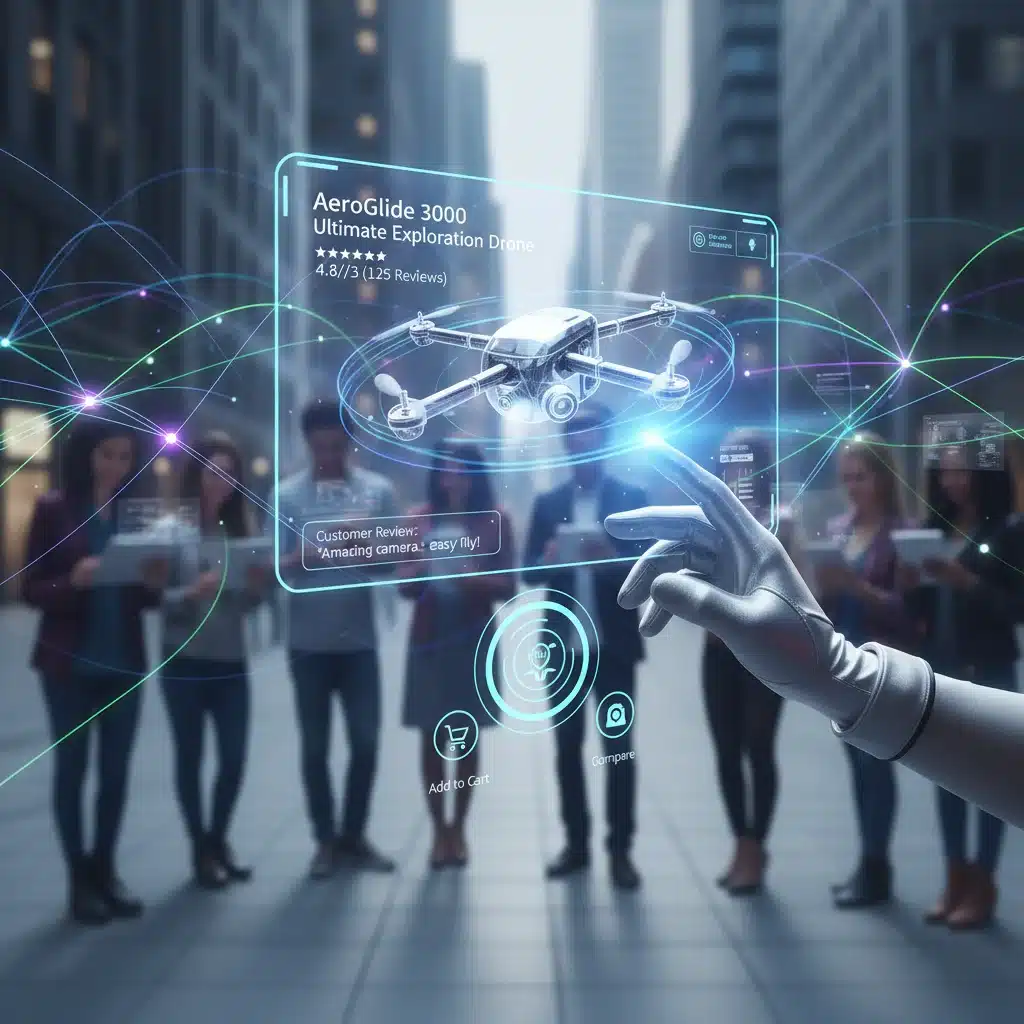
Boosting E-commerce Engagement: The Power of Interactive Experiences for a 30% Higher Rate by 2026
In the rapidly evolving landscape of online retail, simply having a product catalog and a checkout button is no longer sufficient. Consumers crave more than just transactions; they yearn for immersive, personalized, and memorable interactions. This is where interactive e-commerce experiences come into play, revolutionizing how customers engage with brands and products online. The shift towards dynamic, engaging digital storefronts is not merely a trend but a strategic imperative. Industry foresight suggests that by 2026, businesses that successfully integrate advanced interactive elements could see their customer engagement rates soar by an impressive 30%.
The digital marketplace is saturated, and standing out demands innovation. Traditional e-commerce models, while functional, often lack the emotional connection and sensory stimulation that physical retail provides. Interactive experiences bridge this gap, offering a rich, multi-dimensional journey that captivates and converts. From augmented reality (AR) try-ons to virtual reality (VR) store tours, from personalized product configurators to gamified shopping adventures, the possibilities are vast and transformative. This comprehensive guide will delve into the critical aspects of implementing these experiences, exploring their benefits, challenges, and the future outlook for online retail.
Understanding the Core of Interactive E-commerce Experiences
At its heart, an interactive e-commerce experience is about moving beyond static product pages to create a dynamic, two-way interaction between the customer and the brand. It’s about empowering shoppers to explore, customize, and visualize products in ways that mimic or even surpass the in-store experience. This proactive engagement fosters a deeper connection, builds trust, and ultimately drives higher conversion rates and customer loyalty.
Why the Push for Interactivity Now?
Several factors are accelerating the adoption of interactive e-commerce:
- Evolving Consumer Expectations: Modern consumers, especially digital natives, expect seamless, engaging, and personalized online interactions. They are accustomed to rich media and interactive content from social platforms and gaming.
- Technological Advancements: The proliferation of smartphones, improvements in mobile internet speeds, and the maturity of technologies like AR, VR, AI, and machine learning have made advanced interactive features more accessible and affordable to implement.
- Competitive Differentiation: As the e-commerce market becomes increasingly crowded, interactive experiences offer a powerful way for brands to differentiate themselves, capture attention, and create unique selling propositions.
- Data-Driven Insights: Interactive elements generate valuable data on customer preferences and behaviors, enabling brands to refine their offerings and personalize future interactions even further.
- Addressing E-commerce Limitations: Interactivity helps overcome some inherent limitations of online shopping, such as the inability to physically touch or try on products, by providing compelling virtual alternatives.
The Game-Changing Technologies Driving Interactive E-commerce Experiences
The predicted 30% surge in engagement rates by 2026 is largely fueled by the innovative application of several key technologies. These tools are transforming passive browsing into active participation, making the shopping journey more enjoyable and informative.
Augmented Reality (AR) and Virtual Reality (VR)
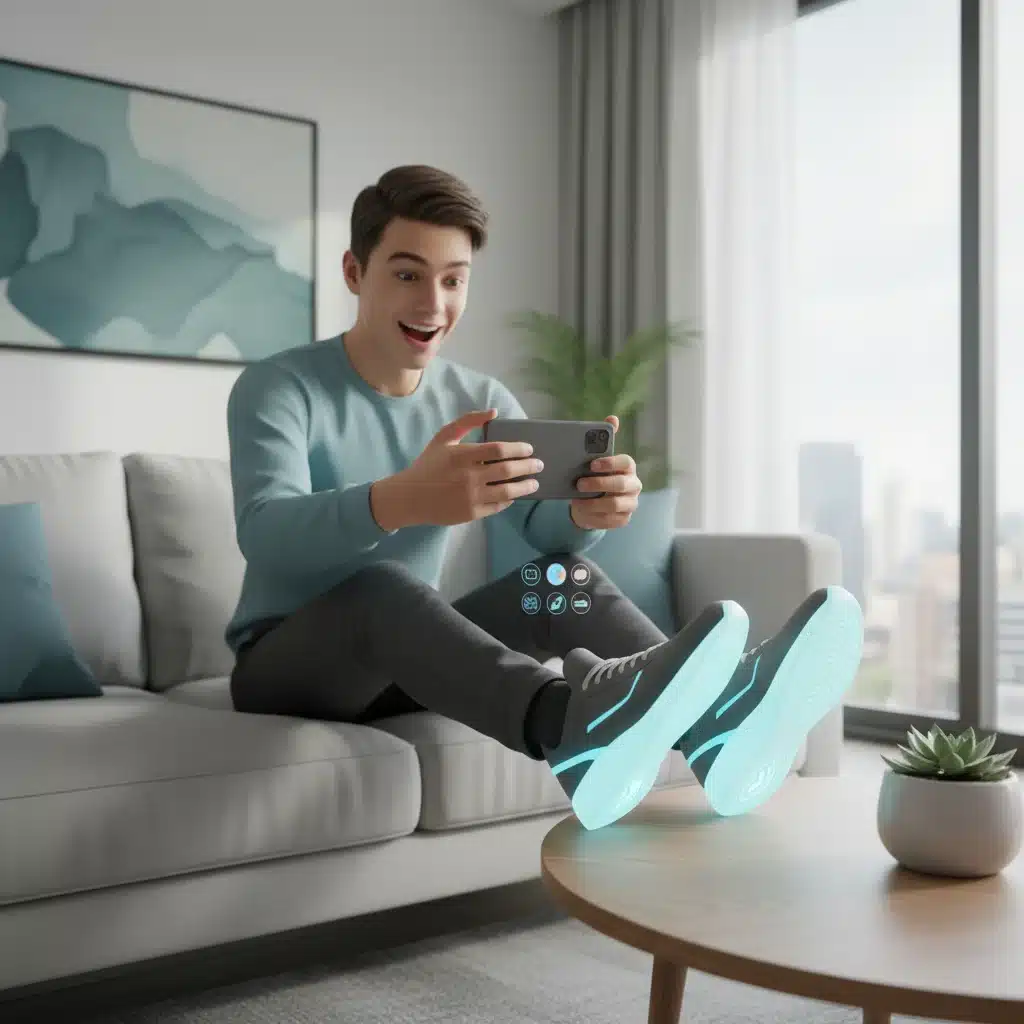
AR and VR are arguably the most impactful technologies for creating truly immersive interactive e-commerce experiences. They allow customers to visualize products in their own environment or immerse themselves in a virtual store.
- Augmented Reality (AR): AR overlays digital information onto the real world. For e-commerce, this means customers can use their smartphone cameras to see how a piece of furniture would look in their living room, how a new paint color would appear on their wall, or how clothes would fit their body. Brands like IKEA with their Place app and Sephora with their Virtual Artist have demonstrated the immense power of AR in reducing purchase hesitation and returns.
- Virtual Reality (VR): VR creates entirely simulated environments. While more niche, VR can offer immersive virtual showrooms where customers can walk through a digital store, examine products from all angles, and even interact with virtual sales assistants. This is particularly appealing for high-value items or complex products where a detailed, multi-sensory exploration is beneficial. Imagine test-driving a car in VR or exploring a new home before it’s built.
Personalization and AI-Driven Recommendations
True interactivity goes beyond visual immersion; it also involves understanding and responding to individual customer needs. Artificial Intelligence (AI) and machine learning are pivotal in delivering hyper-personalized interactive e-commerce experiences.
- Dynamic Product Recommendations: AI algorithms analyze browsing history, purchase patterns, and even real-time behavior to suggest products that are highly relevant to each customer. This moves beyond ‘customers who bought this also bought…’ to more sophisticated, predictive recommendations.
- Personalized Content and Offers: AI can dynamically adjust website content, promotions, and even the layout of a digital storefront based on individual preferences. This creates a unique shopping environment for every visitor, making them feel understood and valued.
- Chatbots and Virtual Assistants: AI-powered chatbots provide instant, 24/7 customer support, answer product-related questions, guide customers through the buying process, and even offer personalized recommendations. The conversational nature of these interactions significantly enhances engagement.
Interactive Product Configurators and Customization Tools
Giving customers the power to design or customize products directly on your website is a powerful form of interactivity. This is especially relevant for industries like fashion, automotive, and home furnishings.
- 3D Product Configurators: These tools allow customers to see a product from all angles, change colors, materials, and add features in real-time. This not only builds excitement but also reduces uncertainty about the final product.
- Customization Platforms: From designing a bespoke pair of shoes to configuring a custom-built computer, these platforms empower customers to be co-creators, leading to a stronger sense of ownership and satisfaction.
Gamification: Making Shopping Fun and Engaging
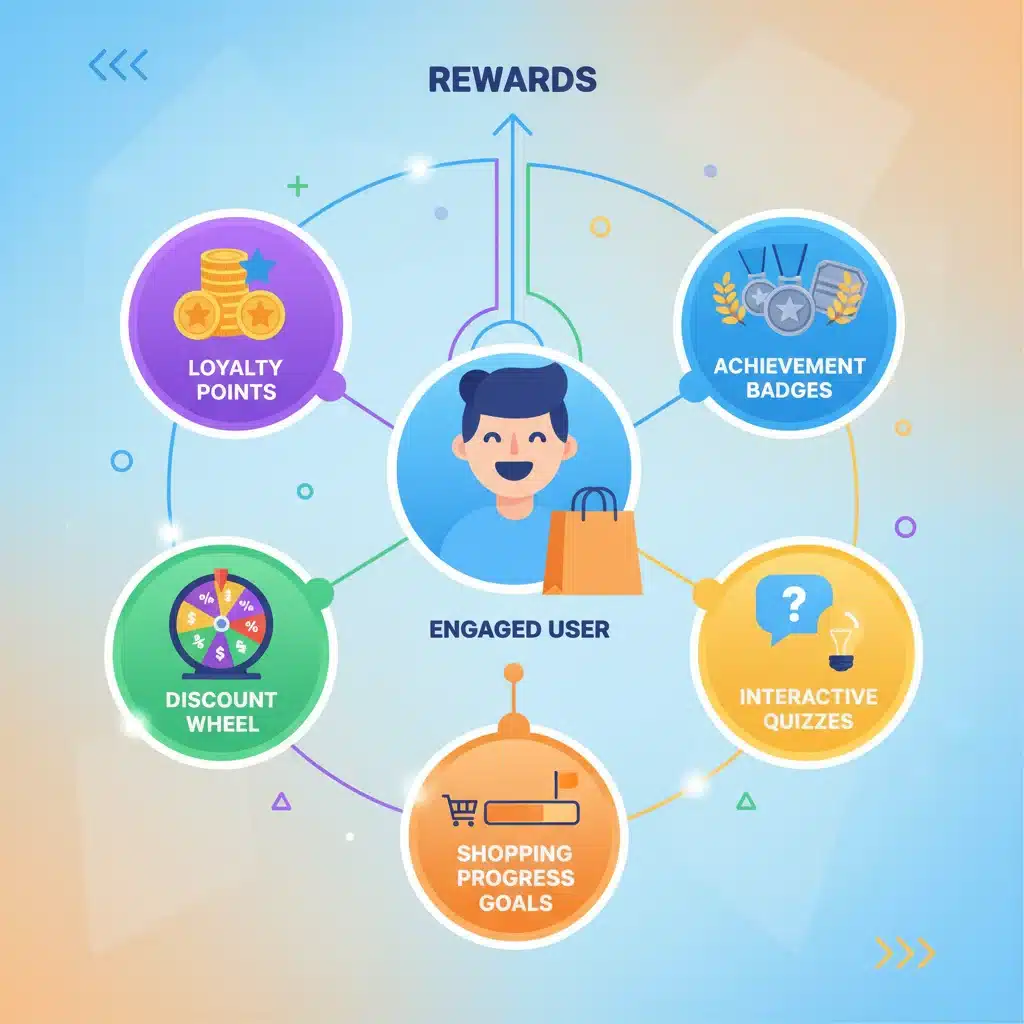
Gamification applies game-design elements and game principles in non-game contexts. In e-commerce, it transforms the shopping journey into an enjoyable and rewarding experience, significantly boosting interactive e-commerce experiences.
- Loyalty Programs with Tiers and Badges: Reward systems that offer points, unlock new levels, or grant special badges for purchases or engagement encourage repeat visits and deeper interaction.
- Interactive Quizzes and Polls: These can be used to recommend products based on preferences, educate customers about product features, or simply entertain them while gathering valuable insights.
- Spin-the-Wheel Discounts and Scratch Cards: Offering instant wins or personalized discounts through interactive games creates excitement and a sense of urgency, driving conversions.
- Progress Bars and Challenges: Guiding customers through a purchase process with a progress bar or setting challenges (e.g., ‘Spend $X more to get free shipping’) can motivate completion.
Live Commerce and Shoppable Content
Bringing the spontaneity and personal touch of live interaction to online shopping is another crucial aspect of modern interactive e-commerce experiences.
- Live Shopping Events: Influencers or brand representatives host live video streams showcasing products, answering questions in real-time, and offering exclusive deals. This highly interactive format has proven incredibly successful, especially in Asian markets, and is rapidly gaining traction globally.
- Shoppable Videos and Images: Embedding direct purchase links within video content or high-resolution images allows customers to click on a product they like and buy it instantly, without leaving the media. This reduces friction and capitalizes on impulse purchases.
- Virtual Consultations: For complex or high-value products, offering one-on-one video consultations with experts can replicate the personalized service of a physical store, providing tailored advice and building trust.
Measuring the Impact: Key Metrics for Interactive E-commerce Experiences
To truly understand the value of these innovations, it’s essential to track the right metrics. The goal is not just novelty but quantifiable improvements in business outcomes.
- Engagement Rate: This is the primary metric, often measured by time spent on site, pages per session, interaction with specific interactive elements (e.g., AR try-ons used, configurator changes), and bounce rate. A 30% increase in this metric is a significant indicator of success.
- Conversion Rate: Do interactive elements lead to more purchases? Track how users who engage with interactive features convert compared to those who don’t.
- Average Order Value (AOV): Customization and personalized recommendations can often lead to customers adding more items or upgrading to higher-value products.
- Return Rate: AR/VR try-ons and 3D configurators can significantly reduce returns by helping customers make more informed purchase decisions.
- Customer Satisfaction (CSAT) and Net Promoter Score (NPS): Engaged customers are generally more satisfied and more likely to recommend your brand.
- Customer Lifetime Value (CLTV): Increased engagement and satisfaction often translate into greater customer loyalty and repeat purchases over time.
Challenges and Considerations for Implementation
While the benefits are clear, implementing sophisticated interactive e-commerce experiences comes with its own set of challenges that need careful planning and execution.
- Technical Complexity and Cost: Developing and integrating AR/VR, AI, and advanced configurators requires significant technical expertise and investment in technology and infrastructure.
- Content Creation: Generating high-quality 3D models, AR assets, and personalized content can be time-consuming and expensive.
- User Experience (UX) Design: Interactive features must be intuitive and seamlessly integrated into the user journey. Poorly designed interactivity can frustrate users and detract from the experience.
- Performance and Loading Times: Rich interactive content can be heavy, potentially slowing down website loading times, which can negatively impact user experience and SEO. Optimization is crucial.
- Data Privacy and Security: Collecting more user data for personalization requires robust security measures and transparent privacy policies to build and maintain customer trust.
- Scalability: Solutions need to be scalable to handle increasing user numbers and evolving technological demands.
- Integration with Existing Systems: New interactive features must integrate smoothly with existing CRM, inventory management, and e-commerce platforms.
Strategies for Successful Implementation of Interactive E-commerce Experiences
To effectively leverage the power of interactive e-commerce experiences and achieve that 30% engagement boost, consider these strategic approaches:
1. Start Small and Iterate
Don’t try to implement every interactive feature at once. Identify the most impactful features for your specific product and audience. Begin with a pilot project, gather user feedback, and iterate. For example, if you sell apparel, start with an AR try-on for a specific product category before expanding.
2. Focus on User Value
Every interactive feature should serve a clear purpose – whether it’s to help customers make better decisions, save time, or simply make shopping more enjoyable. Avoid adding interactivity for interactivity’s sake; it must enhance the user journey, not complicate it.
3. Optimize for Mobile First
A significant portion of online shopping happens on mobile devices. Ensure all interactive experiences are fully optimized for mobile, offering a seamless and responsive interface across different screen sizes and operating systems.
4. Leverage Data for Personalization
Use the data collected from interactive engagements to continually refine your personalization efforts. The more you understand your customers, the more relevant and engaging your future interactive offerings can be.
5. Integrate with Customer Support
Ensure that interactive tools like chatbots are seamlessly integrated with your human customer support channels. This provides a safety net for complex queries and ensures a consistent brand experience.
6. Promote and Educate Users
Customers might not immediately understand the benefits of new interactive features. Actively promote these features through marketing campaigns, on-site banners, and clear instructions. Educate users on how to get the most out of these tools.
7. Stay Ahead of the Curve
The technological landscape is constantly evolving. Keep an eye on emerging technologies and trends. What seems futuristic today could be standard practice tomorrow. Experiment with new concepts to maintain a competitive edge.
The Future Outlook: Beyond 2026 for Interactive E-commerce Experiences
The journey towards deeply immersive and personalized online shopping is only just beginning. Beyond 2026, we can anticipate even more sophisticated interactive e-commerce experiences:
- Metaverse E-commerce: Fully immersive virtual shopping environments where customers can interact with products, brands, and other shoppers in a persistent digital world. This will blur the lines between gaming, social media, and retail.
- Haptic Feedback: Technologies that allow users to ‘feel’ textures and weights of products through their devices, adding another sensory dimension to online shopping.
- Brain-Computer Interfaces (BCI): While further off, BCIs could eventually allow for hands-free navigation and interaction within e-commerce platforms, driven by thought or gaze.
- Hyper-Personalized AI Companions: More advanced AI assistants that learn individual preferences so intimately that they can anticipate needs and offer proactive, highly relevant shopping suggestions.
- Seamless Omnichannel Integration: The complete blurring of lines between online and offline. Interactive experiences started online will seamlessly transition to in-store and vice-versa, creating a unified customer journey.
Conclusion: Embracing Interactivity for Unprecedented Engagement
The evidence is clear: interactive e-commerce experiences are not just a luxury but a necessity for brands looking to thrive in the digital age. By embracing technologies like AR, VR, AI, personalization, and gamification, businesses can transform passive browsing into an active, engaging, and deeply satisfying journey for their customers. The prediction of a 30% higher engagement rate by 2026 is a testament to the transformative power of these innovations.
For e-commerce businesses, the time to invest in these interactive strategies is now. Those who commit to creating dynamic, personalized, and immersive online environments will not only capture a larger share of the market but will also cultivate a loyal customer base that feels truly connected to their brand. The future of online retail is interactive, and the rewards for embracing this future are immense.