Edge Computing in Retail: Boosting Efficiency & Real-Time Insights
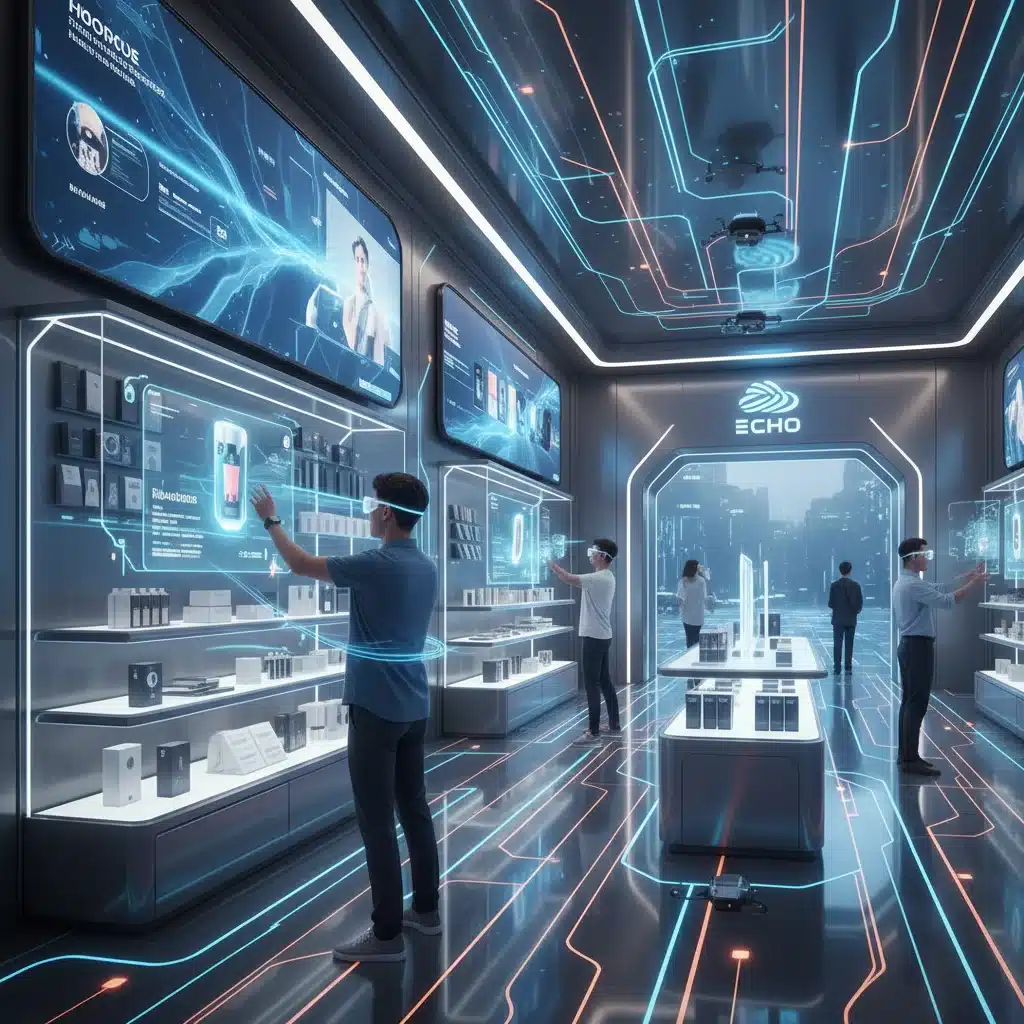
The retail landscape is in a perpetual state of evolution, driven by technological advancements and ever-increasing consumer expectations. In this dynamic environment, the ability to process and analyze data with speed and precision is no longer a luxury but a fundamental necessity. Enter Edge Computing Retail, a transformative paradigm poised to redefine how retailers operate, interact with customers, and make critical business decisions. As we approach 2026, the promise of processing data 50% faster for real-time insights is not just an aspiration but a tangible reality, with edge computing at its core.
For decades, retail data has largely been funneled to centralized cloud servers for processing. While effective for large-scale analytics, this traditional model often introduces latency, making real-time decision-making a challenge. Imagine a scenario where a customer picks up an item, and the store’s system instantly knows their purchasing history, preferences, and even suggests complementary products – all within milliseconds. This level of immediacy is precisely what Edge Computing Retail enables.
This article delves deep into the profound impact of Edge Computing Retail, exploring its mechanisms, myriad benefits, real-world applications, and the strategic advantages it offers to businesses striving for a competitive edge. We will uncover how this technology facilitates faster data processing, enhances the customer experience, streamlines operations, and ultimately paves the way for a more intelligent and responsive retail ecosystem.
Understanding Edge Computing: A Retail Perspective
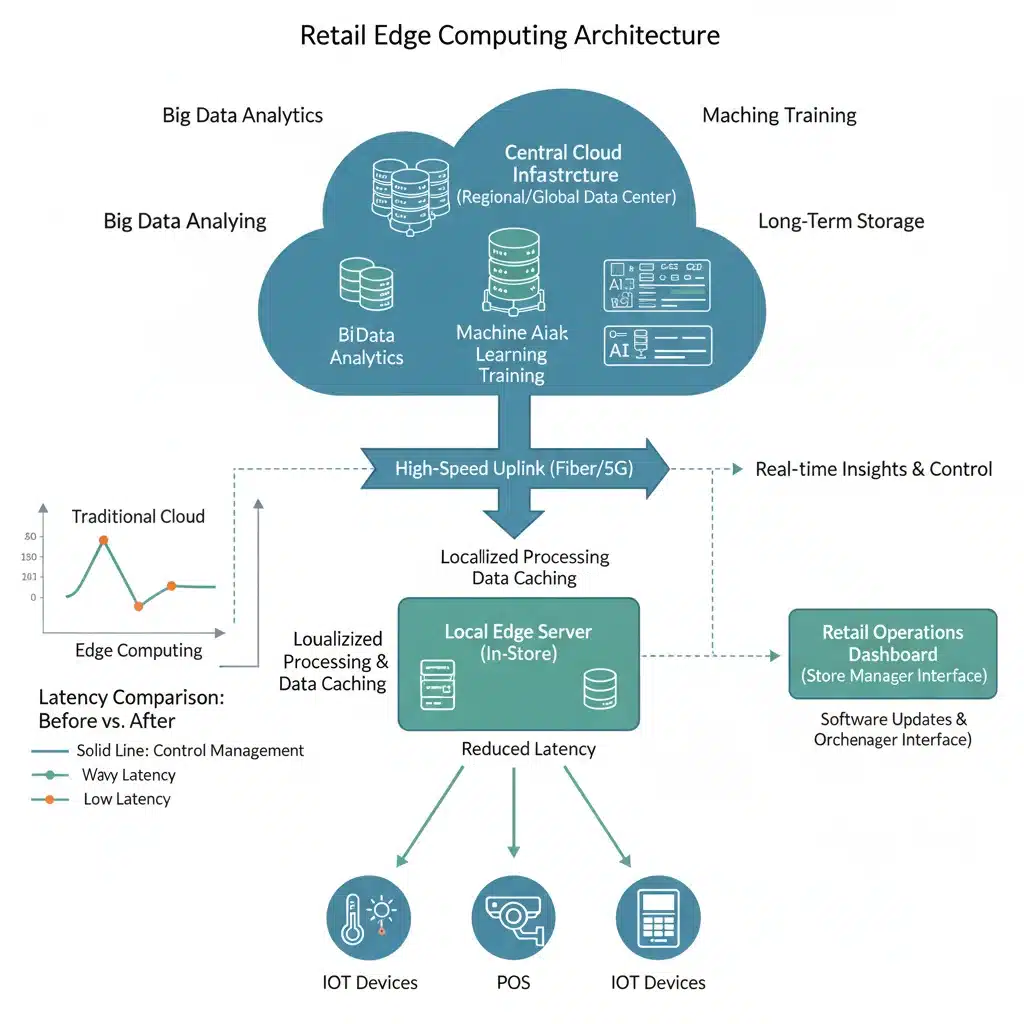
At its heart, edge computing involves processing data closer to its source, rather than sending it all the way to a centralized data center or cloud. In the context of retail, this means data generated by in-store sensors, IoT devices, point-of-sale (POS) systems, smart cameras, and even customer smartphones, is processed directly on-site or at a nearby ‘edge’ server. This localized processing significantly reduces the time it takes for data to travel, be analyzed, and then acted upon.
The Core Principle: Proximity and Speed
The fundamental advantage of Edge Computing Retail lies in its ability to minimize latency. In a traditional cloud-centric model, data from a retail store might travel hundreds or thousands of miles to a cloud server, be processed, and then have the results sent back. This round-trip can take valuable seconds, which, in a fast-paced retail environment, can mean the difference between a lost sale and a delighted customer. Edge computing cuts down this travel time drastically, enabling near-instantaneous responses.
How it Works in a Retail Setting
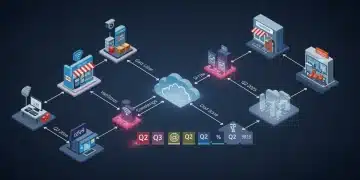
Consider a typical retail store equipped with various smart devices. Security cameras might monitor foot traffic, smart shelves could track inventory levels, and POS systems handle transactions. Without edge computing, all the raw video feeds, inventory updates, and transaction data would be streamed to the cloud. With Edge Computing Retail, mini-servers or dedicated edge devices within the store itself perform initial processing. For instance, a camera feed might be analyzed locally to detect suspicious activity or customer demographics, sending only relevant alerts or aggregated data to the cloud, rather than the entire raw video stream. This not only speeds up response times but also reduces bandwidth consumption and enhances data privacy.
The Unparalleled Benefits of Edge Computing in Retail
The adoption of Edge Computing Retail brings a cascade of benefits that directly impact a retailer’s bottom line, operational efficiency, and customer satisfaction.
1. Real-Time Data Processing and Insights
This is arguably the most significant advantage. By processing data at the edge, retailers gain immediate access to actionable insights. For example, stock levels can be updated instantly, allowing for dynamic pricing or immediate reordering. Customer behavior patterns, detected by in-store analytics, can trigger personalized promotions or staff assistance in real-time. This agility is crucial for responding to rapidly changing market conditions and consumer preferences.
2. Enhanced Customer Experience
Customer experience is paramount in today’s competitive retail landscape. Edge Computing Retail empowers retailers to offer highly personalized and seamless interactions. Think of smart mirrors suggesting outfits based on a customer’s preferences, augmented reality applications guiding shoppers to specific products, or self-checkout systems that instantly recognize items without manual scanning. These innovations, powered by low-latency edge processing, create memorable and efficient shopping journeys.
3. Improved Operational Efficiency
From inventory management to energy consumption, edge computing optimizes various operational aspects. Real-time data from IoT sensors can monitor equipment performance, predict maintenance needs, and optimize energy usage for lighting and HVAC systems. Automated inventory tracking reduces manual labor and minimizes out-of-stock situations, ensuring shelves are always stocked with popular items. This contributes to significant cost savings and a more efficient workforce.
4. Reduced Latency and Bandwidth Costs
By processing data locally, the amount of data transmitted to the cloud is drastically reduced. This translates into lower bandwidth requirements and, consequently, reduced operational costs. More importantly, the minimized latency ensures that critical applications, such as security systems or automated guided vehicles (AGVs) in warehouses, can react instantly, enhancing safety and productivity.
5. Enhanced Security and Data Privacy
Processing sensitive data at the edge can also bolster security. Instead of sending all raw data to the cloud, sensitive information can be anonymized or aggregated locally, reducing the risk of data breaches during transmission. Compliance with data privacy regulations like GDPR and CCPA becomes easier when data processing is localized and controlled at the source.
6. Greater Reliability and Resiliency
Edge computing systems can operate independently of a constant cloud connection. If the internet connection to the central cloud is disrupted, edge devices can continue to function, ensuring business continuity. This is particularly vital for critical operations like POS systems and security monitoring, preventing revenue loss and maintaining essential services during network outages.
Key Applications of Edge Computing in Retail
The versatility of Edge Computing Retail allows for its implementation across a wide array of applications, each designed to address specific challenges and create new opportunities.
Smart Inventory Management
IoT sensors on shelves, RFID tags, and smart cameras can constantly monitor inventory levels. Edge devices can process this data in real-time, instantly identifying low stock, misplacements, or even potential theft. This enables automated reordering, reduces waste, and ensures product availability, directly impacting sales and customer satisfaction.
Personalized Customer Experiences
Imagine a customer walking into a store, and based on their loyalty program data and real-time in-store behavior (detected by cameras and sensors), they receive personalized offers on their mobile device or see tailored advertisements on digital signage. Edge Computing Retail makes this possible by analyzing data locally and delivering immediate, contextually relevant interactions.
Loss Prevention and Security
High-resolution cameras combined with AI-powered edge analytics can detect unusual behavior, identify potential shoplifters, or monitor compliance with safety protocols. Alerts can be sent to security personnel instantly, allowing for proactive intervention rather than retrospective analysis. This significantly reduces shrinkage and enhances overall store safety.
Predictive Maintenance for Store Equipment
HVAC systems, refrigerators, escalators, and other essential store equipment can be fitted with sensors that monitor their performance. Edge devices can analyze this data to predict potential failures before they occur, scheduling maintenance proactively and preventing costly downtime or product spoilage.
Optimized Store Layout and Staffing
Foot traffic analysis, queue management systems, and heat mapping, all powered by Edge Computing Retail, provide insights into customer flow and popular areas within the store. This data can be used to optimize store layouts for better navigation, strategically place popular products, and adjust staffing levels in real-time to meet demand, minimizing wait times and improving service.
Frictionless Checkout and Self-Service
Technologies like ‘grab-and-go’ stores, where customers simply pick items and walk out, rely heavily on edge computing. Cameras and sensors identify items taken, and the transaction is automatically processed. Similarly, advanced self-checkout kiosks use edge processing for faster item recognition and fraud detection, streamlining the checkout process.
Challenges and Considerations for Implementing Edge Computing in Retail
While the benefits are compelling, deploying Edge Computing Retail is not without its challenges. Retailers must carefully consider several factors for a successful integration.
Initial Investment and Infrastructure
Setting up edge infrastructure requires an initial investment in hardware (edge servers, IoT devices) and software. Retailers need to assess the total cost of ownership and ensure it aligns with their strategic objectives and budget.
Integration with Existing Systems
Many retailers operate with legacy systems. Integrating new edge computing solutions with existing POS, inventory management, and CRM systems can be complex and requires careful planning and robust API development.
Data Management and Governance
While edge computing processes data locally, effective data governance across the entire distributed network is crucial. Retailers need clear strategies for data storage, backup, security, and compliance, ensuring consistency between edge and cloud environments.
Security Concerns at the Edge
Distributing computing power to multiple edge locations introduces new security vulnerabilities. Each edge device and server becomes a potential entry point for cyber threats. Robust security protocols, regular updates, and continuous monitoring are essential to protect the distributed network.
Talent and Skill Gaps
Implementing and managing an edge computing infrastructure requires specialized skills in areas like IoT, network security, data science, and cloud integration. Retailers may need to invest in training existing staff or hiring new talent to bridge these skill gaps.
The Future of Retail with Edge Computing: Beyond 2026
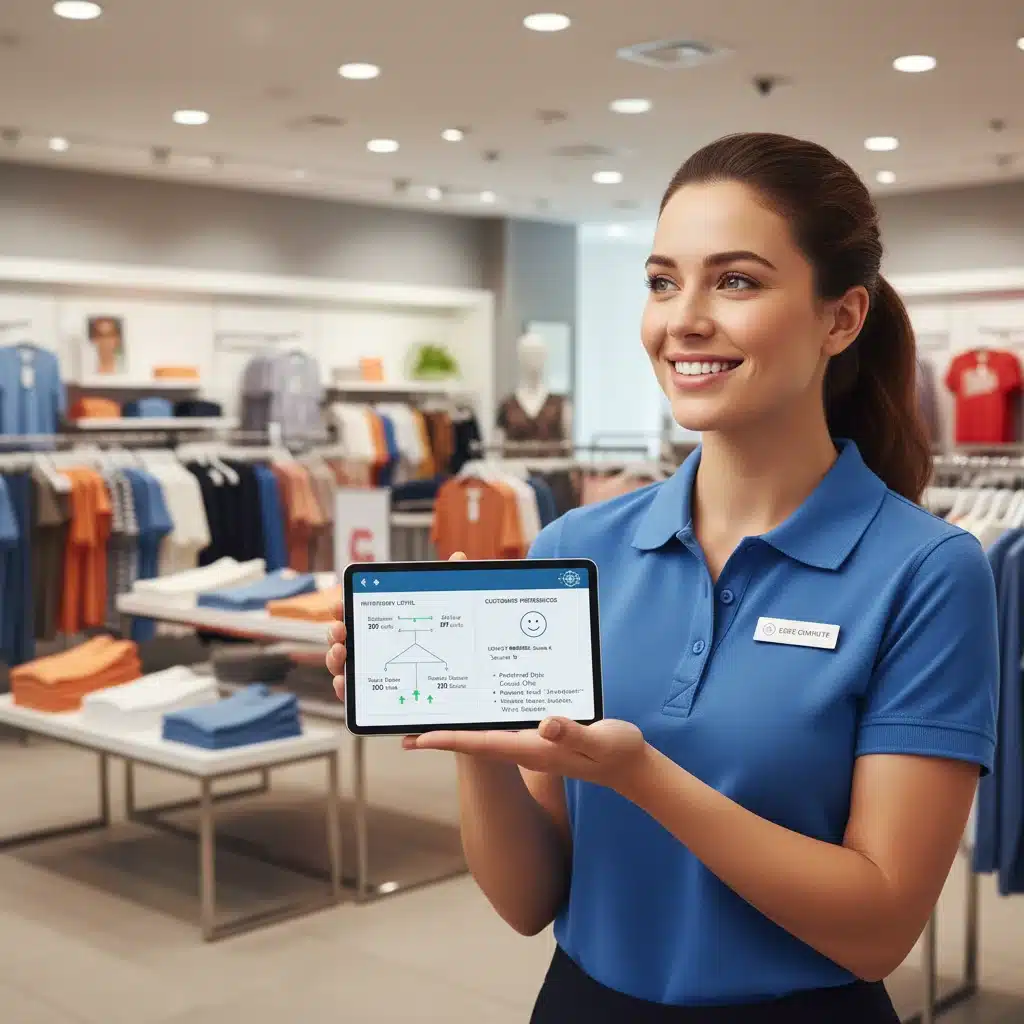
The projection of processing data 50% faster for real-time insights by 2026 is merely a stepping stone. As edge computing technology matures and becomes more ubiquitous, its influence on retail will only deepen.
Hyper-Personalization and Predictive Analytics
Beyond current personalization efforts, edge computing will enable hyper-personalization at an unprecedented scale. AI models running on edge devices will predict individual customer needs and desires with astonishing accuracy, offering proactive recommendations even before the customer expresses a need. This will transform shopping into a highly intuitive and predictive experience.
Autonomous Stores and Robotics
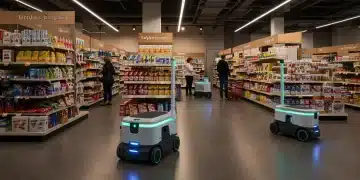
The vision of fully autonomous stores, where robots handle inventory, cleaning, and even customer assistance, is drawing closer with Edge Computing Retail. Edge devices will provide the real-time processing power required for robots to navigate safely, interact intelligently, and perform complex tasks without human intervention.
Supply Chain Optimization
Edge computing will extend its reach beyond the retail floor to the entire supply chain. Real-time monitoring of goods in transit, warehouse automation, and predictive logistics will ensure optimized routes, reduced spoilage, and faster delivery to stores and customers. This end-to-end visibility will create a truly agile and responsive supply chain.
Immersive Shopping Experiences
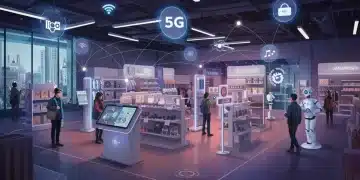
Augmented Reality (AR) and Virtual Reality (VR) will become more integrated into the shopping experience, powered by the low latency of edge computing. Customers might virtually try on clothes, visualize furniture in their homes, or explore product features in 3D, all with instantaneous feedback that only edge processing can provide.
Sustainability and Energy Management
As environmental concerns grow, edge computing will play a pivotal role in making retail operations more sustainable. Real-time energy monitoring and optimization, waste reduction through precise inventory management, and efficient resource allocation will contribute to a greener retail footprint.
Strategies for Successful Edge Computing Adoption in Retail
To successfully harness the power of Edge Computing Retail, businesses must adopt a strategic approach:
- Start Small, Think Big: Begin with pilot projects focused on specific pain points or high-impact areas, such as smart inventory or personalized promotions. Learn from these initial deployments before scaling across the entire enterprise.
- Partner with Experts: Collaborate with technology providers and system integrators who specialize in edge computing and retail solutions. Their expertise can help navigate complexities and accelerate deployment.
- Focus on Data Strategy: Develop a comprehensive data strategy that defines what data is processed at the edge versus the cloud, how it’s secured, and how it contributes to overall business intelligence.
- Invest in Talent and Training: Equip your IT teams and operational staff with the necessary skills to manage and leverage edge computing technologies effectively.
- Prioritize Security: Implement a multi-layered security approach for all edge devices and infrastructure, including encryption, access controls, and continuous monitoring.
- Measure ROI: Clearly define key performance indicators (KPIs) to measure the return on investment (ROI) of edge computing initiatives, demonstrating tangible benefits to the business.
Conclusion: The Edge of Innovation in Retail
The retail sector is at the precipice of a significant technological transformation, and Edge Computing Retail is undoubtedly leading the charge. By bringing computation closer to the source of data, retailers can unlock unprecedented levels of speed, efficiency, and personalization. The ability to process data 50% faster for real-time insights by 2026 is not just a statistical improvement; it represents a fundamental shift in how businesses can understand and respond to their customers and operational demands.
From revolutionizing inventory management and enhancing customer experiences to bolstering security and optimizing supply chains, the applications of edge computing are vast and continue to expand. While challenges exist, the strategic adoption of this technology offers a clear pathway to sustained growth and competitive advantage. Retailers who embrace Edge Computing Retail today will be the leaders of tomorrow, building more agile, intelligent, and customer-centric businesses ready for the demands of the digital age.