US Retailers Boost Local Sourcing: 10% Investment for 2026 Supply Chain Stability
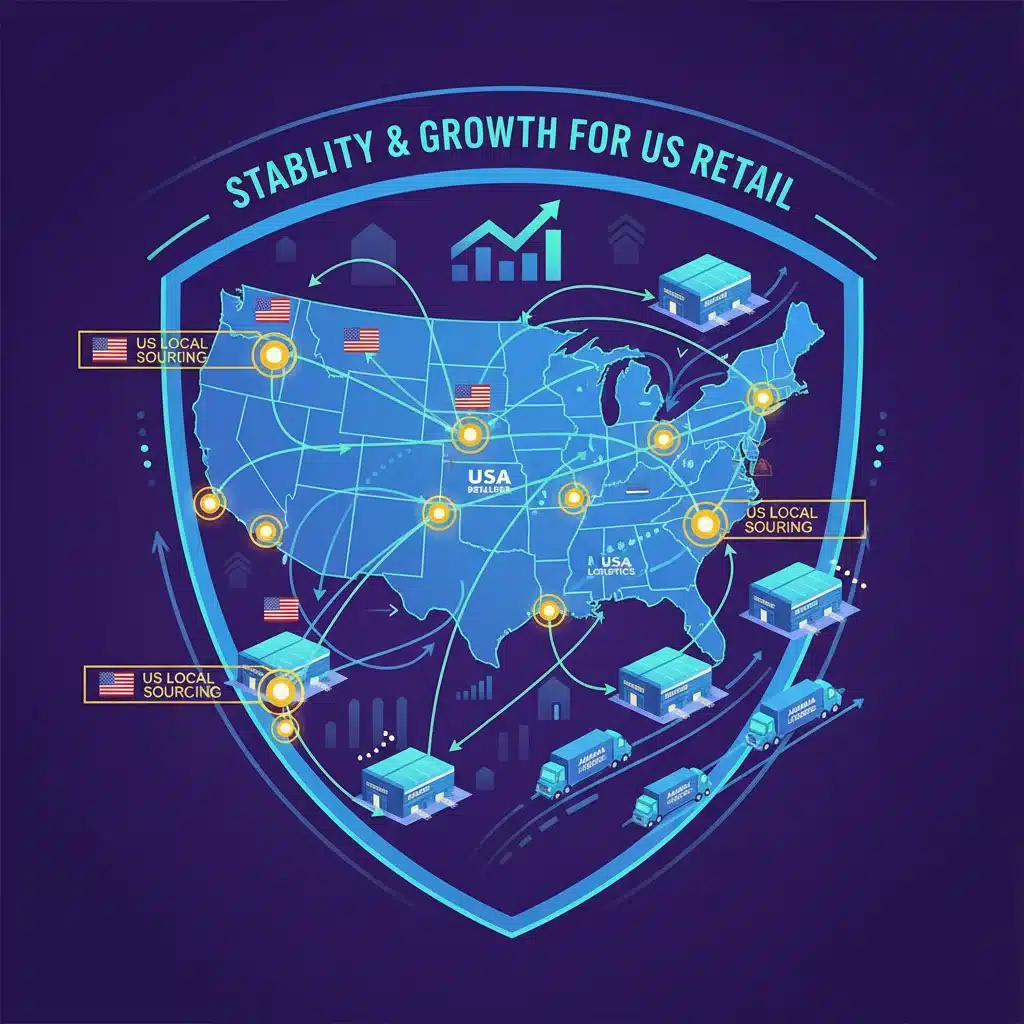
The global retail landscape has undergone unprecedented transformations in recent years, forcing businesses to fundamentally rethink their operational strategies. From unforeseen pandemics to geopolitical tensions and natural disasters, the fragility of extended, international supply chains has been laid bare. In response to these persistent challenges, a significant trend is emerging among US retailers: a decisive shift towards strengthening domestic supply networks through increased investment in local sourcing investment. This strategic pivot is not merely a reactive measure but a proactive commitment, with US retailers projected to invest an additional 10% in local sourcing by 2026, aiming to build robust, resilient, and stable supply chains for the future. This article delves into the intricacies of this critical development, exploring its drivers, implications, benefits, and the roadmap for successful implementation.
The Imperative for Supply Chain Resilience
Before the recent series of disruptions, many US retailers operated under a lean, globalized supply chain model, prioritizing cost efficiency above almost all else. This often meant sourcing materials and finished goods from the cheapest possible global locations, leading to complex, multi-tiered networks spanning continents. While this approach offered significant cost advantages in stable times, it proved highly vulnerable to external shocks. A single bottleneck, whether a port closure, a factory shutdown, or a transportation disruption, could trigger a cascade of delays, stockouts, and ultimately, lost sales and damaged brand reputation. The COVID-19 pandemic served as a stark wake-up call, exposing the critical need for greater supply chain resilience.
Resilience, in this context, refers to a supply chain’s ability to anticipate, absorb, adapt to, and recover from disruptions. It’s about building in redundancy, flexibility, and agility. For US retailers, achieving this resilience has become a top strategic priority, recognizing that the cost of disruption far outweighs the perceived savings of an overly optimized, yet fragile, global network. The focus on local sourcing investment is a direct manifestation of this realization.
Understanding the Shift to Local Sourcing Investment
Local sourcing investment involves procuring goods, services, and raw materials from suppliers located within the same country or a geographically proximate region. For US retailers, this primarily means increasing reliance on American manufacturers, farmers, and service providers. This isn’t a new concept, but its scale and strategic importance have dramatically escalated. The commitment to a 10% increase in local sourcing by 2026 signifies a substantial reallocation of resources and a long-term vision for supply chain transformation.
Several factors are driving this accelerated shift:
- Reduced Lead Times and Transportation Costs: Shorter distances mean quicker delivery, reducing transit times and the associated costs and risks of international shipping. This also allows for faster response to changing consumer demands.
- Enhanced Visibility and Control: Proximity to suppliers offers greater transparency into manufacturing processes, quality control, and labor practices. This improved visibility allows retailers to address issues more quickly and maintain higher standards.
- Mitigation of Geopolitical and Trade Risks: Relying less on international suppliers reduces exposure to tariffs, trade wars, political instability, and other cross-border complexities that can disrupt supply.
- Increased Agility and Flexibility: Local suppliers can often respond more rapidly to fluctuations in demand, special orders, or design changes, providing retailers with greater flexibility in their product offerings.
- Sustainability and Ethical Considerations: Consumers are increasingly conscious of the environmental and social impact of the products they buy. Local sourcing often implies a smaller carbon footprint due to reduced transportation and can align with ethical labor practices, boosting brand image.
- Government Incentives and Support: Both federal and state governments are increasingly promoting domestic manufacturing and sourcing through various incentives, recognizing its importance for economic stability and job creation.
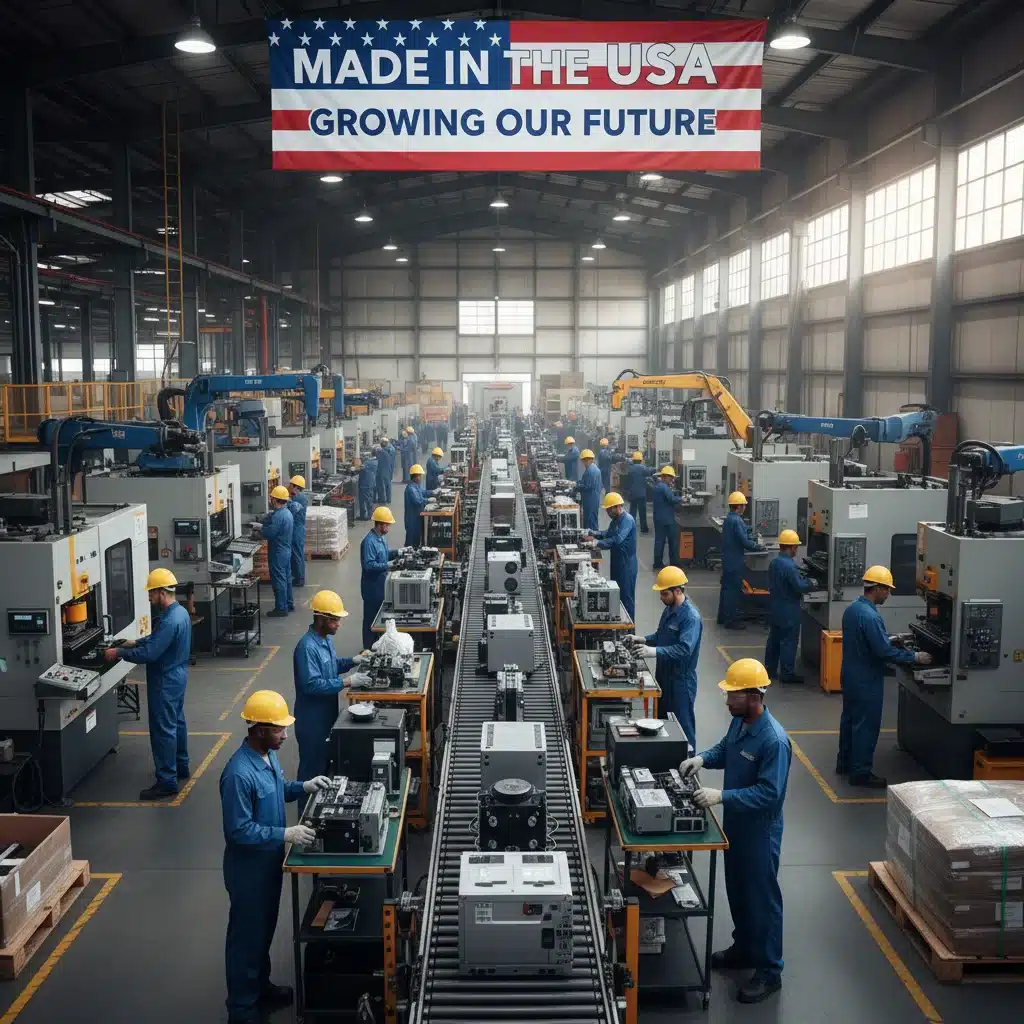
- Consumer Preference for ‘Made in USA’: A significant segment of American consumers shows a strong preference for domestically produced goods, often associating them with higher quality and supporting local economies.
The Economic and Operational Benefits of Increased Local Sourcing
The 10% increase in local sourcing investment by 2026 is expected to yield a multitude of benefits for US retailers, extending beyond mere risk mitigation:
Improved Inventory Management
With shorter lead times and more reliable delivery schedules, retailers can implement more precise inventory management strategies. This means less capital tied up in excess stock, reduced warehousing costs, and a lower risk of obsolescence. Just-in-time (JIT) inventory systems become more feasible and effective when suppliers are geographically closer and more responsive.
Enhanced Product Quality and Innovation
Closer collaboration with local suppliers fosters stronger relationships and facilitates joint innovation. Retailers can work directly with manufacturers to refine product designs, improve materials, and introduce new features more quickly. This collaborative environment can lead to higher quality products that better meet consumer expectations. Furthermore, the ability to iterate rapidly on product development can provide a significant competitive edge in fast-moving markets.
Boost to Domestic Economy and Job Creation
A significant increase in local sourcing investment directly translates into greater demand for domestic manufacturing, agriculture, and services. This stimulates economic growth within the United States, creates jobs across various sectors, and strengthens local communities. Retailers can leverage this positive impact in their marketing, appealing to consumers who prioritize supporting American businesses.
Reduced Environmental Impact
Minimizing long-distance transportation, especially by air or sea, significantly reduces greenhouse gas emissions. Local sourcing aligns with corporate sustainability goals and helps retailers meet growing consumer demand for environmentally responsible products and practices. This commitment to sustainability can enhance brand loyalty and attract a new generation of eco-conscious consumers.
Stronger Supplier Relationships
Proximity fosters more personal and robust relationships with suppliers. This can lead to greater trust, better communication, and a shared understanding of business objectives. In times of crisis, these strong relationships can prove invaluable, allowing for faster problem-solving and greater flexibility in finding solutions.
Challenges and Considerations for Local Sourcing Investment
While the benefits are compelling, the transition to increased local sourcing investment is not without its challenges. Retailers must carefully navigate several considerations to ensure successful implementation:
Higher Initial Costs
Domestic production can sometimes be more expensive than sourcing from countries with lower labor costs or less stringent regulations. Retailers must conduct thorough cost-benefit analyses, factoring in not just direct production costs but also reduced transportation, lower inventory holding costs, and the mitigated risk of disruption.
Supplier Capacity and Capabilities
The US manufacturing base has shrunk in some sectors over decades. Retailers may face challenges in finding local suppliers with the necessary capacity, technology, and expertise to meet their specific needs, especially for highly specialized products. Investment in supplier development programs or partnerships might be necessary.
Quality Control and Standardization
While proximity offers greater control, ensuring consistent quality across multiple new local suppliers still requires robust quality management systems. Retailers must establish clear standards and auditing processes to maintain product integrity.
Scalability Issues
Some smaller local suppliers may struggle to scale up production quickly to meet large or fluctuating retail demands. Retailers need to assess a supplier’s scalability potential and potentially work with a diversified portfolio of local partners.
Logistics and Distribution within the US
While international shipping costs are reduced, optimizing domestic logistics for a more dispersed network of local suppliers can present new challenges. Efficient warehousing, transportation, and last-mile delivery strategies within the US become crucial.
Strategies for Successful Local Sourcing Implementation
To effectively execute a 10% increase in local sourcing investment by 2026, US retailers should consider the following strategies:
1. Comprehensive Supply Chain Mapping and Risk Assessment
Before making significant changes, retailers must thoroughly map their existing supply chains to identify key dependencies, vulnerabilities, and opportunities for local substitution. A detailed risk assessment will highlight which product categories or components are most critical to localize.
2. Phased Approach to Transition
A complete overhaul of the supply chain cannot happen overnight. Retailers should adopt a phased approach, starting with less complex products or components, or those with the highest risk exposure. This allows for learning and adjustment without jeopardizing the entire operation.
3. Investing in Supplier Development
If suitable local suppliers are scarce, retailers can proactively invest in developing new domestic capabilities. This could involve providing technical assistance, sharing best practices, offering financial support, or entering into long-term contracts that guarantee demand. This collaborative approach builds stronger, more reliable partnerships.
4. Leveraging Technology for Visibility and Collaboration
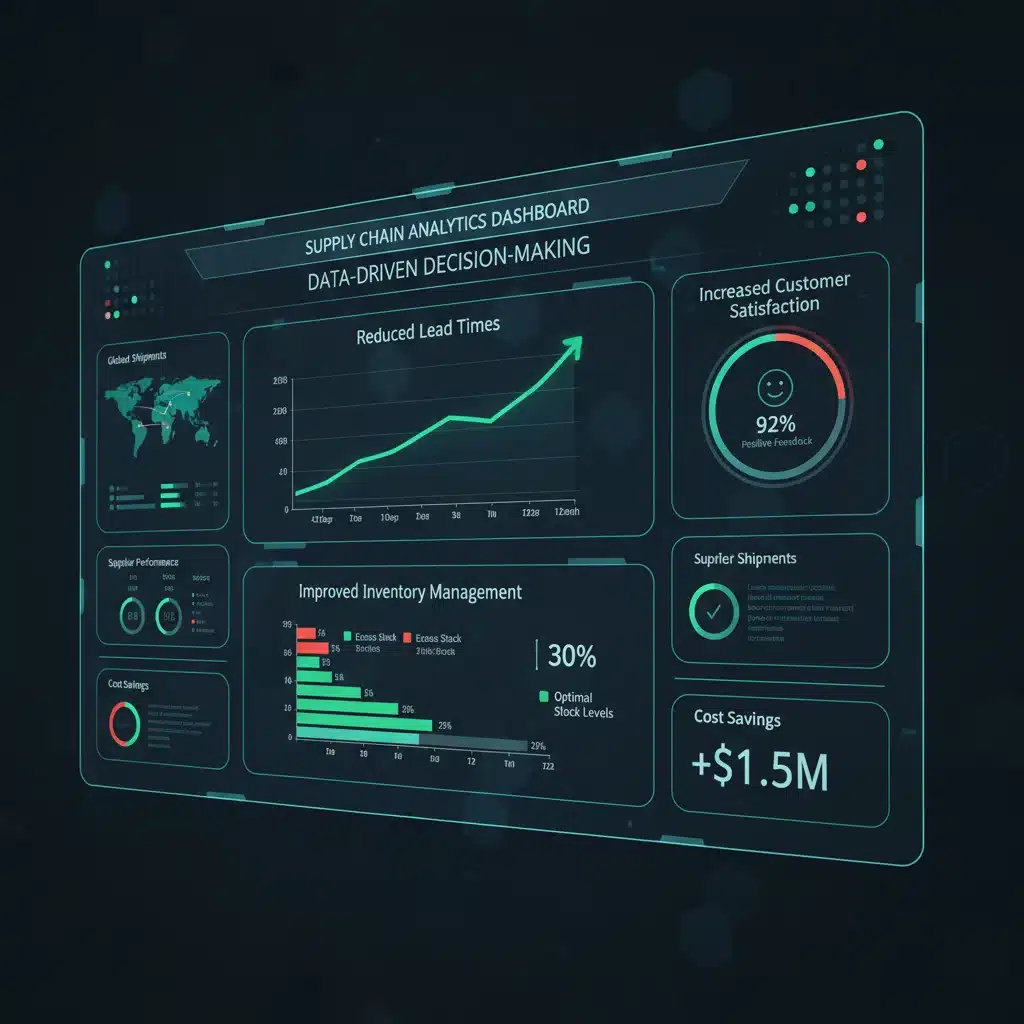
Advanced supply chain management software, AI-powered analytics, and blockchain technology can enhance visibility across the localized network. These tools facilitate better communication, demand forecasting, inventory optimization, and real-time tracking, making the entire process more efficient and transparent.
5. Diversifying Local Supplier Base
Even with local sourcing, relying on a single supplier for critical components can still be risky. Retailers should aim to diversify their local supplier base, engaging multiple partners for key inputs to build redundancy and reduce single points of failure.
6. Communicating the Value to Consumers
Retailers should actively communicate their commitment to local sourcing investment to consumers. Highlighting the ‘Made in USA’ aspect, the positive impact on local economies, and the environmental benefits can resonate strongly with target audiences and strengthen brand loyalty.
The Future of Retail Supply Chains: A Hybrid Model
It’s important to note that the push for local sourcing investment doesn’t necessarily mean a complete abandonment of global supply chains. For many retailers, a hybrid model is likely to emerge, combining the strengths of both local and international sourcing. Highly specialized components, raw materials not available domestically, or products where global economies of scale are overwhelming might still be sourced internationally. However, the balance will shift, with a greater emphasis on domestic production for critical goods, high-demand items, and products where speed-to-market and resilience are paramount.
This hybrid approach allows retailers to maintain a competitive cost structure while significantly enhancing their ability to withstand disruptions. The strategic allocation of resources, with a 10% increase in local sourcing by 2026, reflects a thoughtful re-evaluation of risk versus reward. It’s about creating a more balanced, agile, and ultimately, more stable supply chain ecosystem.
Measuring Success and Adapting for the Future
As US retailers embark on this journey of increased local sourcing investment, establishing clear metrics for success will be crucial. These might include:
- Reduction in lead times and stockouts.
- Improvement in on-time delivery rates.
- Decrease in supply chain disruption costs.
- Growth in sales of locally sourced products.
- Positive feedback from consumers regarding product availability and quality.
- Contribution to domestic job creation and economic impact.
The retail landscape is dynamic, and supply chain strategies must evolve continually. Retailers must remain agile, regularly reviewing their sourcing strategies, assessing new risks, and adapting their local sourcing investment plans as market conditions and technological advancements unfold. The goal is not just to achieve a 10% increase by 2026 but to embed a culture of continuous improvement and resilience within the entire supply chain operation.
Conclusion
The commitment by US retailers to invest an additional 10% in local sourcing investment by 2026 marks a pivotal moment in the evolution of supply chain management. This strategic shift is a direct response to the lessons learned from recent global disruptions, prioritizing resilience, stability, and speed over singular cost optimization. By strengthening domestic supply networks, retailers are not only safeguarding their operations against future shocks but also unlocking a host of benefits including improved inventory management, enhanced product quality, reduced environmental impact, and a significant boost to the US economy. While challenges exist, a thoughtful, phased approach coupled with technological leverage and strong supplier partnerships will pave the way for a more robust and sustainable retail future. The era of the hyper-globalized, fragile supply chain is giving way to a more localized, resilient, and responsive model, ensuring that US retailers are better positioned to meet the demands of tomorrow’s unpredictable world.