Cybersecurity in Retail Tech: Protecting Customer Data and Preventing Breaches 2026
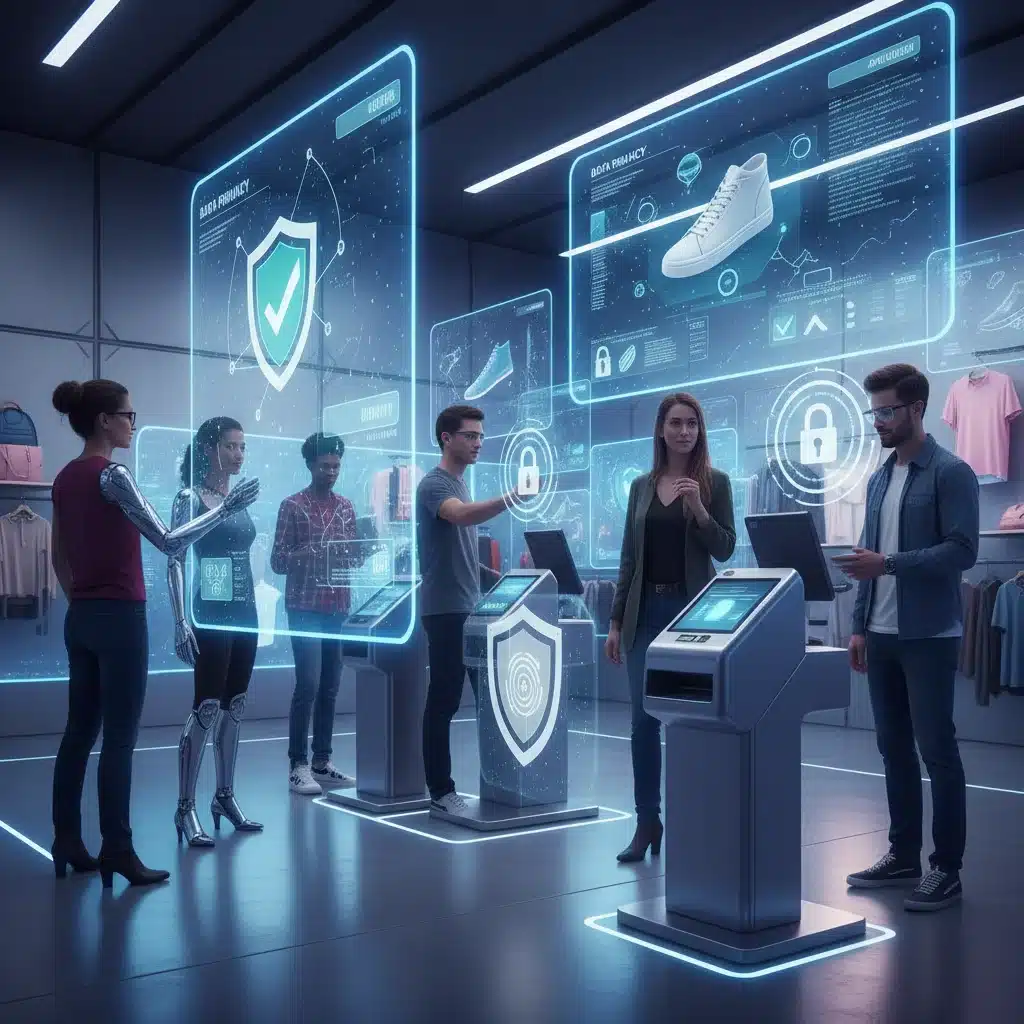
In an era defined by rapid digital transformation, the retail sector stands at a critical juncture. The integration of advanced technologies, from AI-powered personalization to seamless omnichannel experiences, has revolutionized how consumers shop and interact with brands. However, this technological leap brings with it an escalating threat landscape, making retail cybersecurity 2026 a paramount concern. Protecting customer data and preventing breaches are no longer just IT responsibilities; they are fundamental pillars of business continuity and consumer trust.
The retail industry is a prime target for cybercriminals due to the vast amounts of sensitive customer data it handles – personal information, payment details, purchasing habits, and more. A single data breach can lead to catastrophic financial losses, irreparable reputational damage, and severe legal repercussions. As we look towards 2026, the sophistication of cyber threats continues to evolve, demanding a proactive, robust, and adaptive cybersecurity posture from every retail enterprise.
The Evolving Threat Landscape for Retail Cybersecurity 2026
The digital frontier is constantly shifting, and with it, the methods employed by malicious actors. For retail cybersecurity 2026, understanding these evolving threats is the first step towards effective defense. We are seeing a rise in highly sophisticated phishing campaigns, ransomware attacks targeting critical operational systems, and supply chain vulnerabilities that can compromise even the most secure retail networks.
Advanced Persistent Threats (APTs)
APTs are no longer exclusive to nation-states or large corporations; they are increasingly targeting retail organizations. These attacks are characterized by their stealth, persistence, and ability to evade traditional security measures. An APT can reside within a network for extended periods, gathering intelligence and exfiltrating data without detection, making them a significant challenge for retail cybersecurity 2026 strategies.
Ransomware 2.0 and Data Extortion
Ransomware has moved beyond mere encryption. Modern ransomware attacks often involve ‘double extortion,’ where attackers not only encrypt data but also exfiltrate it, threatening to publish sensitive information if the ransom isn’t paid. This adds immense pressure on retailers, who must balance the desire to protect customer privacy with the ethical implications of paying ransoms. The proliferation of Ransomware-as-a-Service (RaaS) models also lowers the barrier to entry for cybercriminals, making these attacks more frequent and widespread.
Supply Chain Attacks
Retailers rely heavily on a complex ecosystem of third-party vendors, suppliers, and service providers. A vulnerability in any link of this supply chain can become an entry point for attackers. Compromised software updates, insecure APIs, or weak security practices of a partner can inadvertently expose a retailer’s systems and data. This emphasizes the need for comprehensive vendor risk management as a core component of retail cybersecurity 2026.
IoT and Edge Device Vulnerabilities
The proliferation of Internet of Things (IoT) devices in retail – from smart shelves and digital signage to inventory trackers and point-of-sale (POS) systems – expands the attack surface significantly. Many IoT devices are deployed with default or weak security settings, making them easy targets for exploitation. Securing these edge devices and ensuring their integration into a broader security framework is crucial for effective retail cybersecurity 2026.
AI-Powered Attacks and Defenses
Artificial intelligence (AI) is a double-edged sword. While it offers powerful tools for threat detection and anomaly identification, attackers are also leveraging AI to create more convincing phishing emails, automate reconnaissance, and develop polymorphic malware that can evade signature-based detection. This AI arms race necessitates that retailers invest in AI-driven security solutions to stay ahead.
Key Pillars of a Robust Retail Cybersecurity Strategy for 2026
To effectively counter these evolving threats, retailers must adopt a multi-faceted and proactive cybersecurity strategy. The focus for retail cybersecurity 2026 should be on resilience, adaptability, and a strong security culture.
1. Zero Trust Architecture (ZTA)
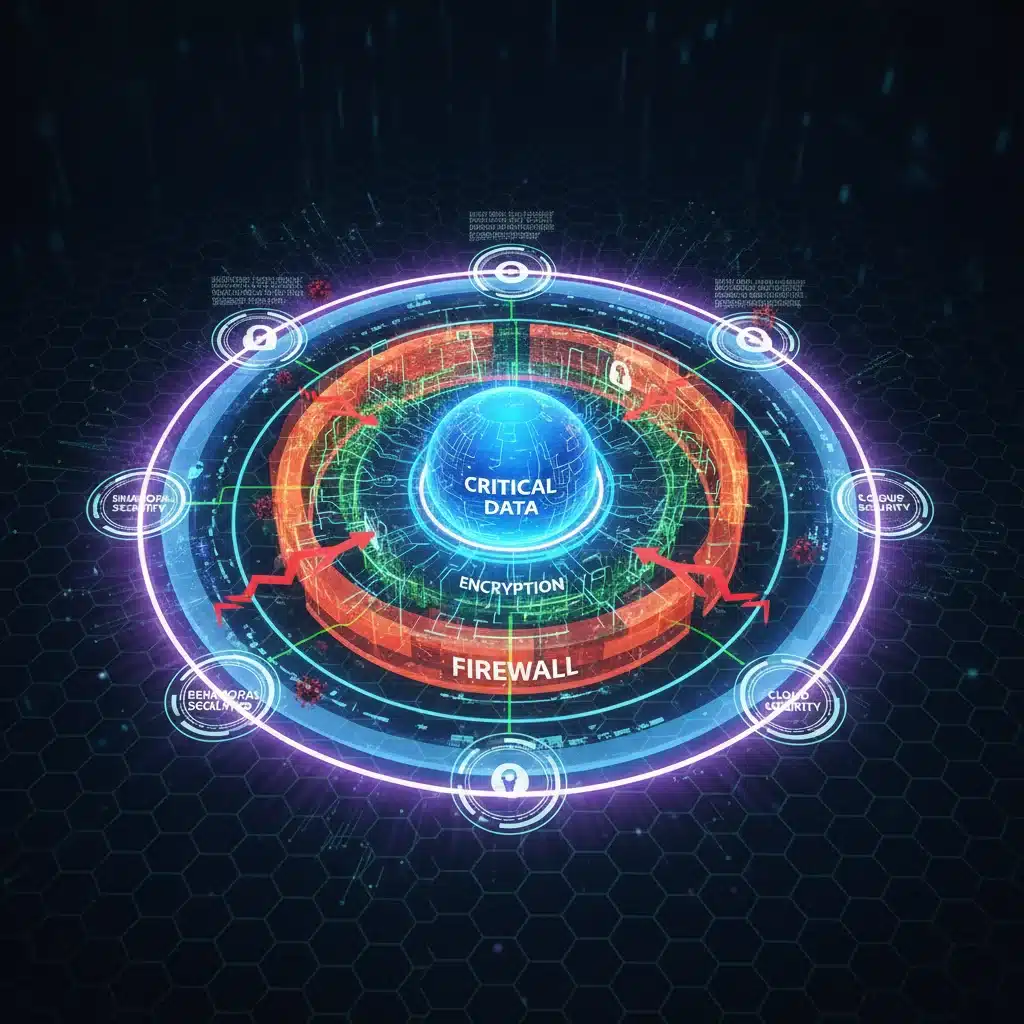
Traditional perimeter-based security models are no longer sufficient. A Zero Trust approach assumes that no user, device, or application, whether inside or outside the network, should be trusted by default. Every access request must be authenticated, authorized, and continuously validated. Implementing ZTA involves micro-segmentation, strong identity and access management (IAM), and continuous monitoring. This is a foundational shift for retail cybersecurity 2026, moving from ‘trust but verify’ to ‘never trust, always verify.’
2. Enhanced Data Encryption and Tokenization
At the heart of retail operations is sensitive customer data. Robust encryption of data at rest and in transit is non-negotiable. Furthermore, tokenization, especially for payment card information, replaces sensitive data with a unique, non-sensitive identifier (a token), significantly reducing the risk if a breach occurs. Even if tokens are stolen, they hold no inherent value without the corresponding decryption key, which is stored separately and securely. These techniques are paramount for maintaining customer trust and compliance in retail cybersecurity 2026.
3. AI and Machine Learning for Threat Detection and Response
Given the sheer volume and complexity of cyber threats, human analysts alone cannot keep pace. AI and ML algorithms can analyze vast datasets, identify anomalous behavior, detect emerging threats in real-time, and even automate incident response. From predicting potential attack vectors to identifying insider threats, AI-powered security solutions are indispensable for bolstering retail cybersecurity 2026 capabilities.
4. Comprehensive Employee Training and Awareness
The human element remains the weakest link in many security chains. Phishing, social engineering, and insider threats often exploit human vulnerabilities. Regular, engaging, and comprehensive cybersecurity training for all employees, from the C-suite to part-time staff, is vital. This training should cover best practices for password hygiene, identifying phishing attempts, secure browsing, and data handling protocols. A strong security culture fostered through continuous education is a cornerstone of effective retail cybersecurity 2026.
5. Robust Incident Response and Disaster Recovery Plans
Despite the best preventative measures, breaches can still occur. What truly defines an organization’s resilience is its ability to respond quickly and effectively. A well-defined incident response plan (IRP) outlines the steps to be taken before, during, and after a cyber incident, including containment, eradication, recovery, and post-mortem analysis. Coupled with a comprehensive disaster recovery plan, these ensure minimal downtime and rapid restoration of services, critical for retail cybersecurity 2026.
Emerging Technologies and Their Security Implications for Retail in 2026
The retail landscape is constantly adopting new technologies, each bringing its own set of security challenges and opportunities. Understanding these implications is vital for shaping retail cybersecurity 2026 strategies.
Blockchain for Supply Chain Security and Data Integrity
Blockchain technology, with its immutable and distributed ledger, offers promising solutions for enhancing supply chain transparency and data integrity. Retailers can leverage blockchain to track products from origin to consumer, verify authenticity, and secure transaction records, making it significantly harder for attackers to tamper with data or introduce counterfeit goods. This distributed trust mechanism could become a powerful tool in retail cybersecurity 2026.
Quantum Computing and Post-Quantum Cryptography
While still in its nascent stages, quantum computing poses a long-term threat to current encryption standards. A sufficiently powerful quantum computer could potentially break many of the cryptographic algorithms we rely on today. Retailers, particularly those handling highly sensitive long-term data, should begin exploring post-quantum cryptography (PQC) standards and strategies to transition to quantum-resistant algorithms. This forward-looking approach is essential for future-proofing retail cybersecurity 2026 and beyond.
Biometric Authentication and Passwordless Experiences
Biometric authentication (fingerprint, facial recognition, iris scans) offers a more secure and convenient alternative to traditional passwords. As retailers move towards more seamless and passwordless customer experiences, implementing robust biometric solutions, backed by strong privacy safeguards, will be crucial. However, the security of biometric data itself becomes a new concern, requiring advanced encryption and secure storage for retail cybersecurity 2026.
Secure Cloud Native Architectures
Many retailers are migrating to cloud-native architectures, leveraging microservices, containers, and serverless functions. While these offer scalability and agility, they also introduce new security complexities. Securing cloud environments requires specialized knowledge, continuous security posture management, and adherence to cloud security best practices. Integrating security into the DevOps pipeline (DevSecOps) is paramount for maintaining a strong retail cybersecurity 2026 posture in the cloud.
Regulatory Compliance and Consumer Trust in 2026
The regulatory landscape surrounding data privacy and cybersecurity is becoming increasingly stringent. Compliance with regulations like GDPR, CCPA, and upcoming regional data protection laws is not just a legal obligation but a cornerstone of building and maintaining consumer trust.
Navigating Data Privacy Regulations
Retailers operate in a global marketplace, often dealing with customers from various jurisdictions, each with its own data privacy laws. Understanding and adhering to these diverse regulations is complex but critical. Non-compliance can result in hefty fines, legal battles, and severe damage to brand reputation. For retail cybersecurity 2026, a unified approach to data governance that meets the highest common denominator of privacy standards is advisable.
Transparency and Communication
In the event of a data breach, transparency with customers is key. Prompt and honest communication about what happened, what data was affected, and what steps are being taken to mitigate the impact can help preserve trust. Retailers must have clear communication protocols in their incident response plans to manage public perception effectively. Building trust is an ongoing process, and how a retailer handles a crisis speaks volumes about its commitment to retail cybersecurity 2026.

Building a Resilient Retail Cybersecurity Ecosystem for 2026
Achieving robust retail cybersecurity 2026 requires a holistic approach that extends beyond just technology. It involves people, processes, and a continuous commitment to security excellence.
Security by Design and DevSecOps
Security should not be an afterthought but an integral part of every stage of the retail technology lifecycle, from conception and development to deployment and maintenance. Implementing ‘security by design’ principles and adopting a DevSecOps culture ensures that security considerations are embedded into all development practices. This proactive approach significantly reduces vulnerabilities before they can be exploited, improving the overall security posture for retail cybersecurity 2026.
Third-Party Risk Management
As highlighted earlier, third-party vendors represent a significant attack vector. Retailers must establish rigorous third-party risk management programs that include due diligence, security assessments, contractual obligations for cybersecurity standards, and continuous monitoring of vendor security postures. This proactive management of external risks is indispensable for comprehensive retail cybersecurity 2026.
Cyber Insurance as a Mitigating Factor
While not a substitute for robust cybersecurity, cyber insurance can provide a financial safety net in the event of a breach. It can cover costs associated with incident response, legal fees, notification expenses, and business interruption. Retailers should evaluate cyber insurance policies carefully to understand their coverage and ensure they complement their overall retail cybersecurity 2026 strategy.
Collaboration and Threat Intelligence Sharing
The cyber threat landscape is a shared challenge. Retailers can benefit immensely from collaborating with industry peers, cybersecurity organizations, and government agencies to share threat intelligence, best practices, and lessons learned from incidents. Participating in information sharing and analysis centers (ISACs) or similar forums can provide valuable insights and early warnings of emerging threats, strengthening collective retail cybersecurity 2026 efforts.
Continuous Monitoring and Vulnerability Management
Cybersecurity is not a ‘set it and forget it’ endeavor. Continuous monitoring of networks, systems, and applications is essential to detect suspicious activities and potential vulnerabilities in real-time. Regular penetration testing, vulnerability assessments, and security audits help identify weaknesses before attackers can exploit them. An agile and adaptive vulnerability management program is crucial for maintaining a strong retail cybersecurity 2026 posture.
Conclusion: Securing the Future of Retail in 2026 and Beyond
The digital transformation of retail offers unprecedented opportunities for growth and customer engagement. However, realizing these benefits hinges on the ability to effectively manage and mitigate cyber risks. For retail cybersecurity 2026, the focus must be on building a resilient, adaptive, and human-centric security framework. This involves embracing advanced technologies like AI and blockchain, adopting architectural shifts like Zero Trust, investing heavily in employee training, and fostering a culture of security awareness across the entire organization.
Protecting customer data is more than just a regulatory requirement; it’s a moral imperative and a fundamental driver of consumer trust and brand loyalty. By prioritizing cybersecurity, retailers can not only safeguard their assets but also reinforce their reputation as responsible and trustworthy entities in the ever-evolving digital marketplace. The journey towards a secure retail future is continuous, demanding vigilance, innovation, and a steadfast commitment to cybersecurity excellence.