Personalized Pricing Strategies 2026: US Retailers Boost Revenue by 10% with Dynamic Offers
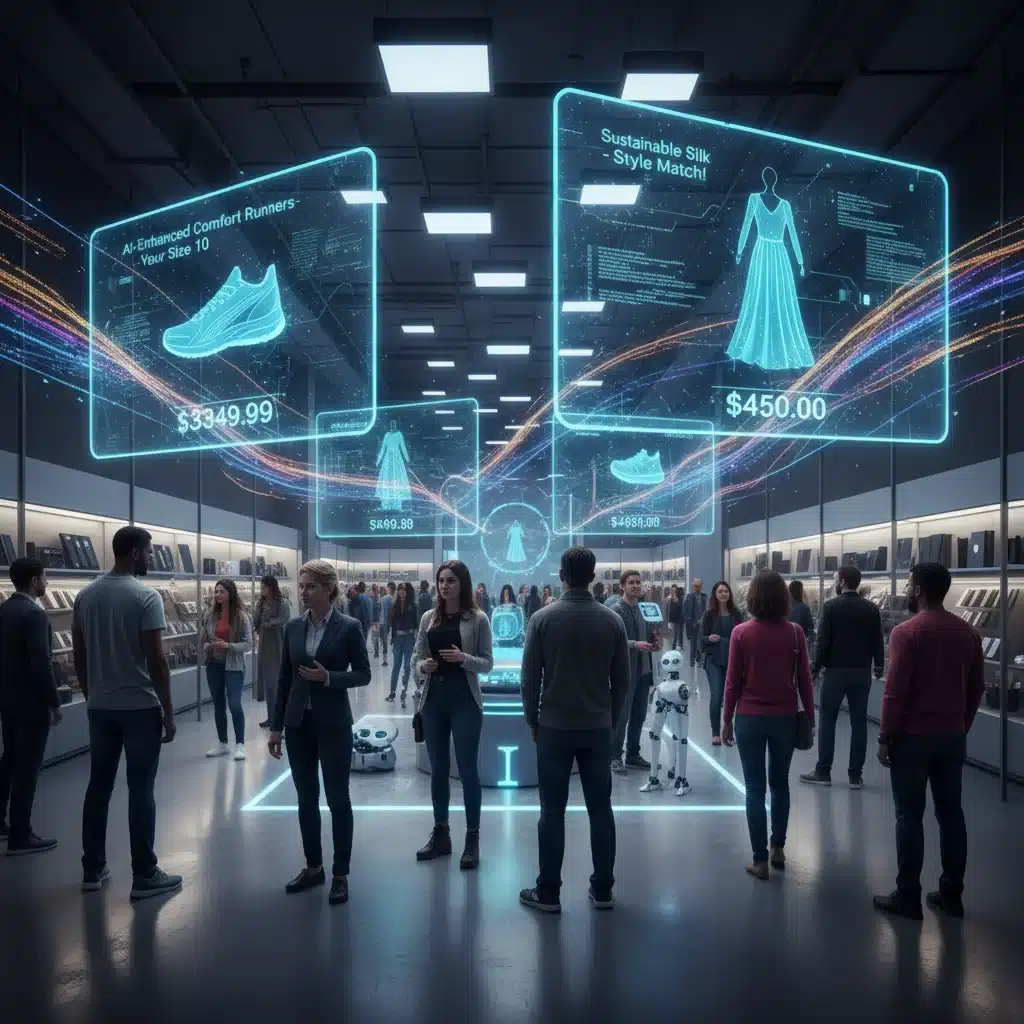
In the fiercely competitive landscape of modern retail, personalization has emerged as the undisputed king. As we look towards 2026, US retailers are on the cusp of a transformative era, where Personalized Pricing Strategies are not just a luxury but a necessity for sustained growth. Projections indicate that by strategically implementing dynamic offers, retailers can anticipate an impressive 10% revenue boost. This isn’t merely about adjusting prices; it’s about understanding the individual customer, anticipating their needs, and offering them the right product at the right price, at the right time.
The journey to achieving this significant revenue uplift is multifaceted, requiring a deep dive into data analytics, artificial intelligence (AI), and a keen understanding of customer behavior. The traditional one-size-fits-all pricing model is rapidly becoming obsolete, replaced by sophisticated algorithms that can adapt to market conditions, competitor actions, and individual customer profiles in real-time. This comprehensive guide will explore the intricacies of Personalized Pricing Strategies, the technologies driving them, the immense benefits they offer, and the practical steps US retailers can take to harness this power by 2026.
The Evolution of Pricing: From Static to Dynamic and Personalized
For decades, retail pricing was a relatively static affair, determined by cost-plus models, competitive benchmarking, and seasonal promotions. While effective to a degree, these methods often left significant revenue on the table. The digital revolution, however, introduced a new paradigm. E-commerce platforms, with their ability to collect vast amounts of customer data, paved the way for more dynamic pricing models, where prices could fluctuate based on demand, inventory levels, and even time of day.
The next logical step in this evolution is Personalized Pricing Strategies. This goes beyond dynamic pricing by considering individual customer attributes and behaviors. Imagine a scenario where two customers browsing the same product online see different prices based on their past purchase history, loyalty status, browsing behavior, or even their geographic location. This is the essence of personalized pricing – tailoring offers to maximize both customer satisfaction and retailer profitability.
The shift towards personalized pricing is not a fleeting trend; it’s a fundamental change in how retailers interact with their customers. It acknowledges that not all customers perceive value in the same way and that a more granular approach to pricing can unlock significant untapped revenue potential. US retailers, by embracing these strategies, are positioning themselves for a competitive advantage in a market that increasingly values individualized experiences.
Understanding the Mechanics: How Personalized Pricing Strategies Work
At its core, Personalized Pricing Strategies rely on sophisticated data analysis and predictive modeling. Here’s a breakdown of the key components:
1. Data Collection and Aggregation
The foundation of any successful personalized pricing strategy is robust data. Retailers collect data from various sources, including:
- Online Behavior: Website visits, clicks, abandoned carts, search queries, product views.
- Purchase History: Past purchases, frequency, average order value, preferred categories.
- Demographics: Age, gender, location (with appropriate privacy considerations).
- Loyalty Programs: Membership status, points accumulated, redemption patterns.
- External Data: Economic indicators, competitor pricing, weather patterns, social media sentiment.
This data is then aggregated and cleaned to create a comprehensive customer profile.
2. Customer Segmentation
Once data is collected, customers are segmented into various groups based on shared characteristics and behaviors. Common segmentation strategies include:
- Behavioral Segmentation: Grouping customers by their purchase habits, engagement levels, and loyalty.
- Demographic Segmentation: Grouping by age, income, family size, etc.
- Psychographic Segmentation: Grouping by lifestyle, values, interests, etc.
- Value-Based Segmentation: Identifying high-value customers, frequent shoppers, or those at risk of churn.
The more granular the segmentation, the more precise the personalized offers can be.
3. AI and Machine Learning Algorithms
This is where the magic happens. AI and machine learning algorithms are employed to analyze the segmented data and identify patterns that predict pricing sensitivity and willingness to pay. These algorithms can:
- Predict Demand: Forecast future demand for products based on historical data and external factors.
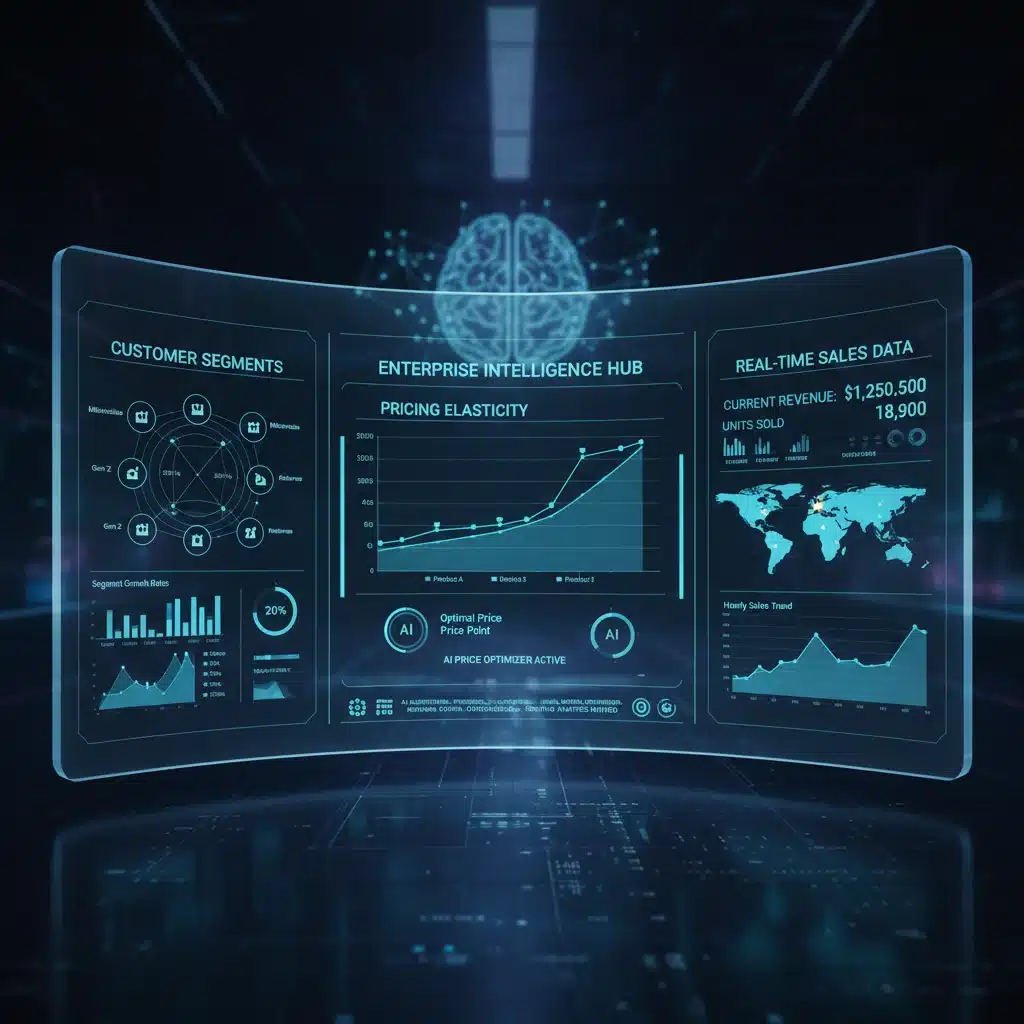
- Determine Price Elasticity: Understand how changes in price affect demand for different customer segments.
- Optimize Pricing: Recommend optimal prices for individual customers or segments in real-time.
- Identify Cross-Selling and Upselling Opportunities: Suggest complementary or higher-value products.
These algorithms continuously learn and adapt, becoming more accurate over time as more data is fed into the system.
4. Dynamic Offer Generation and Delivery
Based on the insights generated by AI, dynamic offers are created and delivered to customers through various channels:
- Website Personalization: Displaying tailored prices or promotions directly on the e-commerce site.
- Email Marketing: Sending personalized discounts or product recommendations.
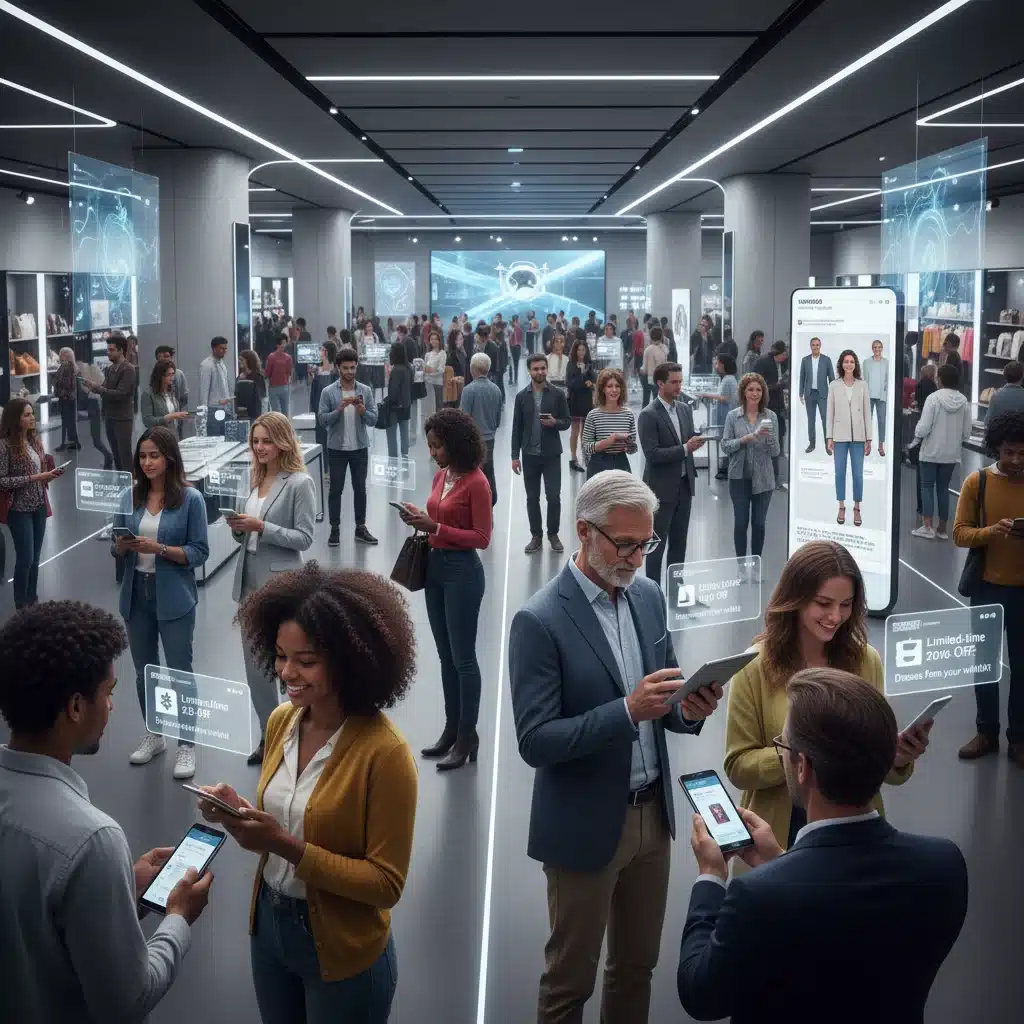
- Mobile App Notifications: Pushing real-time offers based on location or browsing behavior.
- In-Store Displays: Using digital signage to show personalized promotions to loyalty program members.
The key is to deliver the right offer through the most effective channel at the opportune moment.
The Projected 10% Revenue Boost: Why It’s Achievable by 2026
The 10% revenue boost for US retailers by 2026 through Personalized Pricing Strategies is not an arbitrary figure; it’s a realistic target supported by several factors:
1. Increased Customer Lifetime Value (CLV)
When customers feel understood and valued, their loyalty increases. Personalized offers, even if they sometimes involve a slightly higher price for a premium experience, can lead to repeat purchases and a stronger emotional connection with the brand. This directly translates to a higher Customer Lifetime Value.
2. Reduced Price Sensitivity for Loyal Customers
Loyal customers, who have built a relationship with a brand, are often less price-sensitive than new or occasional shoppers. Personalized pricing allows retailers to offer highly targeted discounts to attract new customers while maintaining higher margins for their most loyal base.
3. Optimized Inventory Management
Dynamic pricing, a close cousin of personalized pricing, allows retailers to adjust prices to clear slow-moving inventory or capitalize on high-demand items. This reduces carrying costs and minimizes markdowns, contributing to overall revenue growth.
4. Enhanced Conversion Rates
When customers are presented with offers that are highly relevant to their needs and preferences, the likelihood of conversion significantly increases. Generic promotions often get ignored, but a personalized discount on an item a customer has been eyeing is far more compelling.
5. Competitive Differentiation
In a crowded market, offering a truly personalized shopping experience can be a significant differentiator. Retailers who master Personalized Pricing Strategies will stand out, attracting and retaining customers who appreciate the tailored approach.
Key Technologies Powering Personalized Pricing
Achieving a 10% revenue boost requires leveraging cutting-edge technologies. Here are the primary drivers:
1. Artificial Intelligence (AI) and Machine Learning (ML)
As mentioned, AI/ML algorithms are the brains behind personalized pricing. They process vast datasets, identify intricate patterns, predict customer behavior, and recommend optimal pricing strategies in real-time. This includes:
- Reinforcement Learning: Algorithms that learn through trial and error, constantly refining pricing decisions.
- Predictive Analytics: Forecasting future demand and pricing sensitivity.
- Natural Language Processing (NLP): Analyzing customer feedback and sentiment to inform pricing.
2. Big Data Analytics Platforms
The sheer volume and velocity of data generated by customer interactions necessitate robust Big Data analytics platforms. These platforms can store, process, and analyze massive datasets efficiently, providing the foundation for AI/ML models.
3. Customer Relationship Management (CRM) Systems
Modern CRM systems are crucial for consolidating customer data from various touchpoints, creating a unified customer view, and enabling personalized communication and offer delivery. Integration between CRM and pricing engines is vital.
4. Real-time Pricing Engines
These specialized software solutions enable retailers to adjust prices dynamically and personalize offers in milliseconds. They integrate with e-commerce platforms, POS systems, and marketing automation tools to ensure seamless execution.
5. A/B Testing and Experimentation Tools
Continuous optimization is key. A/B testing tools allow retailers to experiment with different pricing strategies, offer variations, and delivery channels to understand what resonates best with different customer segments and maximizes profitability.
Challenges and Considerations for US Retailers
While the benefits are clear, implementing Personalized Pricing Strategies is not without its challenges:
1. Data Privacy and Ethics
The use of customer data for personalized pricing raises significant privacy concerns. Retailers must be transparent about their data practices, comply with regulations like CCPA, and ensure ethical use of information to maintain customer trust. Misuse of data can lead to reputational damage and legal repercussions.
2. Customer Perception and Fairness
Customers may react negatively if they perceive personalized pricing as unfair or discriminatory, especially if they discover others paying less for the same product. Retailers need to carefully manage communication and focus on value-added personalization rather than simply price discrimination. The goal should be to offer a better deal or a more relevant product, not just to charge more.
3. Technological Complexity and Integration
Implementing sophisticated AI-driven pricing engines requires significant investment in technology, skilled personnel, and seamless integration with existing systems. Legacy systems can pose a major hurdle.
4. Data Quality and Accuracy
Garbage in, garbage out. The effectiveness of personalized pricing heavily relies on the quality and accuracy of the underlying data. Inaccurate or incomplete data can lead to flawed pricing decisions and missed opportunities.
5. Organizational Change Management
Adopting personalized pricing requires a shift in mindset across the organization, from marketing and sales to IT and operations. Training and clear communication are essential to ensure successful adoption.
A Roadmap for US Retailers to Achieve a 10% Revenue Boost by 2026
To realize the projected 10% revenue increase, US retailers should consider the following strategic roadmap:
Phase 1: Foundation and Data Readiness (Next 6-12 Months)
- Assess Current Data Infrastructure: Evaluate existing data collection, storage, and processing capabilities. Identify gaps.
- Consolidate Customer Data: Implement or enhance a robust CRM system to create a unified customer view across all touchpoints.
- Establish Data Governance Policies: Define clear guidelines for data collection, usage, privacy, and security to build trust and ensure compliance.
- Invest in Data Science Talent: Recruit or train data scientists and analysts with expertise in AI/ML and pricing optimization.
Phase 2: Pilot and Technology Implementation (Next 12-24 Months)
- Select a Pilot Program: Start with a specific product category or customer segment to test personalized pricing strategies on a smaller scale.
- Implement AI/ML Pricing Engine: Partner with technology providers to integrate a real-time pricing engine that can analyze data and generate dynamic offers.
- Develop Customer Segmentation Models: Use initial data to create detailed customer segments based on behavior, demographics, and value.
- Integrate with Marketing Channels: Ensure the pricing engine can seamlessly deliver personalized offers through email, mobile apps, and website.
Phase 3: Scaling and Optimization (Leading up to 2026)
- Expand Personalized Pricing Across Categories: Gradually roll out personalized pricing to more product lines and customer segments based on pilot success.
- Continuous A/B Testing and Learning: Constantly test different pricing strategies, offer types, and communication methods to optimize results.
- Monitor Customer Feedback and Perception: Actively solicit and analyze customer feedback to address any concerns regarding fairness or transparency. Adjust strategies as needed.
- Refine AI Models: Continuously feed new data into AI/ML models to improve their accuracy and predictive capabilities.
- Stay Ahead of Regulatory Changes: Keep abreast of evolving data privacy regulations and adapt practices accordingly.
Real-World Examples and Future Outlook
While the concept of Personalized Pricing Strategies might seem futuristic, many industries are already employing variations of it. Airlines and hotels have long used dynamic pricing based on demand and booking patterns. E-commerce giants like Amazon are masters of personalized recommendations and, to some extent, dynamic pricing based on individual browsing history and perceived willingness to pay.
By 2026, we can expect to see more sophisticated applications:
- Hyper-Personalized Offers: Beyond just price, personalized bundles, payment plans, and delivery options will become commonplace.
- IoT Integration: Smart devices in homes and stores could provide even more granular data for personalized offers, respecting privacy boundaries.
- Voice Commerce Personalization: AI assistants will be able to understand individual preferences and offer tailored deals during voice-activated shopping.
- Subscription Model Evolution: Personalized pricing will extend to subscription services, offering customized tiers and benefits based on usage and loyalty.
The future of retail is personal. Those US retailers who embrace this philosophy and invest in the necessary technologies and strategies will not only achieve a 10% revenue boost but also build stronger, more resilient customer relationships.
Conclusion: Seizing the Personalized Pricing Opportunity
The opportunity for US retailers to achieve a 10% revenue boost by 2026 through Personalized Pricing Strategies is tangible and within reach. This transformative approach moves beyond conventional pricing, leveraging the power of data, AI, and machine learning to create highly tailored offers that resonate with individual customers. While challenges related to data privacy, technological complexity, and customer perception exist, they are surmountable with careful planning, ethical considerations, and a commitment to continuous optimization.
Retailers who embark on this journey will not only unlock significant financial gains but also foster deeper customer loyalty, enhance brand perception, and gain a substantial competitive edge. The time to invest in and implement these forward-thinking Personalized Pricing Strategies is now, ensuring a prosperous and customer-centric future for US retail.