Future-Proofing Retail with Edge Computing: Reducing Latency by 30% for Enhanced In-Store Experiences in 2026
The retail landscape is undergoing a monumental transformation, driven by an insatiable consumer demand for instant gratification, personalized experiences, and seamless interactions. In this rapidly evolving environment, traditional centralized cloud computing models are increasingly struggling to keep pace. The sheer volume of data generated by in-store sensors, smart devices, point-of-sale (POS) systems, and customer interactions creates a bottleneck, leading to unacceptable delays. This is precisely where retail edge computing emerges as a game-changer, promising to redefine the future of retail by bringing computation closer to the data source. By deploying edge computing solutions, retailers are poised to achieve a remarkable 30% reduction in latency, paving the way for truly enhanced in-store experiences and significant operational efficiencies by 2026.
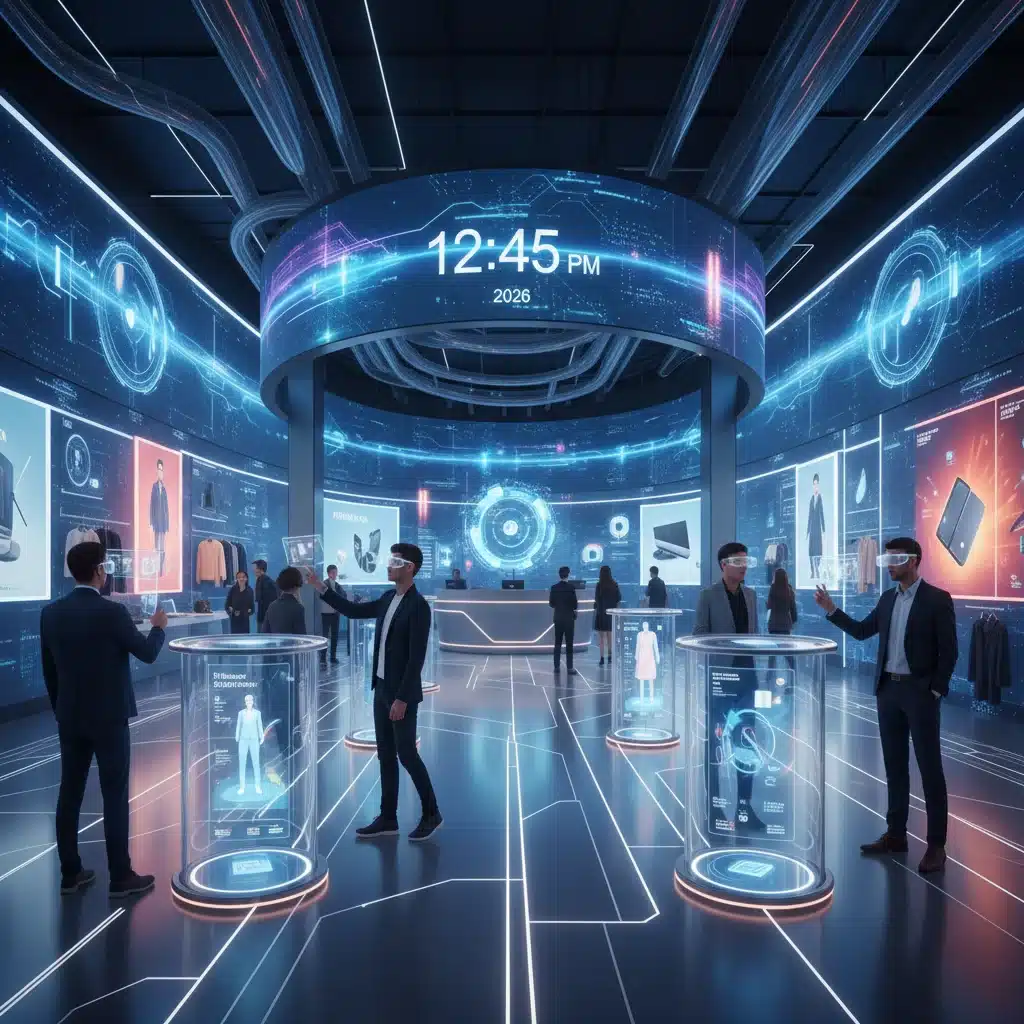
The promise of retail edge computing isn’t just about faster data processing; it’s about unlocking a new era of responsiveness, intelligence, and personalization that was previously unimaginable. Imagine smart shelves that instantly detect low stock and reorder, augmented reality (AR) applications that provide real-time product information, or personalized promotions delivered to a customer’s device the moment they enter a specific aisle. These scenarios, once futuristic dreams, are becoming tangible realities thanks to the power of edge computing. This comprehensive guide will delve into the intricacies of how edge computing is set to revolutionize retail, exploring its benefits, applications, and the strategic steps retailers must take to harness its full potential.
The Latency Problem: Why Traditional Cloud Falls Short in Retail
Before we dive deeper into the solutions offered by retail edge computing, it’s crucial to understand the challenges it addresses. In a conventional cloud computing setup, data generated at the retail store (e.g., from CCTV cameras, IoT sensors, POS terminals) must travel all the way to a centralized data center, often thousands of miles away, for processing. After processing, the insights or commands then travel back to the store. This round-trip journey introduces significant latency, which can be detrimental to real-time applications.
Consider the impact of latency on critical retail operations:
- Real-time Inventory Management: Delays in updating inventory levels can lead to stockouts or overstocking, impacting sales and customer satisfaction.
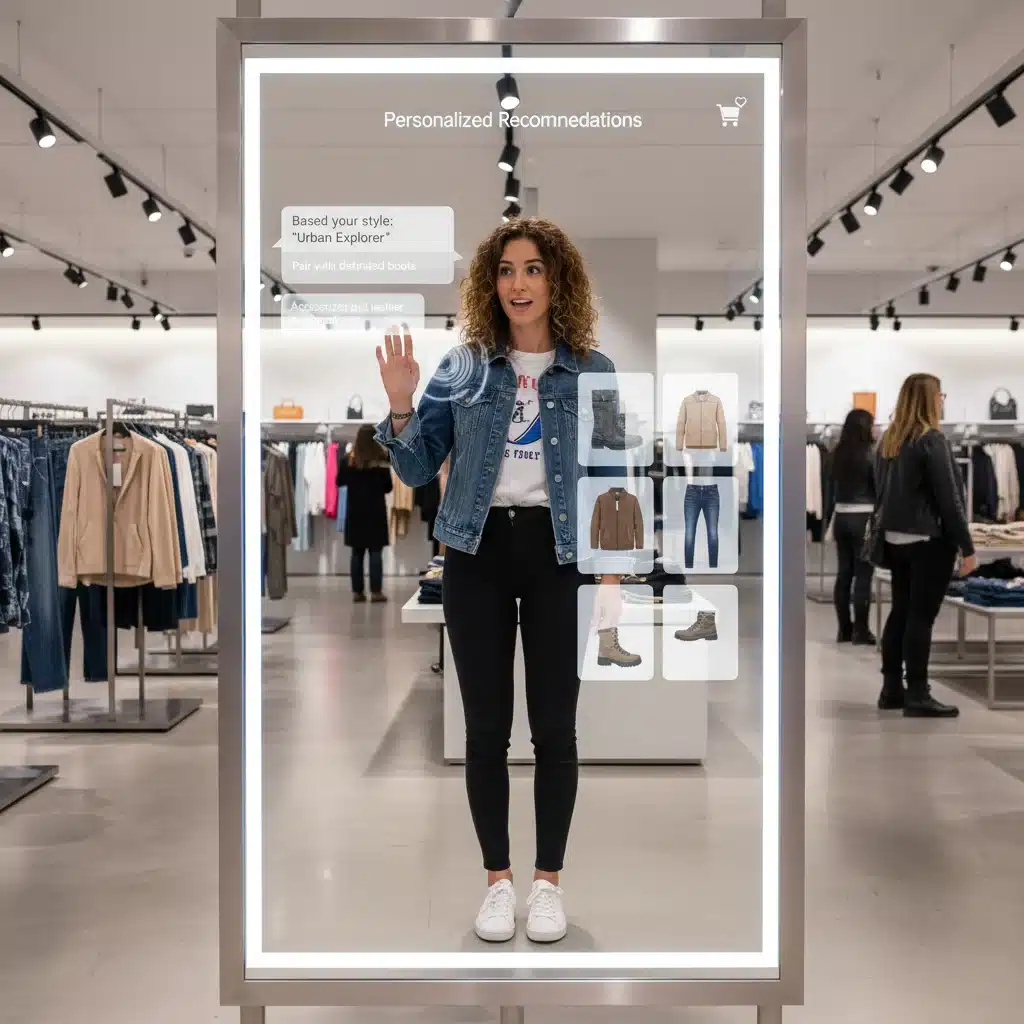
- Personalized Customer Experiences: AR/VR applications, smart mirrors, and personalized digital signage require immediate data processing to deliver relevant content. A lag of even a few seconds can break the immersive experience.
- Loss Prevention and Security: Real-time video analytics to detect theft or suspicious behavior is severely hampered by latency, making proactive intervention difficult.
- Predictive Maintenance: Monitoring equipment like refrigerators or HVAC systems for early signs of failure needs immediate data analysis to prevent costly breakdowns.
- Contactless Payments: While generally fast, any additional latency can frustrate customers and slow down checkout lines.
The cloud, while powerful for large-scale data storage and batch processing, is not inherently designed for the instantaneous, localized decision-making that modern retail demands. This is the fundamental gap that retail edge computing fills, pushing computational power to the very edge of the network, right where the data is created and consumed.
What is Retail Edge Computing and How Does it Work?
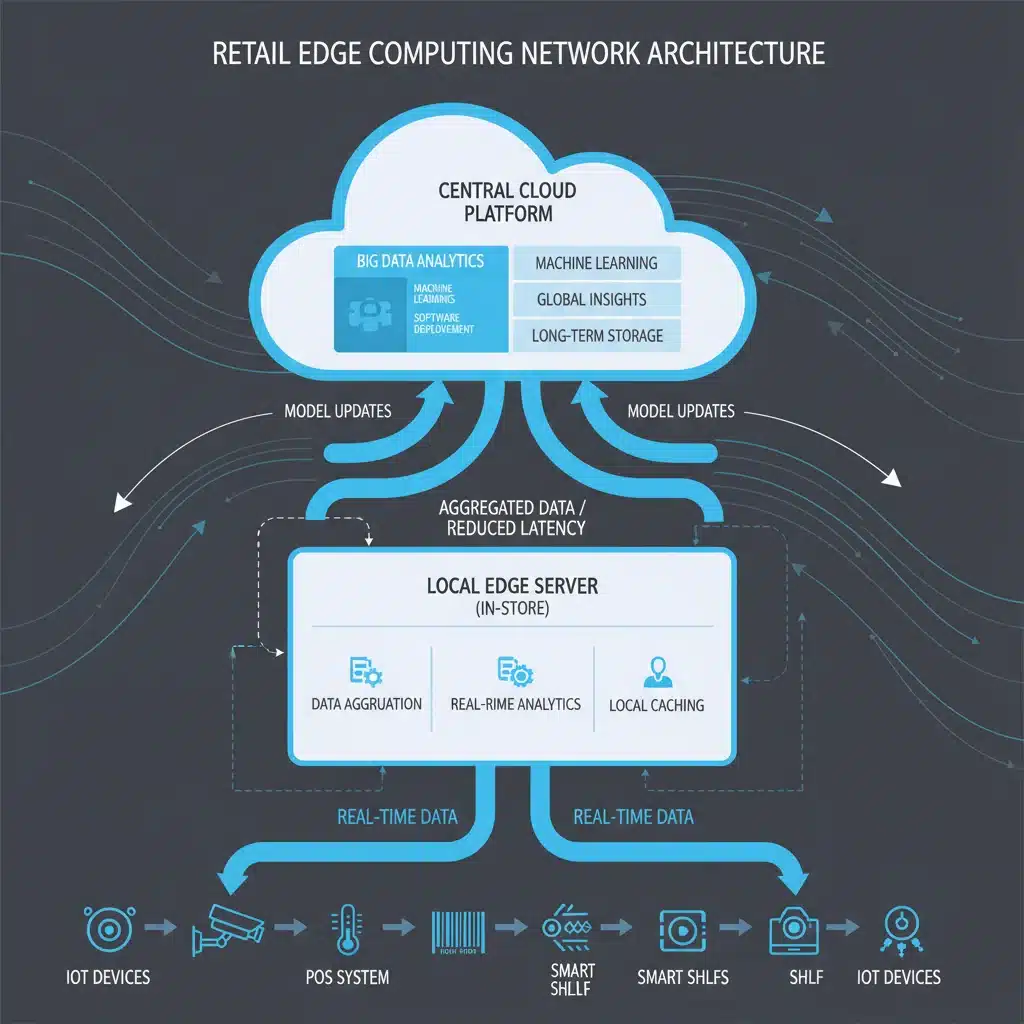
At its core, retail edge computing involves processing data closer to its source, rather than sending it all to a remote cloud server. In a retail context, this means deploying small, localized data centers or computing devices (edge servers, gateways, or even enhanced IoT devices) within the store itself, or at a nearby micro-data center. These edge devices collect, process, and analyze data generated by in-store sensors, cameras, POS systems, and other IoT devices.
The workflow typically involves:
- Data Generation: IoT devices, cameras, and sensors in the store continuously generate vast amounts of data.
- Local Processing: This data is immediately fed to edge servers or gateways located within the store. These devices perform initial processing, filtering, and analysis.
- Real-time Action: Based on the local analysis, immediate actions can be triggered (e.g., adjusting store lighting, sending a personalized offer, alerting staff to a security issue).
- Selective Cloud Upload: Only aggregated, summarized, or critical data is then sent to the central cloud for long-term storage, deeper analytics, and broader strategic insights. This significantly reduces network bandwidth usage and cloud storage costs.
This distributed architecture dramatically reduces the distance data has to travel, thereby slashing latency. Experts predict that this approach can reduce latency by as much as 30% or even more, making real-time applications truly feasible and responsive. The implications for customer experience and operational efficiency are profound.
Key Benefits of Implementing Retail Edge Computing
The strategic adoption of retail edge computing offers a multitude of benefits that directly address the pain points of modern retail and open doors to unprecedented opportunities:
1. Drastically Reduced Latency and Enhanced Real-time Capabilities
As highlighted, the primary advantage is the significant reduction in latency. By processing data locally, decisions can be made in milliseconds rather than seconds. This is critical for:
- Instantaneous AR/VR Experiences: Delivering fluid, immersive shopping experiences without frustrating delays.
- Responsive Digital Signage: Changing promotions or product information based on real-time customer demographics or inventory levels.
- Proactive Security: Detecting and responding to security threats in real-time, minimizing potential losses.
- Seamless Automated Checkout: Speeding up self-service and frictionless payment systems.
2. Superior In-Store Customer Experiences
Edge computing empowers retailers to craft highly personalized and engaging in-store journeys:
- Personalized Recommendations: Smart mirrors and kiosks can analyze customer preferences and browsing history (if opted-in) to offer tailored product suggestions instantly.
- Interactive Product Information: Customers can use their phones or in-store devices to get detailed product information, reviews, and even virtual try-ons without delay.
- Optimized Store Layouts: Real-time foot traffic analysis helps optimize product placement and staffing, improving customer flow and reducing wait times.
- Contextual Offers: Delivering hyper-relevant promotions to customers’ devices as they browse specific aisles.
3. Enhanced Operational Efficiency and Cost Savings
Beyond customer experience, retail edge computing streamlines back-end operations:
- Optimized Inventory Management: Real-time stock tracking minimizes overstocking, prevents stockouts, and reduces waste. Automated reordering processes become more accurate and efficient.
- Predictive Maintenance: Monitoring equipment performance locally allows for proactive maintenance, preventing costly downtime and extending asset lifespan.
- Reduced Bandwidth Costs: By processing data at the edge and sending only essential insights to the cloud, retailers can significantly reduce their network bandwidth consumption and associated cloud storage costs.
- Energy Management: Real-time monitoring and adjustment of lighting, HVAC, and refrigeration systems based on occupancy and external conditions.
4. Improved Security and Data Privacy
Processing sensitive data locally at the edge can enhance security and privacy:
- Data Minimization: Less sensitive data needs to be transmitted to the cloud, reducing the attack surface.
- Compliance: Easier to comply with data residency regulations by keeping certain data within geographical boundaries.
- Enhanced Anonymization: Data can be anonymized or aggregated at the edge before being sent to the cloud, further protecting customer privacy.
5. Business Continuity and Reliability
Edge computing provides a layer of resilience. If the connection to the central cloud is temporarily lost, critical in-store operations can continue uninterrupted because processing happens locally. This ensures that POS systems, security cameras, and basic inventory functions remain operational, minimizing disruption and potential revenue loss.
Key Applications of Edge Computing in Retail by 2026
The applications of retail edge computing are vast and continue to expand as technology evolves. By 2026, we can expect to see widespread adoption across several critical areas:
1. Real-time Video Analytics for Loss Prevention and Customer Insights
High-definition cameras combined with edge AI processors can analyze video feeds in real-time to detect suspicious activities, identify queue lengths, measure foot traffic patterns, and even gauge customer sentiment. This immediate analysis allows for:
- Proactive Security Alerts: Identifying potential shoplifters or unusual behavior instantly.
- Optimized Staffing: Adjusting staff levels based on real-time customer flow to reduce wait times.
- Heat Mapping: Understanding popular areas of the store and optimizing product placement.
2. Smart Shelves and Inventory Automation
IoT-enabled smart shelves can monitor stock levels, detect misplaced items, and even track product interactions. Edge devices process this data to:
- Automate Reordering: Triggering orders when stock falls below a certain threshold.
- Prevent Stockouts: Alerting staff to low stock on popular items.
- Reduce Waste: Especially for perishable goods, by identifying items nearing their expiry date.
3. Personalized Digital Signage and Experiential Retail
Digital screens and interactive displays are becoming more intelligent. With edge computing, these can deliver highly personalized content:
- Dynamic Promotions: Displaying ads tailored to the demographics or preferences of customers currently in view (anonymously, of course).
- Interactive Kiosks: Providing detailed product information, virtual try-ons, or styling advice instantly.
- Augmented Reality (AR) Shopping: Allowing customers to visualize products in their home or try on clothes virtually with minimal lag.
4. Automated and Frictionless Checkout
The rise of cashier-less stores and self-checkout systems heavily relies on edge computing for real-time object recognition and transaction processing. Cameras and sensors track items as customers pick them up, and edge systems calculate the total bill instantly, enabling a truly frictionless shopping experience.
5. Predictive Maintenance for Store Infrastructure
Monitoring the performance of HVAC systems, refrigeration units, lighting, and other critical infrastructure locally allows for early detection of anomalies. Edge analytics can predict potential failures, enabling maintenance teams to intervene before a costly breakdown occurs, ensuring optimal store conditions and preventing product spoilage.
Challenges and Considerations for Retailers Adopting Edge Computing
While the benefits of retail edge computing are compelling, its implementation is not without challenges. Retailers must carefully consider several factors for a successful deployment:
1. Initial Investment and Infrastructure Costs
Deploying edge servers, specialized hardware, and upgrading network infrastructure can require a significant upfront investment. Retailers need to conduct thorough cost-benefit analyses to justify these expenditures.
2. Complexity of Deployment and Management
Managing a distributed network of edge devices across numerous store locations can be complex. It requires robust tools for remote monitoring, updates, and troubleshooting. A strong IT team or a reliable managed service provider is crucial.
3. Data Security and Privacy Concerns
While edge computing can enhance security, it also introduces new attack vectors at the edge. Robust cybersecurity measures, including encryption, access controls, and regular audits, are essential. Adherence to data privacy regulations (e.g., GDPR, CCPA) must be meticulously planned, especially when dealing with customer data.
4. Integration with Existing Systems
Edge solutions must seamlessly integrate with existing POS systems, inventory management software, CRM platforms, and cloud infrastructure. Interoperability and API-driven approaches are key to avoiding data silos and ensuring a unified view of operations.
5. Skill Gap and Talent Acquisition
Implementing and maintaining edge computing solutions requires specialized skills in areas like IoT, AI/ML, network engineering, and cybersecurity. Retailers may face challenges in finding and retaining talent with these expertise.
The Road Ahead: Strategic Steps for Retailers by 2026
To successfully integrate retail edge computing and reap its transformative benefits by 2026, retailers should consider the following strategic steps:
1. Define Clear Use Cases and Business Objectives
Start by identifying specific pain points or opportunities where edge computing can deliver the most significant impact. Whether it’s reducing shrinkage, enhancing personalized marketing, or optimizing inventory, clear objectives will guide the implementation strategy.
2. Pilot Programs and Scaled Rollouts
Begin with pilot programs in a few select stores to test the technology, gather feedback, and refine the implementation process. This allows for learning and adjustments before a full-scale rollout across the entire retail footprint.
3. Invest in Robust Infrastructure and Connectivity
Ensure that stores have the necessary network infrastructure (e.g., reliable Wi-Fi 6, 5G connectivity) and power capabilities to support edge devices. Invest in scalable and secure edge hardware that can handle the processing demands.
4. Prioritize Data Governance and Security
Develop a comprehensive data governance strategy that addresses data collection, processing, storage, and privacy at the edge. Implement end-to-end security measures to protect sensitive information and ensure compliance with all relevant regulations.
5. Foster Strategic Partnerships
Collaborate with technology vendors, system integrators, and managed service providers who specialize in edge computing and retail solutions. These partnerships can provide expertise, accelerate deployment, and ensure ongoing support.
6. Upskill and Reskill Your Workforce
Invest in training programs for existing staff to manage and leverage edge technologies. This includes IT personnel, store managers, and even customer service representatives who will interact with new edge-powered tools.
7. Embrace a Hybrid Cloud Strategy
Recognize that edge computing is not a replacement for the cloud but rather a complementary technology. A hybrid cloud strategy, where edge handles real-time local processing and the cloud manages long-term storage, deep analytics, and strategic decision-making, offers the most robust and flexible solution.
Conclusion: Edge Computing – The Future of Responsive Retail
The future of retail is undeniably digital, experiential, and instantaneous. As consumer expectations continue to soar, the ability to deliver hyper-personalized, seamless, and lightning-fast in-store experiences will be the ultimate differentiator. Retail edge computing is not merely an optional upgrade; it is a fundamental pillar for any retailer aiming to remain competitive and relevant in the coming years. By proactively embracing this technology, retailers can achieve the critical 30% reduction in latency, transforming their operations from reactive to proactive, and their customer interactions from generic to genuinely engaging.
By 2026, the retail landscape will be dominated by those who have successfully leveraged edge computing to create intelligent, responsive, and resilient store environments. The time for retailers to invest in this transformative technology is now, securing their place at the forefront of innovation and delivering unparalleled value to their customers.