Sustainable Retail Trends: Meeting Consumer Eco-Expectations by 2026
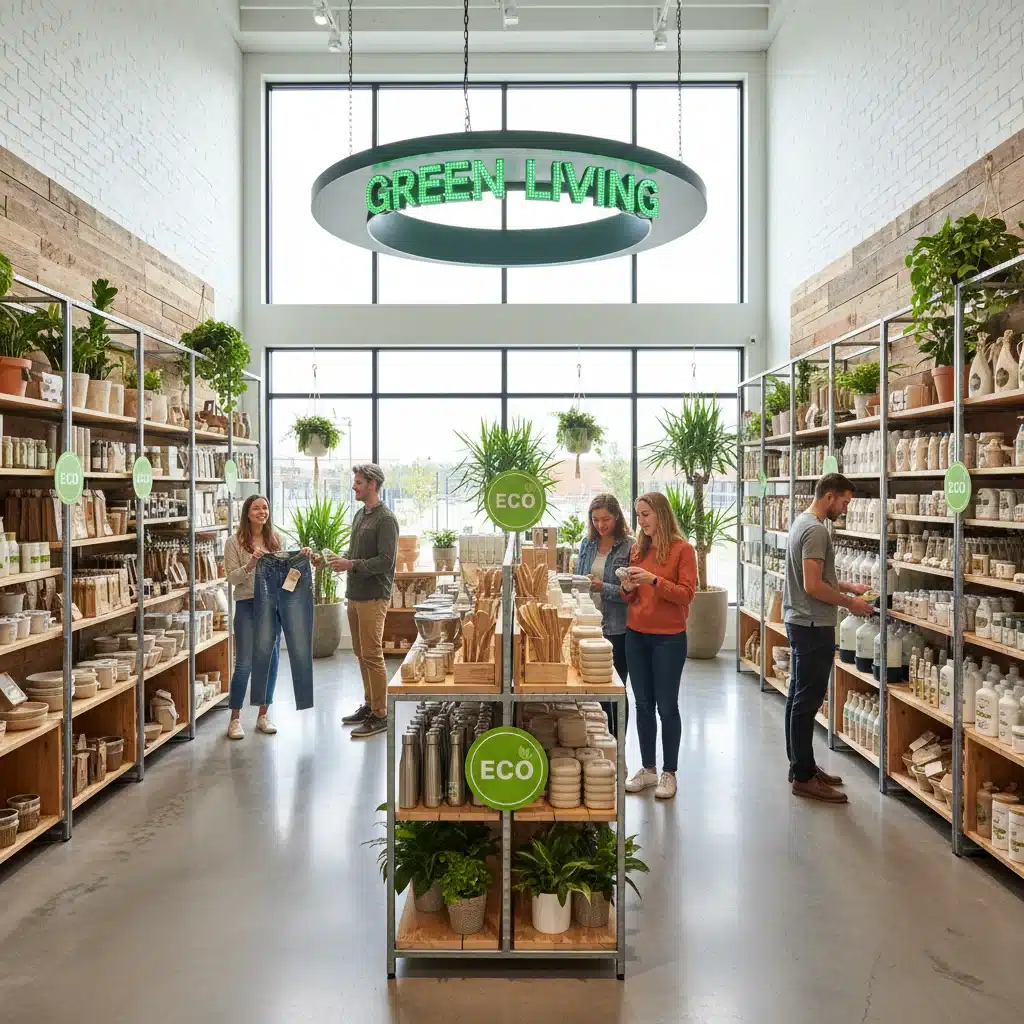
The Green Revolution: How Sustainable Retail Trends Are Reshaping Consumer Expectations
The retail industry is undergoing a profound transformation, driven by an undeniable shift in consumer values. No longer a niche concern, sustainability has moved to the forefront of purchasing decisions, with a significant quarter of US consumers expected to prioritize eco-friendly options by March 2026. This isn’t merely a fleeting trend; it’s a fundamental recalibration of what consumers demand from the brands they support. Businesses that fail to adapt risk not only losing market share but also becoming irrelevant in an increasingly conscious marketplace. Understanding and embracing these sustainable retail trends is no longer optional; it’s a strategic imperative for long-term success.
The Rising Tide of Eco-Consciousness: Why Consumers Demand Sustainability
The statistics speak for themselves. Reports from various market research firms consistently highlight a growing consumer preference for sustainable products and ethical business practices. This surge in eco-consciousness is fueled by a combination of factors:
- Increased Environmental Awareness: Consumers are more informed than ever about climate change, pollution, and resource depletion. Documentaries, news cycles, and social media have brought these issues to the forefront, fostering a sense of urgency and responsibility.
- Ethical Considerations: Beyond environmental impact, consumers are scrutinizing the entire supply chain. They want to know that products are made without exploiting labor, that animals are treated humanely, and that raw materials are sourced responsibly.
- Health and Wellness: There’s a strong correlation between sustainability and personal well-being. Products free from harmful chemicals, made with natural ingredients, and packaged responsibly often align with a healthier lifestyle, appealing to a segment of consumers seeking holistic wellness.
- Generational Shift: Younger generations, particularly Millennials and Gen Z, have grown up with environmental concerns as a constant backdrop. For them, sustainability is not a luxury but a baseline expectation. They are more likely to research brands’ environmental credentials and vote with their wallets.
- Brand Trust and Reputation: In an era of increasing transparency, a brand’s commitment to sustainability can significantly enhance its reputation and build trust. Conversely, greenwashing or a lack of environmental effort can quickly erode consumer loyalty.
This evolving consumer mindset means that retailers must proactively integrate sustainability into every facet of their operations, from product design and sourcing to packaging and end-of-life solutions. Ignoring these shifts is akin to ignoring a fundamental market demand.
Defining Sustainable Retail: More Than Just Green Products
What exactly does "sustainable retail" entail? It’s far more comprehensive than simply selling a few "green" products. Sustainable retail encompasses a holistic approach to business that minimizes negative environmental, social, and economic impacts while maximizing positive contributions. Key pillars include:
- Ethical Sourcing: Ensuring that raw materials are obtained responsibly, without contributing to deforestation, habitat destruction, or human rights abuses. This involves rigorous supply chain transparency and auditing.
- Eco-Friendly Production: Implementing manufacturing processes that reduce energy consumption, water usage, and waste generation. This can include using renewable energy, closed-loop systems, and non-toxic chemicals.
- Sustainable Product Design: Creating products that are durable, repairable, recyclable, or compostable at the end of their life cycle. This minimizes waste and extends the product’s utility.
- Reduced Packaging: Minimizing packaging waste through innovative designs, recycled content, recyclable materials, and encouraging reusable options.
- Energy Efficiency: Operating retail spaces, warehouses, and transportation networks with a focus on energy conservation, utilizing renewable energy sources where possible.
- Waste Reduction and Recycling Programs: Implementing comprehensive waste management strategies, including recycling programs for both operational waste and consumer returns.
- Social Responsibility: Ensuring fair labor practices, safe working conditions, and contributing positively to local communities.
- Transparency and Communication: Openly sharing sustainability efforts and progress with consumers, avoiding greenwashing, and educating customers on sustainable choices.
Embracing these principles is what truly defines a sustainable retailer and allows them to effectively capitalize on the growing demand for eco-conscious options. These sustainable retail trends are not just buzzwords but actionable frameworks for a better future.
Key Sustainable Retail Trends to Watch by 2026
As we approach 2026, several sustainable retail trends are gaining significant momentum and will define the competitive landscape. Retailers must pay close attention to these areas to remain relevant and attractive to the evolving consumer base:
1. The Circular Economy Model: From Linear to Loop
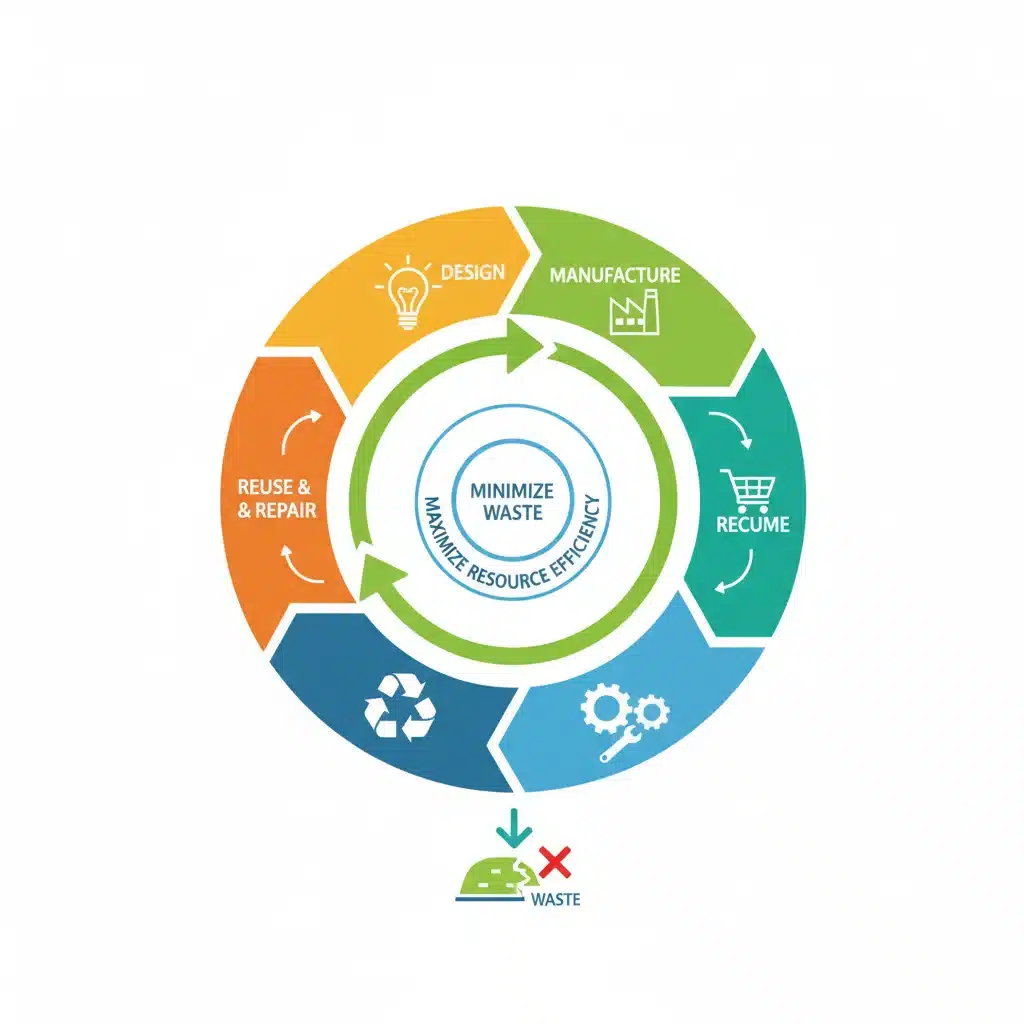
The traditional linear "take-make-dispose" model is unsustainable. The circular economy, which aims to keep resources in use for as long as possible, extract the maximum value from them whilst in use, then recover and regenerate products and materials at the end of each service life, is becoming a cornerstone of sustainable retail. This trend manifests in several ways:
- Repair and Maintenance Services: Brands are increasingly offering repair services for their products, encouraging longevity and reducing the need for new purchases.
- Resale and Second-Hand Markets: The booming popularity of platforms for buying and selling pre-owned goods (clothing, electronics, furniture) demonstrates a strong consumer appetite for extending product lifecycles. Retailers are either partnering with these platforms or launching their own.
- Rental and Subscription Models: For items with infrequent use (e.g., formal wear, tools, baby gear), rental services provide access without ownership, reducing overall consumption.
- Take-Back and Recycling Programs: Retailers are implementing programs where consumers can return used products (e.g., electronics, apparel, beauty product packaging) for proper recycling or upcycling.
Embracing the circular economy offers not only environmental benefits but also new revenue streams and enhanced customer loyalty.
2. Radical Transparency and Traceability
Consumers are demanding to know the story behind their products. Where did the materials come from? Who made it? What is its environmental footprint? Retailers are responding by providing unprecedented levels of transparency:
- Supply Chain Mapping: Utilizing blockchain and other technologies to track products from raw material to finished good, ensuring ethical sourcing and production.
- Product Footprinting: Providing clear information on carbon footprint, water usage, and social impact directly on product labels or through QR codes.
- Impact Reporting: Publishing detailed sustainability reports, setting measurable goals, and openly sharing progress (or challenges) with the public.
Authenticity and honesty are key. Consumers can spot greenwashing from a mile away, making genuine transparency crucial for building trust.
3. Sustainable Packaging Innovations
Packaging waste is a visible and tangible environmental problem. Retailers are investing heavily in innovative solutions:
- Biodegradable and Compostable Materials: Shifting away from traditional plastics to materials that break down naturally.
- Recycled Content: Using post-consumer recycled (PCR) materials in packaging to close the loop on plastic waste.
- Minimalist Design: Reducing unnecessary packaging and focusing on efficient, protective designs.
- Reusable and Refillable Systems: Offering products in containers that can be refilled in-store or through subscription services, significantly cutting down on single-use waste.
- Packaging-Free Options: "Naked" products, especially in beauty and personal care, are gaining popularity, allowing consumers to purchase without any packaging at all.
These packaging innovations are critical for reducing environmental impact and meeting consumer expectations for eco-friendly product delivery.
4. Energy Efficiency and Renewable Energy in Operations
The environmental footprint of retail operations extends beyond the products themselves. Energy consumption in stores, warehouses, and logistics is a major contributor to greenhouse gas emissions. Retailers are addressing this through:
- LED Lighting and Smart Building Systems: Upgrading facilities with energy-efficient lighting, HVAC, and smart controls to reduce energy use.
- On-Site Renewable Energy: Installing solar panels on store rooftops and warehouses to generate clean energy.
- Purchasing Renewable Energy Credits (RECs): Sourcing renewable energy from off-site providers to power operations.
- Optimized Logistics: Improving delivery routes, utilizing electric vehicles, and consolidating shipments to reduce fuel consumption and emissions.
These operational shifts not only reduce environmental impact but can also lead to significant cost savings in the long run, further bolstering the case for these sustainable retail trends.
5. Ethical Labor Practices and Social Impact
Sustainability is not just about the environment; it also encompasses social responsibility. Consumers are increasingly aware of labor conditions in global supply chains and expect brands to uphold ethical standards:
- Fair Wages and Working Conditions: Ensuring that all workers in the supply chain, from farmers to factory employees, receive fair compensation and work in safe environments.
- Community Engagement: Investing in local communities where products are sourced or manufactured, supporting education, healthcare, and economic development.
- Diversity, Equity, and Inclusion (DEI): Promoting diverse and inclusive workplaces within their own organizations and throughout their supply chains.
- Certifications: Obtaining third-party certifications (e.g., Fair Trade, B Corp) to validate their commitment to social responsibility.
A strong social impact strategy resonates deeply with conscious consumers and strengthens brand loyalty.
Strategies for Retailers to Meet 2026 Consumer Expectations
Meeting the rising tide of sustainable consumer expectations by March 2026 requires a proactive and integrated approach. Here are actionable strategies for retailers:
1. Conduct a Comprehensive Sustainability Audit
Before implementing changes, understand your current footprint. A thorough audit should assess:
- Supply Chain: Identify key suppliers, material origins, and potential risks (environmental and social).
- Operations: Analyze energy consumption, water usage, waste generation, and logistics emissions.
- Products: Evaluate product lifecycle, materials, design for durability/recyclability, and packaging.
- Stakeholder Engagement: Gather input from employees, customers, and community partners.
This audit provides a baseline and helps prioritize areas for improvement.
2. Set Clear, Measurable, and Ambitious Goals
Vague commitments are no longer sufficient. Set specific, measurable, achievable, relevant, and time-bound (SMART) goals. Examples include:
- Reducing carbon emissions by X% by 202X.
- Sourcing Y% of materials from certified sustainable sources by 202X.
- Achieving Z% recyclable or compostable packaging by 202X.
- Implementing a take-back program for product category A by 202X.
Regularly track progress and report on your achievements and challenges.
3. Invest in Sustainable Innovation
Sustainability is a catalyst for innovation. Retailers should invest in:
- Material Science: Researching and adopting new, eco-friendly materials (e.g., mycelium, recycled ocean plastic, bio-based fabrics).
- Process Optimization: Implementing new technologies and methodologies to reduce resource consumption in manufacturing and operations.
- Circular Business Models: Exploring and piloting repair services, rental programs, or resale platforms.
- Packaging Alternatives: Partnering with innovators to develop cutting-edge sustainable packaging solutions.
Staying at the forefront of sustainable innovation provides a competitive edge.
4. Educate and Engage Your Customers
Consumers want to make sustainable choices, but they often need guidance. Retailers can facilitate this by:
- Clear Labeling: Providing easy-to-understand information on product sustainability features (e.g., recycled content, organic, fair trade).
- In-Store and Online Education: Creating content that explains the benefits of sustainable products and how to make eco-friendly choices.
- Community Building: Fostering a community around shared sustainability values through events, workshops, or online forums.
- Incentivizing Sustainable Behavior: Offering discounts for bringing reusable bags, participating in take-back programs, or choosing slower, greener shipping options.
Empowering customers to make informed decisions strengthens their connection to your brand.
5. Collaborate Across the Value Chain
No single retailer can solve the sustainability challenge alone. Collaboration is essential:
- Supplier Partnerships: Working closely with suppliers to ensure they meet sustainability standards and to jointly develop greener materials and processes.
- Industry Alliances: Joining industry groups and initiatives focused on collective sustainability goals (e.g., fashion pacts, plastic reduction commitments).
- Cross-Sector Collaboration: Partnering with technology providers, NGOs, and even competitors to drive systemic change.
Collective action amplifies impact and accelerates progress towards a more sustainable retail ecosystem.
The Business Case for Sustainable Retail
Beyond ethical considerations, there’s a compelling business case for embracing sustainable retail trends:
- Enhanced Brand Reputation and Loyalty: Sustainable brands often enjoy higher customer trust and advocacy, leading to stronger loyalty and repeat purchases.
- Increased Market Share: As consumer preference shifts, brands that align with these values will capture a larger share of the market.
- Cost Savings: Energy efficiency, waste reduction, and optimized resource use can lead to significant operational cost savings.
- Risk Mitigation: Proactive sustainability efforts can mitigate risks associated with regulatory changes, supply chain disruptions, and reputational damage.
- Attracting and Retaining Talent: Employees, particularly younger generations, are increasingly seeking purpose-driven work. Sustainable companies are more attractive employers.
- Innovation and Competitive Advantage: A focus on sustainability often sparks innovation, leading to new products, services, and business models that differentiate a brand.
- Investor Appeal: Investors are increasingly integrating ESG (Environmental, Social, and Governance) factors into their decision-making, favoring companies with strong sustainability performance.
The transition to sustainable retail is not an expense; it’s an investment in the future viability and profitability of a business.
Challenges and How to Overcome Them
While the benefits are clear, the path to sustainable retail is not without its challenges:
- Cost of Implementation: Initial investments in sustainable materials, technologies, and processes can be significant. However, long-term savings and increased revenue often offset these costs.
- Supply Chain Complexity: Tracing and auditing global supply chains for sustainability can be daunting. Collaboration and technology are key to overcoming this.
- Greenwashing: The temptation to make unsubstantiated sustainability claims is real. Retailers must be genuine and transparent to avoid backlash.
- Consumer Education: While consumers want sustainable options, they may not always understand the nuances or be willing to pay a premium. Clear communication and value proposition are crucial.
- Regulatory Landscape: Evolving regulations around packaging, waste, and emissions can be challenging to navigate. Staying informed and proactive is essential.
Overcoming these challenges requires strategic planning, commitment from leadership, and a willingness to adapt and innovate.
The Future of Retail is Green
The shift towards sustainable retail is irreversible. The expectation that 25% of US consumers will actively seek eco-friendly options by March 2026 is a clear signal that the market is evolving rapidly. Retailers who embrace these sustainable retail trends—from circular economy models and radical transparency to ethical labor practices and energy efficiency—will not only meet consumer demands but also build more resilient, reputable, and profitable businesses. The future of retail is not just about selling products; it’s about selling values, responsibility, and a commitment to a healthier planet. Businesses that fail to recognize this fundamental shift will find themselves increasingly marginalized in a world that demands better.
Conclusion
The journey towards full sustainability is continuous, but the time to act is now. By integrating sustainable practices into their core business strategy, retailers can transform challenges into opportunities, foster deeper consumer relationships, and contribute meaningfully to a more sustainable future. The 2026 deadline for consumer expectations is fast approaching, and only those who proactively adapt will thrive in the green economy.