Navigating US Data Privacy Regulations: Boost Customer Retention

In an increasingly digital world, data has become the new currency. However, with the proliferation of data comes the imperative of robust protection. For businesses operating in the United States, navigating the evolving landscape of US Data Privacy regulations is not merely a legal obligation but a strategic imperative, particularly when aiming to maintain high customer retention rates. The goal of achieving a 90% customer retention rate by Q3 2026 is ambitious yet attainable for companies that prioritize data privacy and transparency.
The regulatory environment surrounding data privacy in the US is complex, characterized by a patchwork of state-specific laws rather than a single federal framework. This complexity demands a proactive and adaptable approach from businesses. Understanding these nuances and implementing comprehensive compliance strategies are crucial steps toward building and maintaining customer trust, which is the bedrock of long-term customer retention. This article will delve into the intricacies of US Data Privacy regulations, explore their impact on customer relationships, and outline actionable strategies to not only comply but to leverage privacy as a competitive advantage.
The Evolving Landscape of US Data Privacy Regulations
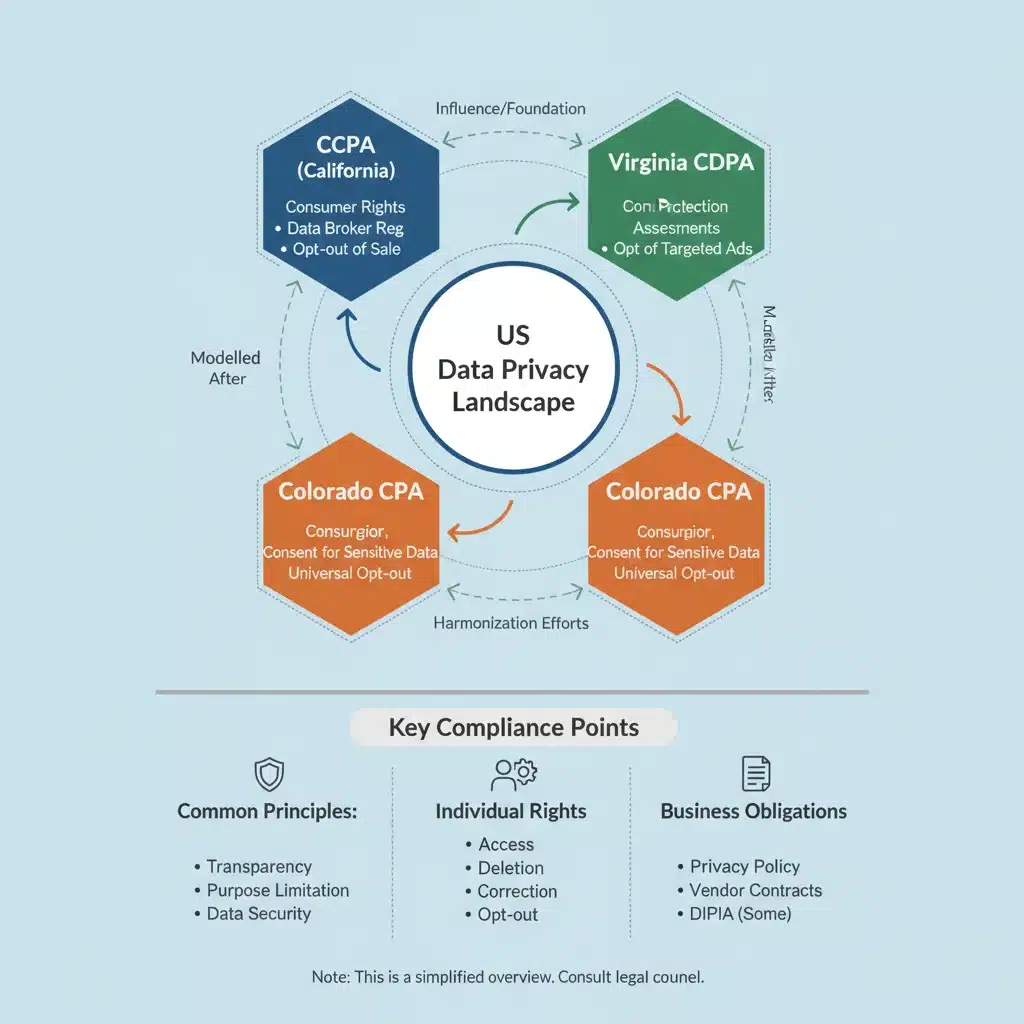
Unlike the European Union’s unified General Data Protection Regulation (GDPR), the United States has adopted a sectoral and state-by-state approach to data privacy. This means businesses must contend with a variety of laws, each with its own scope, requirements, and enforcement mechanisms. The most prominent of these include the California Consumer Privacy Act (CCPA), amended by the California Privacy Rights Act (CPRA), the Virginia Consumer Data Protection Act (VCDPA), the Colorado Privacy Act (CPA), and emerging laws in states like Utah and Connecticut. Each of these laws, while sharing common principles, has distinct provisions that businesses must understand to ensure compliance and protect consumer data effectively.
The CCPA/CPRA, for instance, grants California consumers significant rights over their personal information, including the right to know what data is collected, the right to delete, and the right to opt-out of the sale or sharing of their data. The VCDPA and CPA, while similar in spirit, introduce different definitions and thresholds for applicability, adding layers of complexity for businesses operating nationwide. This fragmented regulatory environment means that a ‘one-size-fits-all’ approach to US Data Privacy compliance is often insufficient. Instead, a comprehensive, multi-layered strategy is required, one that accounts for the most stringent requirements across all applicable jurisdictions.
Beyond these comprehensive state laws, sector-specific regulations also play a critical role. The Health Insurance Portability and Accountability Act (HIPAA) governs health information, while the Children’s Online Privacy Protection Act (COPPA) protects the online privacy of children under 13. Financial institutions must adhere to the Gramm-Leach-Bliley Act (GLBA). Understanding which regulations apply to your business based on the type of data you handle and your operational footprint is the first step towards building a robust privacy program. Failure to comply with these regulations can result in significant financial penalties, reputational damage, and, crucially, a loss of customer trust, directly impacting retention rates.
Impact on Customer Retention: Why Privacy Matters More Than Ever
In today’s digital age, consumers are increasingly aware of the value of their personal data and the risks associated with its mishandling. Data breaches, privacy scandals, and aggressive data monetization practices have eroded consumer trust in many organizations. Conversely, businesses that demonstrate a clear commitment to protecting customer data can differentiate themselves and build stronger, more loyal relationships. For the ambitious goal of a 90% customer retention rate by Q3 2026, prioritizing US Data Privacy is non-negotiable.
Transparency and control are key drivers of customer trust. When customers feel that they have control over their data and that businesses are transparent about how their information is collected, used, and shared, they are more likely to engage positively with that business. This includes providing clear, understandable privacy policies, offering easy-to-use consent mechanisms, and promptly responding to data subject access requests. A study by Cisco found that 86% of consumers care about their data privacy and that privacy-conscious customers are more likely to trust and recommend companies with good privacy practices.
Conversely, privacy missteps can have severe consequences for customer retention. A data breach, for example, not only leads to regulatory fines but also causes a significant drop in customer loyalty. Customers may feel betrayed, leading them to seek out competitors who they perceive as more trustworthy. Even less severe privacy failures, such as unclear data practices or difficult opt-out processes, can frustrate customers and lead them to disengage. Therefore, a robust US Data Privacy strategy is not just about avoiding penalties; it’s about fostering a relationship of trust and respect with your customer base, which directly translates into higher retention rates.
Strategic Pillars for Achieving US Data Privacy Compliance and High Retention
To navigate the complex US Data Privacy landscape effectively and achieve a 90% customer retention rate, businesses need a multi-faceted strategic approach. This involves a combination of legal compliance, technological implementation, and cultural shifts within the organization.
1. Comprehensive Data Mapping and Inventory
The first step in any robust privacy program is to understand what data you collect, where it is stored, how it is used, and who has access to it. This process, known as data mapping or data inventory, is fundamental to compliance with all major US Data Privacy laws. It allows businesses to identify sensitive data, assess risks, and ensure that data processing activities align with legal requirements and customer expectations. Without a clear understanding of your data flows, it’s impossible to implement effective privacy controls or respond accurately to data subject requests.
2. Implementing Privacy by Design and Default
Privacy by Design (PbD) is a concept that advocates for the inclusion of privacy considerations into the design of systems, services, and business practices from the outset, rather than as an afterthought. This proactive approach ensures that privacy protections are embedded into the core of your operations. Similarly, ‘Privacy by Default’ means that the strictest privacy settings are automatically applied to new products or services without requiring users to take action. Adopting PbD principles demonstrates a strong commitment to US Data Privacy, enhancing trust and making compliance more efficient. This approach not only helps meet regulatory requirements but also signals to customers that their privacy is a top priority.
3. Robust Consent Management Frameworks
Many US Data Privacy laws, particularly the CPRA, emphasize consumer consent for certain data processing activities, especially for the sale or sharing of personal information. Implementing a transparent and user-friendly consent management platform (CMP) is crucial. This platform should allow customers to easily understand what data is being collected, for what purpose, and to granularly control their consent preferences. Clear, concise, and accessible consent forms, along with easy opt-out mechanisms, empower customers and build trust, directly contributing to improved retention.
4. Strengthening Data Security Measures
While distinct from privacy, data security is an indispensable component of any effective US Data Privacy strategy. Breaches of security almost invariably lead to privacy violations. Implementing strong technical and organizational security measures – such as encryption, access controls, regular security audits, and employee training on data handling best practices – is essential. Demonstrating a proactive stance on cybersecurity reassures customers that their data is safe, mitigating the risk of trust erosion and churn.
5. Empowering Consumer Rights
A core tenet of modern US Data Privacy laws is empowering consumers with rights over their data. Businesses must establish clear, accessible processes for individuals to exercise these rights, including:
- Right to Know: Consumers can request information about the personal data a business has collected about them.
- Right to Delete: Consumers can request the deletion of their personal data.
- Right to Opt-Out: Consumers can opt-out of the sale or sharing of their personal data.
- Right to Correct: Consumers can request correction of inaccurate personal data.
- Right to Limit Use and Disclosure of Sensitive Personal Information: Applicable under CPRA, allowing consumers to limit the use of certain sensitive data.
Efficiently and respectfully handling these requests is paramount. Delays or difficulties in exercising these rights can lead to customer frustration, complaints, and ultimately, a decision to take their business elsewhere. Streamlining these processes not only ensures compliance but also reinforces a customer-centric approach to privacy, fostering loyalty and trust.
6. Vendor and Third-Party Risk Management
In today’s interconnected business ecosystem, data is often shared with third-party vendors, service providers, and partners. Each of these entities represents a potential privacy risk. US Data Privacy regulations often hold the primary business responsible for the actions of its vendors. Therefore, robust vendor due diligence, contractual agreements that mandate privacy and security standards, and ongoing monitoring of third-party compliance are critical. Ensuring that your entire data supply chain adheres to high privacy standards protects your customers and, by extension, your retention rates.
7. Employee Training and Awareness
Human error remains a leading cause of data breaches and privacy incidents. Regular, comprehensive training for all employees on US Data Privacy policies, procedures, and best practices is essential. This training should cover topics such as identifying and protecting sensitive data, recognizing phishing attempts, handling data subject requests, and understanding the implications of privacy regulations. A privacy-aware workforce is a strong defense against compliance failures and a testament to your organization’s commitment to protecting customer data.
Leveraging Privacy as a Competitive Differentiator
Beyond mere compliance, businesses can proactively leverage their strong US Data Privacy posture as a significant competitive differentiator. In a market where trust is a dwindling commodity, a company known for its unwavering commitment to privacy can attract and retain customers more effectively. This involves clearly communicating your privacy practices to customers, highlighting the measures you take to protect their data, and making privacy a central part of your brand identity.
Consider the potential for ‘privacy-enhancing’ features in your products or services. For example, offering customers more granular control over their data, providing clear dashboards of their data usage, or developing services that minimize data collection by design can significantly enhance customer value. When customers perceive that a company genuinely respects their privacy, they are more likely to remain loyal, advocate for the brand, and even forgive minor service issues, knowing their core trust is intact.
Furthermore, a strong privacy program can open doors to new business opportunities. As more stringent US Data Privacy regulations emerge, businesses that are already compliant and have a reputation for privacy excellence will be preferred partners for other organizations. This proactive approach not only secures existing customer relationships but also positions the business for future growth.
Measuring Success: KPIs for Privacy and Retention
To ensure progress towards the 90% customer retention goal, it’s crucial to establish key performance indicators (KPIs) that link privacy efforts to retention outcomes. These might include:
- Customer Churn Rate: Directly measure the percentage of customers lost over a period.
- Customer Lifetime Value (CLTV): Reflects the total revenue a business can expect from a customer throughout their relationship. Enhanced privacy often leads to higher CLTV.
- Privacy Policy Engagement: Track how often customers access and review your privacy policy. Increased engagement can indicate greater awareness and trust.
- Data Subject Access Request (DSAR) Fulfillment Time: Measure the efficiency and speed of responding to consumer data requests. Faster, smoother processes lead to higher satisfaction.
- Privacy Incidents/Breaches: Monitor the number and severity of privacy incidents. A reduction signifies stronger controls.
- Customer Trust Surveys: Periodically survey customers about their perception of your privacy practices and overall trust in your brand.
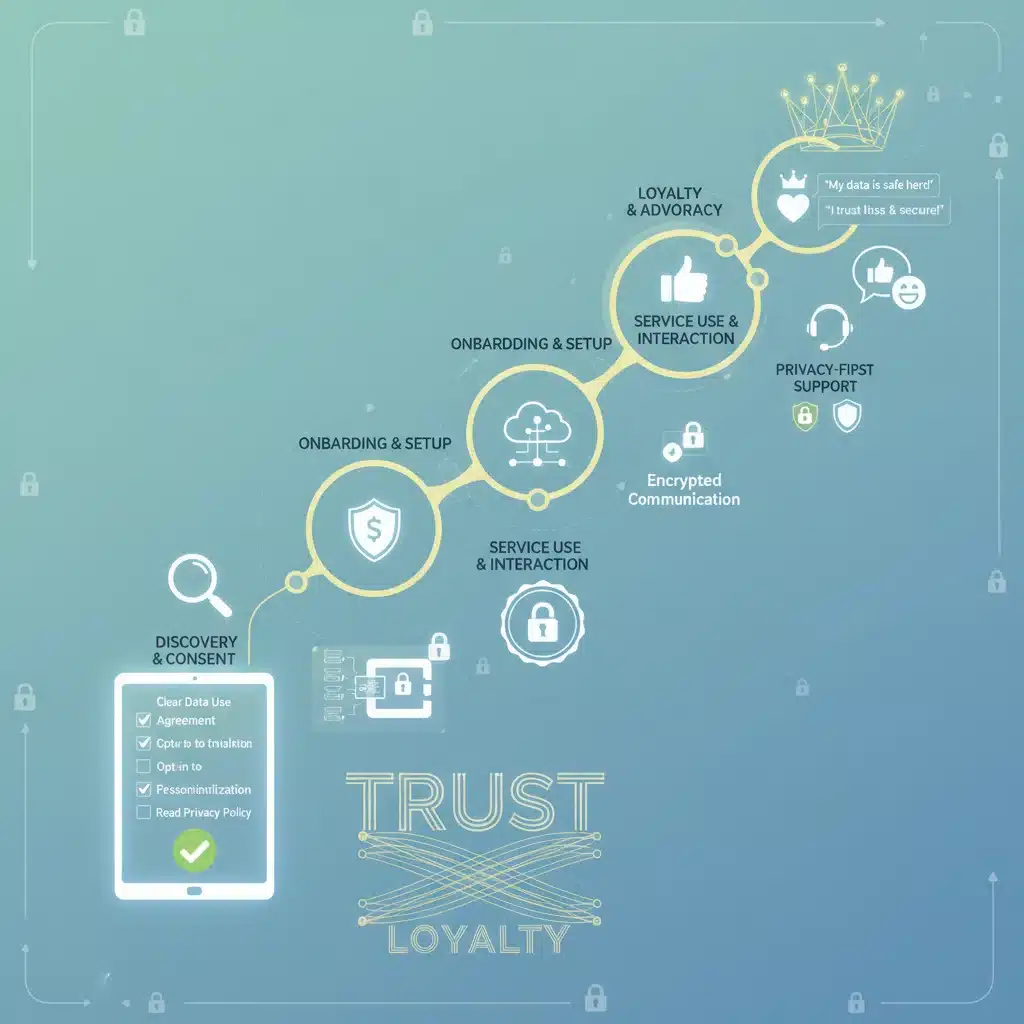
By regularly monitoring these KPIs, businesses can gain insights into the effectiveness of their US Data Privacy strategies and make data-driven adjustments to optimize for both compliance and customer retention. The aim is to create a virtuous cycle where robust privacy practices lead to higher trust, which in turn leads to greater customer loyalty and retention.
The Road Ahead: Preparing for Future US Data Privacy Developments
The US Data Privacy landscape is far from static. We can anticipate continued legislative activity at both federal and state levels. While a comprehensive federal privacy law remains elusive, the trend towards more robust state-level regulations is likely to continue. Businesses must stay abreast of these developments and be prepared to adapt their privacy programs accordingly. This includes actively monitoring legislative proposals, participating in industry discussions, and consulting with legal and privacy experts.
Proactive engagement with privacy regulations positions businesses not just as compliant entities, but as thought leaders and trusted partners. By anticipating future trends and building flexible, scalable privacy programs, companies can ensure long-term success in an increasingly data-driven world. The investment in US Data Privacy is an investment in customer trust, brand reputation, and ultimately, sustainable business growth.
Conclusion
Achieving a 90% customer retention rate by Q3 2026 is an ambitious but entirely achievable goal for businesses that strategically navigate the complex world of US Data Privacy regulations. By prioritizing comprehensive data mapping, implementing privacy by design, establishing robust consent management, strengthening security, empowering consumer rights, managing third-party risks, and fostering a privacy-aware culture, companies can build an unshakeable foundation of trust with their customers.
In an era where data breaches and privacy concerns are commonplace, a business that champions data privacy stands out. It’s not just about avoiding fines; it’s about cultivating loyalty, fostering positive brand perception, and creating a sustainable competitive advantage. The future of business success in the digital age hinges on the ability to not only collect and utilize data effectively but also to protect it with the utmost care and transparency. Embrace US Data Privacy not as a burden, but as a powerful catalyst for unprecedented customer retention and long-term prosperity.