Web3 in DTC Retail: 25% Market Advantage by 2027
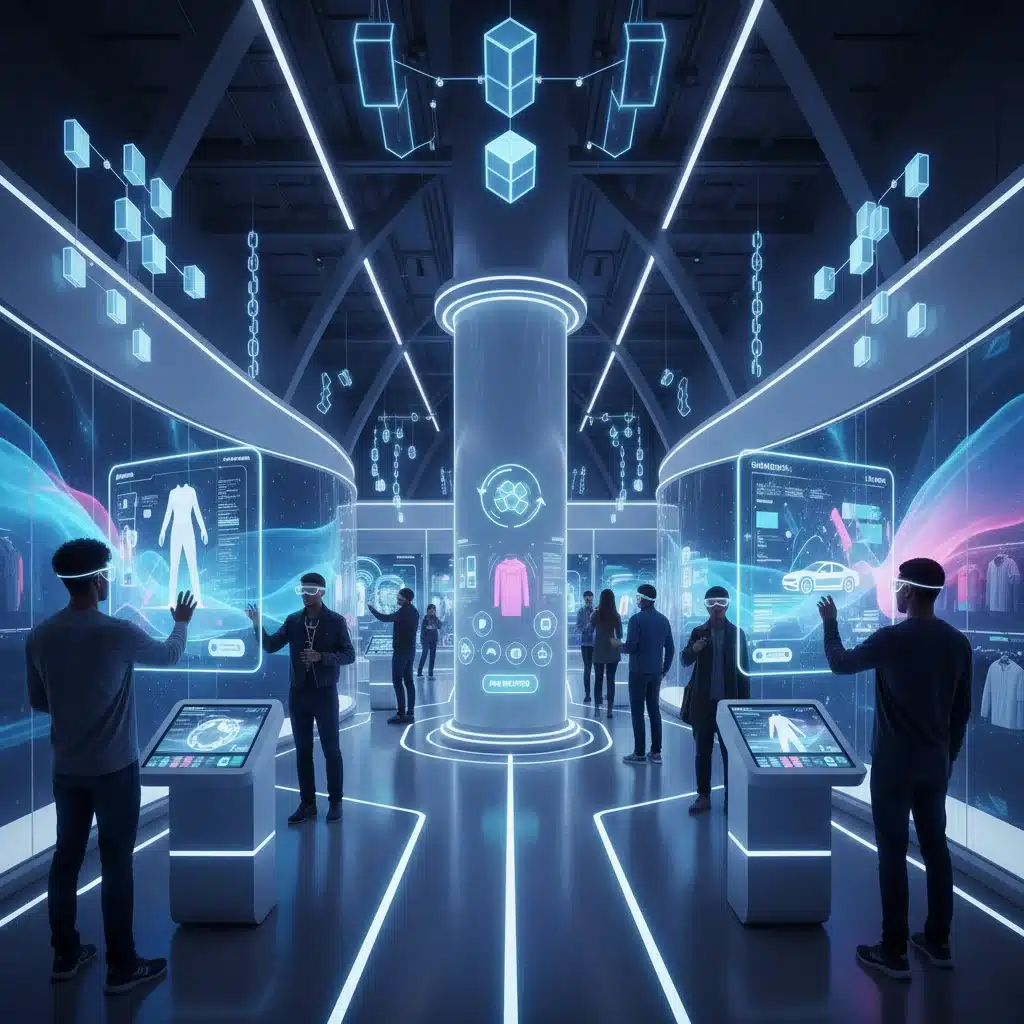
The retail landscape is in a constant state of flux, driven by technological advancements and evolving consumer expectations. In recent years, the Direct-to-Consumer (DTC) model has emerged as a powerful force, allowing brands to forge direct relationships with their customers, control their narrative, and optimize their operations. However, the next wave of disruption is already here, and it’s powered by Web3 technologies. For DTC brands, embracing Web3 isn’t just an option; it’s a strategic imperative that promises a significant competitive edge. This article delves into how early adopters of Web3 DTC Retail are positioned to gain a remarkable 25% market advantage by 2027, exploring the core technologies, their applications, and the transformative impact they will have on the industry.
The Impact of Web3 Technologies on DTC Retail: Opportunities for Early Adopters to Gain a 25% Market Advantage by 2027
The digital revolution has reshaped commerce repeatedly, from the advent of e-commerce to the rise of social media marketing. Now, we stand at the precipice of Web3, an internet built on decentralization, blockchain technology, and user ownership. This paradigm shift offers an unprecedented opportunity for DTC brands to redefine customer engagement, supply chain transparency, and brand loyalty. Those who move swiftly to integrate Web3 principles into their operations will not only survive but thrive, potentially capturing a quarter of the market by leveraging these innovative tools.
Understanding Web3: The Foundation for Future Retail
Before diving into the specifics of its impact on DTC retail, it’s crucial to grasp the fundamental concepts of Web3. Unlike Web2, which is characterized by centralized platforms and data ownership by large corporations, Web3 envisions a decentralized internet where users have greater control over their data and digital assets. This is primarily achieved through:
- Blockchain Technology: A distributed, immutable ledger that records transactions in a secure and transparent manner. This forms the backbone of cryptocurrencies, NFTs, and decentralized applications (dApps).
- Decentralization: Power is distributed among many participants rather than concentrated in a single entity. This fosters transparency, reduces reliance on intermediaries, and enhances security.
- User Ownership: Through digital assets like NFTs and cryptocurrencies, users can truly own parts of the internet, including digital goods, data, and even governance rights within decentralized autonomous organizations (DAOs).
For Web3 DTC Retail, these principles translate into tangible benefits, from enhanced customer trust to innovative revenue streams. The shift from a ‘rented’ digital presence on platforms to an ‘owned’ digital ecosystem provides DTC brands with unprecedented control and flexibility.
Enhanced Customer Engagement and Loyalty through NFTs
Non-Fungible Tokens (NFTs) are perhaps the most talked-about aspect of Web3, and their potential in DTC retail extends far beyond digital art. NFTs can revolutionize customer engagement and loyalty programs by offering unique, verifiable digital assets that provide exclusive benefits. Imagine a DTC fashion brand issuing NFTs that grant holders early access to new collections, exclusive discounts, or even a vote in design decisions. This creates a deeper sense of community and belonging, transforming passive consumers into active participants and brand advocates.
Exclusive Access and VIP Experiences
DTC brands can leverage NFTs to create tiered loyalty programs. For instance, owning a certain NFT could unlock a ‘VIP tier’ with perks like personalized styling sessions, invitations to private events, or direct communication channels with brand founders. This moves beyond traditional points-based systems, offering truly unique and verifiable value that resonates with modern consumers seeking authenticity and exclusivity.
Proof of Ownership and Authenticity
For high-value or limited-edition products, NFTs can serve as digital certificates of authenticity and proof of ownership. This is particularly valuable in markets prone to counterfeiting, such as luxury goods or collectibles. When a customer purchases a physical item, they could also receive a corresponding NFT. This not only verifies the product’s legitimacy but also creates a traceable history, which can increase resale value and build trust in the brand’s commitment to quality and transparency. This integration of digital and physical ownership is a cornerstone of effective Web3 DTC Retail strategies.
Building Community and Governance with DAOs
Decentralized Autonomous Organizations (DAOs) offer a revolutionary way for brands to involve their community in decision-making. By issuing governance tokens, DTC brands can empower their most loyal customers to vote on product development, marketing campaigns, or even charitable initiatives. This level of participation fosters an unparalleled sense of ownership and loyalty, transforming customers into co-creators and stakeholders in the brand’s success. The collective intelligence of a dedicated community can also lead to more innovative and market-aligned product offerings, further solidifying the brand’s position.
Revolutionizing Supply Chains with Blockchain Transparency
One of the most significant challenges in traditional retail is the lack of transparency in supply chains. Consumers are increasingly demanding to know the origin of their products, the ethical practices involved, and the environmental impact. Blockchain technology provides an immutable and transparent ledger that can track every step of a product’s journey, from raw materials to the customer’s doorstep. This level of transparency is a game-changer for Web3 DTC Retail.

End-to-End Traceability
Imagine a customer scanning a QR code on a product and instantly accessing its entire journey: where the cotton was grown, who stitched the garment, its carbon footprint, and even certifications for fair labor practices. Blockchain makes this possible by recording each transaction and movement, creating an unalterable record. This not only builds immense trust with ethically conscious consumers but also helps brands identify and rectify inefficiencies or unethical practices within their supply chain.
Combating Counterfeiting
As mentioned with NFTs, blockchain’s inherent security features make it an effective tool against counterfeiting. By assigning unique digital identities to products and tracking their movement on the blockchain, brands can assure customers of authenticity. This is particularly vital for luxury DTC brands where brand reputation and exclusivity are paramount. The ability to verify a product’s legitimacy at any point in its lifecycle adds a layer of security and confidence that traditional methods struggle to provide.
Optimizing Logistics and Operations
Beyond customer-facing benefits, blockchain can streamline internal logistics. Smart contracts, self-executing contracts with the terms of the agreement directly written into code, can automate payments to suppliers upon delivery verification, manage inventory, and optimize shipping routes. This reduces administrative overhead, minimizes disputes, and accelerates the entire supply chain process, leading to significant cost savings and improved operational efficiency for Web3 DTC Retail businesses.
The Metaverse: A New Frontier for Immersive Shopping Experiences
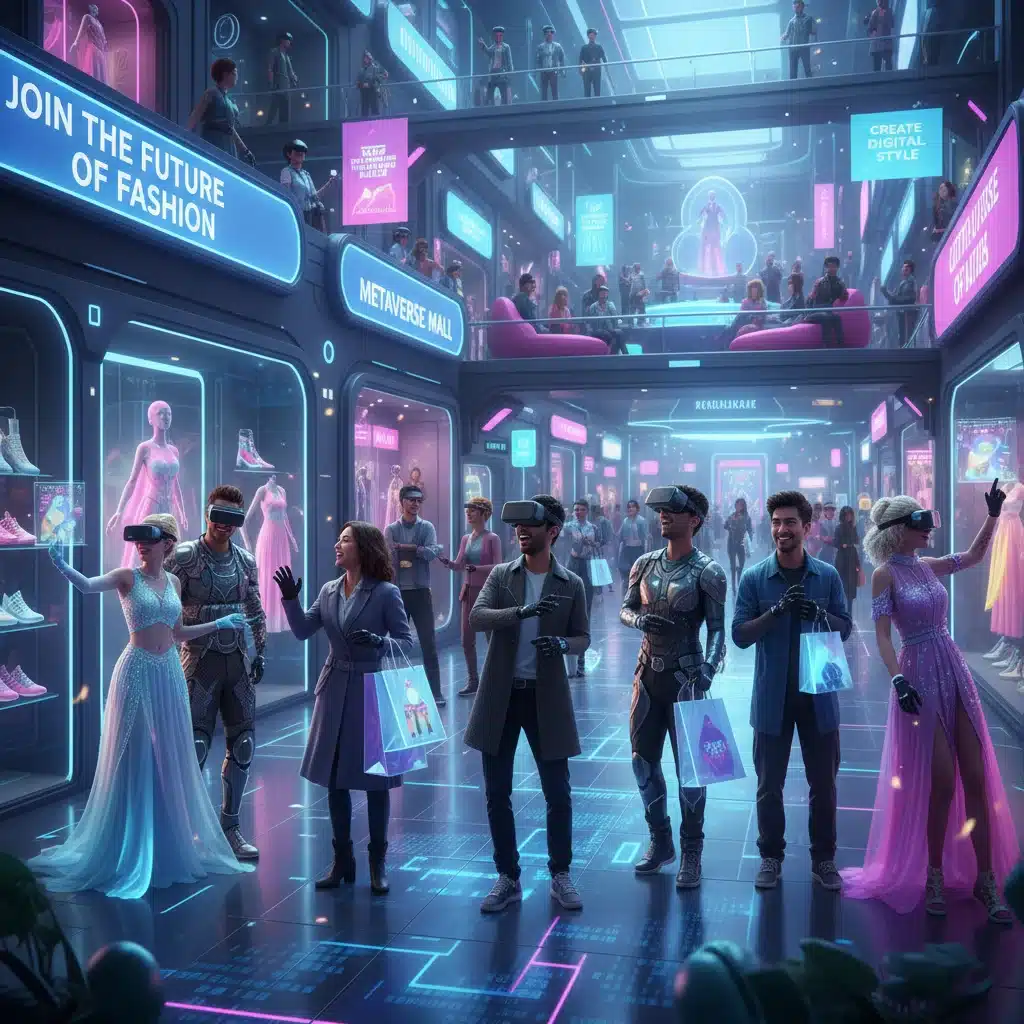
The metaverse represents a persistent, interconnected virtual world where users can interact with each other, digital objects, and brands. For DTC retailers, the metaverse opens up entirely new avenues for immersive shopping experiences that transcend the limitations of traditional e-commerce websites.
Virtual Stores and Showrooms
Instead of browsing static product images, customers can enter a brand’s virtual store in the metaverse, explore 3D models of products, and even ‘try on’ digital clothing using their avatars. This creates a much richer and more engaging shopping experience, allowing customers to visualize products in a dynamic environment before making a purchase. Imagine a furniture DTC brand allowing customers to place virtual furniture in their actual living rooms using augmented reality (AR) within the metaverse, providing an unparalleled sense of fit and style.
Experiential Marketing and Brand Storytelling
The metaverse is an ideal platform for experiential marketing. DTC brands can host virtual events, fashion shows, product launches, or even interactive games that immerse customers in their brand story. This allows for deeper emotional connections and memorable experiences that are difficult to replicate in traditional digital channels. Building a strong narrative within the metaverse can significantly enhance brand perception and foster a loyal customer base for Web3 DTC Retail brands.
Digital Product Sales and Phygital Integration
The metaverse also creates a market for purely digital products, such as avatar skins, virtual accessories, or digital collectibles. DTC brands can design and sell these items, opening up new revenue streams. Furthermore, the concept of ‘phygital’ products – physical items linked to digital twins (NFTs) or metaverse experiences – will become increasingly prevalent. A customer might buy a physical sneaker and receive a corresponding NFT that grants them access to an exclusive virtual club or allows their avatar to wear the digital version of the shoe in the metaverse. This blending of the physical and digital worlds offers unique value propositions.
Challenges and Considerations for Early Adopters
While the opportunities in Web3 DTC Retail are immense, early adoption comes with its own set of challenges that brands must navigate strategically.
Technological Complexity and Integration
Implementing Web3 technologies requires a certain level of technical expertise. Brands will need to invest in skilled developers, understand blockchain protocols, and integrate new systems with existing e-commerce platforms. The learning curve can be steep, and finding the right talent will be crucial.
User Experience and Accessibility
For Web3 to achieve mainstream adoption in DTC retail, the user experience must be seamless and intuitive. Current Web3 interfaces can often be complex, requiring knowledge of crypto wallets and blockchain transactions. Brands must prioritize simplifying these interactions to ensure broad accessibility for all customers, not just crypto enthusiasts.
Regulatory Uncertainty
The regulatory landscape for Web3 technologies, especially cryptocurrencies and NFTs, is still evolving. Brands must stay informed about potential legal and compliance requirements in different jurisdictions to avoid pitfalls. Navigating this uncertainty will require careful legal counsel and a proactive approach.
Security Risks
While blockchain is inherently secure, the broader Web3 ecosystem is not immune to security threats, such as smart contract vulnerabilities or phishing scams. DTC brands must implement robust security measures and educate their customers on best practices to protect their digital assets.
Sustainability Concerns
Some blockchain networks, particularly proof-of-work systems, have faced criticism for their energy consumption. As environmental consciousness grows, DTC brands integrating Web3 must be mindful of their carbon footprint and explore more energy-efficient blockchain solutions (e.g., proof-of-stake) to align with their sustainability goals.
Strategies for Gaining a 25% Market Advantage by 2027
To truly capitalize on the Web3 DTC Retail opportunity and secure a significant market advantage, brands should consider the following strategies:
- Start Small, Learn Fast: Instead of a full-scale overhaul, begin with pilot projects. Launch a limited NFT collection for loyalty, experiment with a small virtual showroom, or integrate blockchain for a specific product’s supply chain. This allows for learning and iteration without significant risk.
- Focus on Value, Not Hype: Web3 adoption should be driven by genuine value creation for the customer and the brand, not just chasing trends. Clearly articulate how Web3 initiatives enhance the customer experience, solve problems, or build stronger communities.
- Educate Your Audience: Many consumers are still unfamiliar with Web3 concepts. Brands must invest in educating their customers about the benefits and how to safely interact with new technologies like NFTs and crypto wallets. Simple, clear communication is key.
- Build a Web3-Native Team: Recruit or train internal talent with expertise in blockchain, smart contracts, and metaverse development. Collaborating with experienced Web3 agencies can also accelerate adoption.
- Foster Community Early: Web3 thrives on community. Actively engage with your audience, listen to their feedback, and empower them to participate in your brand’s journey. This early community building will be a critical differentiator.
- Prioritize Interoperability: As the metaverse and Web3 ecosystem evolve, interoperability between different platforms and digital assets will become crucial. Design your Web3 initiatives with future compatibility in mind.
- Embrace Phygital Experiences: The most compelling Web3 DTC Retail experiences will often bridge the gap between the physical and digital worlds. Explore how NFTs can unlock physical benefits or how physical purchases can grant access to exclusive digital content.
The Future is Decentralized: Why Early Adoption Matters
The 25% market advantage by 2027 for early adopters of Web3 DTC Retail is not an arbitrary figure; it reflects the compounding benefits of being at the forefront of a technological revolution. Early movers gain:
- First-Mover Advantage: The ability to capture mindshare, build a loyal Web3-native customer base, and establish best practices before competitors catch up.
- Brand Differentiation: Stand out in a crowded market by offering innovative experiences and greater transparency that resonate with forward-thinking consumers.
- Data Ownership and Insights: With decentralized data, brands can potentially gain deeper, more ethical insights into consumer behavior, leading to more personalized and effective strategies.
- New Revenue Streams: Unlock new monetization opportunities through digital assets, metaverse commerce, and tokenized economies.
- Enhanced Efficiency: Streamline operations, reduce costs, and improve supply chain resilience through blockchain and smart contracts.
The direct-to-consumer model has always been about agility and direct connection. Web3 amplifies these strengths, offering tools to build hyper-engaged communities, ensure unparalleled transparency, and create truly immersive brand experiences. Ignoring this shift is not an option; embracing it strategically is the pathway to future success and a significant competitive edge.
Conclusion
The convergence of Web3 technologies with the DTC retail model presents a transformative opportunity for brands willing to innovate. From leveraging NFTs for enhanced loyalty and community building to ensuring radical supply chain transparency with blockchain, and crafting immersive shopping experiences in the metaverse, the potential for growth and differentiation is enormous. While challenges exist, the proactive adoption of Web3 DTC Retail strategies will distinguish market leaders from followers. Brands that invest now in understanding and implementing these technologies are not just experimenting; they are laying the groundwork for a future where customer ownership, trust, and immersive experiences define the retail landscape, securing a formidable 25% market advantage by 2027 and beyond.