
AI Personalization Boosts DTC ROI by 20% in Q3 2026
Explore the transformative impact of advanced AI tools on Direct-to-Consumer (DTC) personalization. This article forecasts a significant 20% ROI increase in Q3 2026 and outlines actionable strategies for businesses.

Optimize DTC Checkout Flow: Boost Conversions 15% by 2026
Master the art of DTC checkout optimization to achieve a 15% conversion rate increase. This guide provides actionable insights for streamlining your e-commerce journey and future-proofing your direct-to-consumer business.

DTC Data Privacy 2026: Compliance & Trust Plan
The direct-to-consumer (DTC) landscape in 2026 demands robust data privacy strategies. This article outlines a 5-step compliance plan to help DTC brands meet new regulations and foster lasting consumer trust.

DTC Supply Chain Optimization 2026: Reduce Delays by 30%
This article outlines a comprehensive 4-step blueprint for DTC brands to optimize their supply chain by 2026, aiming for a 30% reduction in shipping delays. Learn how strategic planning, technology adoption, and robust partnerships can transform your logistics.

DTC Subscription Retention 2026: Achieving 90% Success
The DTC subscription landscape is evolving rapidly. This post delves into how leading brands are mastering DTC subscription retention, aiming for and achieving 90% retention rates by 2026. We uncover the pivotal strategies, technological advancements, and customer-centric approaches driving this success.

DTC Returns Management 2026: Reduce Returns, Boost Satisfaction
This comprehensive guide explores advanced DTC returns management strategies for 2026, aiming to reduce return rates by 10% and enhance customer satisfaction. Learn about technology, policy optimization, and data-driven approaches.

DTC Price Optimization: Maximize Profits by 7% in 2025
Direct-to-consumer brands can significantly boost profit margins by 7% in 2025 through sophisticated DTC price optimization, leveraging dynamic pricing models and data-driven strategies for competitive advantage and enhanced customer value.

DTC Upselling: Increase AOV by $20 in 2025 with Our Framework
This article outlines a pragmatic DTC upselling framework aimed at achieving a significant average order value increase of $20 by 2025, focusing on actionable strategies for direct-to-consumer brands.
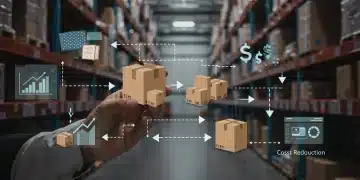
Streamlining DTC Supply Chains: Reduce Shipping Costs by 10% in 2025
To thrive in 2025, US-based Direct-to-Consumer (DTC) brands must prioritize efficient supply chain management, specifically targeting a 10% reduction in shipping costs through strategic optimization and technological integration.

DTC Returns Management in 2025: Reduce Costs by 18% with Automation
This article explores how direct-to-consumer (DTC) brands can significantly reduce returns processing costs by an average of 18% in 2025 by adopting automated solutions, improving efficiency, and elevating customer satisfaction.