Biometric Payments 2026: Revolutionizing Checkout Flows for Speed and Security
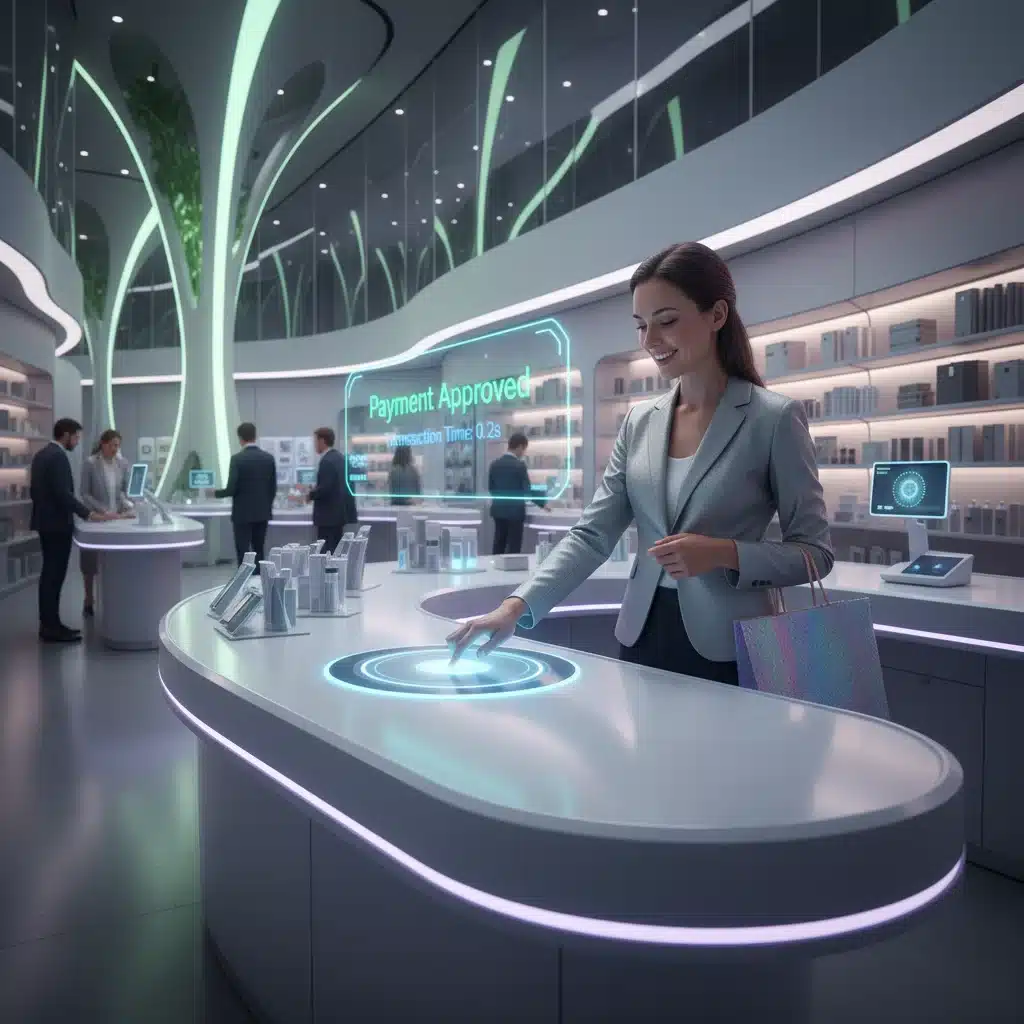
In an increasingly fast-paced world, the demand for seamless, secure, and swift transactions has never been higher. As we approach 2026, the retail and e-commerce landscapes are poised for a significant transformation, driven by advancements in biometric payment optimization. This comprehensive guide delves into how biometric payments are not just a futuristic concept but a rapidly materializing reality, promising to revolutionize checkout flows and reduce transaction times by an astonishing 30 seconds or more. Prepare to explore the intricacies, benefits, challenges, and future trajectory of this groundbreaking technology.
The Dawn of a New Era: Understanding Biometric Payments
Biometric payments refer to payment authentication methods that rely on unique biological characteristics of individuals. Instead of traditional PINs, passwords, or even physical cards, customers can authorize transactions using their fingerprints, facial scans, iris patterns, or even voice recognition. This technology leverages the inherent uniqueness of human biology to provide an unparalleled level of security and convenience.
The concept isn’t entirely new; fingerprint scanners have been common on smartphones for years. However, their integration into mainstream payment systems, both online and in physical retail, is what marks this pivotal shift. By 2026, we anticipate a widespread adoption of these methods, fundamentally altering how consumers interact with payment terminals and online checkout pages. The primary driver? The potential for significant biometric payment optimization, leading to faster, more secure, and ultimately, more satisfying customer experiences.
Why Biometrics? The Core Advantages
- Unmatched Security: Biometric data is inherently unique and extremely difficult to replicate, offering a superior level of fraud protection compared to traditional methods.
- Unparalleled Convenience: No more fumbling for wallets, remembering PINs, or typing out card details. A quick scan or glance is all it takes.
- Speed: This is where biometric payment optimization truly shines. The elimination of manual input steps drastically cuts down transaction time.
- Enhanced Customer Experience: A faster, smoother checkout process translates directly into happier customers and reduced cart abandonment rates.
- Reduced Operational Costs: For businesses, fewer chargebacks due to fraud and quicker queue times can lead to significant savings.
The 30-Second Challenge: How Biometric Payments Deliver Speed
Imagine reducing the average checkout time by 30 seconds. In a high-volume retail environment, this translates to hundreds of hours saved daily, significantly improved customer throughput, and a tangible boost to overall efficiency. So, how do biometric payments achieve this remarkable feat of biometric payment optimization?
Traditional payment processes involve several steps:
- Reaching for a wallet/phone.
- Extracting a card or opening a payment app.
- Inserting/tapping the card or selecting the payment method.
- Entering a PIN or confirming with a password/fingerprint on a device.
- Waiting for authorization.
Biometric payments streamline this dramatically:
- Approaching the terminal/website.
- Presenting the biometric (fingerprint, face, iris).
- Instant authorization.
The elimination of physical cards, PIN pads, and multiple digital clicks removes critical friction points. For instance, a facial recognition payment can be completed in mere seconds, often without the customer even breaking stride. This is the essence of biometric payment optimization – making the payment process virtually invisible.
Real-World Scenarios and Time Savings
- In-Store Retail: A customer selects items, walks to the register, and simply looks at a camera or places a finger on a scanner. The payment is processed before the items are even bagged. Estimated time saved per transaction: 15-25 seconds.
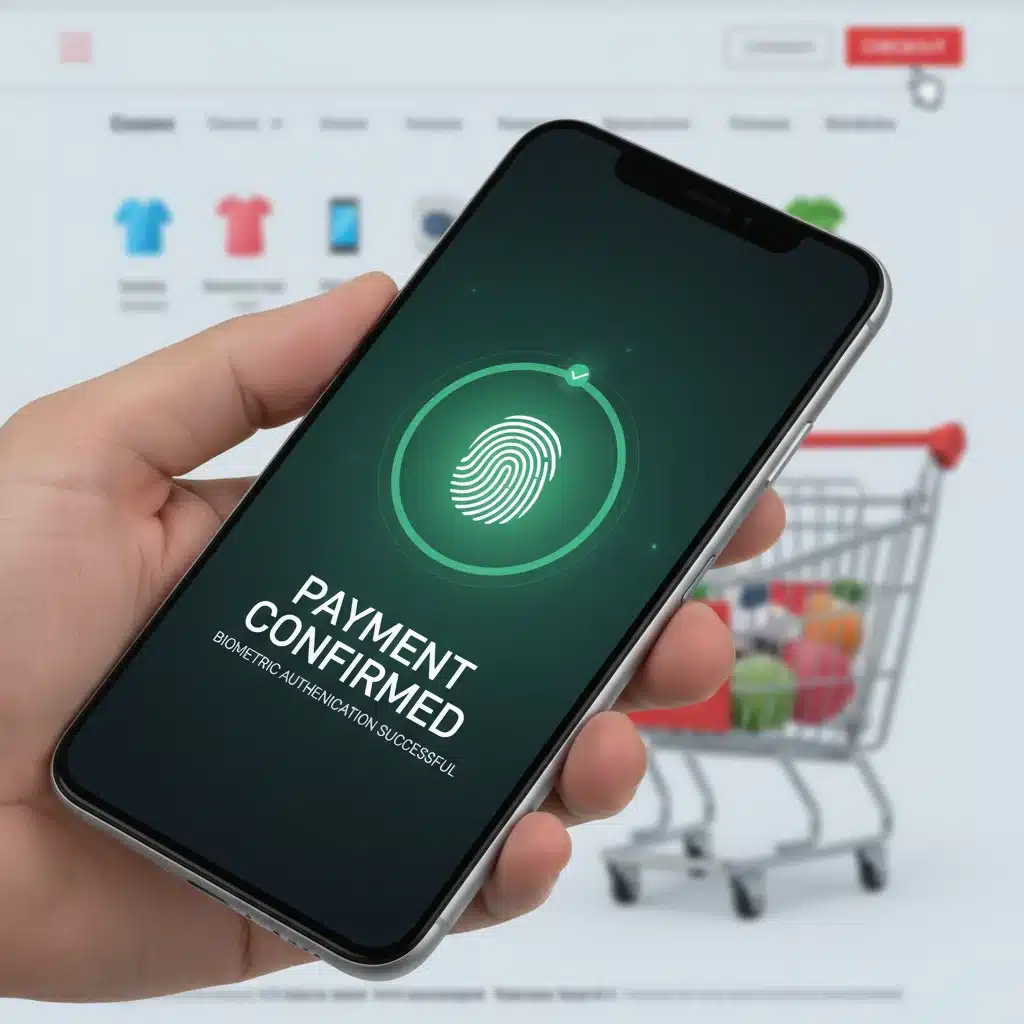
- Online Shopping: Instead of typing card numbers, expiry dates, and CVVs, a user authenticates with a quick face or fingerprint scan on their device. This is particularly impactful for repeat purchases. Estimated time saved per transaction: 20-35 seconds.
- Public Transport/Ticketing: Tap-to-pay with a card is already fast, but imagine simply walking through a gate that scans your face or hand for payment. The ultimate in seamless transit. Estimated time saved per transaction: 5-10 seconds (over existing fast methods).
- Vending Machines/Self-Service Kiosks: No need for cash, coins, or struggling with card readers. A quick biometric scan and the purchase is complete. Estimated time saved per transaction: 10-20 seconds.
These individual savings accumulate rapidly, contributing to significant improvements in overall operational efficiency and customer satisfaction, making biometric payment optimization a strategic imperative for businesses aiming for a competitive edge by 2026.
The Technologies Driving Biometric Payment Optimization
Several key biometric technologies are at the forefront of this payment revolution. Each offers unique advantages and is being refined for speed, accuracy, and security.
1. Facial Recognition
Perhaps the most intuitive and least intrusive, facial recognition technology uses unique features of a person’s face to verify their identity. Advanced 3D facial mapping and liveness detection (to prevent spoofing with photos or masks) are making this method incredibly secure. Companies like Mastercard and Amazon have already piloted facial payment systems, demonstrating their viability for biometric payment optimization.
2. Fingerprint Scanning
Already ubiquitous in smartphones, fingerprint scanning is a well-established and highly reliable biometric method. Innovations in under-display scanners and more robust sensor technology are making it even faster and more secure for dedicated payment terminals. The familiarity of this technology to consumers makes it an easy entry point for widespread adoption.
3. Iris and Retina Scanning
Considered among the most secure biometrics due to the extreme uniqueness and complexity of eye patterns, iris and retina scanning offer high accuracy. While less common in consumer-facing payment systems currently due to hardware requirements, advancements in camera technology could see these become more prevalent, especially for high-value transactions or in environments requiring maximum security.
4. Voice Recognition
While voice recognition has made strides in virtual assistants, its application in payments is still evolving. The challenge lies in distinguishing between a live voice and a recording, as well as mitigating background noise. However, with sophisticated voiceprint analysis and liveness detection algorithms, it holds potential for hands-free payment scenarios, particularly in smart home or automotive contexts.
5. Palm Vein Recognition
This method scans the unique pattern of veins beneath the skin of the palm. It’s highly secure as the vein patterns are internal and difficult to forge. It’s gaining traction in some Asian markets and offers a hygienic, contactless option that is distinct from fingerprints. This technology is another promising avenue for robust biometric payment optimization.
Security and Privacy: Addressing the Elephant in the Room
The discussion around biometric payments inevitably leads to questions of security and privacy. While biometrics offer enhanced fraud protection, concerns about data breaches and surveillance are valid. For widespread adoption and effective biometric payment optimization, these concerns must be addressed head-on.
Enhanced Security Measures
- Encryption and Tokenization: Biometric data is not stored as a raw image but typically converted into an encrypted digital template (a ‘token’). This token is then used for comparison, not the original biometric itself.
- Decentralized Storage: Many systems advocate for storing biometric templates on the user’s device rather than centralized databases, minimizing the risk of large-scale breaches.
- Multi-Factor Authentication (MFA): Biometrics can be combined with other factors, such as a one-time password (OTP) or a traditional PIN for extremely high-value transactions, adding layers of security.
- Liveness Detection: Advanced algorithms detect whether the presented biometric is from a living person, preventing attacks using photos, masks, or prosthetics.
Privacy Considerations and Regulations
Governments and regulatory bodies worldwide are working to establish frameworks for biometric data. Regulations like GDPR (Europe) and CCPA (California) provide guidelines for the collection, storage, and processing of personal data, including biometrics. Businesses implementing biometric payment optimization must adhere to these regulations, ensuring transparency and obtaining explicit consent from users.
The key to building trust is clear communication about how biometric data is collected, used, and protected. Companies must demonstrate a commitment to data privacy, ensuring that biometric information is solely used for payment authentication and not for other purposes without explicit user permission.
Implementation Challenges and Solutions for Businesses
While the benefits of biometric payment optimization are clear, businesses face several hurdles in implementation.
1. Infrastructure Investment
Deploying biometric scanners at points of sale (POS) or integrating them into existing e-commerce platforms requires significant upfront investment in hardware and software. Businesses need to evaluate the ROI carefully.
Solution: Phased rollouts, starting with high-traffic areas or specific customer segments, can help manage costs. Leveraging existing smartphone biometric capabilities for online payments also reduces the need for new hardware.
2. Customer Adoption and Education
Despite the convenience, some customers may be hesitant due to privacy concerns or simply a lack of familiarity. Educating consumers about the security and benefits is crucial.
Solution: Clear marketing campaigns highlighting security features and speed benefits. Offering incentives for early adopters and providing easy-to-understand tutorials can accelerate acceptance.
3. Interoperability and Standardization
A fragmented ecosystem with different biometric standards could hinder widespread adoption. Ensuring seamless integration across various payment networks and devices is vital.
Solution: Industry collaboration to establish common protocols and standards for biometric data exchange and authentication. Payment processors and tech companies play a critical role here.
4. False Positives/Negatives
No biometric system is 100% infallible. False positives (incorrectly identifying someone) and false negatives (failing to identify a legitimate user) can occur, albeit rarely.
Solution: Robust algorithms, continuous improvement through machine learning, and fallback authentication methods (e.g., PIN) are essential to ensure a smooth experience even when biometrics fail.
The Future is Now: Biometric Payment Optimization by 2026
By 2026, biometric payment optimization will move beyond novelty to become a mainstream expectation. We can anticipate several key trends:
1. Increased Integration with Digital Wallets
Digital wallets (Apple Pay, Google Pay, Samsung Pay) already use biometrics for device authentication. The next step is deeper integration, where the biometric itself becomes the payment method, rather than just unlocking the app. This will further reduce friction and enhance the speed of transactions.
2. ‘Pay-by-Face’ and ‘Pay-by-Palm’ Becoming Commonplace
Especially in high-traffic environments like fast-food restaurants, grocery stores, and event venues, dedicated facial and palm scanners will become as common as card readers are today. This completely hands-free and wallet-free experience epitomizes the ultimate biometric payment optimization.
3. Biometrics in E-commerce and Remote Payments
While often associated with physical retail, biometrics will increasingly secure online transactions. Imagine authorizing a significant online purchase with a quick face ID scan on your laptop or phone, completely bypassing password entry or SMS codes. This will dramatically improve security against phishing and credential stuffing attacks.
4. Hyper-Personalization and Loyalty Programs
When a customer pays with biometrics, their identity is instantly verified. This opens doors for hyper-personalized experiences, automatically applying loyalty points, discounts, or recalling past preferences, further enhancing the checkout flow and customer satisfaction. This integration of identity and payment is a powerful aspect of biometric payment optimization.
5. Regulatory Evolution and Public Trust
As adoption grows, so will the need for clear regulatory frameworks. Governments will likely establish stricter guidelines for biometric data handling, fostering greater public trust and accelerating acceptance. Transparency will be paramount.
Case Studies: Early Adopters and Their Successes
Several pioneers are already demonstrating the power of biometric payment optimization:
- Amazon One: Amazon’s palm recognition service allows customers to enter, identify, and pay at various retail locations, including Whole Foods Market, by simply hovering their palm over a device. This has significantly sped up checkout lines and offers a truly contactless experience.
- Mastercard’s ‘Smile to Pay’: Piloted in Brazil, this program enables customers to pay with a facial scan. It aims to reduce transaction time and enhance security, offering a glimpse into the future of cardless payments.
- Alipay and WeChat Pay (China): These platforms have long integrated facial recognition for payments, particularly at self-service kiosks and in stores, showcasing the immense potential for large-scale adoption and biometric payment optimization in high-volume environments.
These examples illustrate that the technology is mature and ready for broader deployment. The successes observed in these early implementations provide a strong business case for others to follow suit.
Preparing Your Business for the Biometric Future
For businesses looking to stay competitive and provide a superior customer experience, embracing biometric payment optimization is not an option but a necessity. Here’s how to prepare:
1. Research and Pilot Programs
Start by researching available biometric payment solutions and consider running small-scale pilot programs. This allows you to test the technology, gather customer feedback, and understand the integration challenges specific to your business model without a full-scale commitment.
2. Partner with Fintech Innovators
Collaborate with payment processors, fintech companies, and security experts who specialize in biometric solutions. Their expertise can guide you through the complexities of implementation, compliance, and security.
3. Educate Your Staff and Customers
Internal training for staff on how to operate and troubleshoot biometric systems is crucial. Equally important is educating your customers about the benefits, security features, and how to enroll in and use biometric payment options. Clear signage and in-store demonstrations can be very effective.
4. Ensure Data Privacy and Compliance
Work with legal and compliance teams to ensure that your biometric payment systems adhere to all relevant data protection laws and regulations. Transparency with customers about data handling practices will build trust.
5. Focus on User Experience (UX)
Even with advanced technology, a poor user experience will deter adoption. Ensure that the biometric payment process is intuitive, fast, and reliable. Regular feedback loops with users can help refine the experience.
The Economic Impact: Beyond Just Speed
The impact of biometric payment optimization extends far beyond just reducing transaction times. Economically, it promises:
- Reduced Fraud Costs: The enhanced security of biometrics can significantly lower losses from payment fraud, saving businesses billions globally.
- Increased Sales and Conversion Rates: A frictionless checkout process leads to fewer abandoned carts online and shorter queues in-store, directly translating to higher sales volumes.
- Operational Efficiency: Faster transactions mean staff can focus on customer service rather than payment processing, improving overall store operations.
- Competitive Advantage: Businesses that adopt biometric payments early can differentiate themselves, attracting tech-savvy customers and building a reputation for innovation.
- New Business Models: The seamless nature of biometrics could enable entirely new retail and service models, such as subscription-based access to stores or personalized shopping experiences.
Conclusion: Embracing the Biometric Revolution for Superior Checkout Flows
The year 2026 will mark a significant turning point in the evolution of payments. Biometric payment optimization is not just a technological upgrade; it’s a paradigm shift that promises to redefine convenience, security, and speed in transactions. By strategically integrating facial recognition, fingerprint scans, and other advanced biometrics, businesses can expect to dramatically reduce checkout times, enhance customer satisfaction, and build a more secure payment ecosystem. The journey requires investment, careful planning, and a commitment to privacy, but the rewards – a frictionless, future-proof payment experience – are undoubtedly worth the effort. Prepare to unlock the full potential of biometric payment optimization and lead the way into a new era of commerce.