Mastering AI-Powered Inventory Management: 5 Strategies for 2026 to Reduce Stockouts by 15%
Mastering AI-Powered Inventory Management: 5 Strategies for 2026 to Reduce Stockouts by 15%
In the rapidly evolving landscape of global commerce, efficient inventory management is no longer just a best practice; it’s a critical differentiator. Businesses worldwide grapple with the delicate balance of meeting customer demand without incurring excessive carrying costs or, worse, suffering the dreaded stockout. The good news? Artificial Intelligence (AI) is revolutionizing this challenge, offering unprecedented precision and predictive power. By 2026, companies leveraging cutting-edge AI inventory management strategies are projected to reduce stockouts by a remarkable 15% or more, transforming their operational efficiency and bottom line.
This comprehensive guide delves into five pivotal AI inventory management strategies that businesses must adopt to thrive in the coming years. From hyper-accurate demand forecasting to dynamic pricing and supplier optimization, we’ll explore how AI isn’t just an enhancement but a fundamental shift in how inventory is perceived and managed.
The traditional methods of inventory management, often reliant on historical data and manual adjustments, are increasingly inadequate in the face of volatile markets, unpredictable supply chains, and ever-changing consumer behavior. AI, with its capacity to process vast datasets, identify complex patterns, and make real-time predictions, offers a powerful antidote to these challenges. It moves inventory management from a reactive process to a proactive, intelligent system.
The Imperative of AI Inventory Management in Today’s Market
Before we dive into the strategies, it’s essential to understand why AI inventory management has become an indispensable tool. The global supply chain has faced unprecedented disruptions in recent years, from pandemics to geopolitical tensions and natural disasters. These events have exposed the vulnerabilities of systems that lack agility and foresight. Stockouts, once an occasional nuisance, can now lead to significant revenue loss, damaged brand reputation, and lost customer loyalty.
Conversely, overstocking ties up valuable capital, incurs higher storage costs, and increases the risk of obsolescence. Finding the ‘just right’ inventory level is a perpetual quest, and AI is the most potent ally in this endeavor. AI inventory management systems learn from historical sales, market trends, external factors (like weather or social media sentiment), and even competitor activities to provide a holistic view and highly accurate predictions.
The benefits extend beyond merely avoiding stockouts or overstocking. AI also optimizes warehouse operations, improves order fulfillment, enhances supplier relationships, and ultimately contributes to a more resilient and profitable business model. As we look towards 2026, the adoption of AI in inventory management will no longer be a competitive advantage but a baseline requirement for survival and growth.
Strategy 1: Hyper-Accurate Predictive Demand Forecasting
One of the most significant contributions of AI to inventory management is its ability to deliver hyper-accurate predictive demand forecasting. Traditional forecasting methods often rely on simple moving averages or exponential smoothing, which struggle to account for sudden shifts, seasonality, promotional impacts, or external economic factors. AI, particularly machine learning algorithms, can analyze a multitude of variables to generate far more precise demand predictions.
How AI Elevates Demand Forecasting:
- Multi-factor Analysis: AI models can incorporate diverse data sources, including historical sales, promotional calendars, macroeconomic indicators, social media trends, local events, weather patterns, and even competitor pricing strategies. This holistic view allows for a much richer understanding of demand drivers.
- Pattern Recognition: Machine learning algorithms excel at identifying subtle, non-obvious patterns and correlations within vast datasets that human analysts or traditional statistical methods might miss. This includes complex seasonality, cyclical trends, and the impact of various marketing campaigns.
- Real-time Adjustments: Unlike static models, AI systems can continuously learn and adapt in real-time. As new data becomes available (e.g., sudden spikes in online searches, news events, or immediate sales figures), the AI can recalibrate its forecasts, providing dynamic, up-to-the-minute insights.
- Scenario Planning: Advanced AI inventory management systems can simulate various future scenarios, allowing businesses to understand potential impacts of different strategies (e.g., a new product launch, a price change, or a competitor’s move) on demand and adjust inventory accordingly.
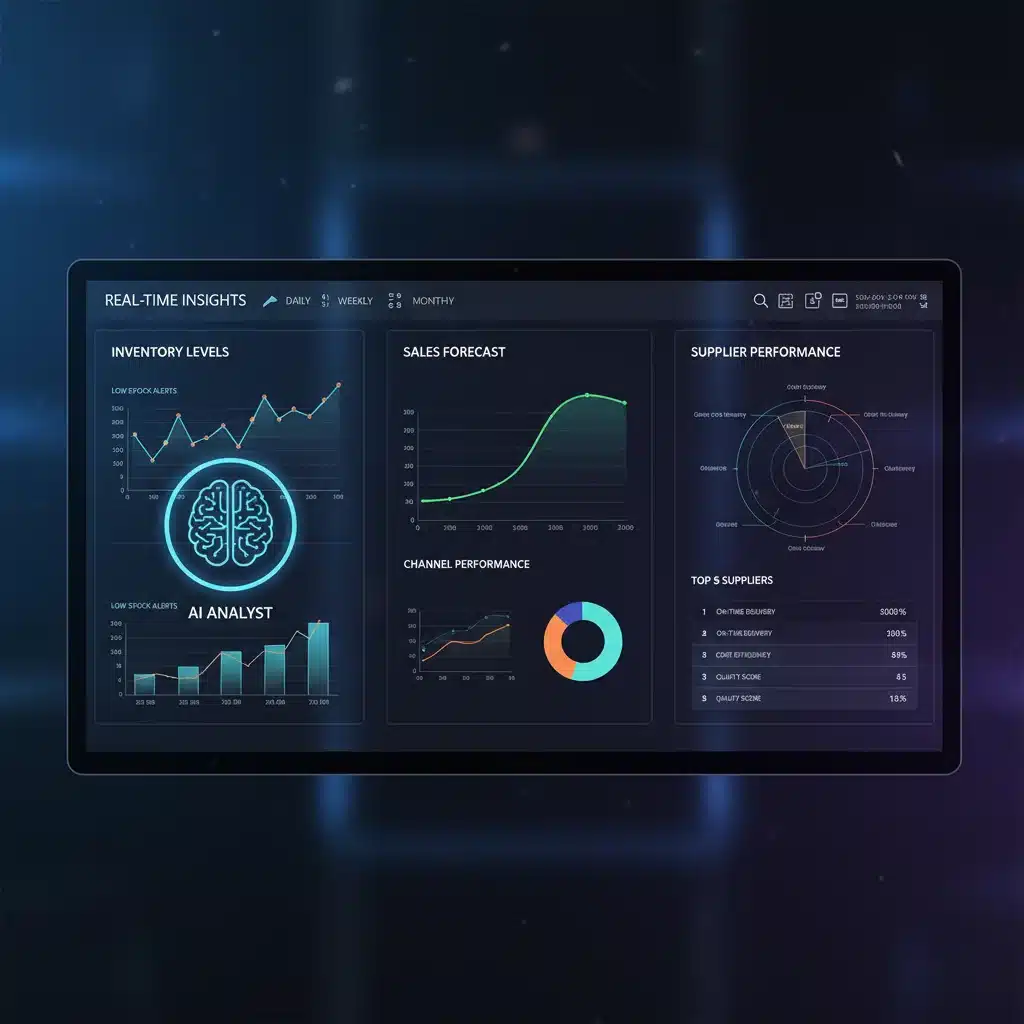
By implementing AI for demand forecasting, businesses can anticipate customer needs with unprecedented accuracy. This directly translates to optimized stock levels, reduced stockouts, minimized waste, and improved cash flow. A 15% reduction in stockouts by 2026 through this strategy is not just aspirational; it’s achievable.
Strategy 2: Dynamic Stock Level Optimization and Reordering
Beyond predicting demand, AI inventory management excels at dynamically optimizing stock levels and automating reordering processes. This strategy moves away from static reorder points and fixed safety stock levels, which often lead to either excess inventory or stockouts when demand fluctuates.
AI’s Role in Dynamic Stock Optimization:
- Adaptive Safety Stock: AI algorithms can calculate optimal safety stock levels that adapt based on the variability of demand and lead times, rather than using a one-size-fits-all approach. This ensures sufficient buffer during uncertain periods without tying up excessive capital during stable times.
- Automated Reorder Points: Instead of fixed reorder points, AI can dynamically adjust these thresholds based on real-time sales data, supplier performance, and predicted lead times. When inventory hits an AI-determined reorder point, purchase orders can be automatically generated, streamlining the procurement process.
- Location-Specific Optimization: For businesses with multiple warehouses or retail locations, AI can optimize stock distribution across the entire network. It can recommend transferring inventory between locations based on localized demand forecasts, minimizing the need for costly expedited shipping or preventing regional stockouts.
- Lifecycle Management: AI can predict the lifecycle of products, from introduction to decline. This allows for proactive inventory adjustments, ensuring popular items are always in stock while minimizing overstocking of products nearing obsolescence, facilitating timely markdowns or promotions.
Implementing dynamic stock level optimization with AI ensures that the right amount of inventory is in the right place at the right time. This significantly reduces the likelihood of stockouts while simultaneously lowering carrying costs, a dual benefit critical for profitability.
Strategy 3: Supplier Performance Prediction and Risk Mitigation
A robust inventory management system is only as strong as its supply chain. AI inventory management extends its capabilities to evaluating and predicting supplier performance, thereby mitigating potential disruptions that could lead to stockouts.
Leveraging AI for Supplier Management:
- Performance Analytics: AI can analyze vast amounts of historical supplier data, including on-time delivery rates, quality control issues, pricing stability, and responsiveness. This provides a comprehensive performance score for each supplier, helping businesses make informed sourcing decisions.
- Lead Time Prediction: Beyond static lead times, AI can predict dynamic lead times based on various factors such as supplier capacity, global shipping congestion, weather events, and even geopolitical situations. This allows for more accurate planning and proactive adjustments to procurement schedules.
- Risk Assessment and Early Warning: AI models can monitor external data sources (news, financial reports, social media) to identify potential risks to suppliers, such as financial instability, labor disputes, or natural disasters. Early warnings enable businesses to diversify sourcing or expedite orders before disruptions occur.
- Contract Optimization: AI can analyze supplier contracts and performance data to identify opportunities for negotiation, ensuring favorable terms and conditions while maintaining a reliable supply.
By proactively managing supplier relationships and mitigating risks with AI, companies can build a more resilient supply chain. This directly impacts inventory availability, ensuring that raw materials or finished goods arrive when needed, thereby preventing stockouts caused by supply-side issues.
Strategy 4: Automated Inventory Placement and Warehouse Optimization
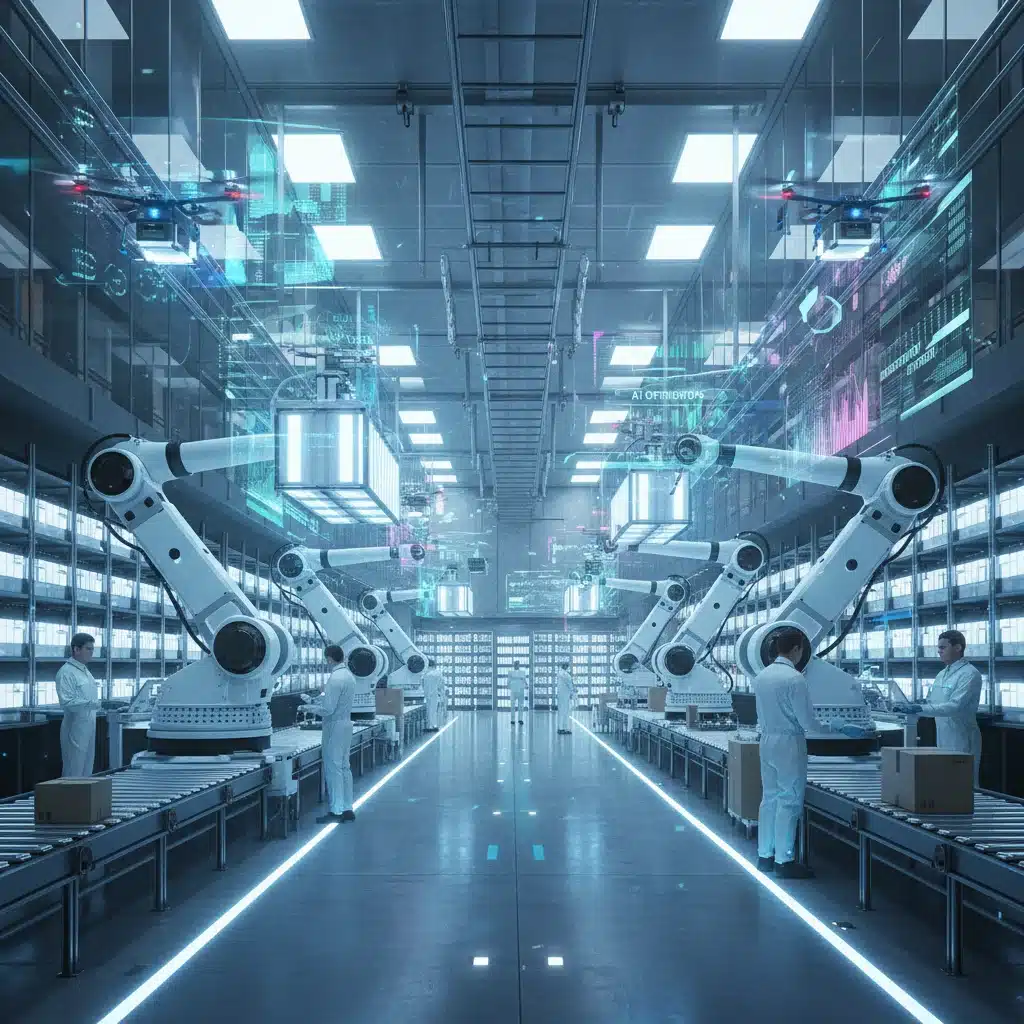
Effective inventory management isn’t just about how much you have, but also where it’s stored and how efficiently it moves within your warehouse. AI inventory management plays a crucial role in optimizing warehouse layouts, stock placement, and picking routes, leading to faster fulfillment and reduced operational costs.
AI in Warehouse Operations:
- Optimal Slotting: AI algorithms can determine the most efficient placement of products within a warehouse. Fast-moving items can be placed closer to shipping areas, frequently co-purchased items can be stored together, and heavy items can be positioned for easier handling, reducing picking times and improving workflow.
- Dynamic Picking Path Optimization: For manual or semi-automated warehouses, AI can generate the most efficient picking paths for employees or robots, minimizing travel distance and time. This adaptability allows for real-time adjustments based on order volume and warehouse traffic.
- Space Utilization: AI can analyze warehouse data to identify underutilized spaces and recommend strategies for optimizing storage density. This maximizes existing infrastructure, potentially delaying the need for costly expansions.
- Predictive Maintenance for Equipment: AI can monitor the performance of warehouse machinery (forklifts, conveyor belts, automated guided vehicles) and predict potential failures, allowing for proactive maintenance rather than reactive repairs, which can cause significant operational delays.
By optimizing the internal logistics of inventory, AI not only speeds up order fulfillment but also reduces labor costs, minimizes errors, and enhances overall operational efficiency. This internal optimization contributes significantly to preventing stockouts by ensuring that available inventory is accessible and moved efficiently.
Strategy 5: Personalization and Dynamic Pricing Integration
While often associated with marketing, personalization and dynamic pricing, when integrated with AI inventory management, can be powerful tools for preventing stockouts and managing excess inventory. This strategy leverages AI to understand individual customer behavior and market conditions, influencing demand in a controlled manner.
AI’s Impact on Personalization and Pricing:
- Personalized Promotions: AI can analyze customer purchase history, browsing behavior, and demographic data to offer personalized promotions on specific products. If an item is moving slowly, targeted discounts can be offered to relevant customer segments to clear stock before it becomes obsolete. Conversely, for high-demand items, AI can identify customers likely to pay full price.
- Dynamic Pricing: AI algorithms can adjust product prices in real-time based on current inventory levels, competitor pricing, demand forecasts, and perceived customer value. If inventory is high and demand is low, prices can be subtly lowered to stimulate sales. If an item is at risk of stocking out, prices can be increased to manage demand and maximize profit, or a notification can be sent to procurement.
- Bundling and Cross-selling: AI can identify opportunities to bundle slow-moving items with popular ones, or suggest complementary products, helping to move inventory more efficiently and prevent items from becoming dead stock.
- Customer Segmentation for Inventory Allocation: For limited stock items, AI can help allocate inventory to high-value customers or specific channels that promise the highest return, ensuring that critical stock is used strategically.
Integrating AI-driven personalization and dynamic pricing with inventory management provides a powerful lever to influence demand and optimize stock levels proactively. This not only helps in preventing stockouts of popular items but also in efficiently liquidating excess inventory, leading to improved profitability and customer satisfaction.
Implementing AI Inventory Management: Key Considerations for 2026
Adopting these AI inventory management strategies isn’t a plug-and-play solution. It requires careful planning, robust data infrastructure, and a strategic approach. Here are key considerations for businesses aiming to implement AI effectively by 2026:
- Data Quality and Integration: AI models are only as good as the data they consume. Ensure your data is clean, accurate, and integrated across all relevant systems (ERP, WMS, CRM, POS). Invest in data governance and data hygiene practices.
- Phased Implementation: Start with a pilot project or a specific area of inventory management where AI can demonstrate clear value (e.g., demand forecasting for a single product category). Learn from these initial implementations before scaling.
- Talent and Training: While AI automates many tasks, human oversight and expertise are crucial. Invest in training your teams to understand and work with AI tools, interpret outputs, and make strategic decisions based on AI insights. Consider hiring data scientists or AI specialists.
- Scalability and Flexibility: Choose AI solutions that are scalable and flexible enough to adapt to your evolving business needs. Cloud-based AI platforms often offer this advantage, allowing you to scale computing power and features as required.
- Ethical AI and Transparency: Be aware of potential biases in data that could lead to unfair or suboptimal inventory decisions. Strive for transparency in how AI models make recommendations and ensure ethical considerations are integrated into your AI strategy.
- Continuous Monitoring and Improvement: AI models require continuous monitoring and retraining to maintain accuracy. Market conditions change, and your business evolves, so your AI system must also adapt to remain effective.

The Future is Now: AI as a Cornerstone of Inventory Excellence
The journey to reducing stockouts by 15% or more by 2026 through AI inventory management is not merely about adopting new technology; it’s about embracing a new paradigm of operational excellence. It’s about moving from guesswork and reactive measures to intelligent, proactive, and predictive decision-making.
Businesses that invest in these five AI inventory management strategies will not only mitigate the risks of stockouts and overstocking but will also unlock significant competitive advantages. They will achieve higher customer satisfaction through consistent product availability, improve profitability by optimizing capital tied in inventory, and build more resilient and agile supply chains capable of weathering future disruptions.
As the complexity of global markets continues to grow, AI will become the indispensable brain behind efficient inventory operations. The time to integrate these powerful tools into your business strategy is now, ensuring you’re not just keeping pace, but leading the charge into a more efficient, profitable, and stockout-free future.