Cybersecurity for Retail Tech in 2026: Protecting Customer Data and Preventing 20% of Breaches
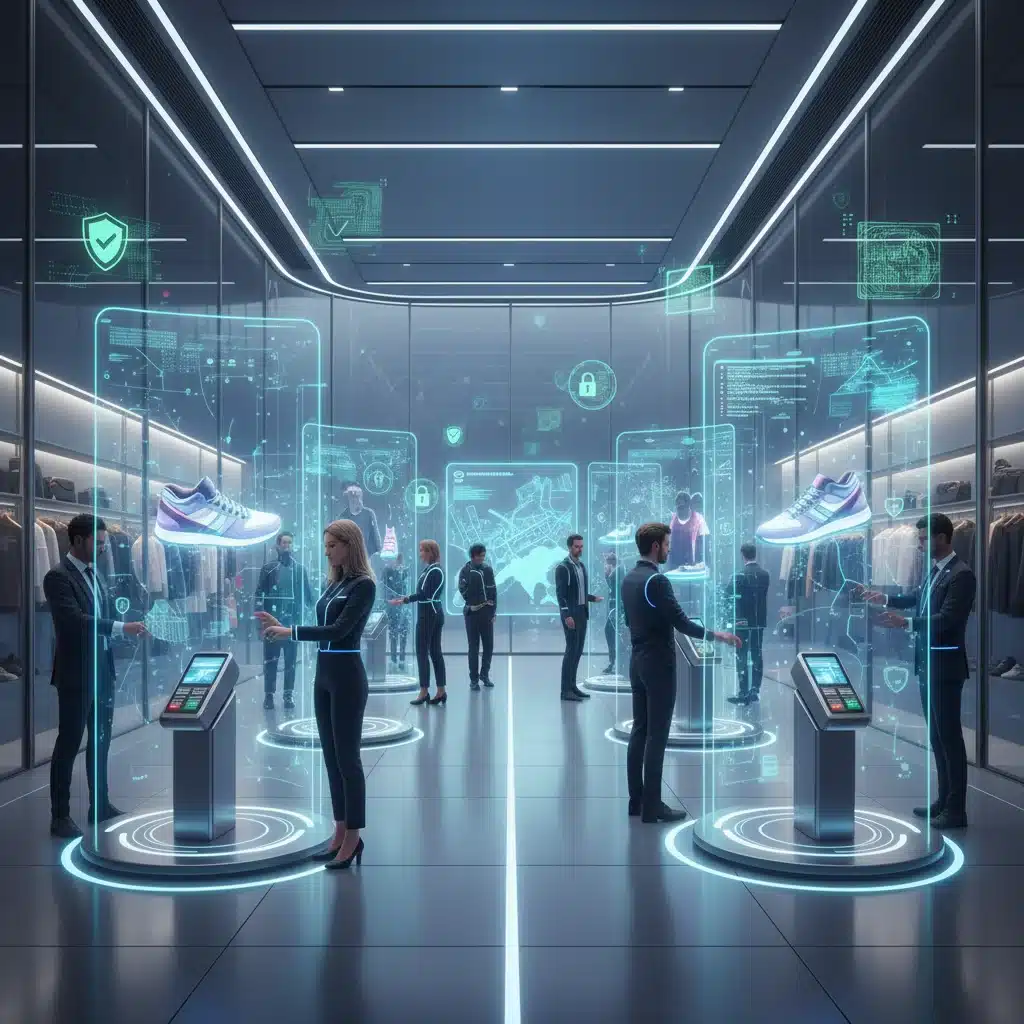
The retail industry stands at the precipice of a technological revolution, with advancements in AI, IoT, and personalized experiences reshaping how consumers shop and interact with brands. However, this rapid evolution also ushers in an era of heightened cyber threats. As we look towards 2026, the imperative for robust Retail Cybersecurity 2026 strategies becomes more critical than ever. The goal is not just to react to breaches but to proactively protect customer data and prevent a significant percentage of potential cyber incidents.
In this comprehensive guide, we will explore the evolving threat landscape, delve into the pivotal role of advanced technologies, and outline actionable strategies for retailers to fortify their defenses. Our aim is to equip retail businesses with the knowledge and tools necessary to safeguard sensitive customer information, maintain consumer trust, and, crucially, contribute to a global effort to prevent at least 20% of retail-related cyber breaches by 2026.
The Evolving Retail Threat Landscape in 2026
The digital transformation of retail has introduced numerous attack vectors that cybercriminals are eager to exploit. By 2026, the sophistication and frequency of these attacks are projected to increase dramatically. Understanding these evolving threats is the first step in building an impregnable defense for Retail Cybersecurity 2026.
Sophisticated Phishing and Social Engineering
Phishing attacks continue to be a primary entry point for breaches, but by 2026, these will be hyper-personalized and highly convincing, often leveraging AI to mimic legitimate communications. Social engineering tactics will become even more cunning, targeting employees with access to sensitive systems and customer data. Retailers must invest in continuous, advanced training for all staff to recognize and report these threats.
Ransomware 2.0 and Supply Chain Attacks
Ransomware attacks are evolving beyond simple data encryption. Ransomware 2.0 will likely involve data exfiltration coupled with encryption, threatening to leak sensitive customer information if a ransom isn’t paid. Furthermore, the retail supply chain, with its complex network of vendors and third-party logistics, presents a significant vulnerability. A breach in one link can compromise the entire chain, affecting customer data and operational integrity. Securing the supply chain is a critical component of effective Retail Cybersecurity 2026.
IoT and Edge Computing Vulnerabilities
The proliferation of IoT devices in retail – from smart shelves and digital signage to RFID tags and inventory management systems – creates a vast attack surface. Many IoT devices are designed for convenience, not robust security, making them easy targets. Edge computing, while offering efficiency, also decentralizes data processing, creating more points of potential compromise. Comprehensive security protocols for all IoT and edge devices are essential.
AI and Machine Learning as Double-Edged Swords
While AI and ML are powerful tools for defense, they can also be weaponized by cybercriminals. Adversarial AI attacks could be used to bypass security systems or generate highly realistic deepfakes for social engineering. Retailers must not only leverage AI for their own defenses but also anticipate and prepare for AI-driven offensive tactics.
Pillars of Robust Retail Cybersecurity in 2026
To effectively protect customer data and prevent 20% of breaches, retailers need to build their cybersecurity strategies on several key pillars. These pillars encompass technology, processes, and people, forming a holistic defense mechanism for Retail Cybersecurity 2026.
Advanced Threat Detection and Prevention
Moving beyond traditional firewalls and antivirus, retailers must implement advanced threat detection systems. This includes:
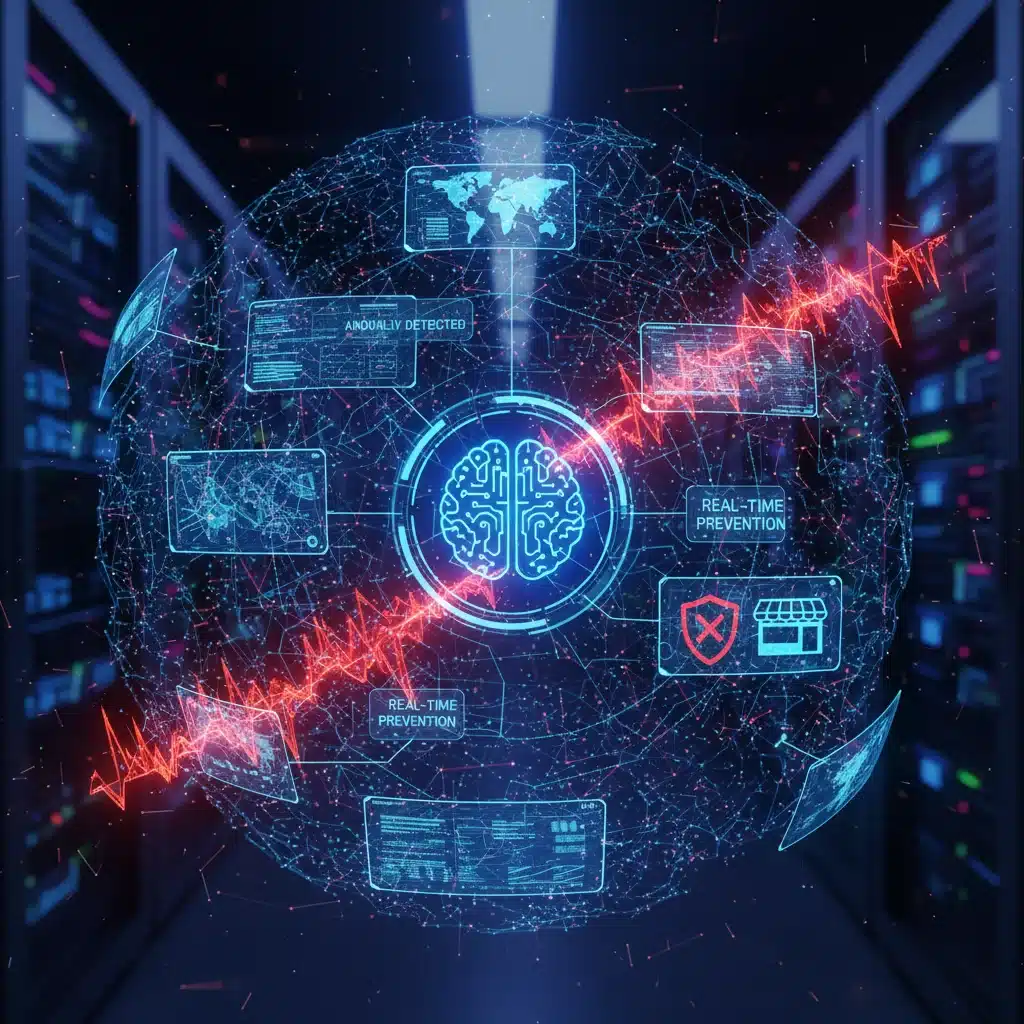
- AI-Powered Behavioral Analytics: Systems that learn normal user and system behavior to identify anomalies indicative of a breach in real-time.
- Extended Detection and Response (XDR): Integrating and correlating data from endpoints, networks, cloud environments, and applications to provide a unified view of threats and automate responses.
- Proactive Threat Hunting: Security teams actively searching for hidden threats within their networks before they can cause damage, rather than waiting for alerts.
Zero Trust Architecture
The principle of “never trust, always verify” is fundamental to modern cybersecurity. A Zero Trust Architecture (ZTA) assumes that no user, device, or application – whether inside or outside the network perimeter – should be trusted by default. Every access request must be authenticated, authorized, and continuously validated. Implementing ZTA across all retail operations, from POS systems to back-office applications, is crucial for Retail Cybersecurity 2026.
Comprehensive Data Encryption and Tokenization
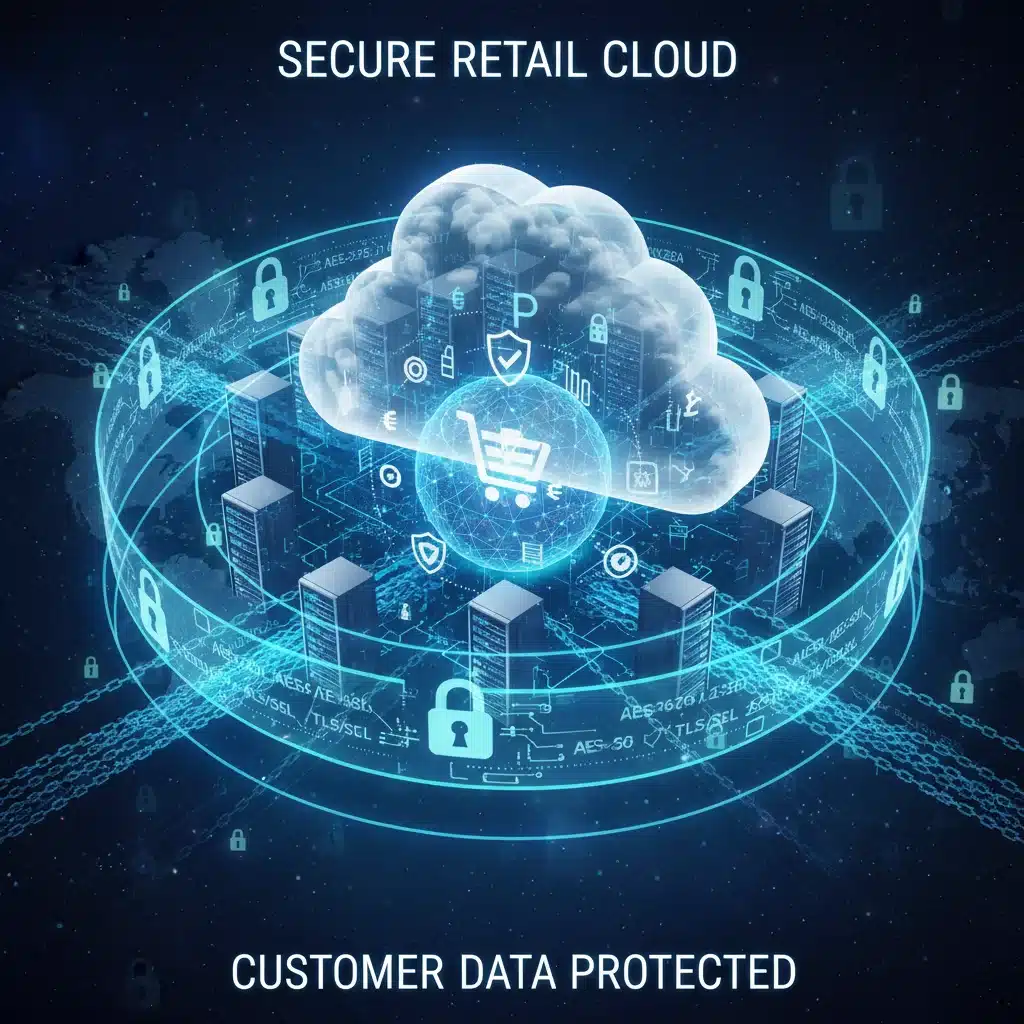
Customer data, especially payment information and personally identifiable information (PII), must be encrypted at rest and in transit. Tokenization, which replaces sensitive data with unique, non-sensitive identifiers, adds an extra layer of security, making it useless to attackers even if compromised. This is particularly vital for e-commerce platforms and in-store payment systems.
Secure Cloud Infrastructure
As more retail operations migrate to the cloud, securing these environments becomes paramount. This involves:
- Cloud Security Posture Management (CSPM): Continuously monitoring cloud environments for misconfigurations and compliance violations.
- Cloud Workload Protection Platforms (CWPP): Protecting workloads running in public, private, and hybrid cloud environments.
- Identity and Access Management (IAM):: Implementing robust IAM policies for cloud resources, ensuring only authorized personnel have access.
Regular Security Audits and Penetration Testing
To stay ahead of evolving threats, retailers must conduct frequent security audits and penetration tests. These exercises identify vulnerabilities before attackers can exploit them. Red team exercises, simulating real-world attacks, can provide invaluable insights into the effectiveness of existing defenses and response capabilities. This proactive approach is key to strengthening Retail Cybersecurity 2026.
Technological Innovations Driving Retail Cybersecurity in 2026
The battle against cybercrime is a continuous arms race, and technological innovation is the retail industry’s most potent weapon. Several emerging technologies will play a transformative role in shaping Retail Cybersecurity 2026.
Artificial Intelligence and Machine Learning for Defense
AI and ML will move beyond basic anomaly detection to predictive security analytics. These systems will be able to anticipate attack patterns, identify emerging threats, and even autonomously respond to certain incidents, reducing human intervention and response times. AI will also enhance fraud detection, minimizing financial losses and protecting customer accounts.
Quantum-Resistant Cryptography
The advent of quantum computing poses a significant threat to current encryption standards. By 2026, retailers should begin exploring and implementing quantum-resistant cryptographic algorithms to future-proof their data protection strategies. This forward-thinking approach is essential for long-term data security.
Blockchain for Supply Chain Transparency and Security
Blockchain technology offers a decentralized, immutable ledger that can enhance supply chain transparency and security. By recording every transaction and movement of goods, blockchain can help verify the integrity of products and identify potential points of compromise within the supply chain, thereby protecting against counterfeiting and ensuring data provenance.
Biometric Authentication and Passwordless Security
Traditional passwords are a weak link in the security chain. By 2026, biometric authentication (fingerprint, facial recognition, iris scan) and other passwordless technologies will become more prevalent for both customer and employee access. This significantly reduces the risk of credential theft and improves user experience.
Strategic Imperatives for Retailers: Preventing 20% of Breaches
Achieving the ambitious goal of preventing 20% of retail breaches by 2026 requires more than just technology; it demands a strategic, organization-wide commitment to cybersecurity. Here are the key strategic imperatives:
Cultivating a Security-First Culture
Cybersecurity is not just an IT department’s responsibility; it’s everyone’s. Retailers must foster a security-first culture where every employee understands their role in protecting customer data. This involves continuous training, awareness campaigns, and making security an integral part of business processes from the design phase (Security by Design).
Investing in Skilled Cybersecurity Talent
The cybersecurity talent gap is a significant challenge. Retailers must invest in recruiting, training, and retaining skilled cybersecurity professionals. This includes offering competitive compensation, professional development opportunities, and fostering a challenging and rewarding work environment. Partnerships with managed security service providers (MSSPs) can also help bridge this gap.
Regulatory Compliance and Privacy by Design
The regulatory landscape for data privacy (e.g., GDPR, CCPA, and emerging local regulations) will continue to evolve. Retailers must ensure strict compliance and adopt a “Privacy by Design” approach, integrating privacy considerations into the entire lifecycle of their products and services. This not only avoids hefty fines but also builds customer trust, a cornerstone of Retail Cybersecurity 2026.
Incident Response and Disaster Recovery Planning
Despite the best prevention efforts, breaches can still occur. A well-defined and regularly tested incident response plan is crucial for minimizing damage, containing breaches quickly, and restoring operations. This includes clear communication protocols for customers, regulators, and stakeholders, as well as robust disaster recovery capabilities to ensure business continuity.
Collaboration and Information Sharing
Cyber threats are a shared challenge. Retailers should actively participate in industry-specific information-sharing and analysis centers (ISACs) and collaborate with cybersecurity organizations. Sharing threat intelligence, best practices, and lessons learned can significantly bolster collective defenses and contribute to the goal of preventing a substantial percentage of breaches.
The Economic Impact of Enhanced Retail Cybersecurity
Investing in Retail Cybersecurity 2026 is not merely a cost; it’s a strategic investment with significant economic benefits. Preventing breaches can save millions in direct costs (forensic investigations, legal fees, regulatory fines) and indirect costs (reputational damage, customer churn, stock price decline). A strong security posture also enhances brand trust, which is invaluable in a competitive market.
Furthermore, by preventing 20% of breaches, retailers can reallocate resources that would otherwise be spent on remediation towards innovation and customer experience improvements. This shift fosters a more resilient and forward-looking retail sector, capable of adapting to future challenges and opportunities.
Case Studies and Best Practices for 2026
To illustrate the practical application of these strategies, consider a hypothetical “Retailer X” that successfully implemented a comprehensive Retail Cybersecurity 2026 program:
- Retailer X’s AI-Driven Anomaly Detection: By deploying an AI system that monitored POS transactions and customer login patterns, Retailer X identified and thwarted several sophisticated credit card fraud attempts before any customer data was compromised. The system learned normal transaction behaviors and flagged deviations in real-time, allowing for immediate intervention.
- Zero Trust Implementation at “Fashion Forward”: Fashion Forward, a major online apparel retailer, adopted a Zero Trust model across its entire cloud infrastructure. This meant every microservice, every API call, and every user access request was individually verified. This prevented an insider threat attempt where a disgruntled employee tried to access customer order history beyond their authorized scope.
- Blockchain for “Grocery Chain Y” Supply Chain: Grocery Chain Y implemented a blockchain solution to track its fresh produce from farm to store. This not only ensured food safety and transparency but also created an immutable record that prevented unauthorized product substitutions and identified a potential tampering attempt at a distribution hub, protecting both consumers and the brand.
These examples highlight the tangible benefits of proactive and advanced cybersecurity measures. The success stories of 2026 will be those retailers who embraced innovation and made security a core business priority.
The Road Ahead: A Collective Responsibility
Achieving the ambitious goal of preventing 20% of retail breaches by 2026 is a collective responsibility. It requires ongoing commitment from retail leadership, continuous investment in technology and talent, and active collaboration across the industry. As the retail landscape continues its rapid digital transformation, cybersecurity must evolve in parallel, becoming an enabler of innovation rather than a barrier.
By prioritizing Retail Cybersecurity 2026, businesses can not only protect their customers’ invaluable data but also secure their own future in an increasingly interconnected and threat-laden world. The journey is challenging, but with strategic planning, technological adoption, and a culture of vigilance, the retail sector can emerge stronger, more resilient, and more trusted than ever before.