DTC Returns Management 2026: Reduce Returns, Boost Satisfaction

DTC Returns Management in 2026: Implementing a System to Reduce Return Rates by 10% and Improve Customer Satisfaction
In the rapidly evolving landscape of direct-to-consumer (DTC) e-commerce, returns are an unavoidable reality. While often viewed as a cost center, effective DTC returns management can transform this challenge into a strategic advantage, fostering customer loyalty and driving profitability. As we look towards 2026, the imperative to optimize returns processes becomes even more critical. This comprehensive guide will delve into advanced strategies and technological implementations designed to reduce return rates by a significant 10% and elevate customer satisfaction to new heights.
The rise of DTC brands has democratized retail, offering consumers unprecedented access to unique products and personalized experiences. However, this convenience also comes with an expectation of seamless post-purchase support, particularly when it comes to returns. A clunky, inconvenient, or unclear returns process can quickly erode trust and send customers flocking to competitors. Conversely, a streamlined, customer-centric returns system can reinforce brand loyalty, turning a potential negative into a positive interaction.
Our goal for 2026 is ambitious yet achievable: a 10% reduction in return rates and a demonstrably improved customer satisfaction score. Achieving this requires a multi-faceted approach that spans policy, technology, communication, and data analytics. It’s not just about processing returns efficiently; it’s about understanding their root causes and proactively mitigating them. This article will break down the key pillars of a successful DTC returns management strategy, providing actionable insights for businesses of all sizes.
Understanding the Current State of DTC Returns
Before we can optimize, we must first understand. The current state of DTC returns is characterized by several key trends. E-commerce return rates generally hover between 15-30%, significantly higher than brick-and-mortar retail. Apparel and electronics often see even higher figures. The reasons are varied: sizing issues, product not matching expectations, change of mind, damaged goods, or even ‘bracketing’ (ordering multiple sizes/colors with the intent to return most). Each of these reasons presents an opportunity for intervention and improvement within DTC returns management.
Furthermore, consumer expectations have never been higher. Free returns, extended return windows, and easy return initiation are now table stakes. Brands that fail to meet these expectations risk alienating their customer base. The hidden costs of returns – including shipping, restocking, quality control, administrative overhead, and potential markdown losses – can significantly impact a DTC brand’s bottom line. Therefore, investing in robust DTC returns management is not just about customer service; it’s a financial imperative.
The year 2026 will likely see an intensification of these trends, coupled with even greater competition. Brands that proactively address returns will gain a significant competitive edge. This means moving beyond reactive processing to a more predictive and preventative approach. Leveraging data, AI, and automation will be crucial in this endeavor, transforming returns from a necessary evil into a strategic asset for growth and customer retention.
Pillar 1: Proactive Returns Prevention Strategies
The most effective return is the one that never happens. Reducing return rates by 10% starts with a strong emphasis on preventing returns in the first place. This requires a deep dive into product presentation, communication, and customer education.
Enhanced Product Information and Visuals
Misleading or insufficient product information is a leading cause of returns. For DTC brands, where customers cannot physically interact with products before purchase, rich and accurate digital content is paramount. This includes:
- High-Quality Imagery and Video: Multiple angles, close-ups, lifestyle shots, and 360-degree views. Video demonstrations can be particularly effective for complex products.
- Detailed Product Descriptions: Go beyond basic features. Include dimensions, materials, care instructions, and typical use cases. For apparel, detailed sizing charts with actual garment measurements and fit guides (e.g., ‘runs small,’ ‘true to size’) are critical.
- Augmented Reality (AR): Allow customers to virtually ‘try on’ clothes or ‘place’ furniture in their homes. This significantly reduces uncertainty and mismatch expectations.
- Customer Reviews with Photos/Videos: User-generated content provides authentic insights into product fit and appearance in real-world scenarios. Encourage customers to upload media with their reviews.
By providing an immersive and accurate product experience online, DTC brands can set realistic expectations, thereby reducing the likelihood of returns due to product discrepancy. This proactive step is a cornerstone of effective DTC returns management.
Improved Sizing and Fit Guidance (Especially for Apparel)
Sizing issues are a perennial problem in apparel e-commerce. To combat this, DTC brands should invest in:
- AI-Powered Sizing Tools: Solutions that recommend sizes based on customer-provided measurements, previous purchases, and even body scan technology.
- Standardized Sizing: While challenging, clear communication about how a brand’s sizing compares to industry standards can help.
- Detailed Model Information: Provide the height and size worn by models in product photos to give customers a reference point.
- Virtual Try-On: As mentioned, AR technology can allow customers to ‘see’ how an item fits their virtual avatar or body.
Addressing sizing proactively can dramatically cut down on ‘bracketing’ behavior and overall apparel returns, a key component of successful DTC returns management.
Better Pre-Purchase Customer Support
Empowering customers with information before they buy can prevent many returns. This involves:
- Accessible FAQs: Comprehensive and easy-to-navigate FAQs addressing common product and sizing questions.
- Live Chat/Chatbots: Provide instant answers to customer queries, guiding them to the right product or clarifying details.
- Personalized Recommendations: AI-driven recommendation engines can help customers find products that are a better fit for their needs and preferences, reducing buyer’s remorse.
A well-informed customer is a confident customer, less likely to initiate a return. This preventative measure is vital for optimizing DTC returns management.

Pillar 2: Streamlined and Customer-Centric Returns Policy & Process
Even with the best prevention strategies, returns will still occur. The goal here is to make the returns process as smooth, transparent, and positive as possible for the customer, while remaining efficient for the business. This is where excellent DTC returns management shines.
Clear and Transparent Returns Policy
Your returns policy should be easy to find, easy to understand, and fair. Key elements include:
- Prominent Placement: Link to your returns policy from product pages, checkout, and your website footer.
- Simple Language: Avoid legal jargon. Use clear, concise language to explain terms and conditions.
- Key Information Upfront: Clearly state return window, eligibility criteria (e.g., tags attached, unworn), refund methods, and who pays for return shipping.
- Policy Consistency: Ensure your stated policy matches your actual practice.
Transparency builds trust. Customers who know what to expect are less likely to be frustrated, even if they are returning an item. This forms the backbone of effective DTC returns management.
Easy Return Initiation and Label Generation
The easier it is for customers to initiate a return, the better their experience. Implement solutions that offer:
- Self-Service Returns Portal: Allow customers to initiate returns, select reasons, and generate shipping labels online without needing to contact customer support. This significantly reduces administrative burden and improves customer autonomy.
- Pre-Printed Return Labels: For certain product categories or high-value items, including a pre-printed return label in the original package can be a huge convenience.
- Multiple Return Options: Offer various methods like mail-in with a pre-paid label, drop-off at designated locations (e.g., postal service, retail partners), or even in-store returns if applicable.
The less friction in the returns process, the higher the customer satisfaction. This directly contributes to positive DTC returns management outcomes.
Efficient Logistics and Processing
Behind the scenes, efficiency is key to minimizing costs and speeding up refunds. This involves:
- Automated Workflows: Use software to automate return authorization, label generation, and tracking.
- Dedicated Returns Facilities: If volume allows, a dedicated facility or section of a warehouse for returns processing can improve speed and accuracy.
- Rapid Inspection and Restocking: Implement clear protocols for inspecting returned items, determining their condition, and quickly restocking or routing them for repair/disposal.
- Fast Refunds: Process refunds promptly once the returned item is received and inspected. Delays in refunds are a major source of customer dissatisfaction.
Optimized logistics are crucial for cost-effective DTC returns management, ensuring that the operational side supports the customer-facing experience.
Pillar 3: Leveraging Technology and Data Analytics
Technology is the engine that drives modern DTC returns management. From AI to sophisticated analytics, these tools provide the insights needed to achieve our 10% reduction goal and enhance customer satisfaction.
Returns Management Software (RMS)
A dedicated Returns Management System (RMS) is indispensable for DTC brands. These platforms offer:
- Centralized Returns Hub: A single platform to manage all returns, from initiation to refund.
- Automated Rules and Workflows: Set up rules for automatic approval/denial, specific routing for different product types, and refund triggers.
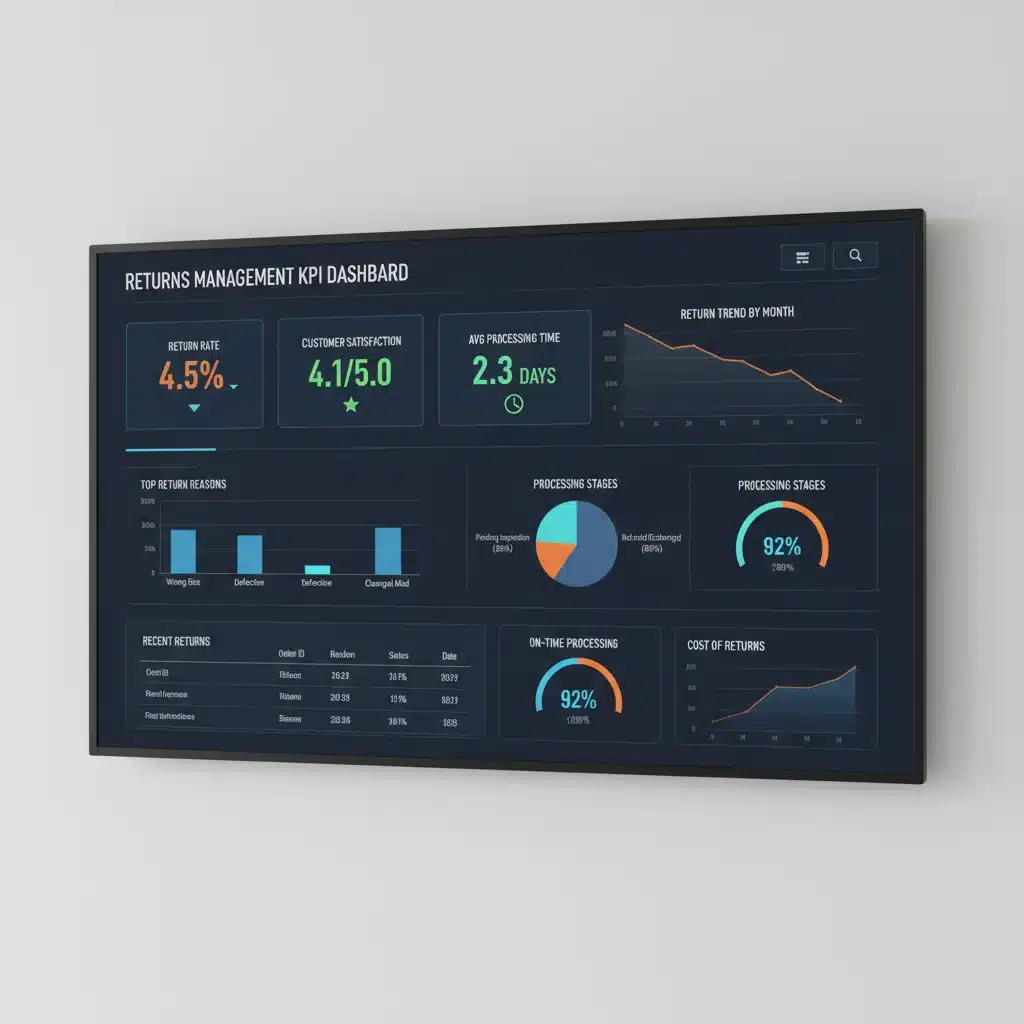
- Data Collection and Reporting: Track key metrics like return reasons, return rates by product/category, processing times, and customer satisfaction.
- Integration Capabilities: Connect with your e-commerce platform, WMS (Warehouse Management System), and shipping carriers for a seamless operation.
An RMS transforms a manual, error-prone process into a data-driven, efficient operation, making it a cornerstone of effective DTC returns management.
AI and Machine Learning for Predictive Analytics
AI can revolutionize returns prevention and processing:
- Predictive Return Risk: AI models can analyze customer behavior, product attributes, and historical data to predict which orders are at high risk of return. This allows for proactive interventions (e.g., targeted follow-up communication, additional product info).
- Automated Quality Control: AI-powered visual inspection systems can quickly assess the condition of returned items, speeding up processing and reducing human error.
- Personalized Return Offers: Instead of an automatic refund, AI can suggest alternatives like exchanges, store credit with a bonus, or even partial refunds for minor issues, based on customer history and product availability. This can convert a return into a retained sale.
Embracing AI is a forward-looking strategy for superior DTC returns management in 2026.
Advanced Data Analytics and Reporting
Data is your most powerful tool for understanding and improving returns. Key areas to focus on include:
- Root Cause Analysis: Don’t just record return reasons; analyze them. Is a specific product consistently returned for sizing? Is a particular manufacturer experiencing quality control issues? Data should drive insights into systemic problems.
- Customer Segmentation: Identify your ‘high-returners’ vs. ‘low-returners.’ Understanding these segments can inform targeted interventions or policy adjustments.
- Cost Analysis: Track the true cost of returns for each product, including shipping, restocking, and potential loss. This helps in making informed product development and sourcing decisions.
- Vendor Performance: If you work with multiple suppliers, analyze return rates by vendor to identify and address quality issues upstream.
Robust analytics provide the intelligence needed to continuously refine your DTC returns management strategy, ensuring you’re constantly moving towards that 10% reduction goal.
Pillar 4: Continuous Improvement and Feedback Loops
Achieving a 10% reduction in return rates and sustained customer satisfaction is not a one-time project; it’s an ongoing commitment to continuous improvement. Effective DTC returns management requires constant monitoring and adaptation.
Soliciting Customer Feedback
Direct feedback from customers who initiate returns is invaluable:
- Post-Return Surveys: After a return is completed, send a short survey asking about their experience with the process and the reason for the return.
- Customer Service Interactions: Train your customer service team to document detailed return reasons and feedback during interactions.
- Review Analysis: Monitor product reviews for recurring complaints that might lead to returns.
This feedback provides qualitative data that complements your quantitative analytics, offering a holistic view of your DTC returns management performance.
Regular Policy Review and A/B Testing
Your returns policy and process should not be static:
- Annual Review: Revisit your policy at least annually to ensure it aligns with business goals, industry best practices, and customer expectations.
- A/B Testing: Experiment with different aspects of your returns process. For example, test offering free returns versus paid returns for certain categories, or different messaging on your returns portal, to see what impacts return rates and customer satisfaction.
Agility and a willingness to iterate are hallmarks of successful DTC returns management.
Employee Training and Empowerment
Your team members are on the front lines of returns. Ensure they are well-equipped:
- Comprehensive Training: Train all relevant staff (customer service, warehouse, logistics) on the returns policy, system usage, and customer communication best practices.
- Empowerment: Give customer service agents the tools and authority to resolve common return issues quickly and satisfactorily, within defined parameters.
A well-trained and empowered team is crucial for delivering a positive returns experience and efficiently executing DTC returns management strategies.
The Future of DTC Returns: Beyond 2026
As we look beyond our 2026 goal, the future of DTC returns management will likely be shaped by even greater personalization, sustainability concerns, and cross-channel integration. Expect to see:
- Hyper-Personalized Return Offers: AI-driven systems offering bespoke solutions based on individual customer value and return history.
- Increased Focus on Sustainability: Brands will increasingly prioritize environmentally friendly return options, such as consolidating returns, encouraging exchanges over refunds, and partnering with resale platforms.
- Seamless Omnichannel Returns: The lines between online and offline returns will blur further, with customers expecting to return items purchased online at any physical location and vice versa.
- Blockchain for Transparency: Potentially, blockchain technology could be used to track product provenance and return history, enhancing trust and reducing fraud.
- Returns-as-a-Service (RaaS): More specialized third-party providers offering end-to-end returns solutions, allowing DTC brands to focus on their core competencies.
Staying ahead of these trends will be key to maintaining a competitive edge and continuously optimizing DTC returns management.
Conclusion: Turning Returns into a Strategic Asset
The journey to reducing DTC return rates by 10% and significantly improving customer satisfaction by 2026 is multifaceted, requiring a blend of strategic planning, technological investment, and a customer-first mindset. By focusing on proactive prevention, streamlining the return process, leveraging data and AI, and embracing continuous improvement, DTC brands can transform returns from a costly headache into a powerful tool for building loyalty and driving sustainable growth.
Effective DTC returns management isn’t just about minimizing losses; it’s about maximizing customer lifetime value. A positive returns experience can solidify a customer’s perception of your brand, encouraging repeat purchases and positive word-of-mouth. As the e-commerce landscape continues to evolve, those brands that master the art and science of returns will be the ones that thrive, creating lasting relationships with their customers and setting new benchmarks for operational excellence.
Start implementing these strategies today, and position your DTC brand for unparalleled success in 2026 and beyond. The investment in robust DTC returns management will pay dividends in customer loyalty, reduced costs, and a stronger, more resilient business.